'Region is not on fire': Treasury Secretary Scott Bessent pushes back on Iran retaliation fears
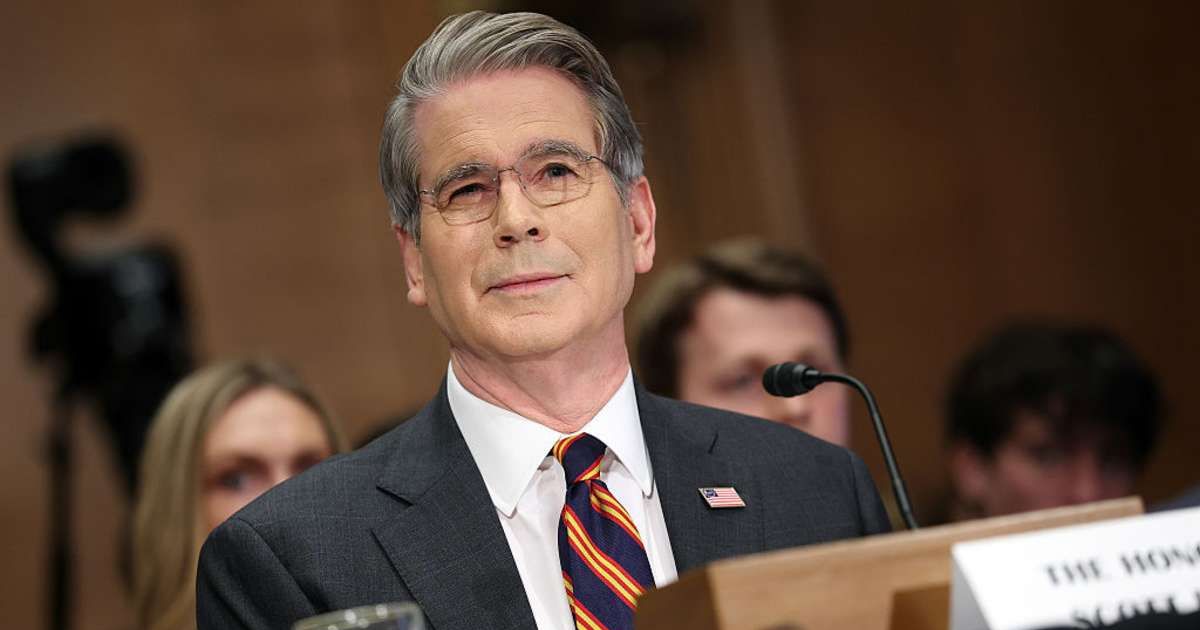
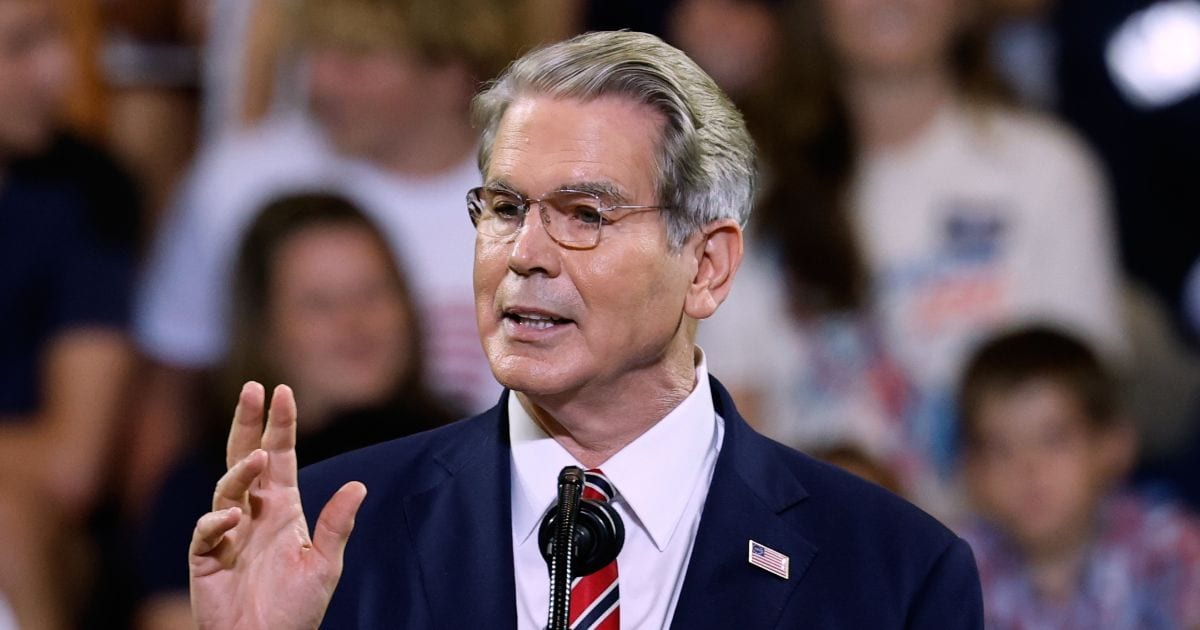
WASHINGTON, DC: US Treasury Secretary Scott Bessent on Wednesday, March 4, sought to reassure markets and the public following escalating hostilities between the United States and Iran, saying, “The region is not on fire” despite recent counter-strikes and American casualties.
His remarks followed joint US-Israeli military operations that killed Iran’s Supreme Leader Ali Khamenei and triggered retaliatory drone and missile attacks across the Middle East.
Six US service members were killed in a drone strike in Kuwait over the weekend. The comments came as oil prices fluctuated and geopolitical tensions remained high.
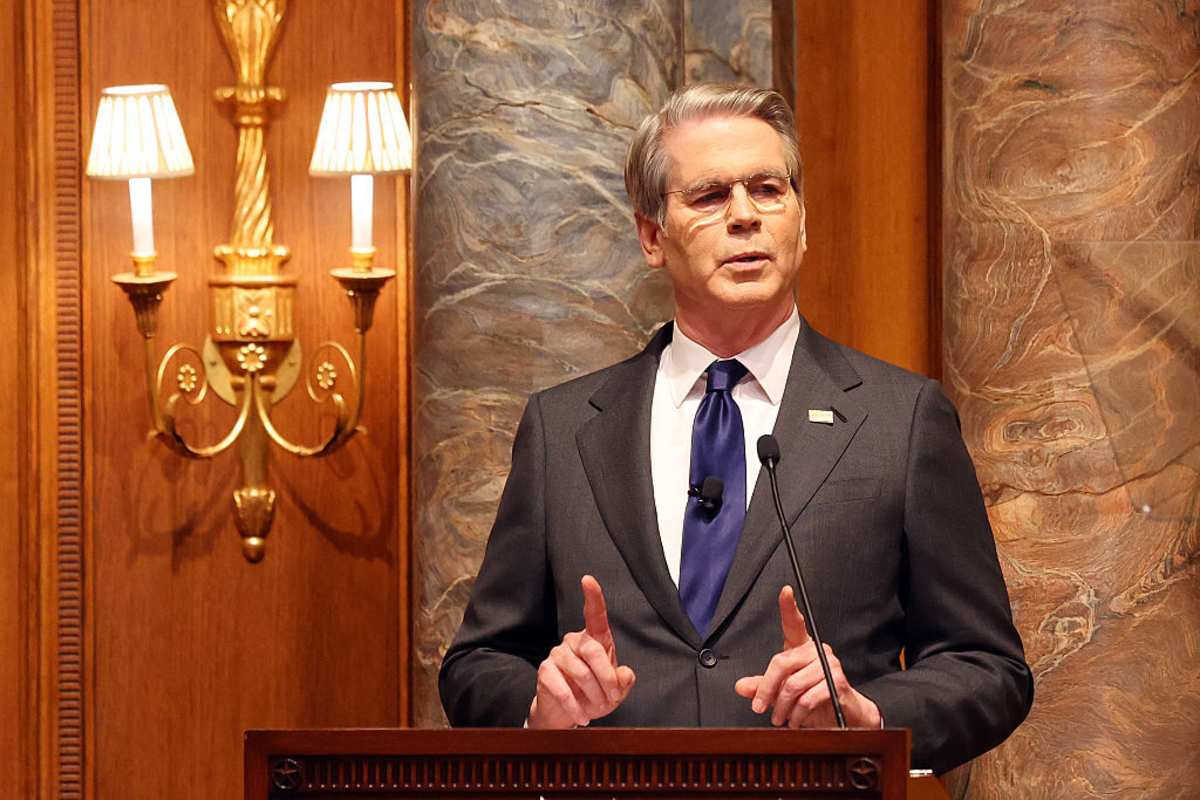
Scott Bessent downplays Iran threat and urges market calm
Speaking on CNBC, Bessent criticized what he described as exaggerated media coverage of Iran’s response.
“The region is not on fire,” Bessent said, adding that Iran’s “attack capabilities have been substantially degraded.”
He argued that financial markets were already pricing in geopolitical risks and encouraged investors to remain focused on broader economic fundamentals.
“The US is getting stronger and stronger every day, and the most fulsome part of our campaign is just starting, so that there are people in the market willing to look through this, and that’s what I think everyone should do,” Bessent said.
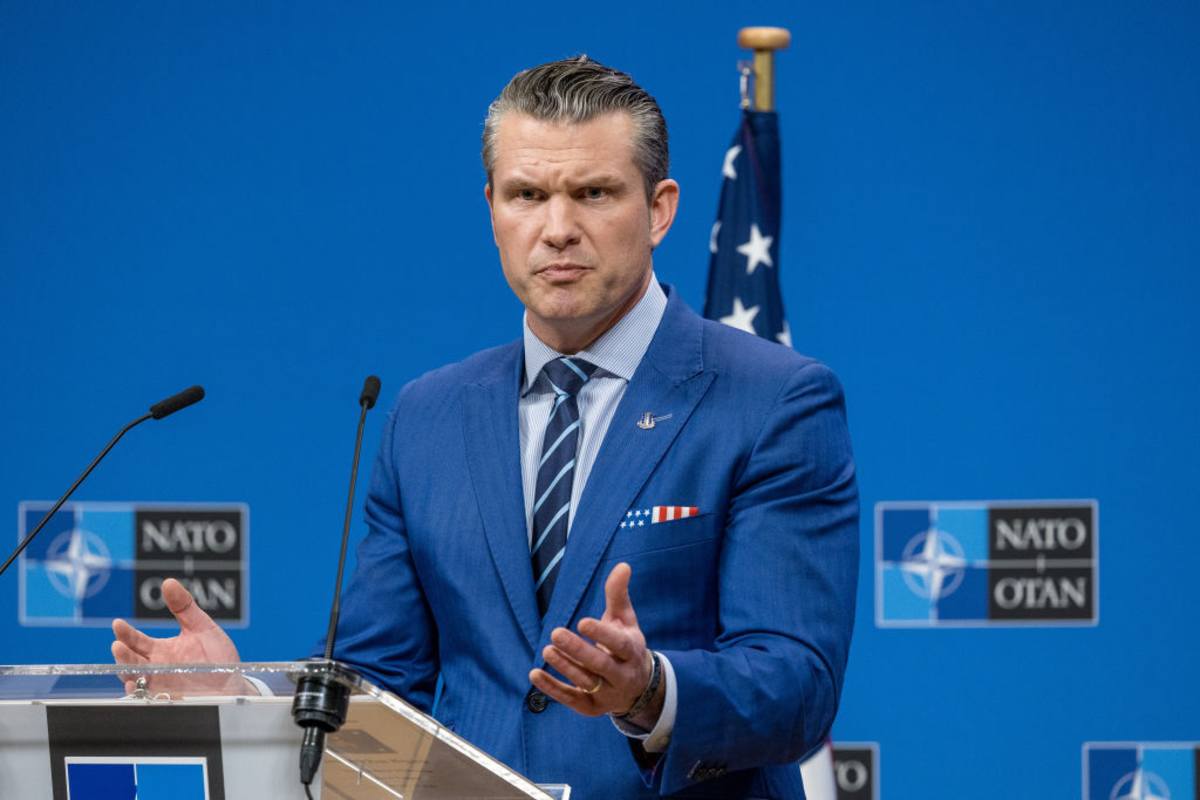
Defense Secretary Pete Hegseth accused media outlets of focusing on the casualties to undermine the administration.
“This is what the fake news misses. We’ve taken control of Iran’s airspace and waterways without boots on the ground. We control their fate. But when a few drones get through or tragic things happen, it’s front page news,” Hegseth said at the Pentagon.
“I get it, the press only wants to make the president look bad, but try for once to report the reality,” he added.
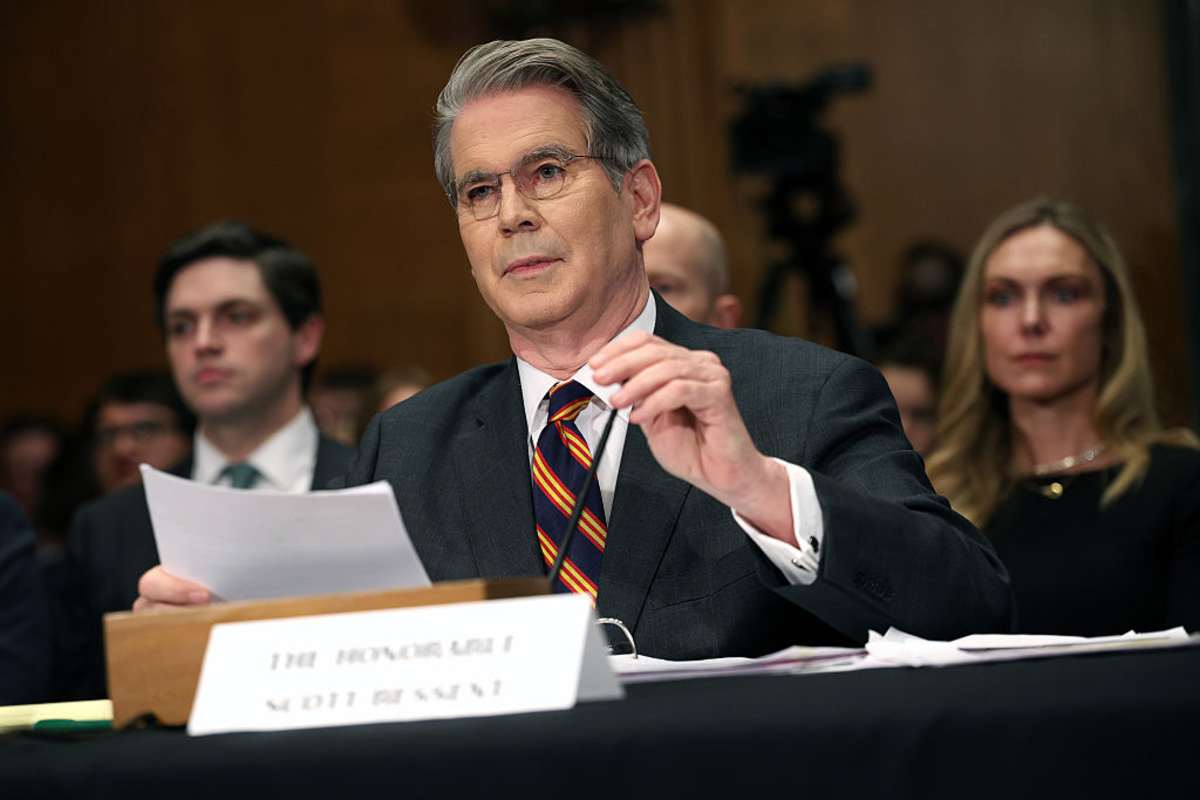
Bessent also outlined measures aimed at stabilizing global energy markets.
He said the US Development Finance Corporation would provide political risk insurance for crude carriers and cargo ships operating in the Persian Gulf.
“The US government is going to step in, and when it is appropriate and should it be needed, the US Navy will provide safe passage through the straits there for the oil tankers,” Bessent said.
Trump’s trade threat and the Spain dispute
President Trump on Tuesday threatened to end all trade with Spain after Madrid declined to allow US forces to use jointly operated military bases for strikes not sanctioned under the United Nations charter.
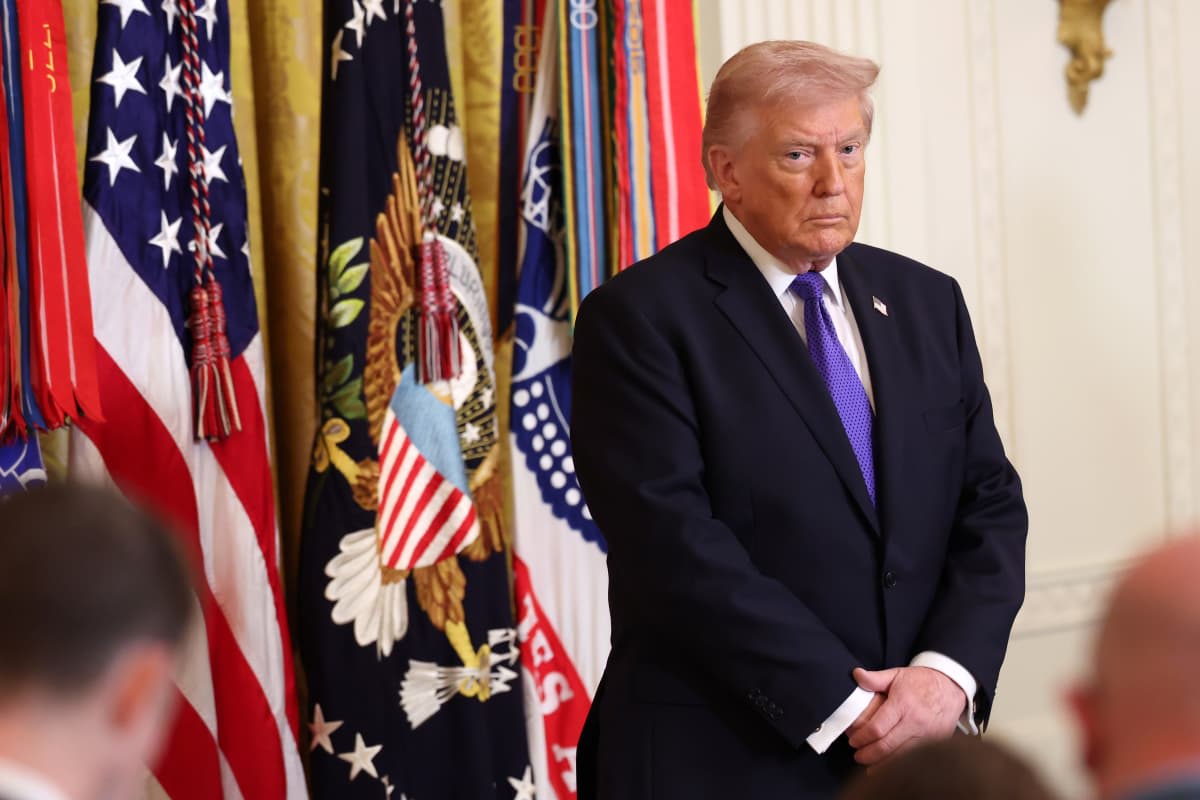
Trump said, “We’re going to cut off all trade with Spain,” and added, “We don’t want anything to do with Spain.”
He further stated, “We could use their base if we want. Nobody’s going to tell us not to use it, but we don’t have to.”
Spain’s Foreign Minister Jose Manuel Albares said that his government would not authorize the use of the Morón de la Frontera and Rota bases for operations outside the scope of the UN charter.
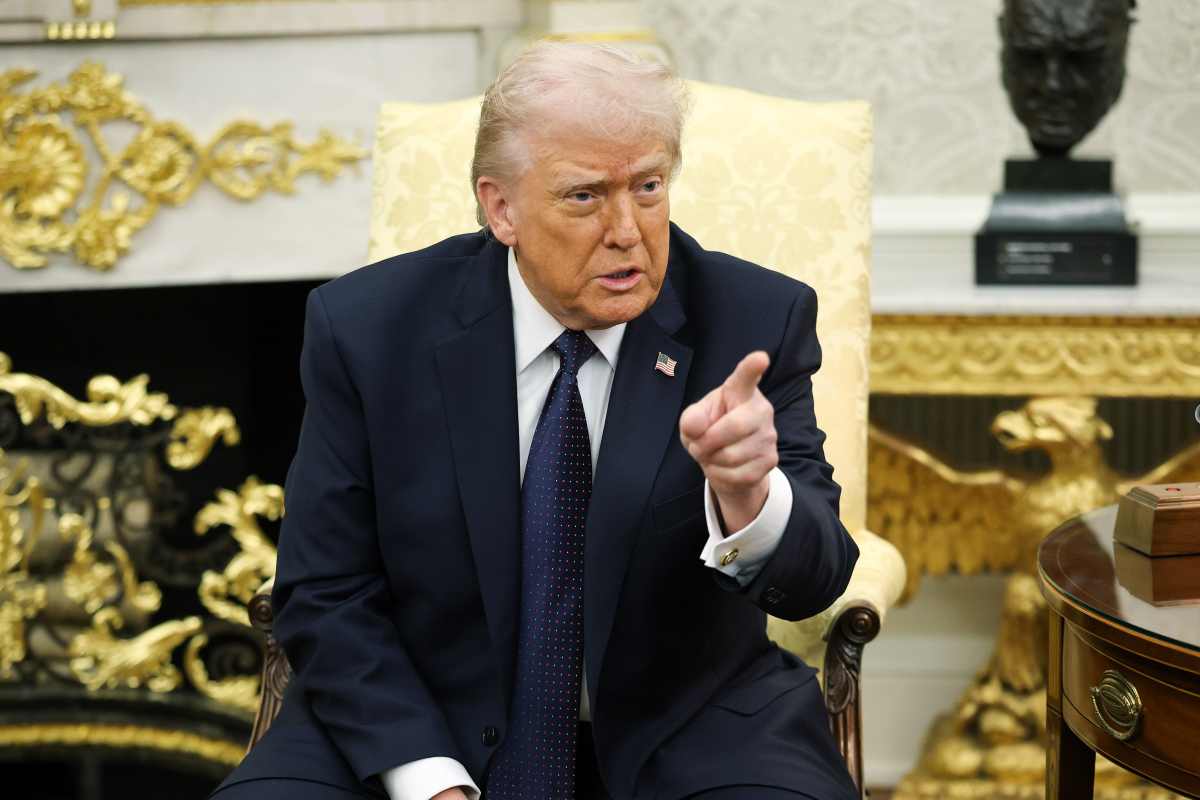
Spanish officials emphasized that trade relations were governed by agreements between the United States and the European Union and must respect international law and private-sector autonomy.