Schumer mocks Trump over Strait of Hormuz crisis, says a ‘college student’ could’ve seen it coming
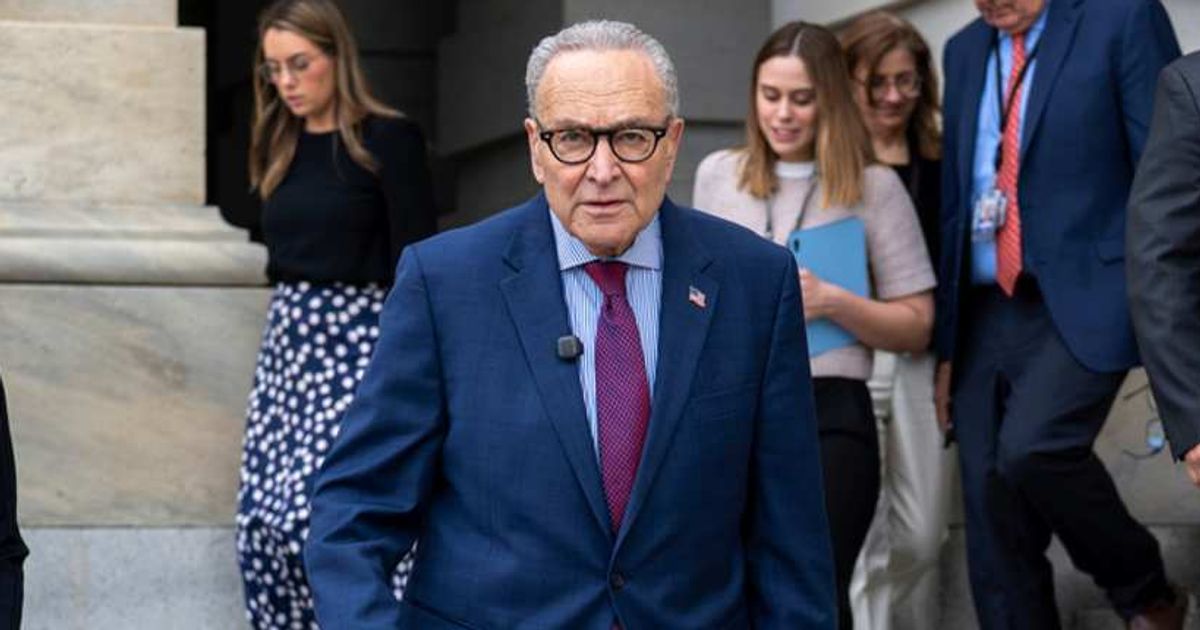
WASHINGTON, DC: Senate Democratic Leader Chuck Schumer is raising eyebrows about how the White House failed to see the disaster in the Strait of Hormuz coming.
The New York Democrat took aim Thursday, March 12, at President Donald Trump, accusing the administration of getting caught flat-footed as oil markets spike and global shipping grinds to a halt.
Taking to X, Schumer suggested the warning signs weren’t subtle.
“A college student with a basic understanding of geopolitics could tell you that Iran’s greatest leverage is this narrow passage through which a huge share of the world’s oil must travel. And now the administration is scrambling to contain the damage and deal with rising oil prices," he wrote.
How did Donald Trump not see the crisis with the Strait of Hormuz coming?
— Chuck Schumer (@SenSchumer) March 12, 2026
A college student with a basic understanding of geopolitics could tell you that Iran's greatest leverage is this narrow passage through which a huge share of the world's oil must travel. And now the… pic.twitter.com/my4CfpcDXb
Mojtaba Khamenei turns up the heat
Schumer’s criticism landed shortly after Iran’s newly installed supreme leader, Mojtaba Khamenei, delivered his first public message since taking power. In a statement read on Iranian state television, the cleric said closing the Strait of Hormuz should remain a "tool to pressure the enemy."
“The blood of our martyrs will be avenged,” Khamenei said, adding that the strategic Strait of Hormuz (which carries about a fifth of the world’s oil supply) should remain closed to exert pressure on Iran’s enemies.
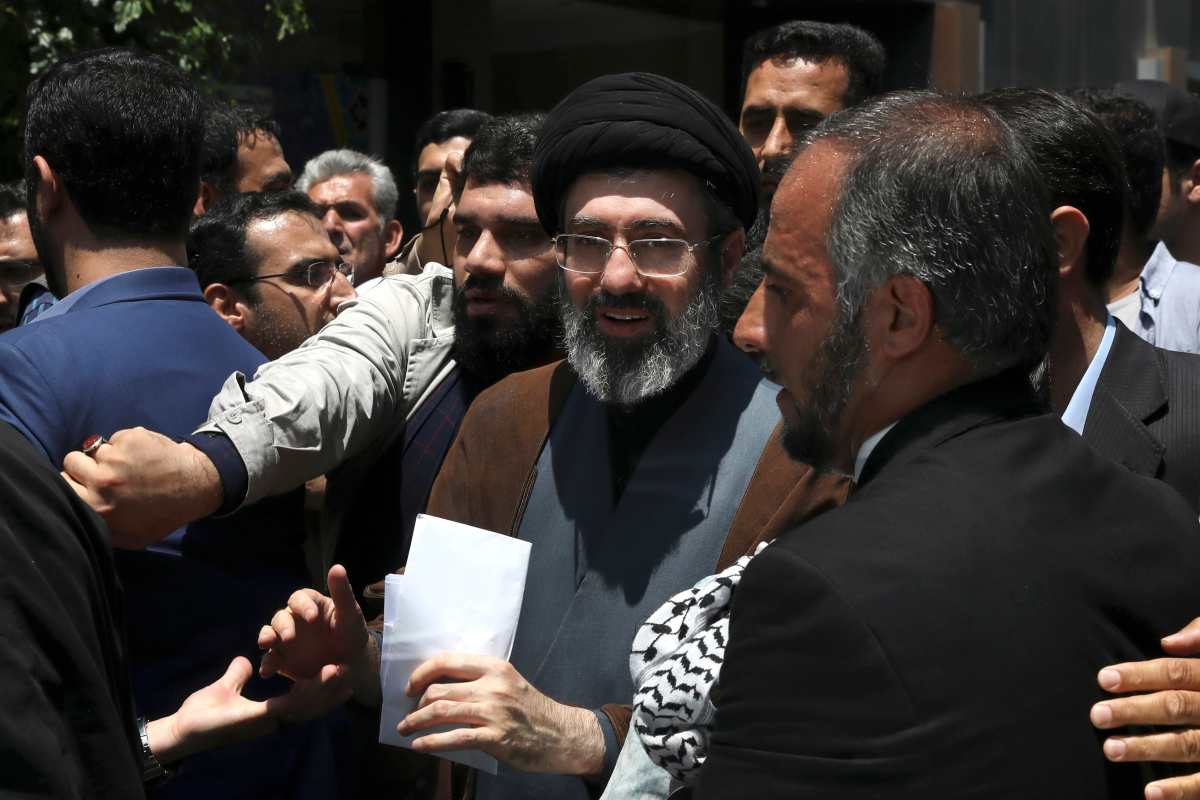
The statement also made clear that Tehran intends to keep striking shipping and energy infrastructure in the Gulf, while threatening U.S. military installations across the region. Khamenei additionally demanded that the United States shut down all its bases in the Middle East.
Notably, the new leader never appeared on camera. Israeli officials believe he may have been injured during the war’s opening strikes, when an attack on his father’s compound killed Iran’s longtime leader, Ali Khamenei, along with several family members. Mojtaba Khamenei was reportedly wounded in the same assault.
The war’s opening phase effectively decapitated the old leadership structure in Tehran, but it hasn’t slowed the country’s military response in the Gulf.
Oil prices jump
The geopolitical tremors quickly spread to global markets.
According to Reuters, shipping through the Strait of Hormuz has essentially stopped since the conflict erupted. Iranian officials warned Wednesday that crude prices could soar as high as $200 per barrel if the standoff continues.

For now, the trend is already heading north. Oil climbed back above $100 a barrel Thursday as traders braced for a prolonged disruption to global energy supplies.
Meanwhile, the conflict itself shows little sign of slowing down. Air and naval attacks intensified this week as US and Israeli forces stepped up operations and Iran escalated retaliatory strikes against tankers moving near the strait.
Trump's comments
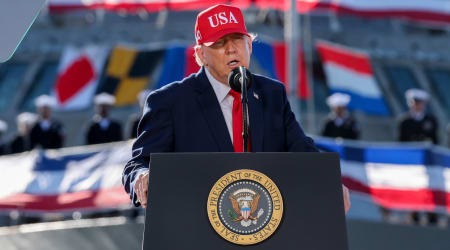
Trump addressed the situation earlier in the week during an interview with Fox News, saying he was “disappointed” with Mojtaba Khamenei’s rise to power. “I don't believe he can live in peace,” the president said.
Still, it remains unclear whether the White House is actively pursuing regime change in Tehran. Reporting from Reuters indicates that internal intelligence assessments suggest airstrikes alone are unlikely to remove Iran’s leadership.
Taking to Truth Social on Thursday, Trump suggested rising oil prices could bring financial upside for the United States.
“When oil prices go up, we make a lot of money,” said Trump.

He previously said that the United States had “virtually destroyed Iran” but added that military operations would continue. “You never like to say too early you won. In the first hour, it was over, ” Trump said at a rally in Hebron, Kentucky, on Wednesday. “We don’t want to leave early… we’ve got to finish the job.”
The conflict has already taken quite a toll. Roughly 2,000 people have been killed so far, while the International Energy Agency has described the upheaval as the largest disruption to global energy supplies ever recorded.