Rubio tells NATO allies 'something has to be done' over Iran's grip on key waterway
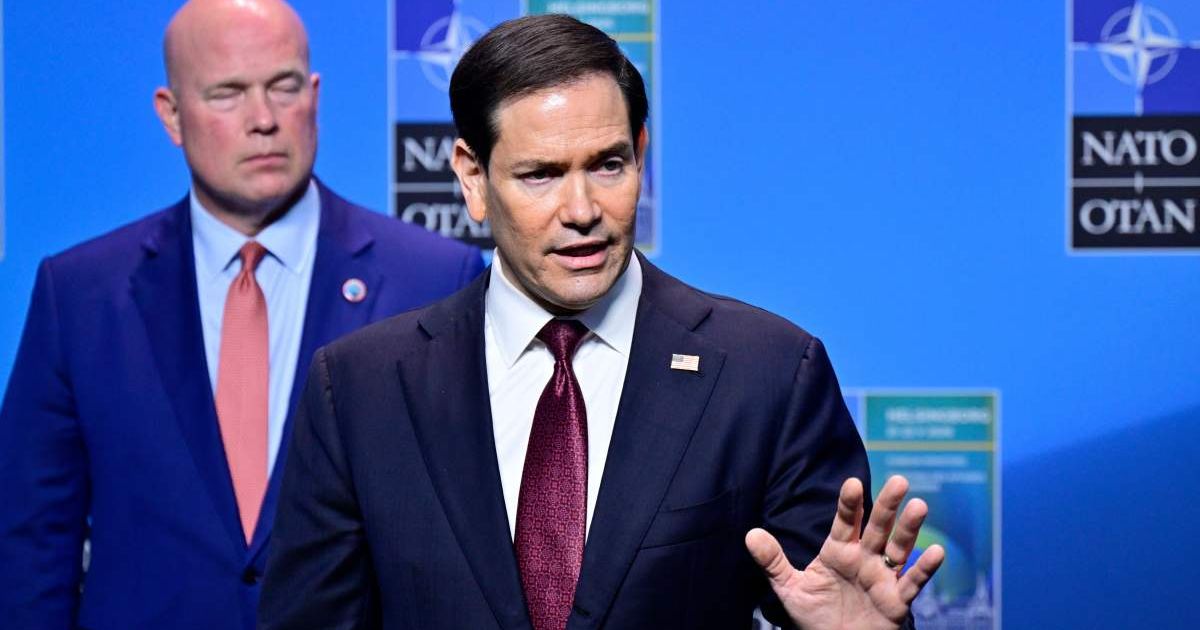
HELSINGBORG, SWEDEN: In an escalatory shift that underscores the fragility of current Middle Eastern diplomatic efforts, Secretary of State Marco Rubio revealed on Friday, May 22, that the United States and its international partners are actively designing alternative strategies to break Iran's grip on global energy shipping.
Speaking to reporters following a high-stakes summit with NATO allies, Rubio declared that Washington must establish a definitive fallback posture to prepare for the real possibility that Tehran refuses to reopen the Strait of Hormuz.
The administration’s shift toward active contingency mapping surfaces amid mounting international anxiety over prolonged trade blockades.
While regional negotiators continue to pursue a comprehensive diplomatic solution aimed at dismantling Iran's nuclear weapons ambitions and restoring free navigation, Rubio warned that the West cannot rely solely on the assumption of diplomatic success.
🚨 SEC. MARCO RUBIO calls on NATO to align with the United States in dealing with Iran.
— The Patriot Oasis™ (@ThePatriotOasis) May 22, 2026
"We have to have a plan B. What if Iran refuses to open the straits? At that point, something has to be done about it."
"There are countries represented here today that are more deeply… pic.twitter.com/OsANN3gnnh
"We all would love to see an agreement with Iran in which the straits are open," Rubio stated, but cautioned that a failure to secure a rapid treaty will require an aggressive, coordinated intervention.
Allies weigh alternative Hormuz strategies
The secretary of state confirmed that he directly presented the alternative framework to fellow foreign ministers, generating a broad consensus among key partners.
The contingency operational plans would not involve the entirety of the NATO alliance, but would instead unite a specific coalition of nations with vital economic interests in the strategic chokepoint.
BREAKING: Secretary Marco Rubio says NATO allies are beginning to think through a worst-case scenario if Iran refuses to open the Strait of Hormuz:
— Fox News (@FoxNews) May 22, 2026
"We all would love to see an agreement with Iran in which the Straits are open and they abandon their nuclear ambitions and so… pic.twitter.com/jQvHZd8rLv
"We also have to have a Plan B," Rubio explained, outlining the stakes of the ongoing dispute. "What if Iran decides, 'We refuse to open the straits, we're going to own the straits, and we're going to charge tolls for it?' Okay, at that point, something has to be done about it."
Rubio noted that his warning received a supportive reception during the alliance meetings, with multiple foreign ministers signaling their agreement that concrete options must be prepared immediately.
Washington welcomes multinational defense assistance
While the White House is actively coordinating with global capitals, Rubio reiterated the firm position that American naval forces possess the necessary firepower to enforce navigation independently.
He emphasized that the military does not explicitly require foreign assistance to dismantle sea mines or physically clear the waterway, though the administration would welcome allied operational support.
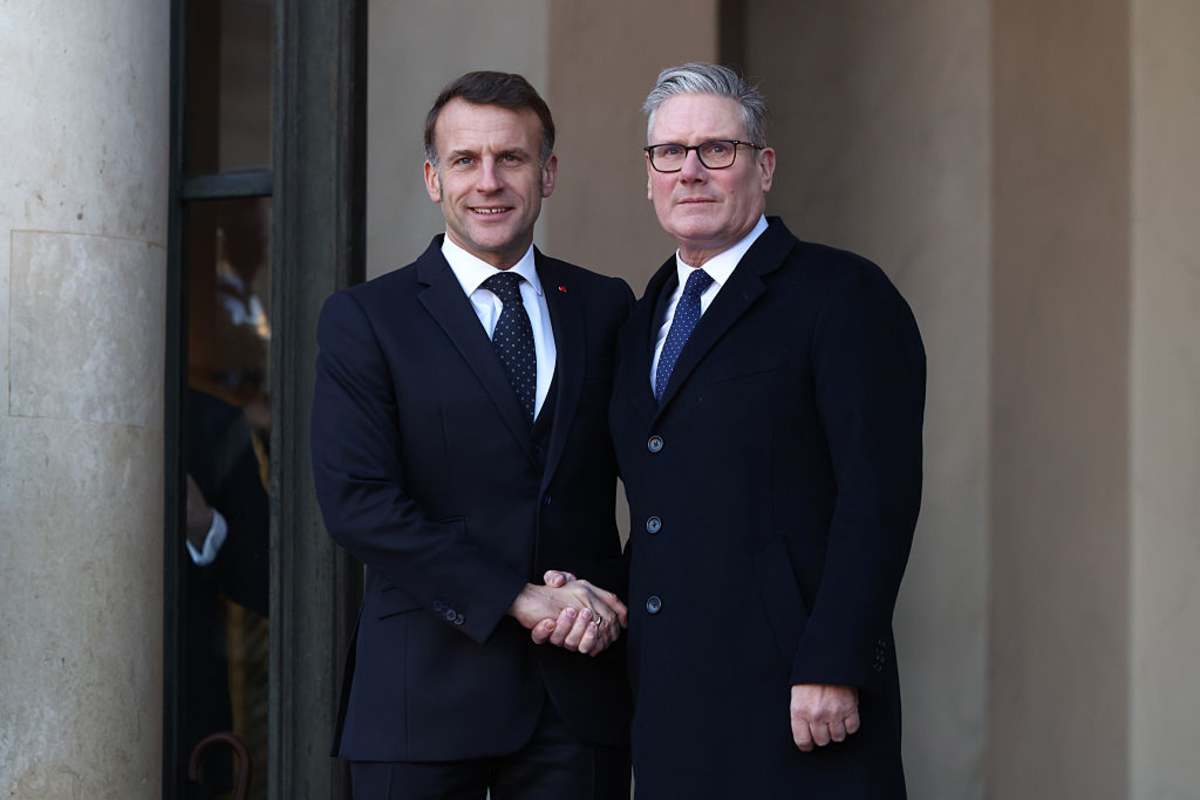
Currently, top European powers, led by the United Kingdom and France, have initiated early efforts to assemble a specialized military coalition capable of securing maritime trade.
However, these European partners have stipulated that their active escort operations will only commence once the broader hostilities of the current war are officially brought to a close.
This conditional timeline has forced Washington to advance its own immediate contingency planning to prevent a long-term economic freeze.