Putin, Trump hold extended call on Iran ceasefire and Ukraine war talks
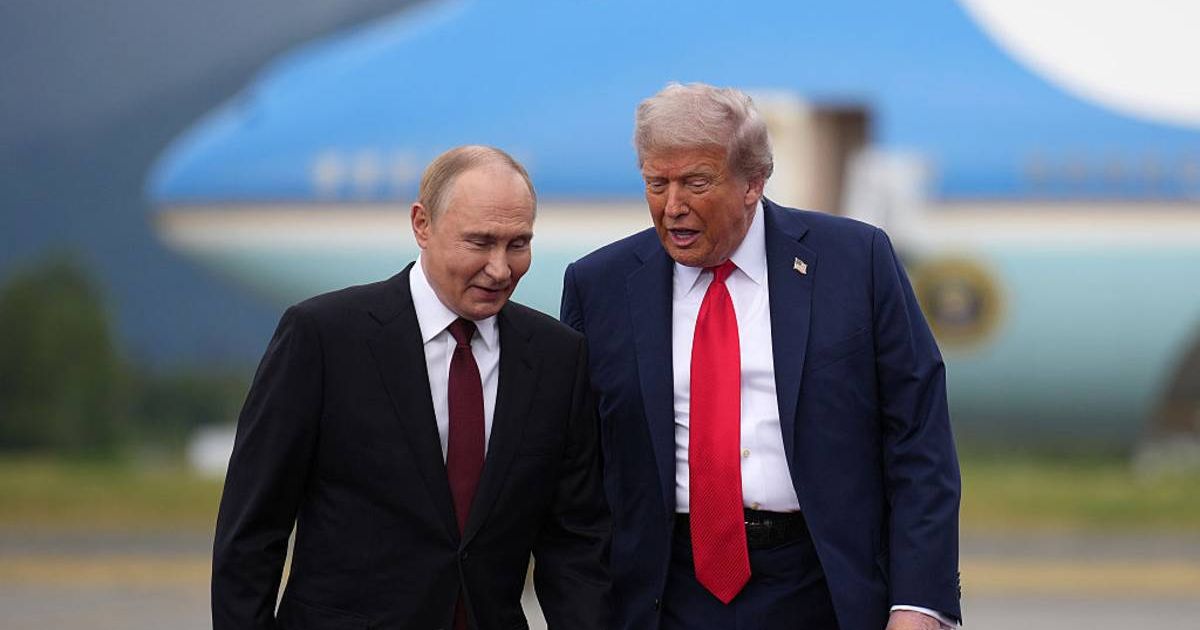
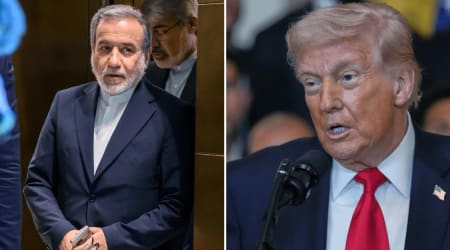
WASHINGTON, DC: Russian President Vladimir Putin and US President Donald Trump held a 90-minute phone conversation on Wednesday, April 28, addressing key global flashpoints, including the ongoing ceasefire with Iran and the war in Ukraine.
According to Kremlin spokesperson Yury Ushakov, the call was initiated by Russia and unfolded in a “frank and businesslike” manner, reflecting a direct exchange between the two leaders despite persistent geopolitical tensions.
Ushakov indicated that the discussion was wide-ranging, touching on both immediate security concerns and broader strategic stability.
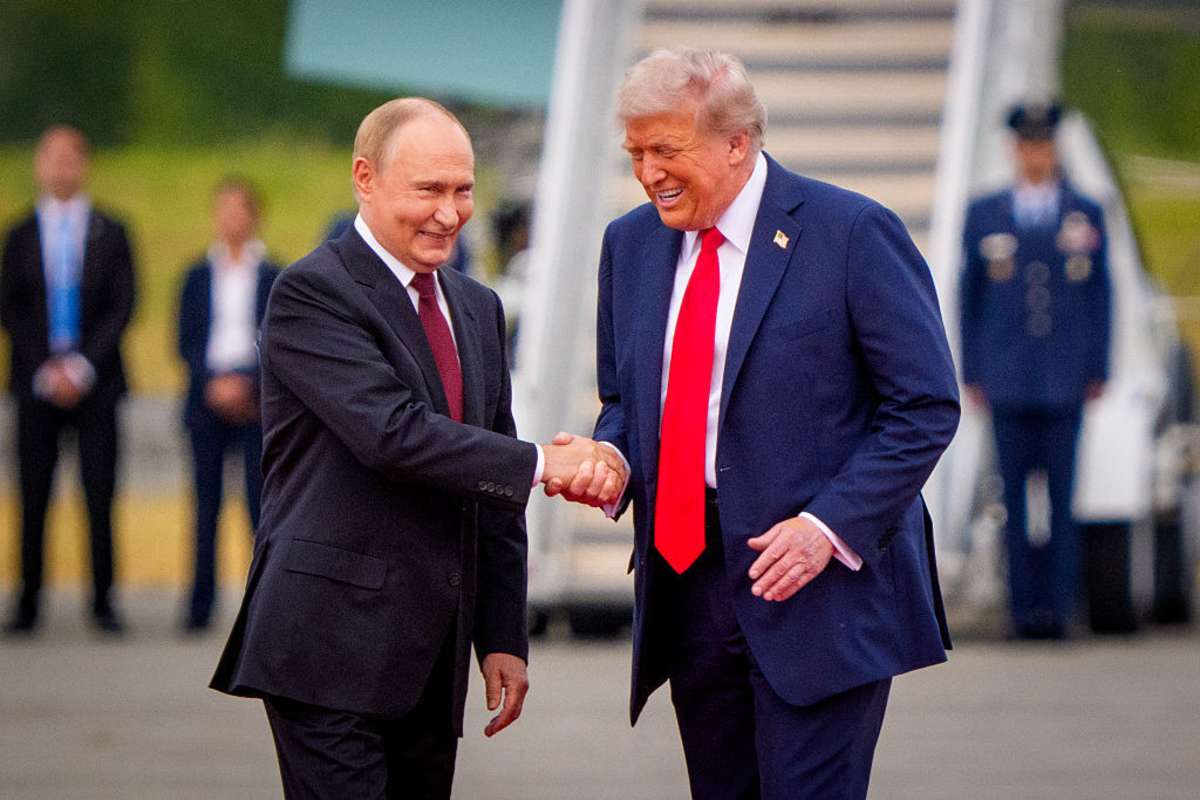
Putin endorses Iran ceasefire, warns of ‘dire consequences’
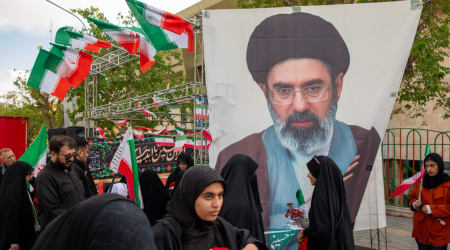
A central focus of the conversation was the fragile ceasefire involving Iran.
Putin voiced support for Trump’s decision to extend the truce, arguing that it creates a crucial window for diplomatic engagement and could help de-escalate tensions in an already volatile region.
“Vladimir Putin believes Donald Trump’s decision to extend the ceasefire with Iran is correct,” Ushakov said, adding that it should “provide an opportunity for negotiations and generally help stabilize the situation.”
However, the Russian leader coupled his support with a stark warning.
He cautioned that any renewed use of force by the United States and Israel could trigger “extremely dire consequences” not only for Iran and its immediate neighbours, but for the wider international community.
The remarks underscore Moscow’s concern about the potential for a broader regional conflict with global repercussions, particularly in energy markets and security dynamics.
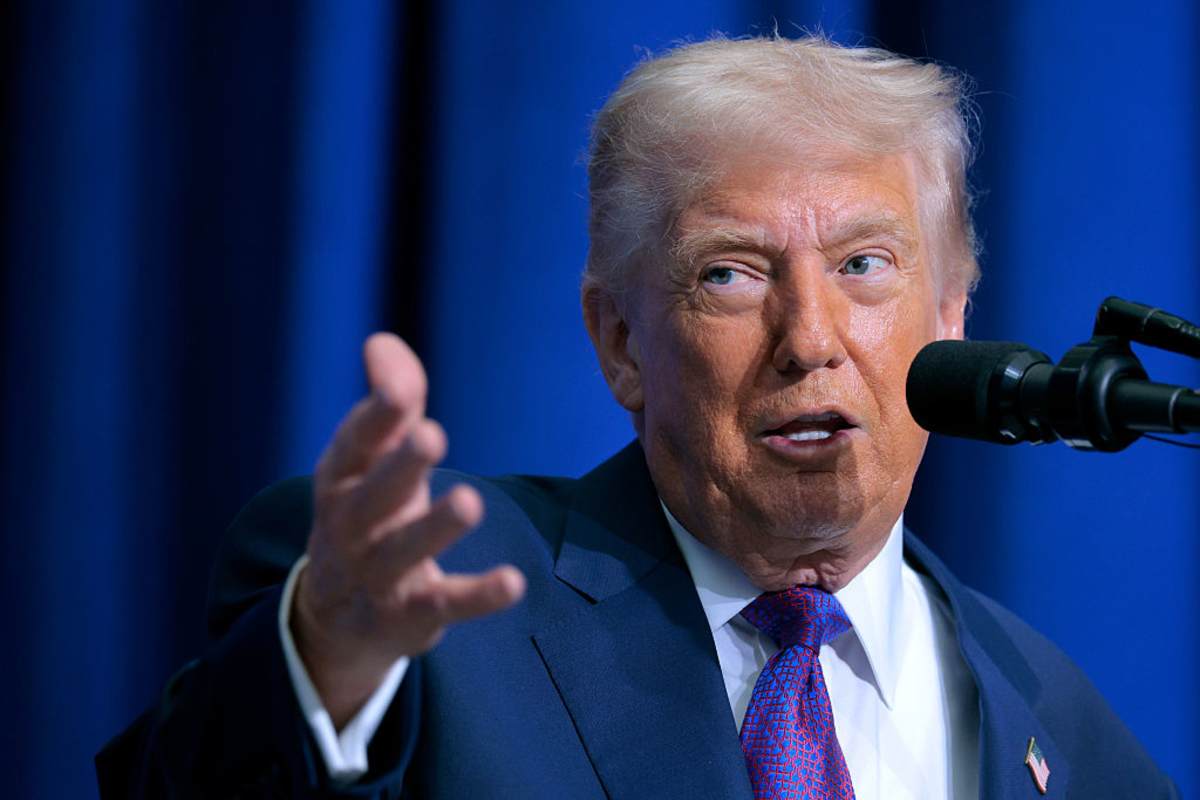
Ukraine war also on agenda
In addition to the Middle East, Putin and Trump discussed the ongoing conflict in Ukraine, which continues to dominate international diplomatic efforts.
During the call, Putin floated the possibility of a temporary ceasefire aligned with Victory Day on May 9, a date of deep symbolic significance in Russia, marking the Soviet Union’s victory over Nazi Germany in World War II.
While no concrete agreement emerged, the proposal signals a potential opening for limited de-escalation, at least symbolically, during a major national commemoration.
Observers note that such pauses have been proposed in the past, though sustaining them has proven difficult amid ongoing hostilities.
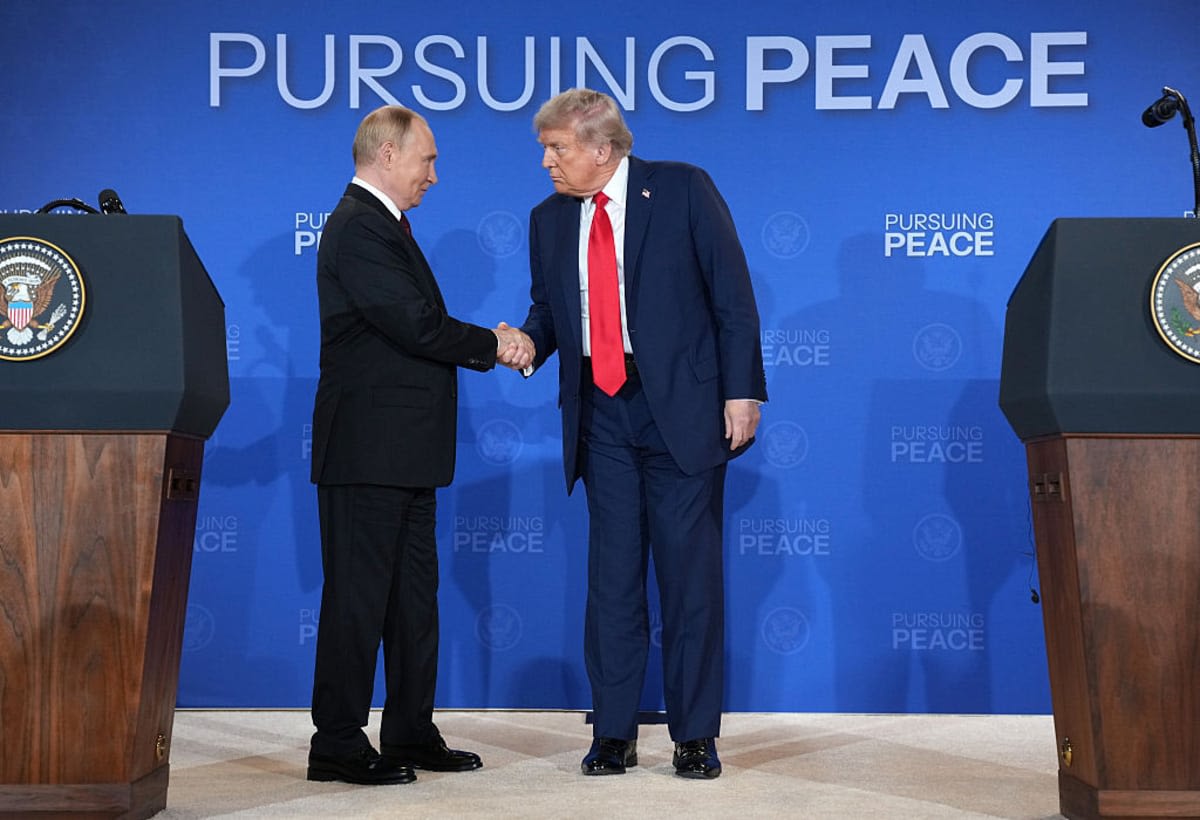
Balancing diplomacy and strategic rivalry
While both leaders appeared to find some common ground on the importance of maintaining the Iran ceasefire, their positions on Ukraine and other global issues remain far apart.
Still, the willingness to engage in an extended and substantive dialogue suggests that both sides see value in maintaining communication channels at a time of heightened geopolitical uncertainty.
Whether the discussions translate into tangible progress on either front remains to be seen, but the exchange signals continued high-level engagement on some of the world’s most pressing conflicts.