Starmer tells Trump Hormuz is a 'nightmare' as pair push to force open Strait for 20,000 sailors
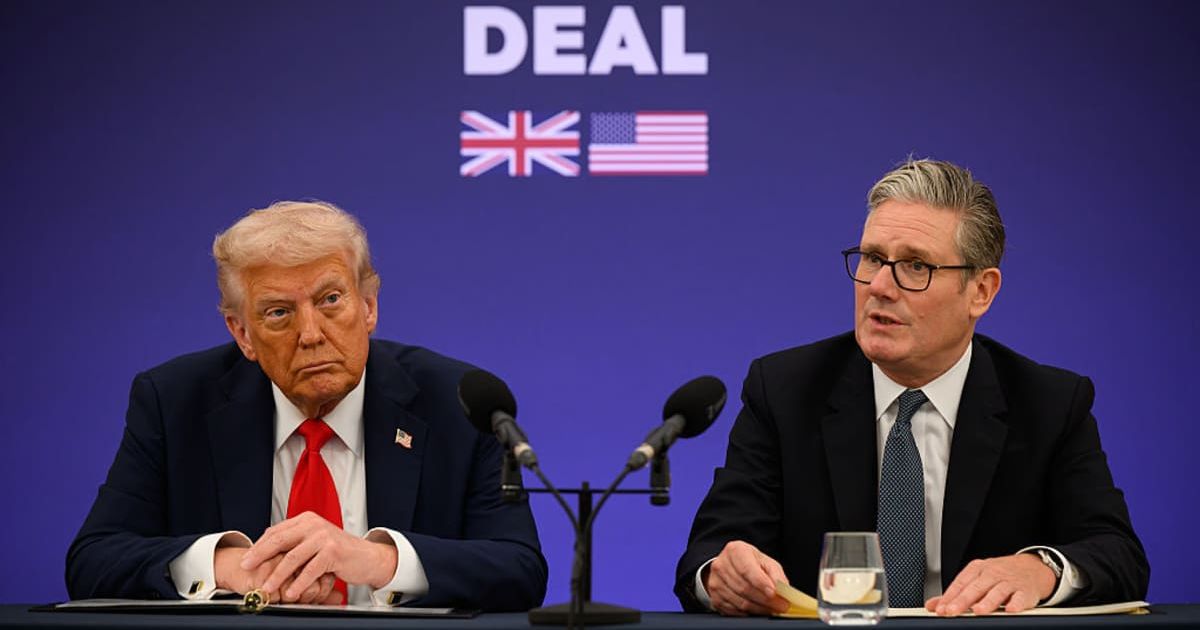
WASHINGTON, DC: President Donald J Trump and British Prime Minister Keir Starmer held an "urgent" telephone conference on Sunday, April 26, to address the deepening crisis in the Strait of Hormuz, where a dual blockade has effectively paralyzed one-fifth of the world’s oil supply.
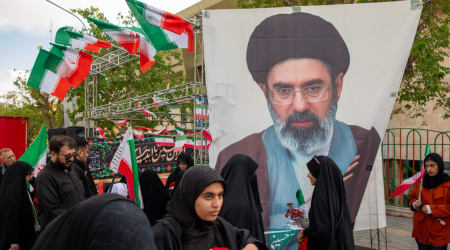
The high-stakes call follows a direct warning from Tehran that the vital waterway will "under no circumstances" return to its status quo, despite the tenuous ceasefire that has held since early April.
According to a readout from Downing Street, Prime Minister Starmer warned the president of "severe consequences" for the global economy and a "living nightmare" for the UK’s cost of living if maritime transit is not restored immediately.
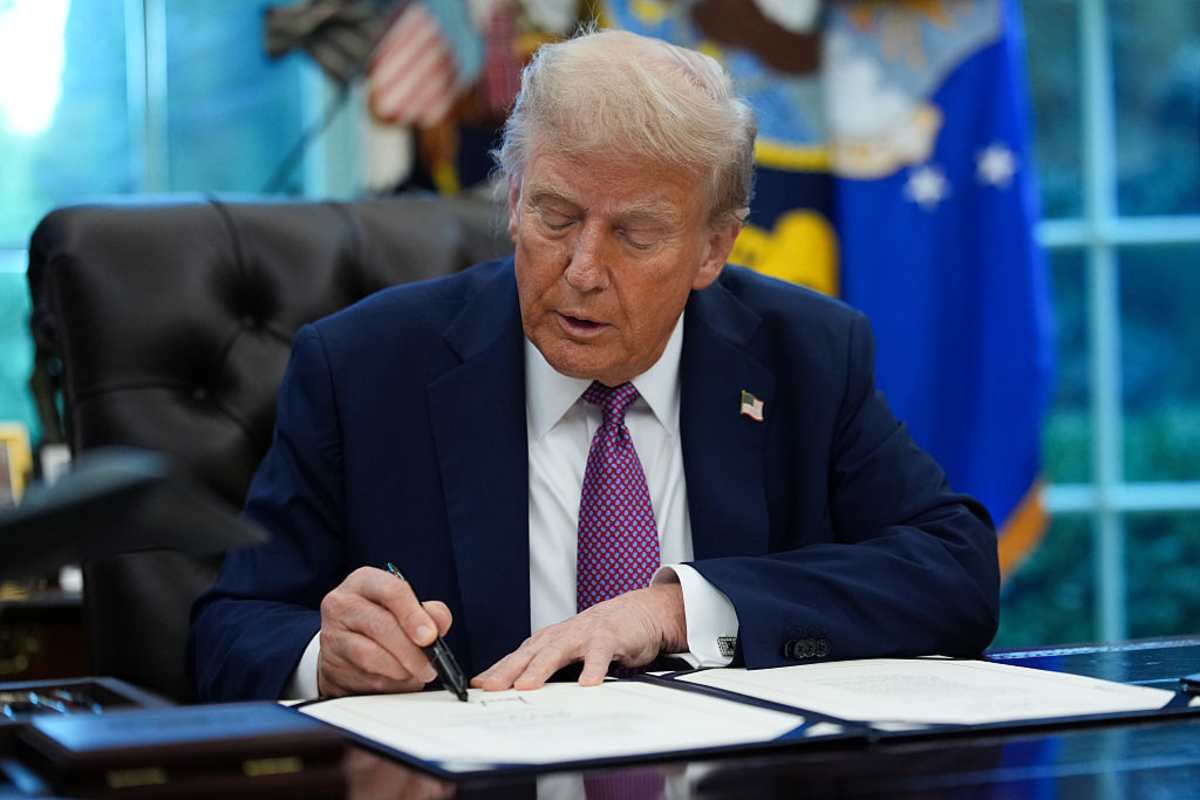
The conversation occurred less than 24 hours after a suspected gunman opened fire at the Washington Hilton during the White House Correspondents’ Dinner.
While the president was rushed to safety in a "strategic disarray" of Secret Service protocols, his primary focus shifted on Sunday to the "economic fury" currently strangling the Islamic Republic through a US naval blockade.
Thousands of seafarers trapped in dual blockade

The humanitarian and economic toll of the 2026 Hormuz Crisis has reached a staggering inflection point. Marine tracking data indicates that shipping has slowed to a bare trickle, with just a handful of vessels attempting the journey through waters currently patrolled by the US Navy.
Experts estimate that over 20,000 seafarers and nearly 2,000 commercial ships are stranded in the Persian Gulf, unable to find safe passage as Iran continues to demand illegal "tolls" of up to $2 million per vessel.
Trump has maintained a "tough stand," ordering the US Navy to "seek and interdict" any vessel attempting to pay these Iranian fees. This US naval blockade, which began on April 13th, is specifically targeting ships docking at or departing from Iranian ports, costing Tehran an estimated $500 million daily.
The result is a "strategic disarray" for the Iranian regime, which had hoped to use the Strait as leverage to secure sanctions relief during the failed Islamabad peace talks.
Keir Starmer warns of UK cost-of-living disaster
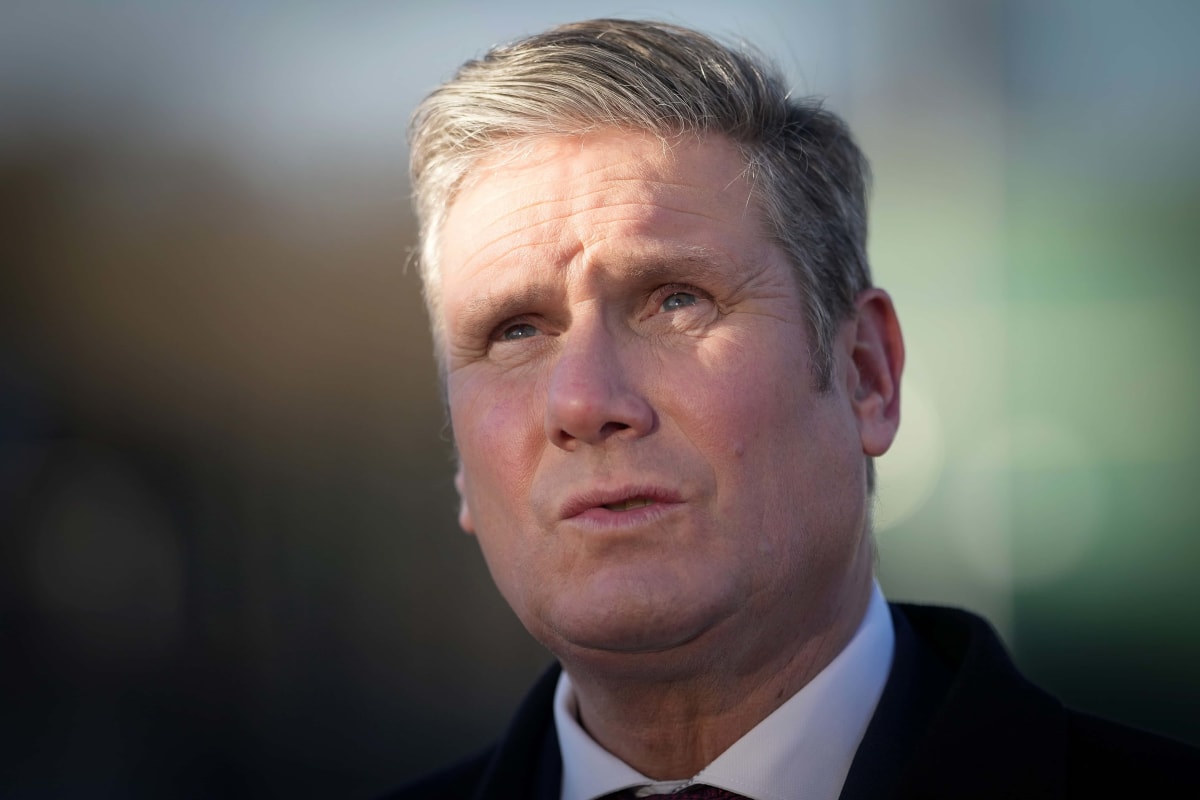
For Prime Minister Starmer, the crisis represents an existential threat to British economic stability. The "absolute disarray" in global energy markets has pushed Brent crude oil to $126 per barrel, mirroring the 1970s energy crisis and sparking fears of stagflation across Europe.
Starmer emphasized the "urgent need" to restore freedom of navigation, as the UK remains particularly exposed due to its reliance on gas-fired power and international supply chains.
Downing Street officials indicated that the prime minister is advocating for a "multinational mission" to force open the Strait if diplomatic channels continue to fail.
While Trump has previously suggested that "maybe we shouldn’t even be there" because the US is energy independent, the Sunday call confirms that the administration views the Hormuz blockade as a "great negotiator" tool to force Tehran into a total surrender of its nuclear ambitions.
Tehran defies calls for maritime reset
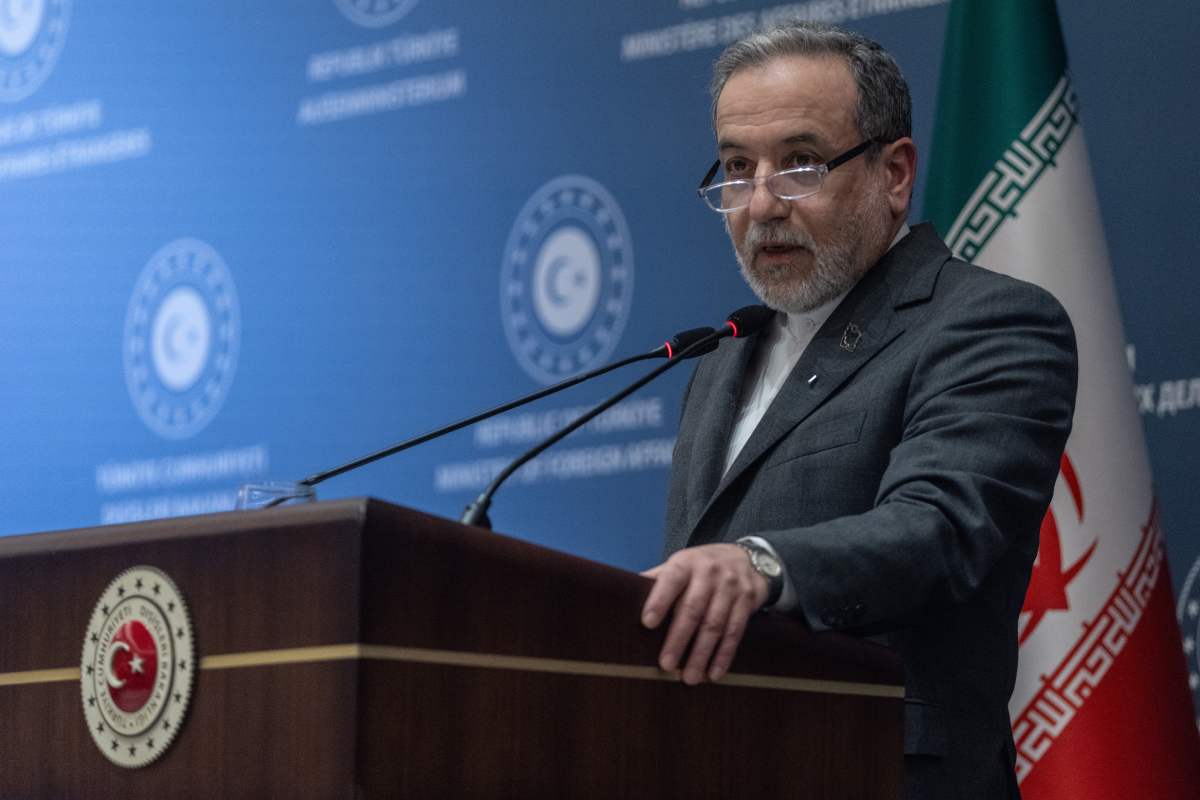
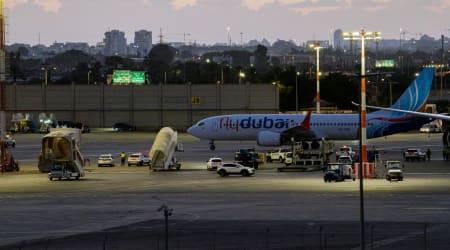
(Burak Kara/Getty Images)
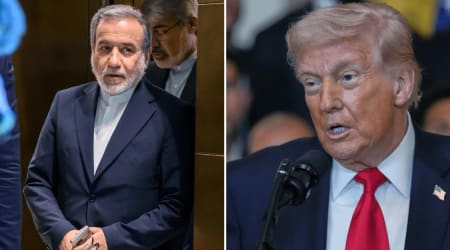
The diplomatic impasse was further solidified on Sunday morning when Iranian Foreign Minister Abbas Araghchi declared that the waterway is now under a "new order."
Tehran has condemned the US naval blockade as "piracy" and an "act of war," threatening to target any port in the Persian Gulf if their own trade corridors remain choked.
This "partisan mudslide" of rhetoric has left the status of the April ceasefire in a state of extreme volatility.
As shipping traffic remains at roughly 5% of its normal volume, the "results" of the president’s "America First" maritime policy are becoming clear: a complete isolation of the Iranian economy.
However, as Starmer noted during the call, the "transaction" of this economic pressure comes at a high cost to US allies.