Trump targets $344M Iran-linked crypto stash, hits ‘shadow’ channels tied to rial support
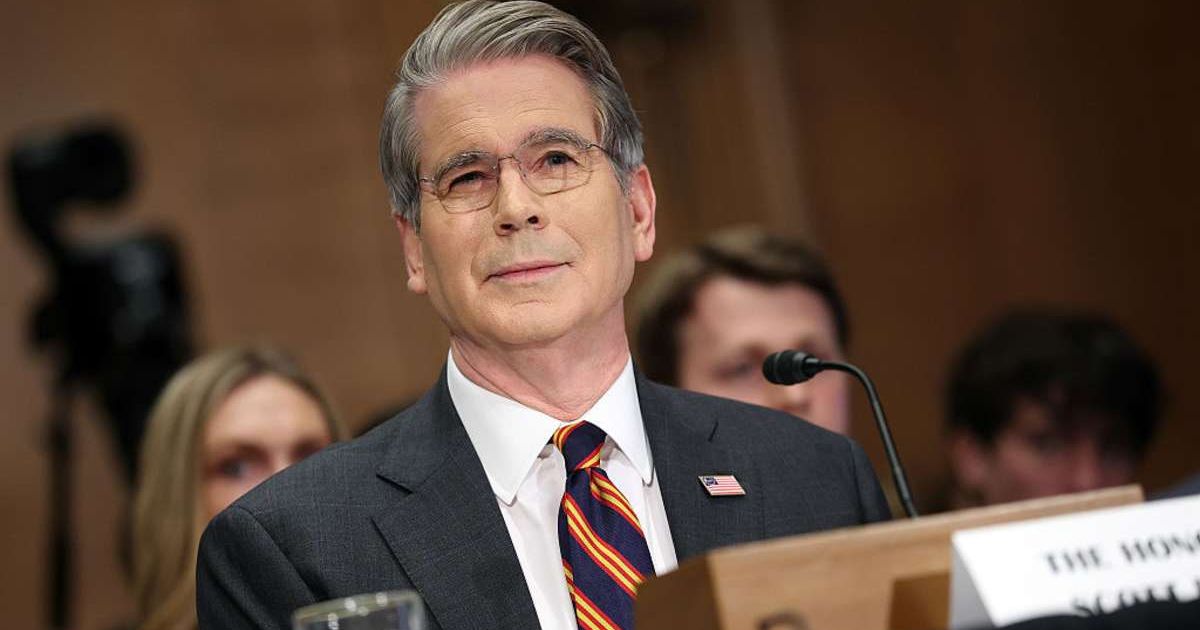
WASHINGTON, DC: The Trump administration has delivered a massive blow to Tehran’s wartime economy, freezing $344 million in cryptocurrency linked to the Iranian regime.
Treasury Secretary Scott Bessent announced on Friday, April 24, that the US has sanctioned multiple digital wallets, effectively cutting off a vital financial lifeline as the Islamic Republic attempts to move capital outside its borders amid a tenuous ceasefire.
The freeze, facilitated by the digital currency giant Tether, follows a sophisticated "discovery" operation by US authorities and blockchain analytics experts.
Evidence indicates that the Central Bank of Iran (CBI) has been using increasingly complex methods to obfuscate cross-border transactions in an effort to stabilize the rial as it crashes.
🚨 HOLY SMOKES. Treasury Sec. Scott Bessent just FROZE $344 MILLION in Iranian cryptocurrency linked to regime officials
— Eric Daugherty (@EricLDaugh) April 24, 2026
This comes after Bessent got the Gulf nations to OPEN UP regime bank accounts as they surge assets out of Tehran in desperation
Bessent is an economic… pic.twitter.com/tE8bV17EWb
This latest seizure touts a "Full Court Press" on the regime's shadow financial layer, which has grown to an estimated $7.8 billion as of 2025, with the Islamic Revolutionary Guard Corps (IRGC) controlling nearly half of those assets.
Wallets tied to Revolutionary Guard dominance
Blockchain experts from Chainalysis confirmed that the frozen wallets mirror patterns consistent with known IRGC facilitation networks.
In the final quarter of 2025, IRGC-associated addresses accounted for over 50% of Iran’s total crypto ecosystem, moving more than $3 billion to facilitate illicit oil sales and procure military equipment.

The $344 million seized on Friday was part of a "transactional" network that engaged in frequent transfers of tens of millions of dollars with private wallets to evade international oversight.
Treasury Secretary Scott Bessent signaled that the department will continue efforts to track financial networks linked to Tehran, focusing on flows that officials say are being moved outside formal banking channels.
The approach targets entities associated with the Islamic Revolutionary Guard Corps (IRGC), which US authorities have identified as a central node in Iran’s financial and military operations.
By expanding scrutiny on these networks, the administration is aiming to disrupt funding streams used for procurement and regional activities.
Officials say the measures are designed to limit access to resources that support Iran’s broader strategic capabilities, including programs Washington has repeatedly linked to its nuclear infrastructure.
Central Bank’s ‘shadow layer’ under siege
The Central Bank of Iran has reportedly used stablecoins like USDT to create what analysts describe as "digital off-book accounts" to settle international trade in a restricted environment.
This shadow infrastructure was designed to support the rial during periods of extreme economic volatility and inflation, which has soared to 50% during the current conflict.
The Treasury's active dialogue with digital asset exchanges has now turned this "sanctions-resistant" mechanism into a liability.
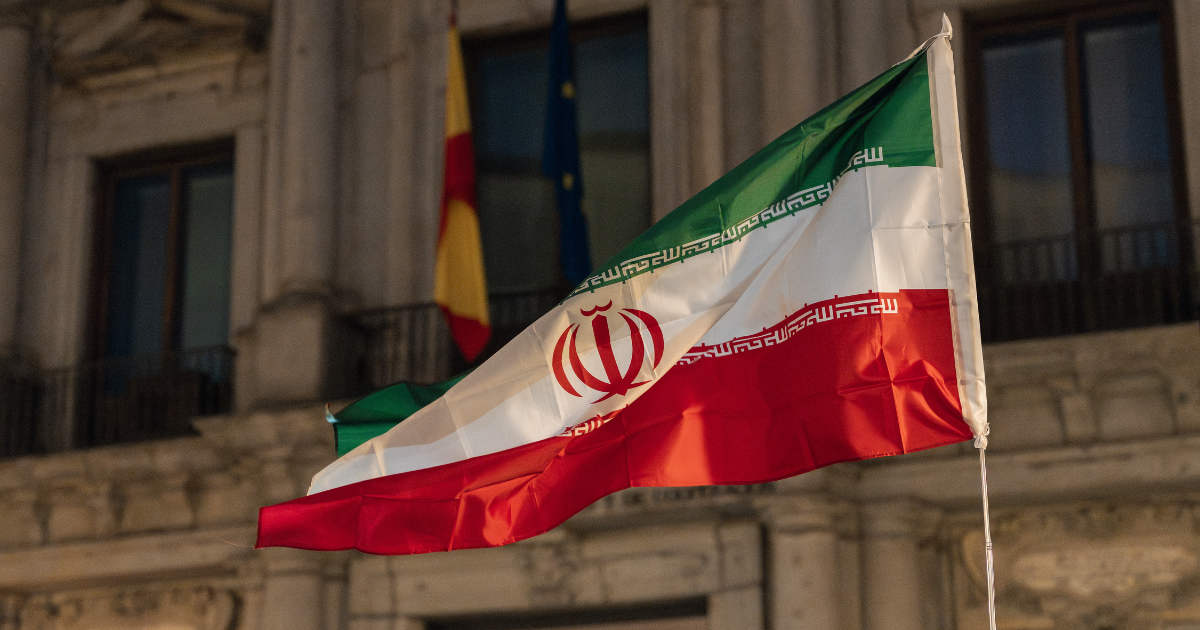
While Iran has been sanctioned for decades, the shift toward cross-chain bridges and decentralized exchanges was intended to provide a macroeconomic buffer.
However, the "moral credibility" of this digital strategy was shattered when Tether blacklisted the addresses.
For the CBI, the loss of these funds represents a "strategic disarray," as they can no longer easily use these specific pools of capital to defend their currency or pay for critical imports.
Cyber warfare compounds Iranian financial disarray
The latest financial seizure comes after a June 2025 cyberattack that targeted Iran’s largest cryptocurrency exchange, Nobitex.
The operation, attributed to the Israel-linked group “Predatory Sparrow,” involved an estimated $90 million breach and exposed vulnerabilities in the country’s digital financial infrastructure.

Following the hack, transaction volumes on domestic crypto platforms dropped by approximately 70%, reflecting a sharp decline in user activity and confidence.
Analysts have noted that the disruption added pressure to an already strained financial system operating under multiple layers of sanctions.
Officials point to the combined impact of US enforcement actions and cyber incidents as a significant factor affecting Iran’s access to alternative financial channels.
The targeting of cryptocurrency networks, often used to bypass traditional banking restrictions, has further constrained liquidity and cross-border transactions.
As negotiations in Islamabad continue, administration officials maintain that measures such as maritime restrictions and financial seizures are central to their broader strategy.
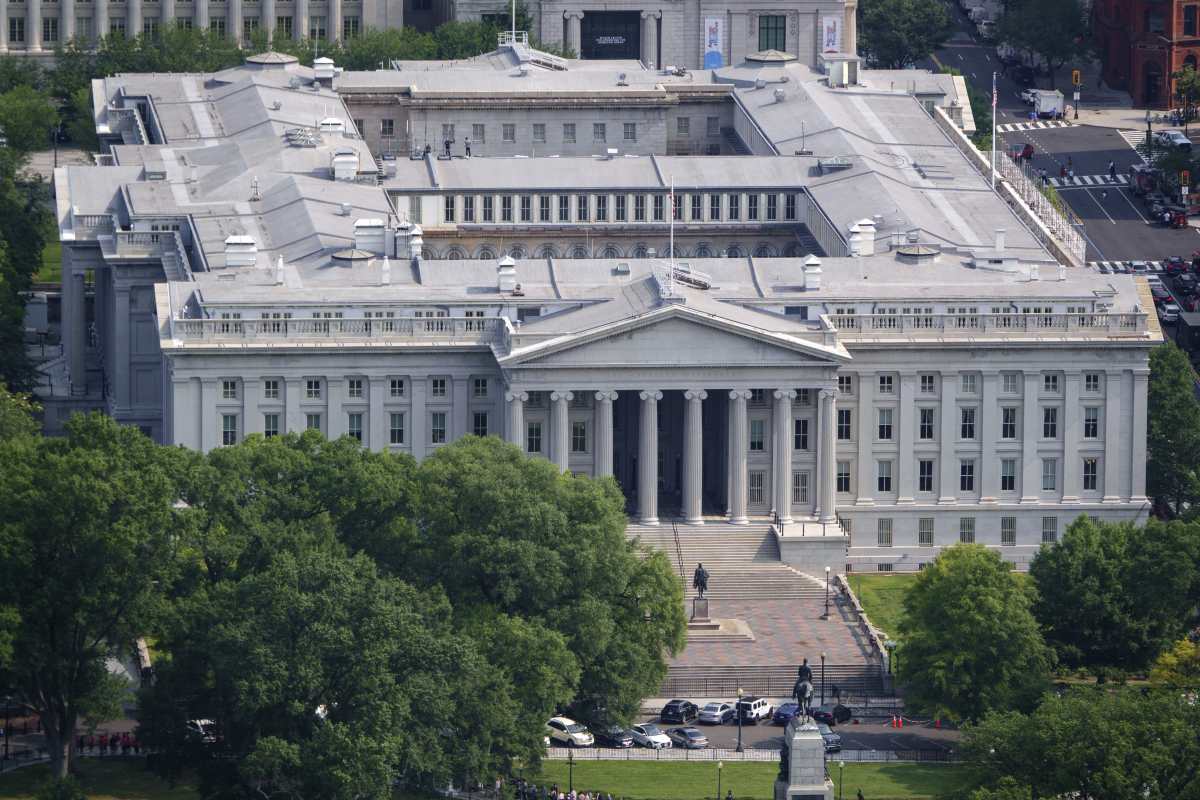
The Treasury Department has emphasized the role of targeting third-country intermediaries and digital financial networks in limiting Iran’s ability to sustain economic activity linked to the ongoing conflict.
While some analysts argue that Iran’s economy is already heavily constrained by sanctions, US officials continue to highlight the importance of sustained financial pressure, including actions against emerging digital pathways, as part of ongoing policy efforts.