US brokers Israel-Lebanon ceasefire after high-level talks, sets stage for broader peace deal

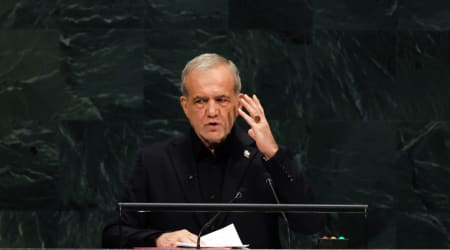
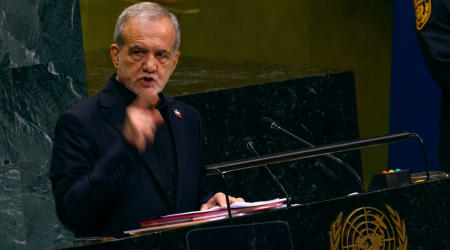
WASHINGTON, DC: The US has brokered a significant ceasefire agreement between Israel and Lebanon, marking a major diplomatic breakthrough following a series of high-level negotiations.
The development is being viewed as a positive step toward regional stability, as it removes a condition previously set by Iran, which had insisted that broader negotiations could not move forward until the conflict in Lebanon came to an end.
US brokers Israel-Lebanon ceasefire deal
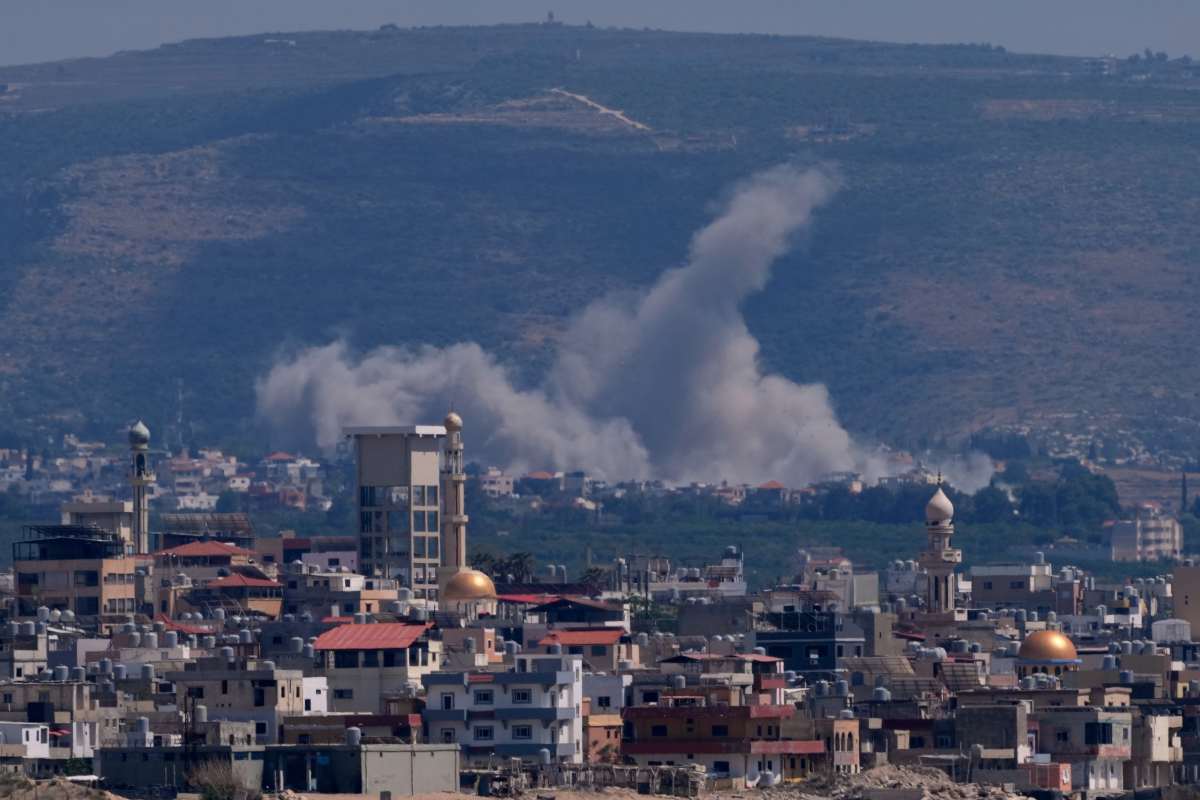
Following intensive trilateral negotiations held from May 29 through June 3, the US secured a commitment from both nations to halt active hostilities.
According to a formal release from the Department of State, “The United States convened the fourth high-level trilateral meeting between Israeli and Lebanese representatives on June 2 and 3, 2026. As a result of the US-led negotiations, Israel and Lebanon agreed to the implementation of a ceasefire.”
The statement further noted, “Israel and Lebanon reaffirmed that they have no hostile intent toward one another and committed to continuing direct negotiations to build confidence, resolve all outstanding issues, and work toward a comprehensive agreement between the two countries.”

US pushes regional stability and sovereignty
The agreement establishes that the bilateral relationship between Israel and Lebanon is to be determined by the two sovereign governments, excluding the influence of third parties.
The Department of State release stated, “All countries reaffirmed that the future of the relationship between Israel and Lebanon must be decided by the two sovereign governments. They rejected any attempt, by any state or non-state actor, to hold Lebanon’s future hostage.”
Additionally, the parties addressed the role of external actors in the region, noting, “All parties condemned Iran’s attacks on countries in the region, and ongoing activities that undermine stability throughout the Middle East, whether through support for proxies and all other acts of aggression.”
US-backed negotiations resume June 22
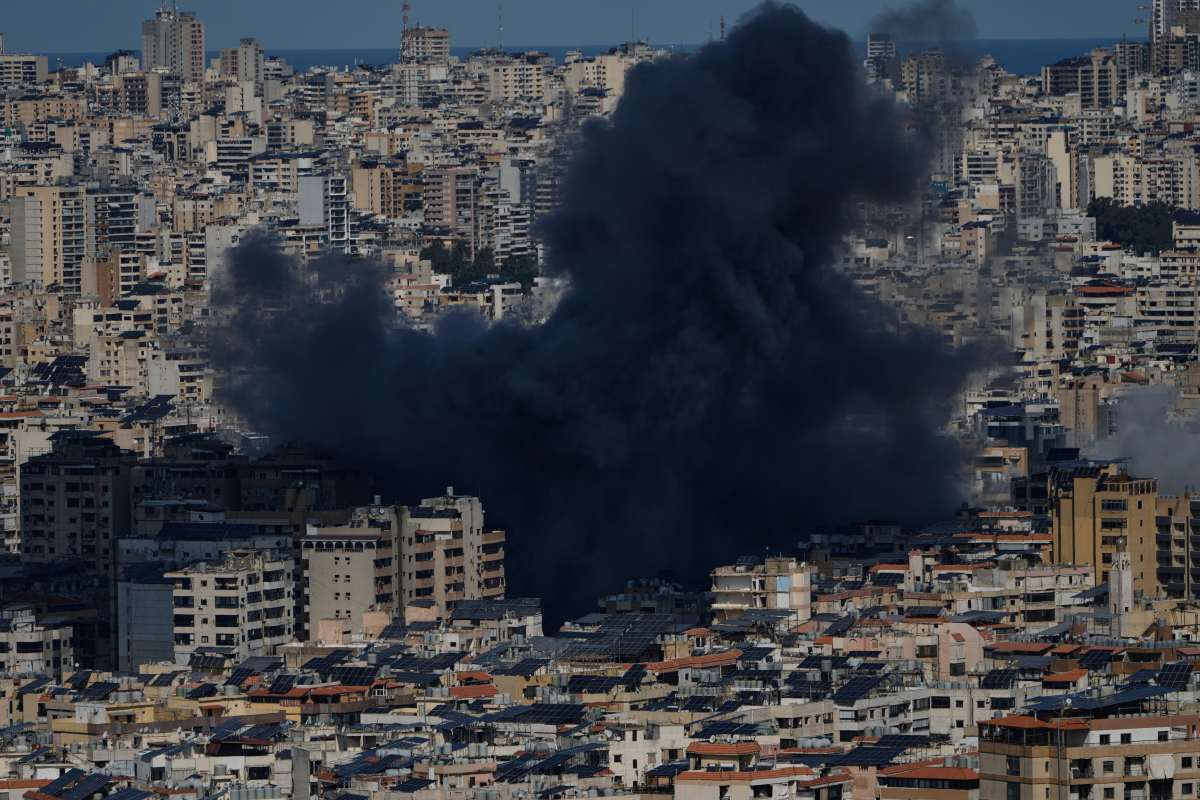
The release further stated that “the ceasefire is contingent on a complete cessation of Hezbollah fire and the evacuation of all Hezbollah operatives from the South Litani Sector.”
To ensure security, the agreement calls for the creation of pilot zones where the Lebanese Armed Forces will exercise exclusive control, preventing the operation of non-state actors.
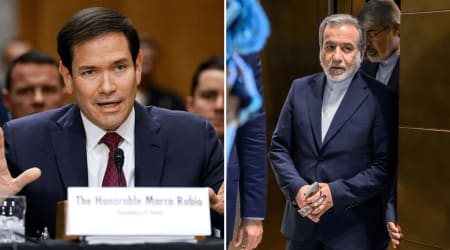
As stated by the Department of State, “It emphasized Secretary Marco Rubio’s June 2 statement that Hezbollah is not just an enemy of Israel and an enemy of America, but that it is an enemy of Lebanon.”
Notably, both nations are scheduled to reconvene political and security talks during the week of June 22 to pursue a comprehensive agreement, with the US continuing to facilitate communication between the parties.