Rubio accuses Iran of trying to sabotage Israel-Lebanon peace talks as US pushes ahead
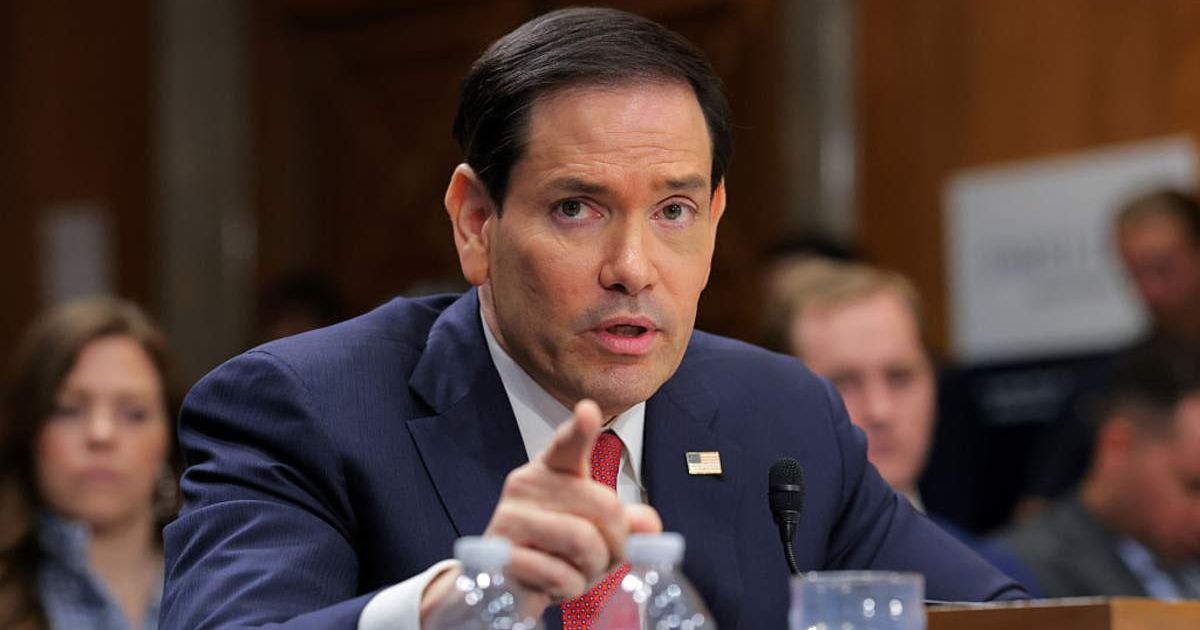
Secretary Rubio: The Lebanese and Israeli governments could reach a peace deal tomorrow. The impediment to peace in Lebanon is Hezbollah and its Iranian Terror Regime masters. pic.twitter.com/b4q2gpDMAt
— Israel War Room (@IsraelWarRoom) June 2, 2026
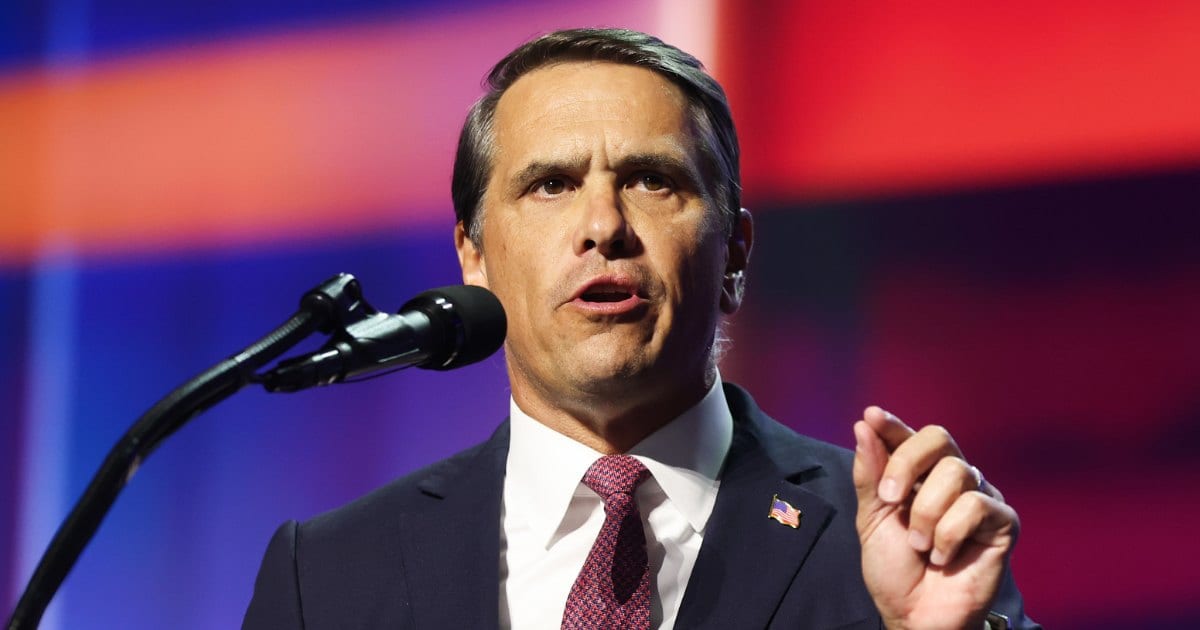
WASHINGTON, DC: Secretary of State Marco Rubio accused Iran of attempting to interfere with ongoing diplomatic efforts between Israel and Lebanon, arguing that Tehran is seeking to insert itself into negotiations so it can later claim credit for any eventual breakthrough.
The remarks came during testimony before the Senate Foreign Relations Committee as another round of US-mediated working-level talks between Israeli and Lebanese representatives began at the State Department.
Rubio said the Trump administration is deliberately treating the Israel-Lebanon track as separate from broader issues involving Iran, while warning that Tehran appears determined to blur those lines.
Iran accused of complicating negotiations
Speaking to lawmakers, Rubio said Iran is trying to prevent Israel and Lebanon from independently reaching an understanding.
"We are trying to view the Lebanon-Israeli talks as separate and distinct from Iran, and Iran wants to do is mix it all together," Rubio told the committee.
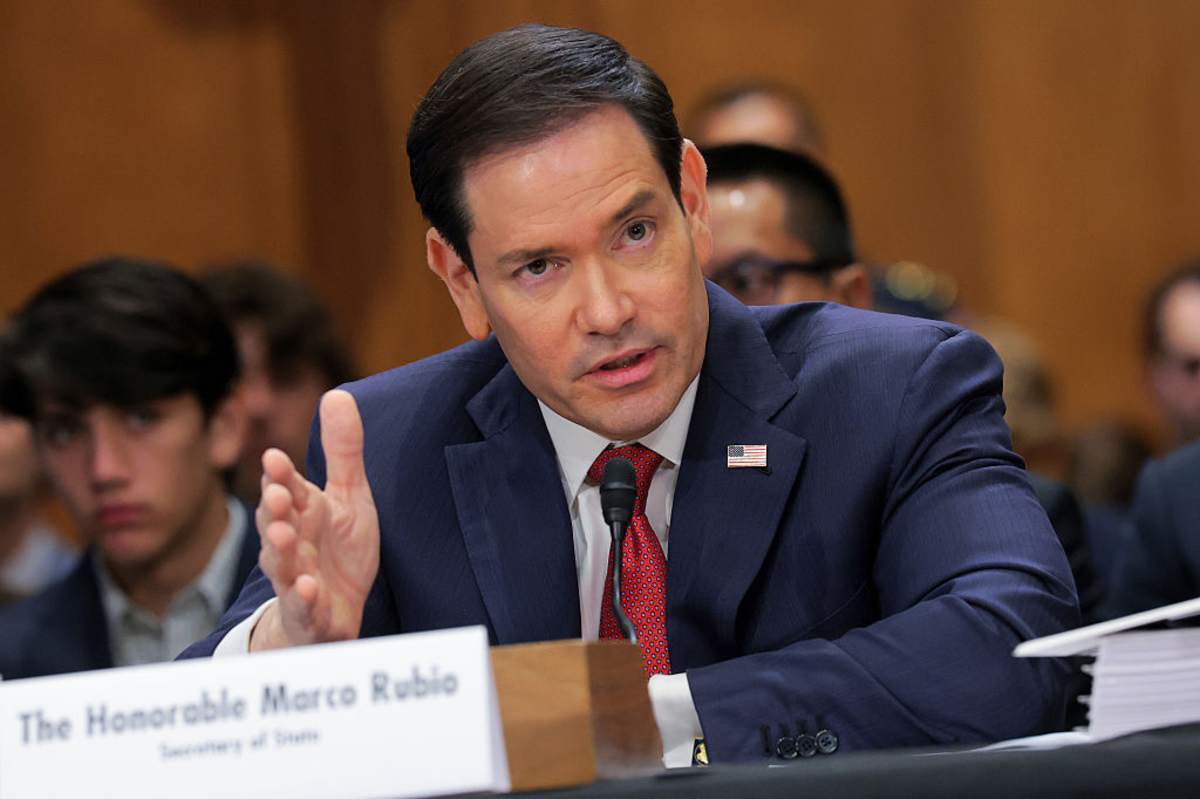
The secretary argued that Tehran is attempting to prolong negotiations and create obstacles that would allow it to later portray itself as a key player in any future agreement.
Iran is "trying to stymie any effort in which Israel and Lebanon can work together and prolong it, so that if an arrangement is reached at some point in the future, they can claim credit for having forced it through leverage," Rubio said.
The comments come as Washington continues to facilitate discussions aimed at reducing tensions between Israel and Lebanon, a process that has gained additional significance amid wider regional instability.
Hezbollah remains central challenge
Rubio also stressed that the United States recognizes the Lebanese government as its primary counterpart and does not view Hezbollah as an equal participant in determining the country's future.
"There’s a government in Lebanon" that the United States will engage with, Rubio said, adding that "Hezbollah is not their equal in terms of who we're going to be dealing with, or who needs to be in charge."
The secretary acknowledged that weakening Hezbollah's military influence while strengthening Lebanon's state institutions remains a major challenge.
U.S. Secretary of State Marco Rubio: There are elements within the Lebanese Armed Forces that are not who they need to be, because they have facilitated, in some cases, and cooperated with Hezbollah. pic.twitter.com/O1M9TzdRKP
— Beirut Wire (@beirutwire) June 2, 2026
He pointed specifically to concerns surrounding the capabilities of the Lebanese Armed Forces, saying they remain below the level required to fully address security concerns.
Rubio also claimed that some elements within the force have facilitated or cooperated with Hezbollah in certain instances.
"The capabilities of the LAF are not where they need to be, but there are also elements within the LAF that are not who they need to be, because they facilitate in some cases and cooperate with Hezbollah," he said.