Trump extends Jones Act waiver as Iran conflict sends global energy prices surging
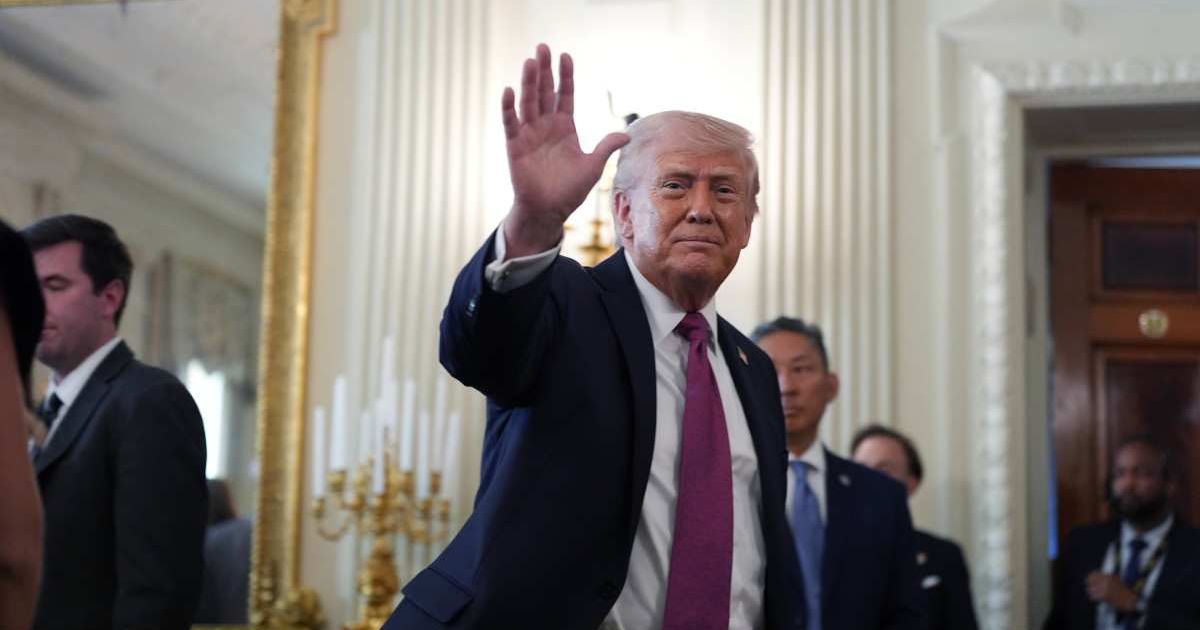
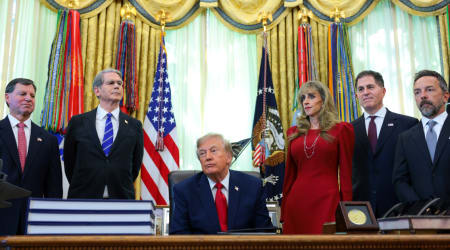
WASHINGTON, DC: President Donald J. Trump has issued a high-stakes 90-day extension to the Jones Act waiver, a sensational move designed to flood the American market with oil and gas as the 57-day war with Iran continues to batter global energy markets.
The President’s decision, announced late Friday, April 24, extends a 60-day reprieve first issued in March, effectively bypassing a century-old protectionist law that restricts domestic maritime commerce to US-built and US-flagged vessels.
The White House is framing the extension as a "tough stand" against the economic disarray triggered by the closure of the Strait of Hormuz.
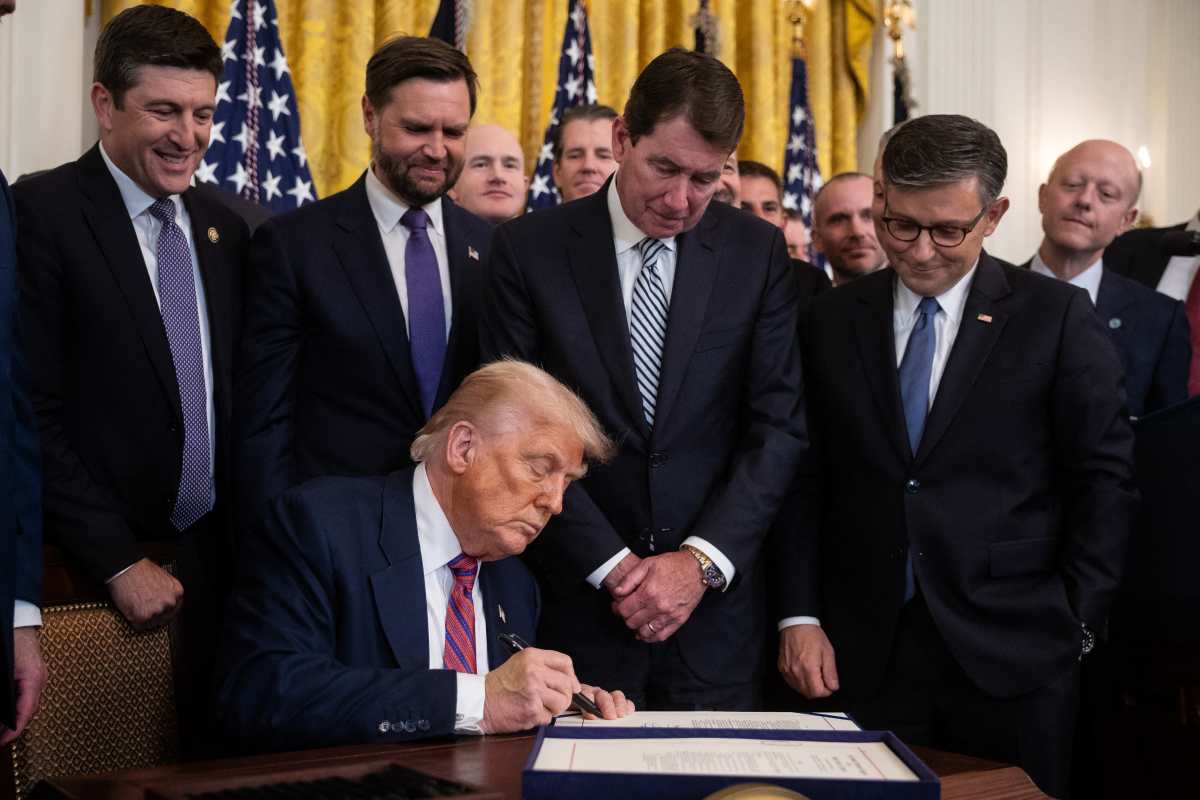
With the US Navy maintaining a total blockade of Iranian ports, global oil supplies have been severely disrupted, leading to a "partisan mudslide" of criticism regarding domestic gas prices.
By allowing foreign-flagged ships to transport vital commodities between US ports, the administration believes it can secure a "prosperous future" for the American consumer despite the ongoing conflict.
New data proves supply chains accelerated
White House officials pointed to fresh "discovery" data on Friday, asserting that the initial 60-day waiver was a massive success.
The administration argued that since the first waiver was granted in March, significantly more supplies were able to reach US ports at a much faster rate.
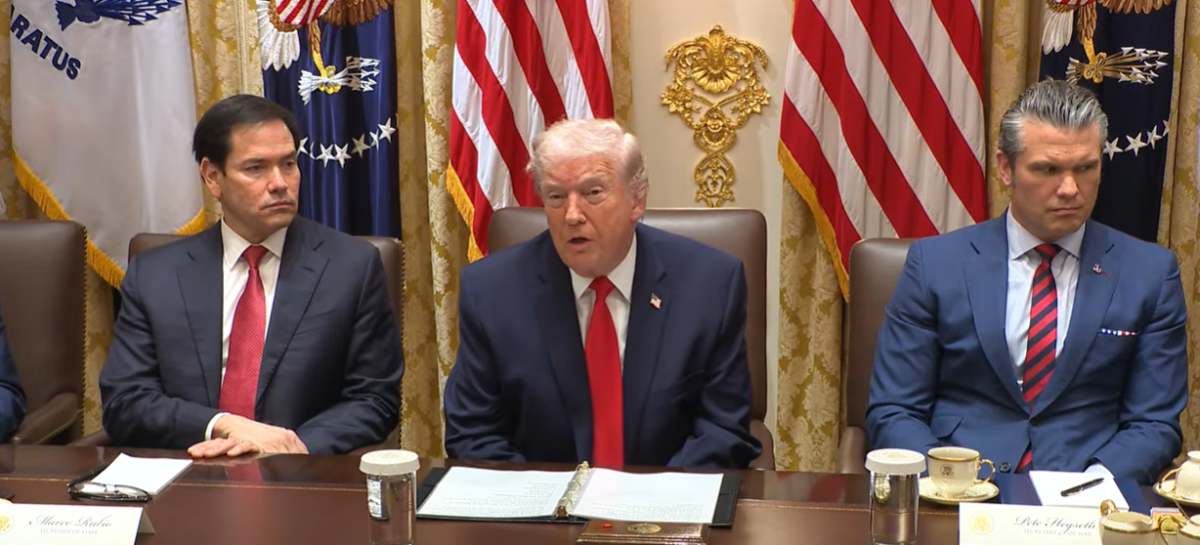 The White House maintains that the first waiver, issued in March, successfully activated the energy grid, forcing a 'transaction' of speed over traditional protectionism. (The White House/Youtube)
This "transaction" of speed for protectionism is seen as essential to mitigate the short-term disruptions caused by the war in the Middle East.
Taylor Rogers, the White House assistant press secretary, stated that the move provides both "certainty and stability" for a global economy currently in a state of absolute disarray.
The administration maintains that this extension is a "Full Court Press" to ensure that industrial materials and agricultural necessities, not just oil, reach their destinations without the "red flag" of maritime bottlenecks.
Waiver begins midnight on May 18th
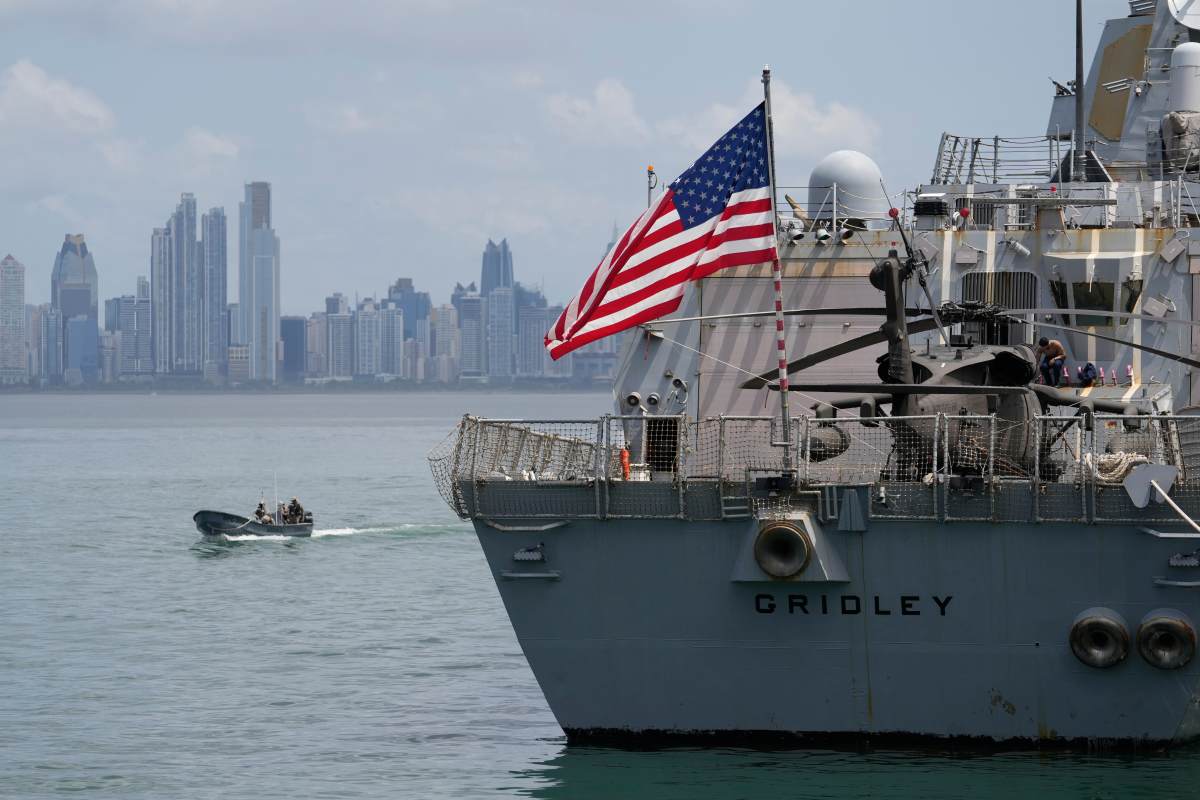
The new 90-day window is set to officially begin at 12:00 am ET on May 18, according to White House officials. This timing is critical, as it overlaps with the looming "war clock" deadlines and the second round of peace talks in Islamabad.
Critics of the move argue it undermines American shipbuilding, but the President’s team remains fixed on the "results" of the energy market.
For Trump, the extension is a "great negotiator" tactic: using every tool available to keep the US "safe again" from the inflationary pressures of the very war he owns.