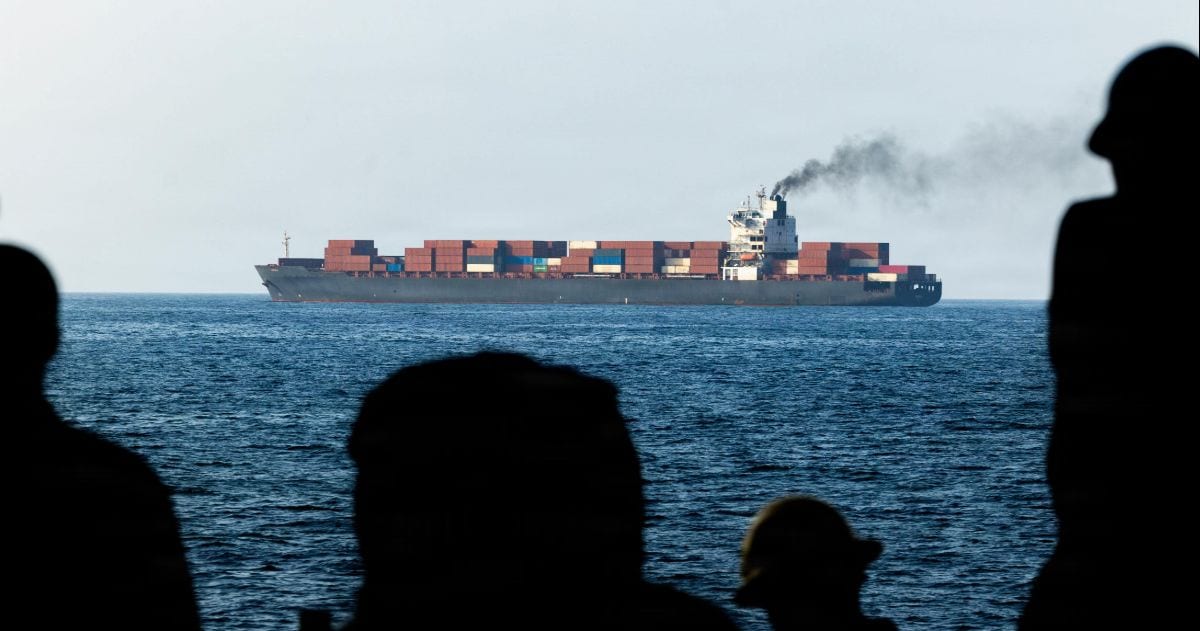
Iran strikes Gulf energy sites, fueling fears as Mideast tensions soar
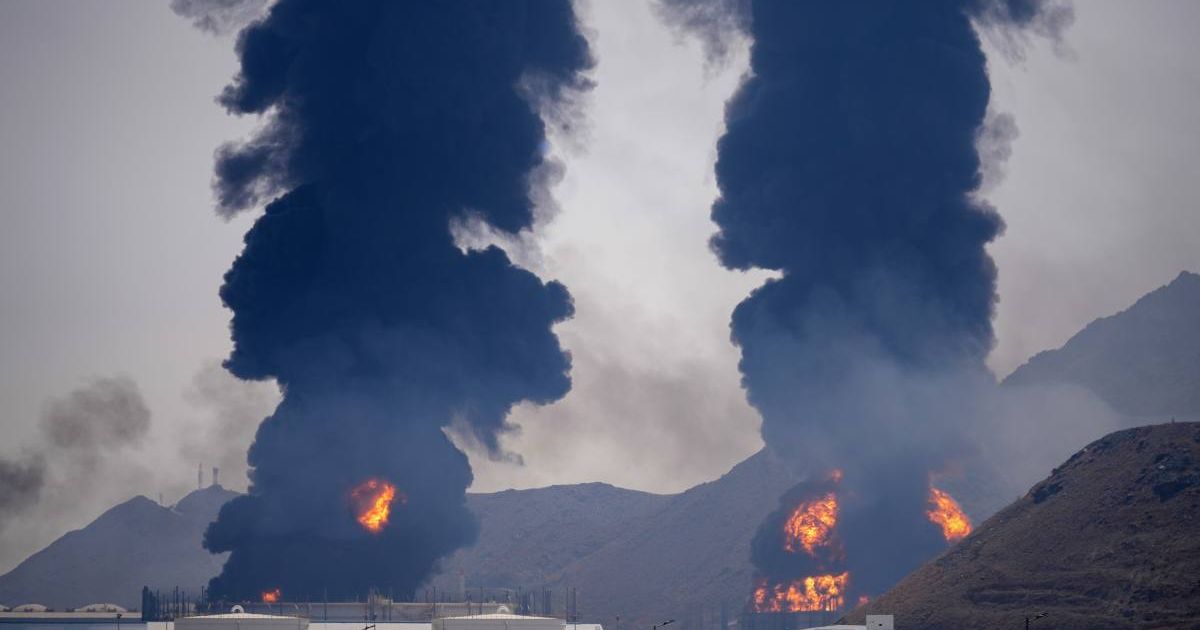
TEHRAN, IRAN: Iran’s Islamic Revolutionary Guard Corps (IRGC) said it targeted fuel and petrochemical facilities across Gulf nations, including Bahrain, Kuwait and the United Arab Emirates, according to state media.
The IRGC described the strikes as the “first phase” of its response to recent attacks inside Iran, including a strike on a petrochemical complex in Mahshahr and damage to a major bridge near Tehran, incidents Tehran attributes to US-Israel.
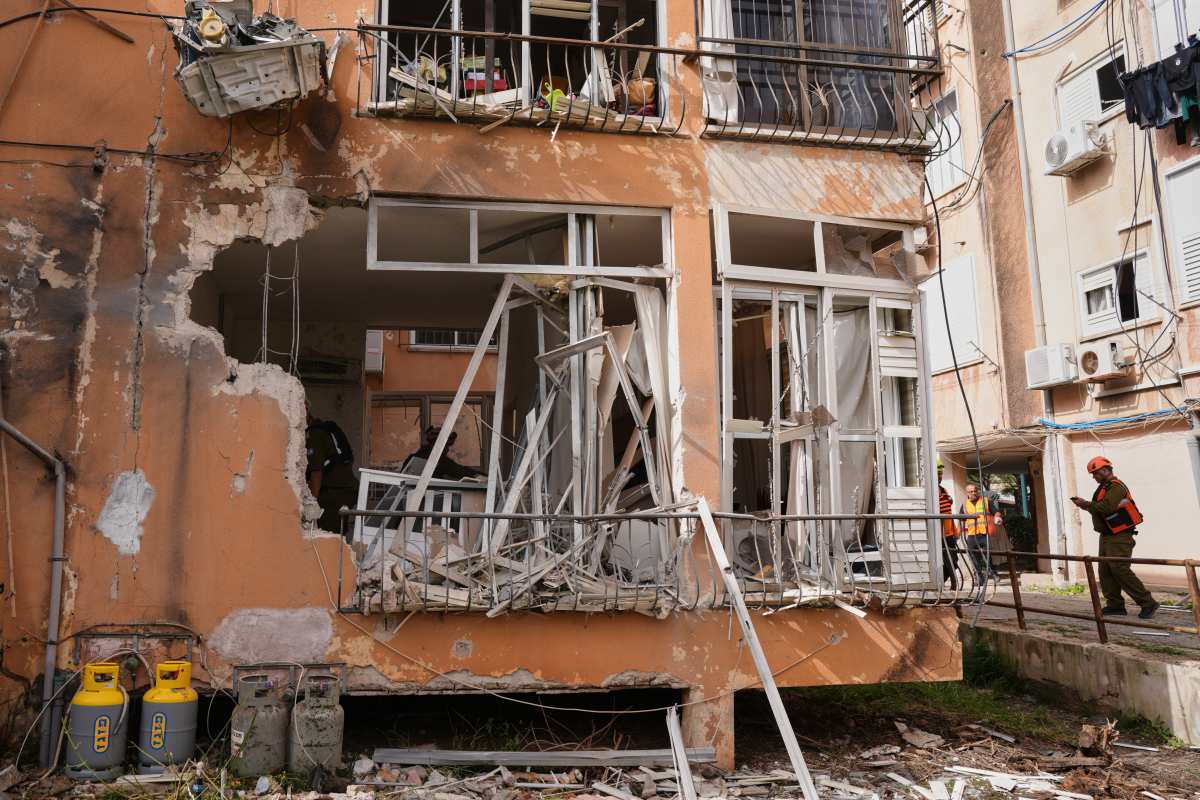
Claims of attacks on US-linked and Israeli assets
Iran said it struck American-linked energy infrastructure in the UAE, Bahrain and Kuwait, warning of further escalation if attacks on civilian sites continue. It also claimed to have targeted an oil refinery in Haifa, northern Israel.
Authorities in Abu Dhabi reported that debris from air defence interceptions caused three fires near a petrochemical facility. While no injuries were reported, the site sustained damage, according to officials.
Diplomatic talks focus on Hormuz passage
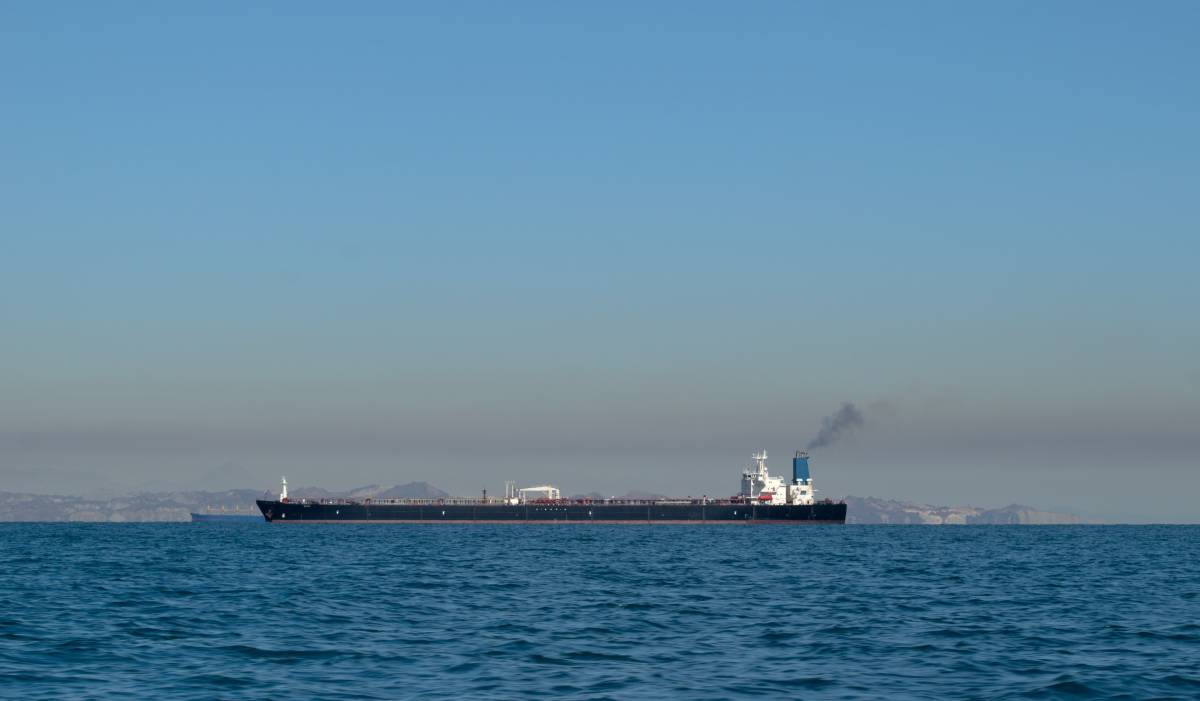
Amid rising tensions, officials from Iran and Oman met to explore options for ensuring the safe passage of vessels through the Strait of Hormuz, a critical global oil route.
Oman said both sides discussed proposals that would be studied further, while Iranian state media emphasised the “exclusive role” of the two countries as coastal stakeholders in managing the waterway.

Shipping disruptions ripple through global energy markets
The Strait of Hormuz, through which roughly a fifth of the world’s oil supply flows, has seen significant disruption following Iran’s retaliatory measures against US-Israeli strikes.
While Tehran has effectively restricted most traffic, some vessels, including ships linked to China, India, Pakistan and Turkey, have continued to pass after negotiations. More than 180 ships have transited the strait since the conflict began, though well below pre-conflict levels.
Iran is also seeking to formalise greater authority over the strait. Lawmakers have approved plans to impose tolls and assert what Tehran calls its “sovereign role” in managing maritime traffic.
The proposal, which challenges established international law, is among Iran’s key demands in efforts to end the ongoing conflict.