Trump demands end to ‘ridiculous’ ballroom lawsuit after WHCD shooting
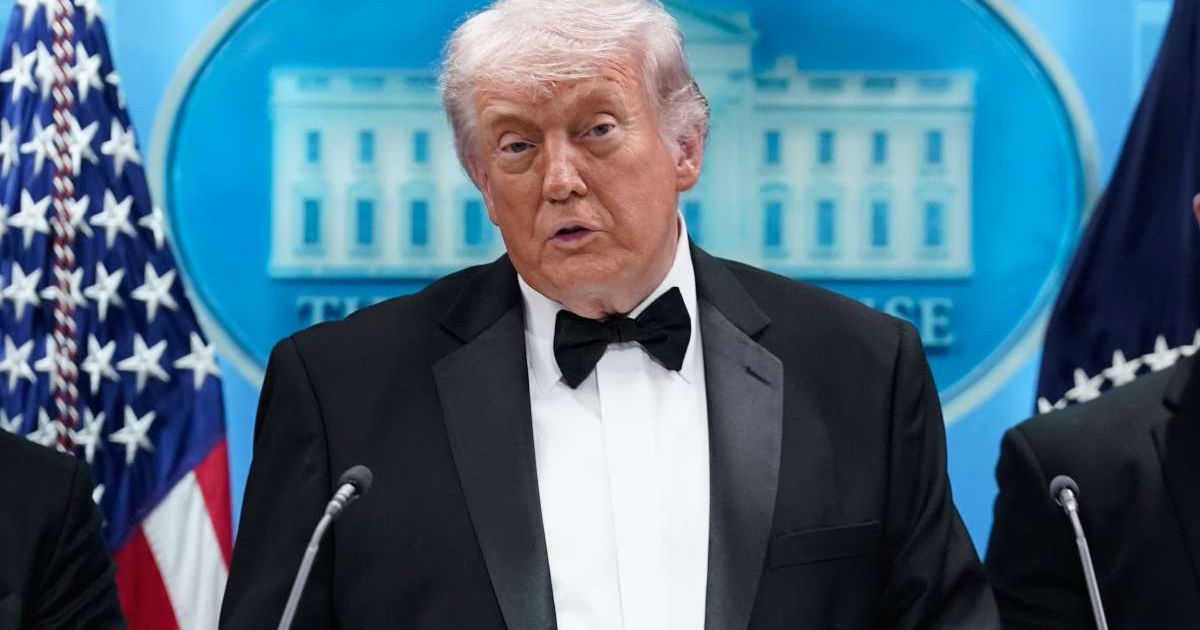
WASHINGTON, DC: President Donald J. Trump on Sunday, April 26, defended the construction of a new White House State Ballroom, framing the $400 million project as a security-driven necessity following a shooting incident near the Washington Hilton during the White House Correspondents’ Dinner.
In a Truth Social post, Trump said the incident underscores why presidents have long sought a secure, on-site venue within the White House complex.
President Trump posts on TruthSocial: What happened last night is exactly the reason that our great Military, Secret Service, Law Enforcement and, for different reasons, every President for the last 150 years, have been DEMANDING that a large, safe, and secure Ballroom be built… pic.twitter.com/y4kuh8VZ8f
— Donald J Trump Posts TruthSocial (@TruthTrumpPost) April 26, 2026
The planned 90,000-square-foot expansion, set to replace the existing East Wing structure, has faced legal challenges, including litigation from the National Trust for Historic Preservation and a separate lawsuit from a private individual.
Trump criticized the latter case, stating the plaintiff has “absolutely No Standing,” and called for the suit to be dismissed, noting the project is “on budget and substantially ahead of schedule.”
Military-grade security features for new ballroom
Trump described the proposed ballroom as a high-security facility rather than a traditional event space.
According to administration officials, the design includes a reinforced roof described as “droneproof,” along with upgraded air-handling systems and structural safeguards intended to reduce vulnerabilities.
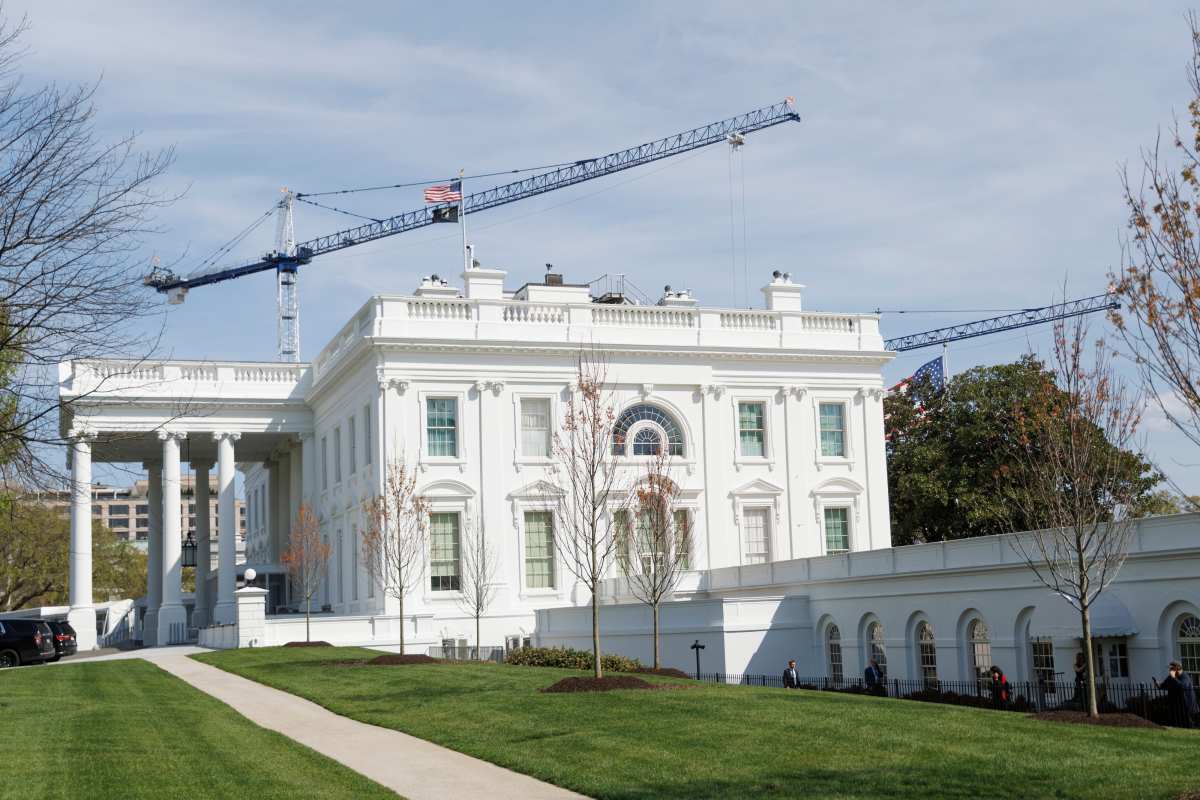
Officials have pointed to concerns over external venues, including risks linked to multi-level hotel structures and unsecured access points.
The White House has stated that the ballroom’s design removes such risks by keeping all major events within a controlled perimeter.
Deputy Secret Service Director Matthew Quinn has previously told lawmakers that an unfinished or delayed project could present operational challenges.
The administration has said private donations are being used for design and aesthetic elements, while federal funds are allocated toward security infrastructure.
Federal Appeals Court allows construction to proceed
Construction received a boost last week when the US Court of Appeals for the District of Columbia Circuit temporarily paused a lower court order that had blocked above-ground work.
The decision allows building activity to continue while legal proceedings move forward.
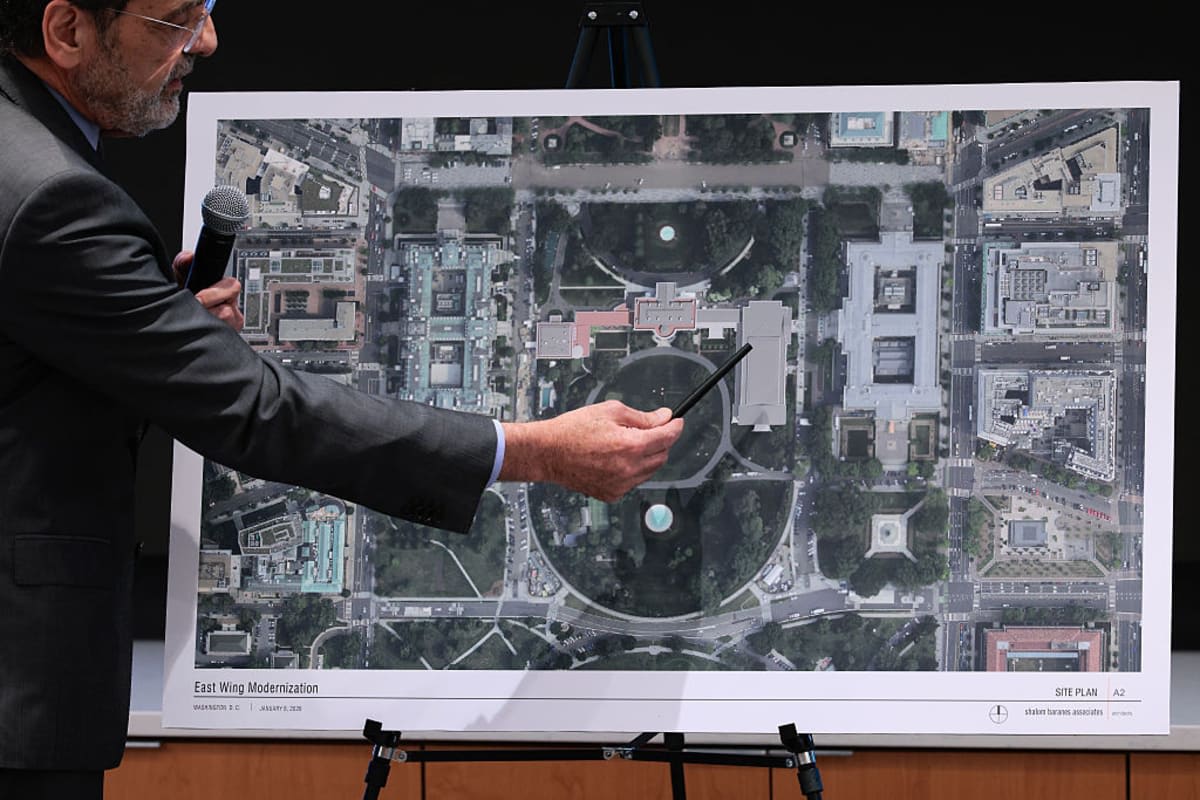
The dispute has centered in part on the removal of the existing East Wing structure.
Preservation groups have raised concerns about historical impact, while the administration has cited structural issues, including sinkholes and asbestos, as factors behind the redevelopment.
White House officials have also pointed to additional planned features, including underground protective spaces and medical support areas, as part of the broader security framework tied to the project.
Correspondents’ Dinner shooting provides new leverage
The debate intensified after a shooting near a security checkpoint at the Washington Hilton during Saturday’s Correspondents’ Dinner.
Authorities identified the suspect as 31-year-old Cole Tomas Allen, who was taken into custody after an exchange of fire with Secret Service personnel.
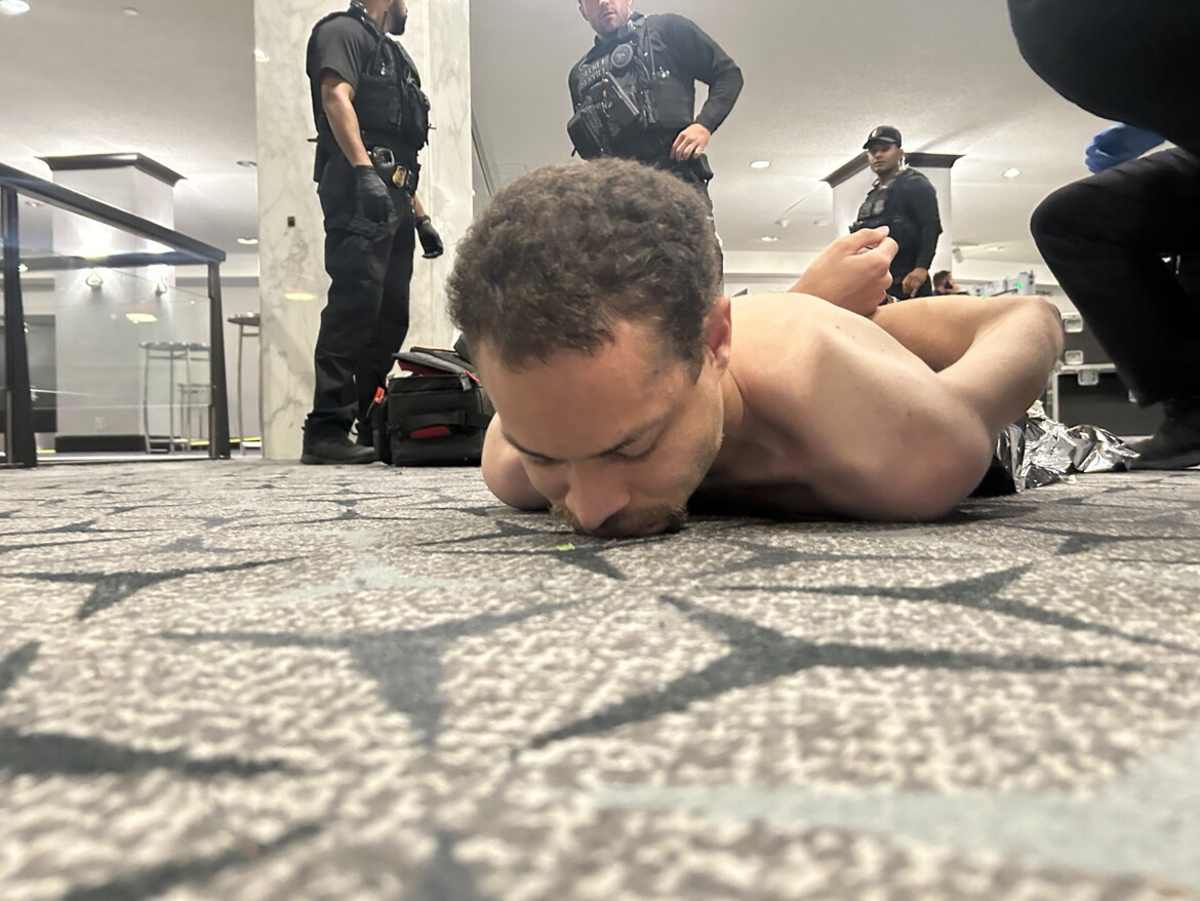
Trump referenced the incident in his remarks, stating the venue was “not a particularly secure building” compared to the proposed White House facility.
He praised the Secret Service response and said the new ballroom is intended to prevent similar risks at future high-profile events.
A key hearing in the case is scheduled for June 5, where a permanent ruling on the project’s legal challenges is expected to be considered.
In the meantime, the administration has indicated it will continue construction under the appeals court’s order, as planning continues for future official events within the White House grounds.