Secret Service Deputy Chief Matthew Quinn warns DHS shutdown will halt 'generational change'
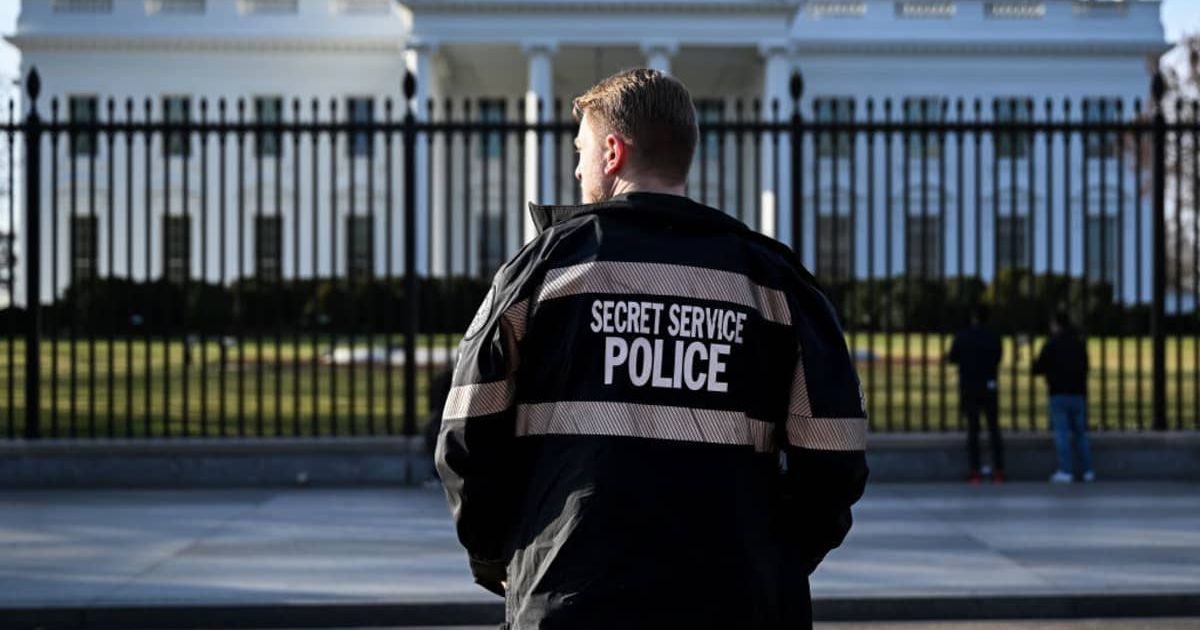
WASHINGTON, DC: A potential shutdown of the Department of Homeland Security (DHS) could delay major reform efforts within the US Secret Service, a senior agency official told lawmakers on Wednesday, February 11.
Deputy Director Matthew Quinn said that while the agency’s core protective and investigative missions would continue during a funding lapse, modernization initiatives would likely be suspended.
The warning came as Congress faced a deadline to pass a funding measure to keep the DHS operational. Lawmakers remained divided over immigration policy and agency reforms, raising the risk of a partial shutdown.
Secret Service warns of reform delays amid shutdown threat
Testifying before Congress, Quinn outlined a series of reforms currently underway at the Secret Service.
These included improvements to training programs, expanded drone capabilities, strengthened hiring and retention strategies, upgraded communications infrastructure and broader technological investments aimed at enhancing proactive threat detection.

“We are on the cusp of implementing generational change for our agency. A shutdown halts our reform efforts and undermines the momentum we, including all of you, have worked so hard to build together,” Quinn said.
“The impacts may not be seen tomorrow, but I assure you, we will feel the ripple effects for some time,” he added.

Quinn said that the agency hadworked to address deficiencies identified in recent assessments, including those highlighted after President Trump was shot and wounded during a campaign event in Butler, Pa.
He cautioned that a funding lapse would interrupt hiring pipelines and stall new initiatives critical to long-term improvement.
“Our agency has been working diligently to address needed reforms,” he added. “Many of these efforts stop with a shutdown. Special agents and officers critical to our future are not hired, or their hiring is postponed due to mission support personnel being furloughed and funding constraints."
"New programs are paused, and our efforts to train, equip and deploy the best and brightest lag,” he added.
FEMA official warns shutdown threatens emergency coordination
Officials from other DHS components also detailed potential impacts.
Gregg Phillips, associate administrator of FEMA’s Office of Response and Recovery, warned that a shutdown could affect coordination and public confidence during emergencies.
"A government shutdown will erode public trust in the federal government’s ability to respond to emergencies," he stated.
"Even though emergency response activities will continue during a shutdown, communities may feel vulnerable and unsupported during critical times, which could have lasting effects on public confidence and resilience," Phillips added.
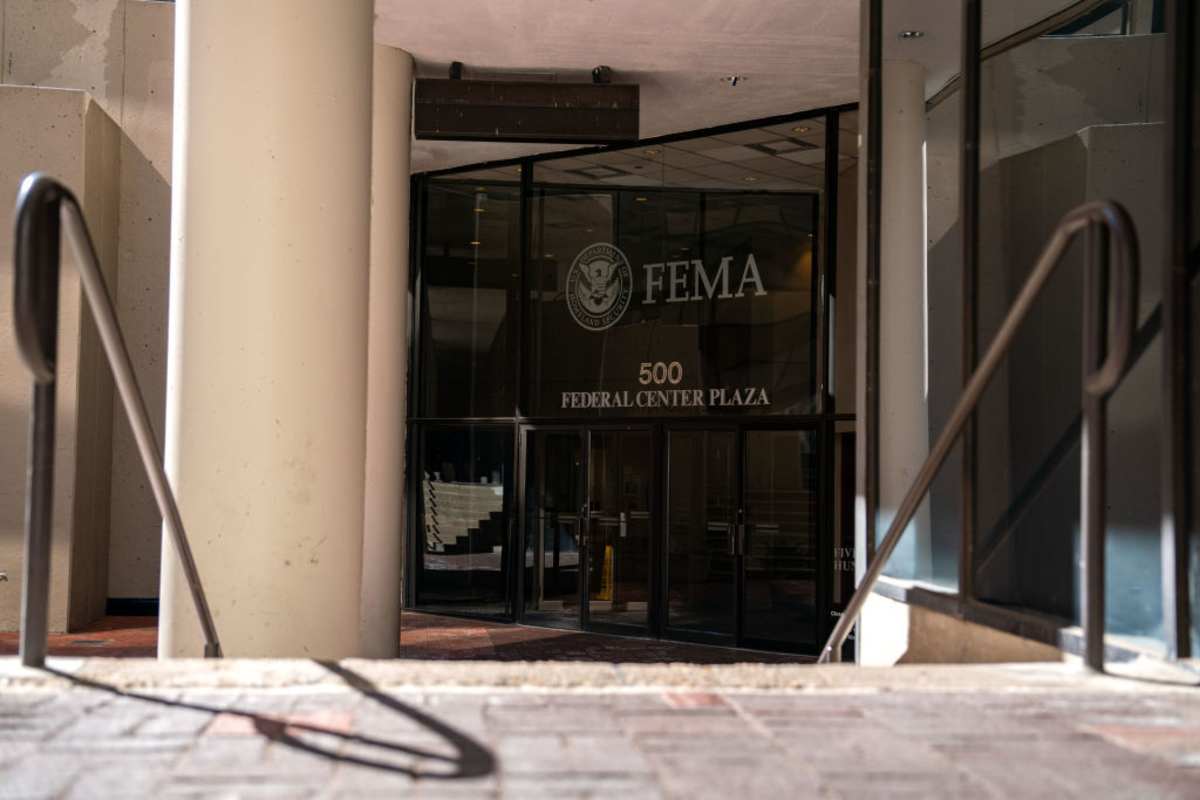
He added that furloughs would hamper FEMA’s ability “to coordinate effectively with state, local, tribal, and territorial partners.”
“This will hinder communication, planning, and joint operations, affecting disaster relief outcomes and complicating recovery efforts,” he said. “Crippling FEMA’s central operations and recovery-related work will come at the expense of the American people.”
Phillips also warned that a funding delay “could undermine our readiness for major incidents, including t*******m or large-scale disasters, by disrupting critical preparedness and response activities.”
Senate Democrats threaten to block short-term funding bill
The funding standoff intensified after Senate Democratic Leader Chuck Schumer (NY) announced that Senate Democrats would block another short-term continuing resolution to keep DHS operating beyond Friday.
He argued that the Republicans had not sufficiently addressed Democratic demands to overhaul Immigration and Customs Enforcement (ICE).
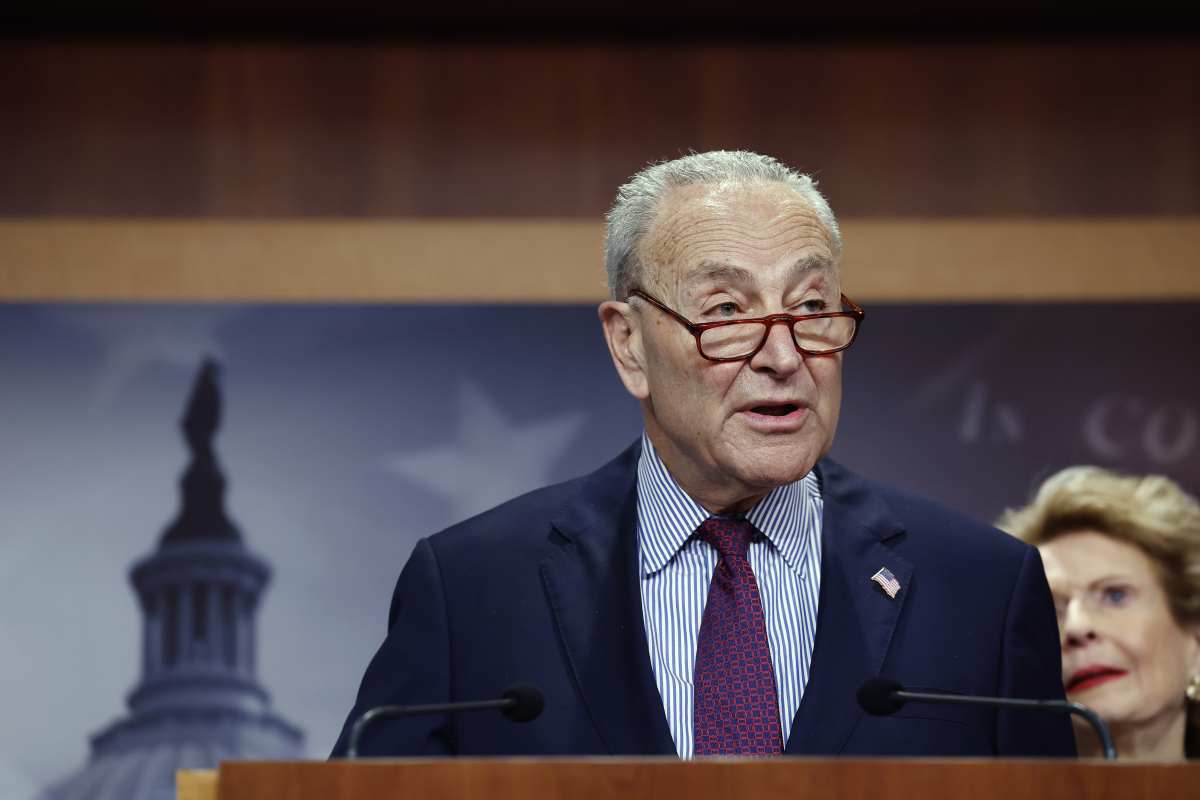
“We’re 3 days away from a DHS shutdown, and Republicans have not gotten serious about negotiating a solution that reins in ICE and stops the violence. Democrats will not support a CR to extend the status quo,” Schumer wrote on social media, referring to the continuing resolution Congress must pass by Friday to avoid a shutdown.