'We will use force': US puts defiant ships on notice in Hormuz as Iran ceasefire frays
WASHINGTON, DC: The United States has warned it will use force against any vessels defying its naval blockade in the Strait of Hormuz, even as a fragile ceasefire with Iran enters its second week.
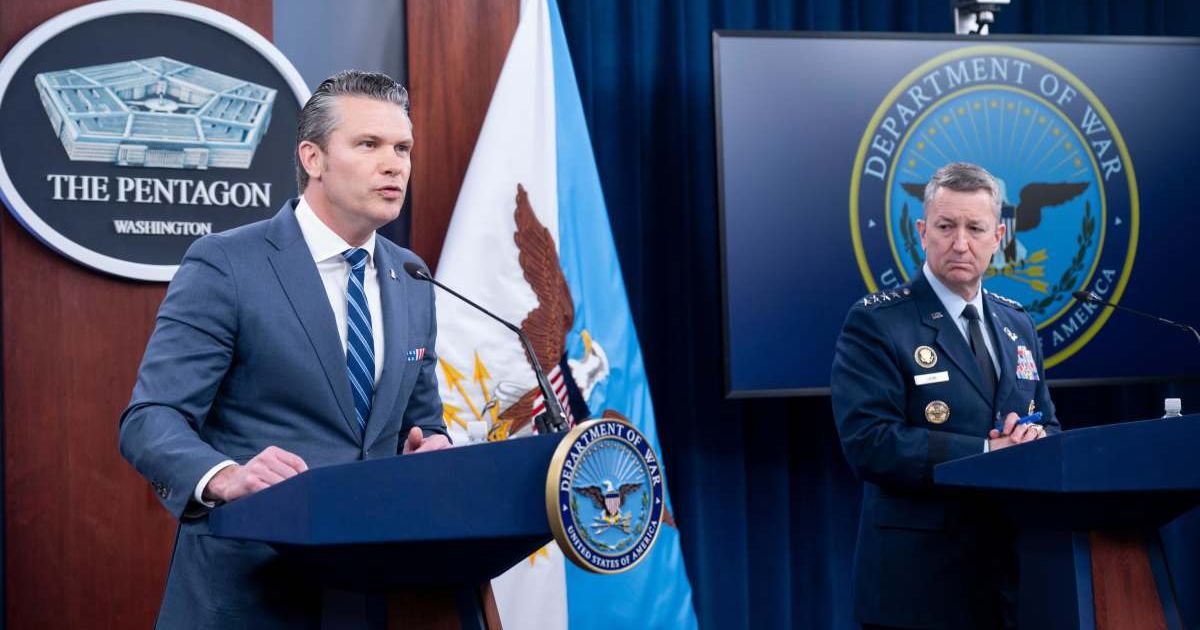
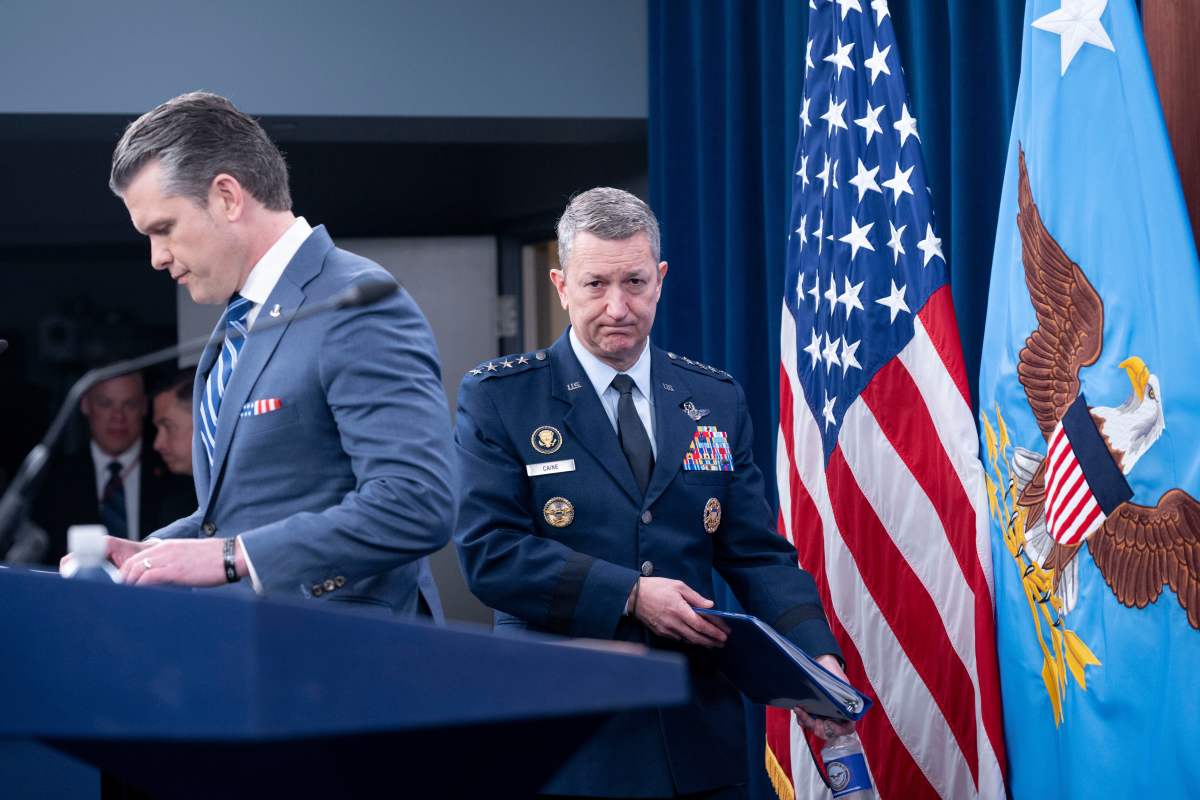
Chairman of the Joint Chiefs of Staff Gen Dan Caine issued the blunt warning during a news conference on Thursday, April 16, saying, “If you do not comply with the blockade, we will use force.”
Defense Secretary Pete Hegseth reinforced the message, stating that US forces remain fully prepared to escalate if required.
Military ready for rapid escalation
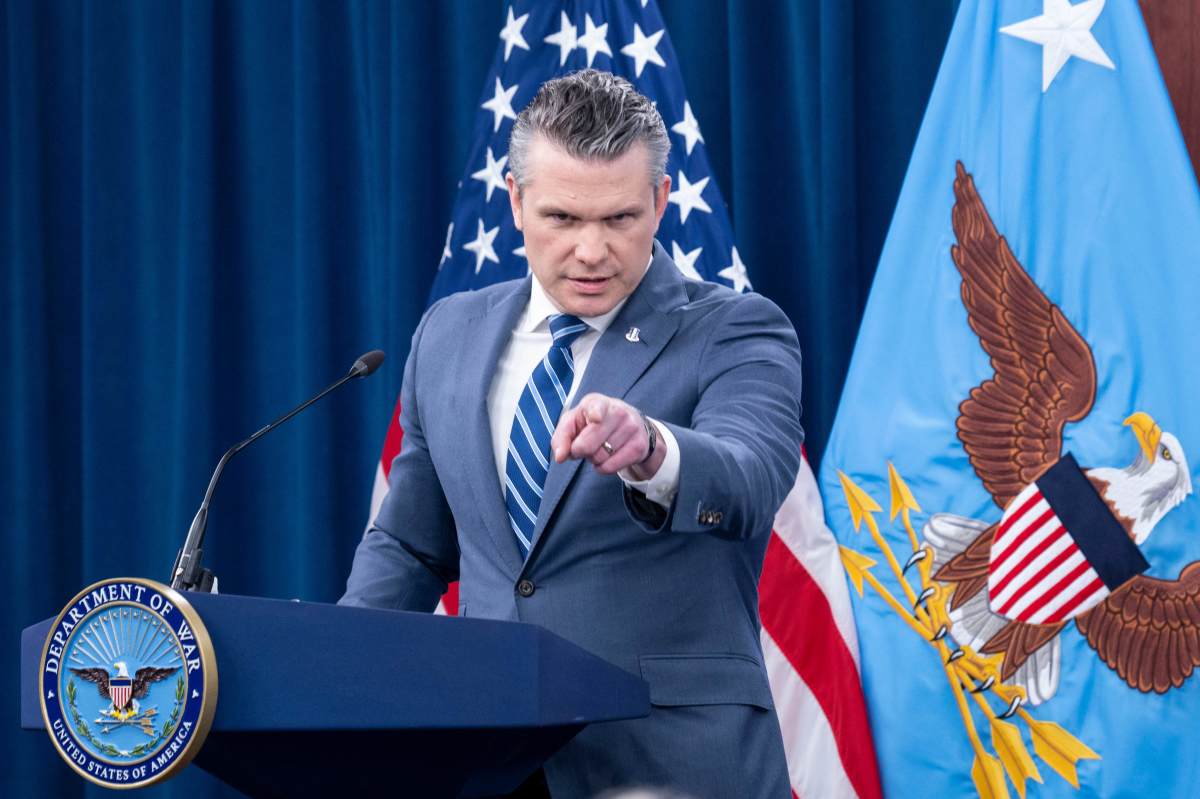
Hegseth described the blockade as “successful” and said the military could swiftly transition back to full-scale combat operations if tensions rise again.
“At the direction of President Donald Trump, the War Department will ensure that Iran never has a nuclear weapon,” Hegseth said, adding that Washington prefers a diplomatic resolution but remains prepared for a military option.
Caine echoed the stance, noting that US joint forces are “postured and ready to resume major combat operations at literally a moment’s notice.”
Ships turn back amid enforcement
According to Caine, at least 13 ships have already turned around rather than challenge the blockade, which applies to all vessels heading to or from Iranian ports regardless of nationality.
So far, US Central Command (CENTCOM) has not boarded any ships, indicating compliance has largely been voluntary under the threat of force.
The blockade, enforced in the Gulf of Oman just outside the Strait of Hormuz, comes as Iran attempts to assert control over the critical waterway, which typically carries about one-fifth of global oil shipments.
Iran has responded with sharp rhetoric, threatening to target American vessels and potentially disrupt traffic in other key waterways, including the Red Sea.
Shipping activity through the Strait of Hormuz remains significantly below pre-war levels despite the ceasefire, reflecting ongoing uncertainty and risk.
Ceasefire talks show limited progress
The developments come just over a week into a two-week ceasefire aimed at creating space for negotiations to end the conflict.
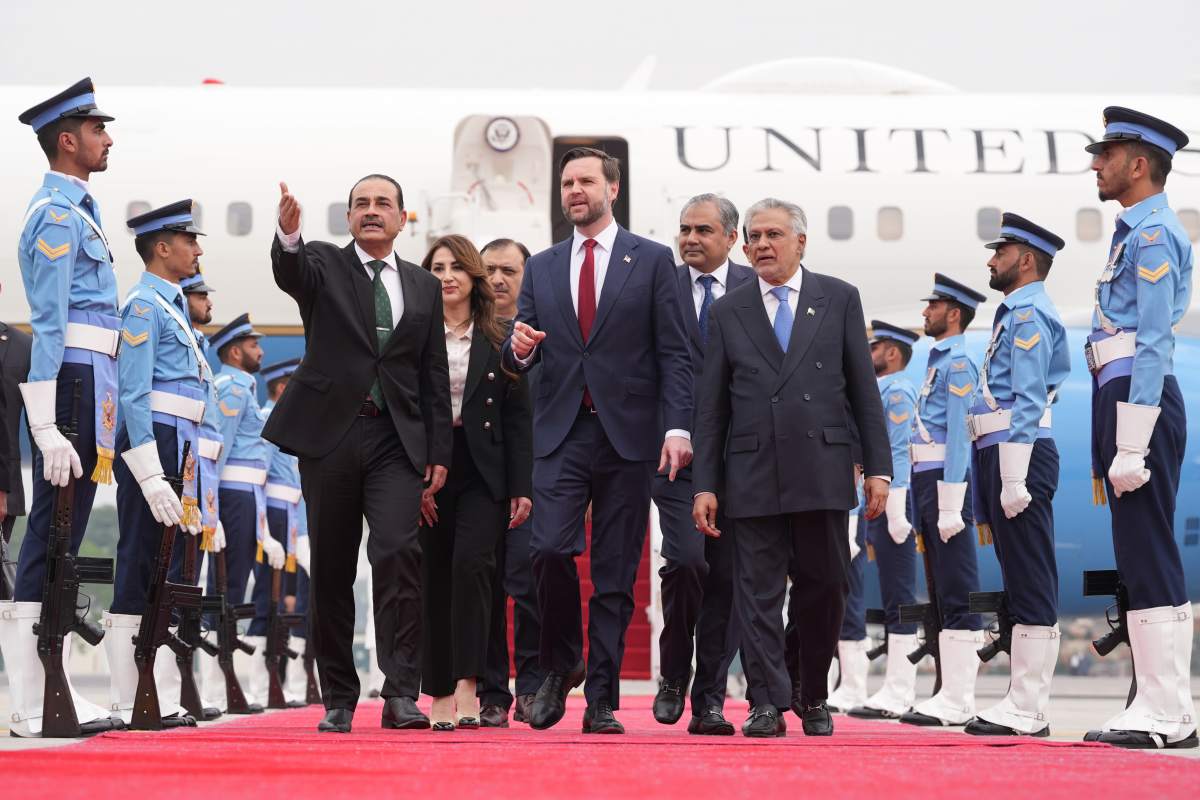
Talks between US and Iranian officials in Pakistan last weekend failed to produce a breakthrough, with major disagreements persisting over Tehran’s nuclear program.
However, President Trump has indicated that another round of discussions could take place soon.
Trump signals optimism and criticizes NATO
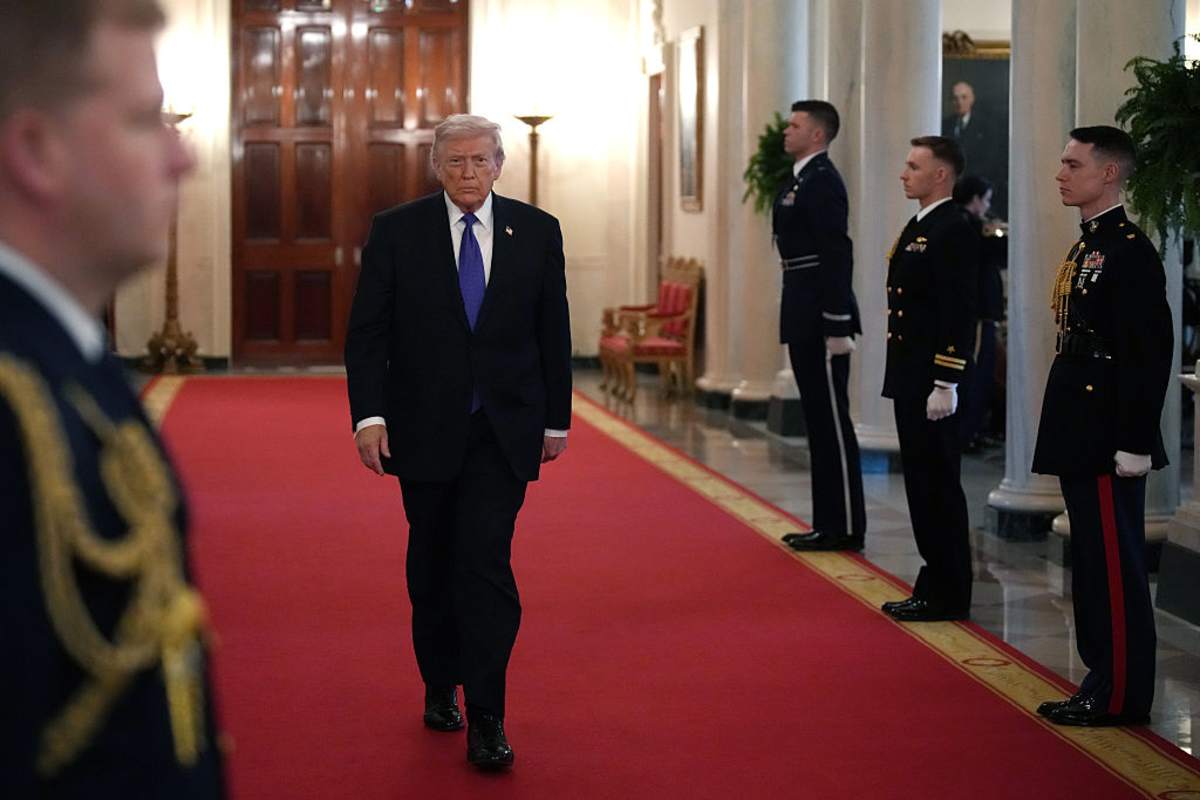
Despite the tensions, Trump has struck an optimistic tone, saying the conflict is “very close to over” and hinting at renewed diplomatic engagement.
At the same time, he has criticized NATO for its lack of involvement in the conflict, even raising the possibility of the US reconsidering its role in the alliance.
As the ceasefire deadline approaches, uncertainty remains over whether diplomacy will prevail or the region will slide back into open conflict.