Bessent gambles '$3 gas' on Hormuz deal as Gulf allies pledge oil surge by summer
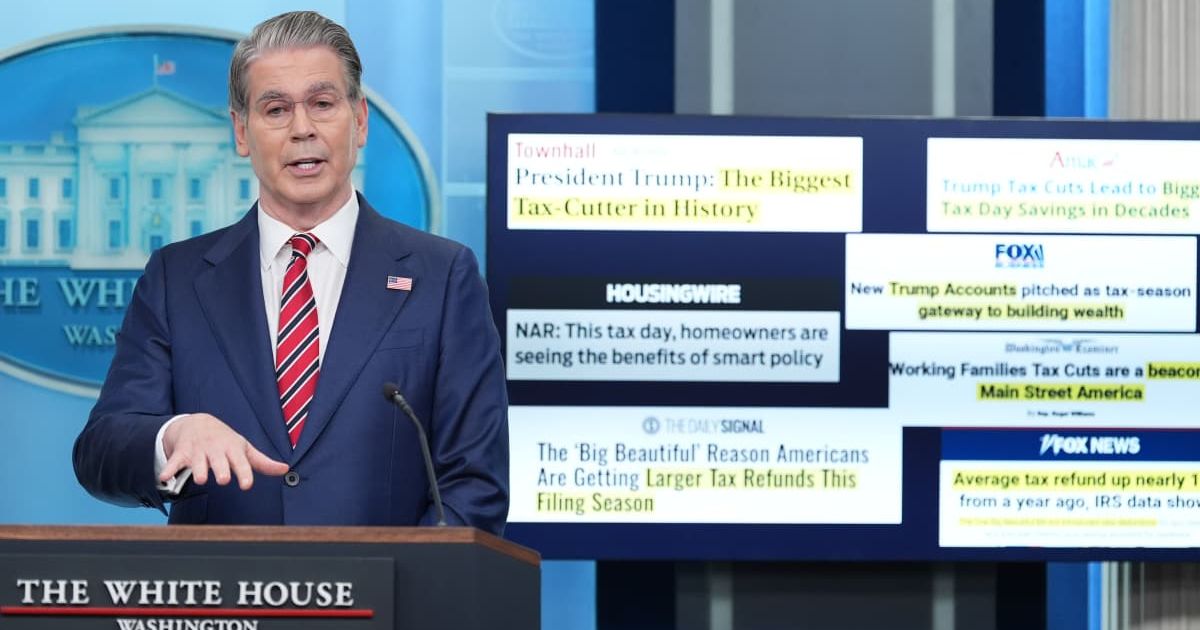
WASHINGTON, DC: Treasury Secretary Scott Bessent on Wednesday, April 15, said the administration expects gasoline prices to ease in the coming months, projecting a possible return to around $3 per gallon during the summer if current geopolitical conditions improve.
Speaking during a White House briefing, Bessent said he is “optimistic” that prices could move toward that level between late June and late September.
Bessent: I'm optimistic that during the summer we will see gas with a 3 in front of it… pic.twitter.com/p1Gl2Y26Yb
— Acyn (@Acyn) April 15, 2026
The outlook is closely tied to ongoing negotiations related to the conflict involving Iran and the broader stability of global energy markets.
Officials say progress in talks and the reopening of key shipping routes could play a decisive role in easing supply pressures that have driven recent price increases.
Scott Bessent says Middle East can boost oil output quickly
Bessent said the administration has been in discussions with energy-producing nations in the Middle East, adding that several countries have indicated they could increase output quickly if conditions stabilize.
“I’ve been meeting with a lot of my Middle Eastern counterparts, the finance ministers,” he said, noting that production could ramp up within a short timeframe once shipping lanes are fully operational.
🇺🇸 Treasury Secretary Scott Bessent says he's "optimistic that during the summer, we will see gas with a three in front of it."
— Bitcoin.com News (@BitcoinNews) April 15, 2026
🛳️🛢️ Bessent cited talks with Middle Eastern finance ministers who said they can resume pumping within a week once the Straits of Hormuz fully reopen. pic.twitter.com/82zogTfWEL
The Strait of Hormuz remains a central factor in global oil supply, with disruptions in the region contributing to volatility in recent weeks. Increased production from regional partners could help offset supply constraints and stabilize pricing if exports resume at normal levels.
Officials say these commitments are part of broader contingency planning aimed at ensuring sufficient supply during peak summer demand, when fuel consumption typically rises.
Washington puts gas stations on notice
While wholesale oil prices have shown signs of softening, Bessent said retail gasoline prices have not adjusted at the same pace. He warned that the administration is monitoring pricing behavior among fuel retailers.
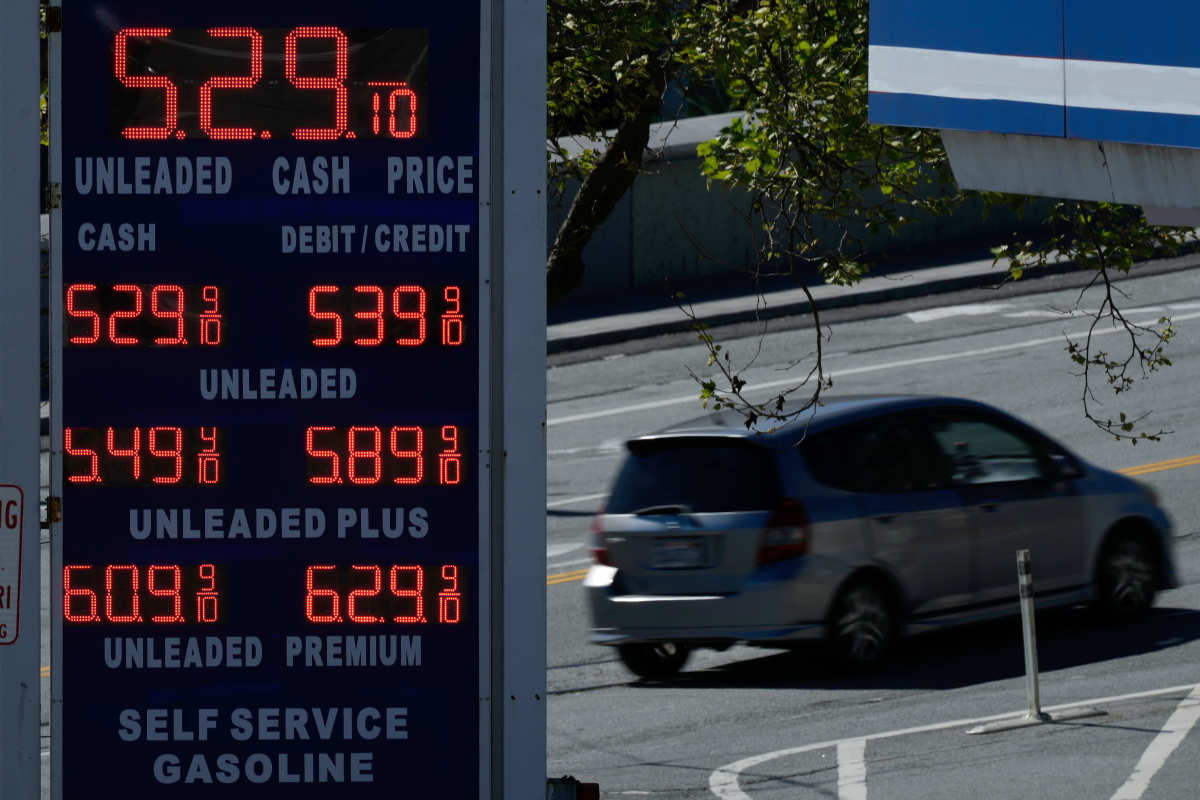
“We will be watching the gas stations,” Bessent said, pointing to what he described as a lag between falling crude prices and prices at the pump.
He noted that prices increased rapidly during earlier phases of the crisis and said consumers should see comparable responsiveness as market conditions shift.
The administration has not announced formal enforcement measures but indicated that federal agencies are reviewing pricing trends to ensure compliance with existing consumer protection laws.
Blockade success fuels summer price drop
Bessent linked the potential decline in gasoline prices to broader US actions in the region, including maritime enforcement measures that have affected Iranian oil exports.
Analysts tracking energy flows report that disruptions to exports have altered supply dynamics, contributing to both volatility and downward pressure on crude prices in recent days.
The Treasury secretary said continued progress in negotiations could lead to a more stable supply environment, which in turn would influence fuel prices domestically. “If the situation stabilizes, you’ll see that reflected at the pump,” Bessent said.
With the April 21 ceasefire deadline approaching, officials say energy markets will remain sensitive to developments in both diplomacy and enforcement.
The administration maintains that its strategy is aimed at restoring stability while managing domestic economic impacts tied to fuel costs.