Trump team eyes historic Iran surrender as blockade strangulates Kharg Island oil exports
WASHINGTON, DC: The United States and Iran are moving closer to a potential framework agreement to end the conflict that began on February 28, with US officials confirming progress in high-level talks on Tuesday, April 14.
With the April 21 ceasefire deadline approaching, negotiations have intensified through both direct and indirect channels involving mediators from Pakistan, Egypt, and Turkey.
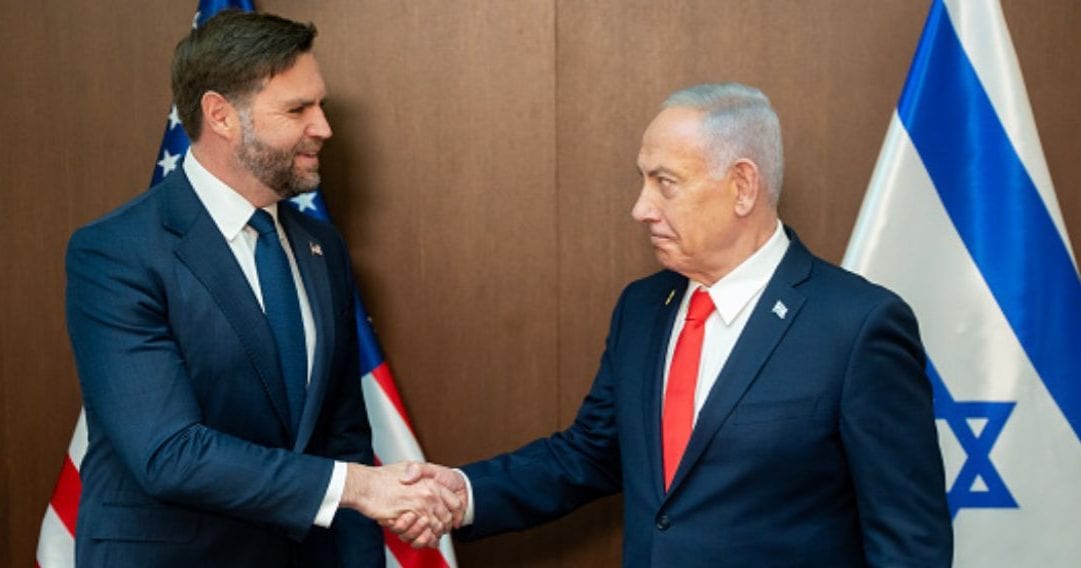
A US delegation that includes Vice President JD Vance, special envoy Steve Witkoff, and senior adviser Jared Kushner has been engaged in sustained diplomatic outreach.
Officials familiar with the talks say key areas of disagreement remain, but discussions have narrowed on several core issues tied to nuclear activity and economic restrictions.

The diplomatic push comes alongside continued military and economic pressure, including a naval blockade in the Strait of Hormuz that US officials say has significantly disrupted Iranian exports.
JD Vance says negotiations with Iran show positive signs
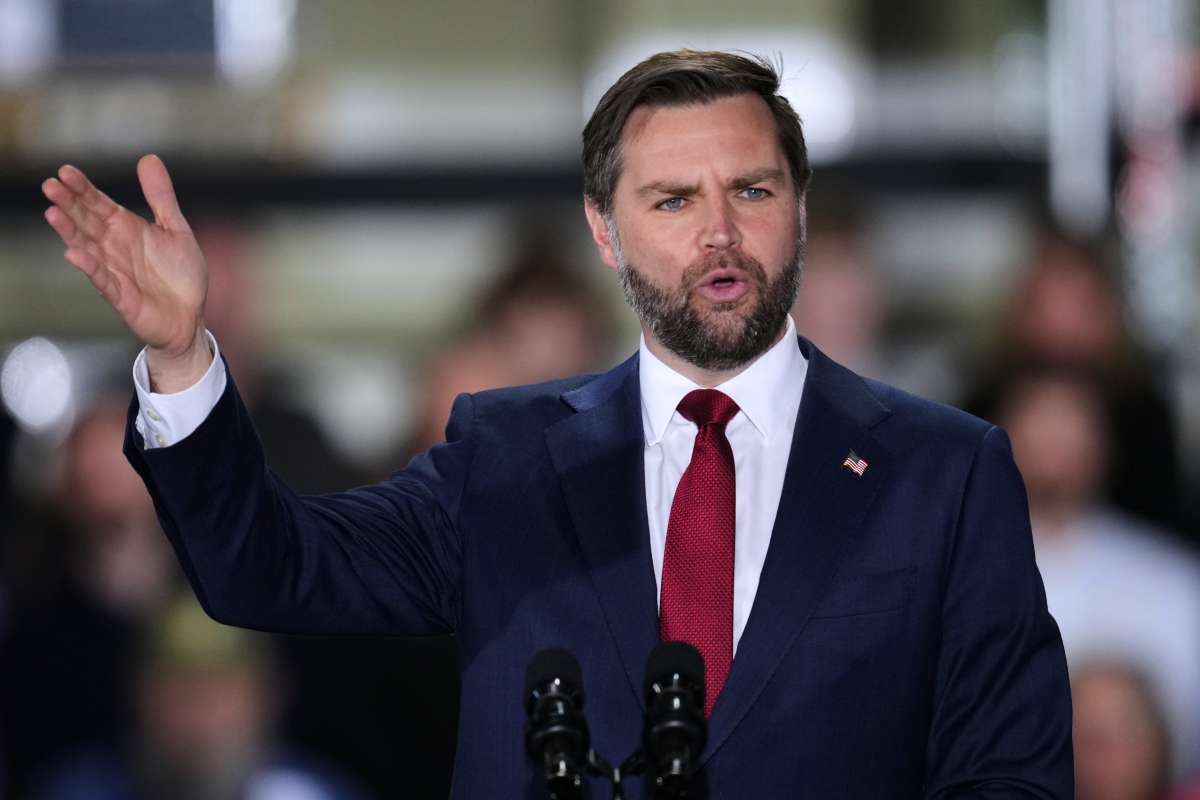
Vice President JD Vance indicated cautious optimism about the direction of talks during remarks at a Turning Point USA event in Georgia.
“I think the people we’re sitting across from wanted to make a deal… I feel very good about where we are,” Vance said, suggesting that engagement with Iranian negotiators has been constructive.
While US officials have not confirmed direct negotiations with Iran’s top leadership, they say discussions with intermediaries and representatives linked to various factions within Tehran are ongoing.
The next phase is expected to involve additional in-person talks, with Pakistan playing a key role in facilitating communication.
Pakistani officials, including Army Chief Field Marshal Asim Munir, have reportedly been engaged in shuttle diplomacy aimed at narrowing final differences.
However, US officials caution that internal consensus within Iran remains a critical hurdle before any agreement can be finalized.
US says naval blockade cut Iran oil exports sharply
US officials say the naval blockade has had a significant impact on Iran’s oil exports, which are a major source of government revenue.
Prior to the blockade, Iran was exporting an estimated 1.5 million barrels per day. Analysts tracking maritime activity report a sharp decline in shipments since enforcement began.
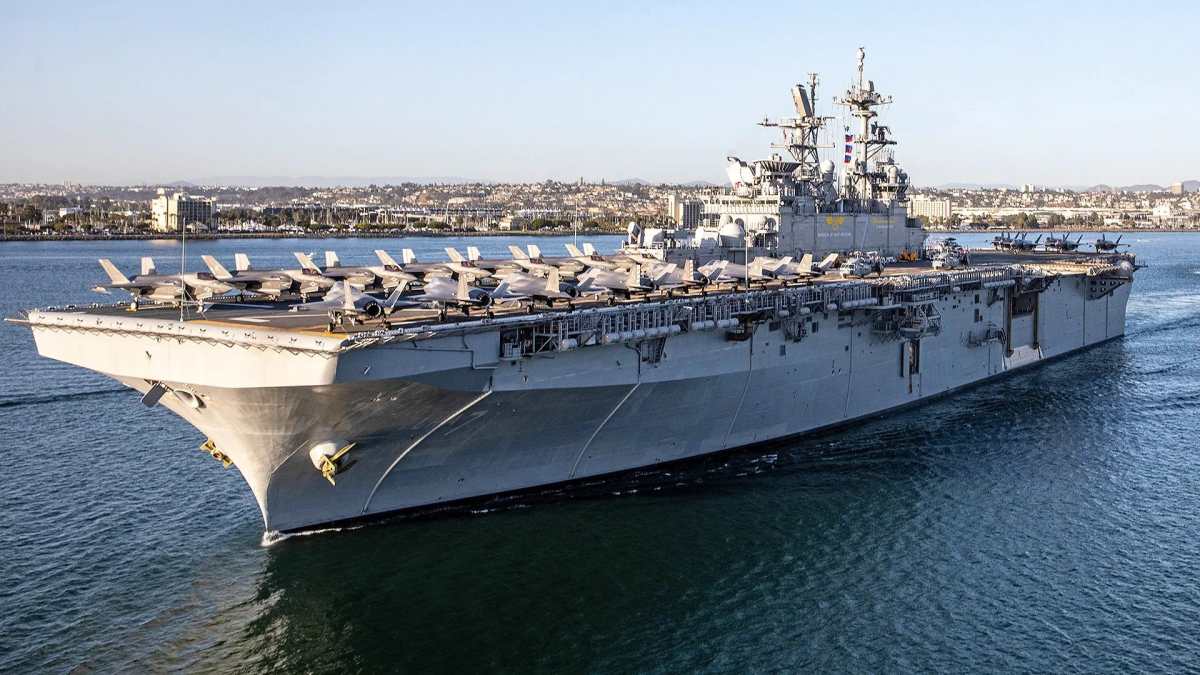
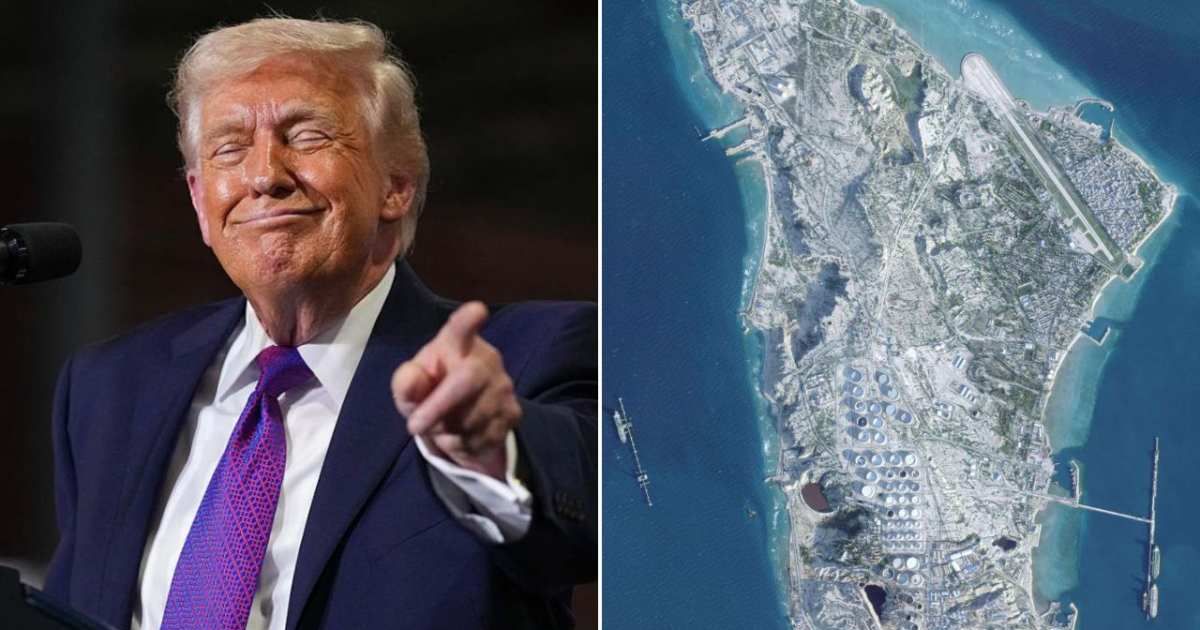
The blockade has focused on key export points, including Kharg Island, which handles a large share of Iran’s crude shipments. Energy analysts suggest that sustained disruption could affect storage capacity and production cycles if exports remain restricted over time.
Administration officials have framed the strategy as a means of increasing leverage in negotiations, with the goal of limiting Iran’s ability to finance military and nuclear activities while talks continue.
Cyberattacks and strikes cripple IRGC finances
Alongside maritime enforcement, Iranian infrastructure has faced pressure from both kinetic and cyber operations. Analysts and regional reports indicate that key industrial sectors, including steel and petrochemicals, have experienced disruptions in recent weeks.
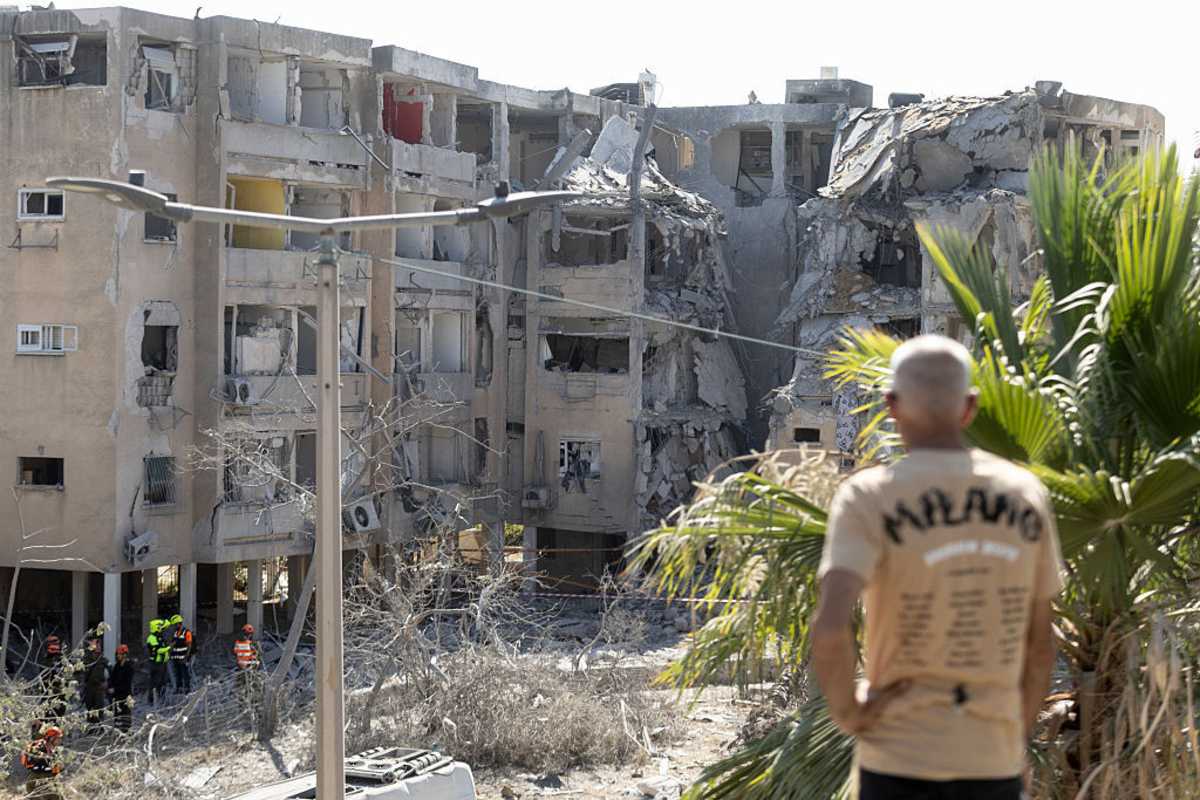
There have also been reports of cyberattacks targeting financial institutions linked to Iran’s military structure, including Sepah Bank.
While details remain limited, such disruptions could affect payroll systems and financial flows tied to the Islamic Revolutionary Guard Corps (IRGC).
In addition, Iran has experienced prolonged internet restrictions, which analysts say may be impacting domestic economic activity and communication networks.
Ceasefire extension hinges on nuclear details
As negotiations continue, the April 21 ceasefire deadline remains a key pressure point. US officials say that while a framework agreement is possible in the near term, finalizing a comprehensive deal would require additional time and detailed verification mechanisms.

No formal agreement has been announced regarding an extension of the ceasefire, though officials acknowledge that such a step may be necessary if talks progress.
The central issue remains Iran’s nuclear program, with the US seeking long-term limits and verification, while Iran has signaled interest in shorter-term arrangements.
Diplomatic efforts are expected to continue in the coming days, with both sides weighing the risks of escalation against the potential for a negotiated settlement.