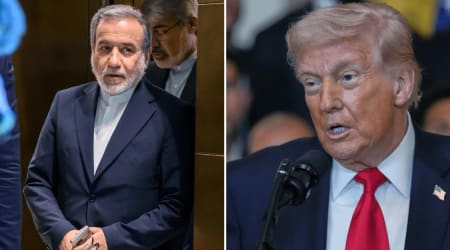
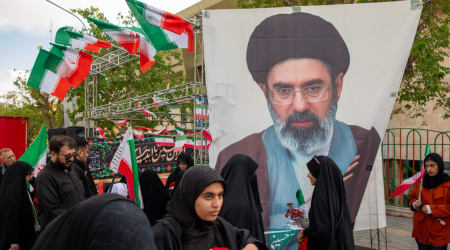
‘Door is not closed,’ global mediators rush for talks as Trump blockade takes effect
ISLAMABAD, PAKISTAN: A high-stakes diplomatic "rescue mission" is underway across the Middle East as Pakistani, Egyptian, and Turkish mediators rush to revive collapsed negotiations between the United States and Iran.
Despite the "tough" conclusion of the 21-hour marathon summit in Islamabad, regional sources and US officials insist that a total deadlock has not yet been reached.
"The door is not closed yet," one regional source revealed, characterizing the current state of play as a high-stakes "bazaar" where both sides continue to bargain under extreme pressure.
The diplomatic scramble comes at a moment of maximum peril. At 10:00 AM ET on Monday, April 13, US Central Command (CENTCOM) officially began enforcing President Trump’s naval blockade, targeting all vessels entering or departing Iranian ports.
While CENTCOM maintains it will not impede freedom of navigation for ships transiting to non-Iranian ports, the blockade is being used as a strategic "negotiating tool" to strip Tehran of its ability to use the Strait of Hormuz as leverage.
Mediators launch ‘bazaar’ diplomacy revival
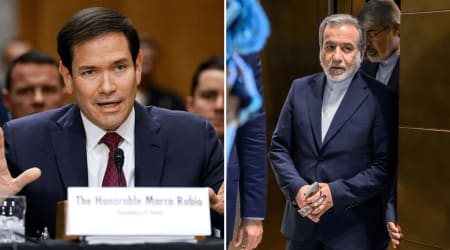
Following the Islamabad stalemate, the Foreign Ministers of Turkey and Egypt held urgent phone calls with their Pakistani counterparts before engaging directly with White House envoy Steve Witkoff and Iranian Foreign Minister Abbas Araghchi.
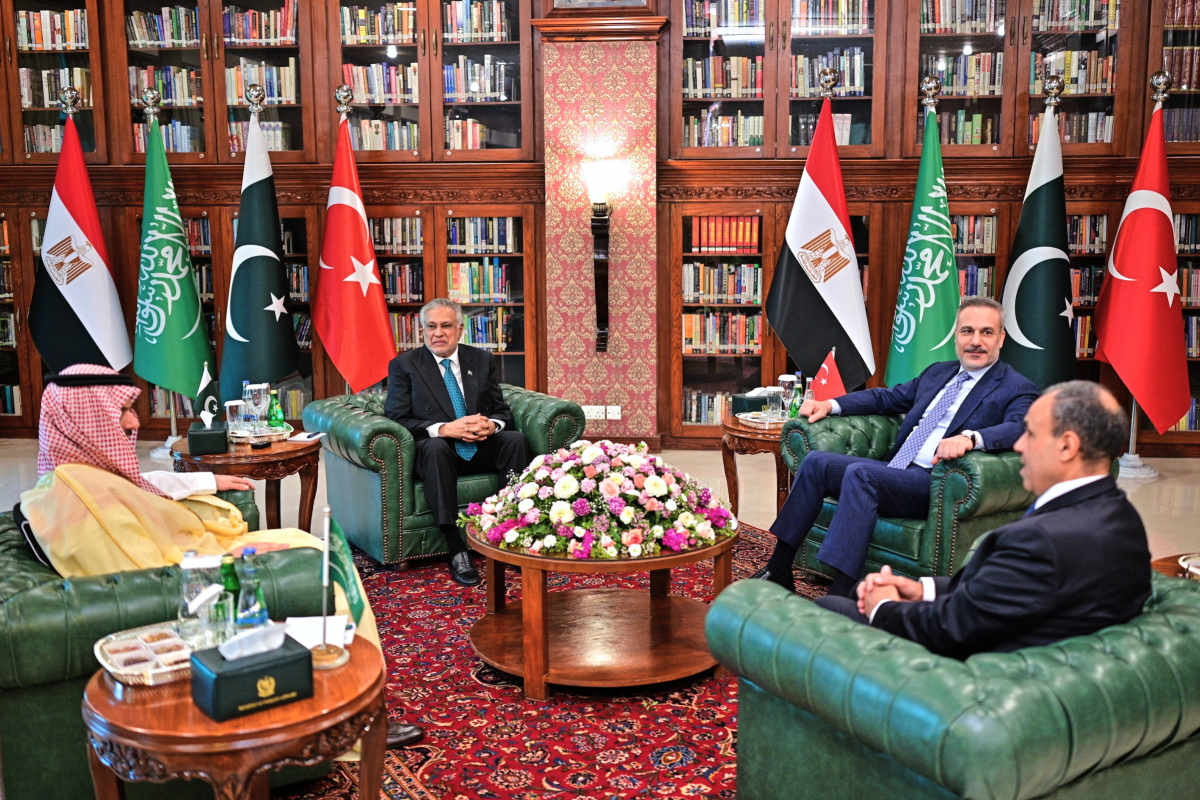
The goal of this trilateral mediation is to narrow the "inches" that Araghchi claims separated the parties from a historic deal before the US allegedly "shifted the goalposts", a claim US officials have yet to confirm.
Mediators hope to facilitate one final round of face-to-face talks before the current ceasefire officially expires on April 21.
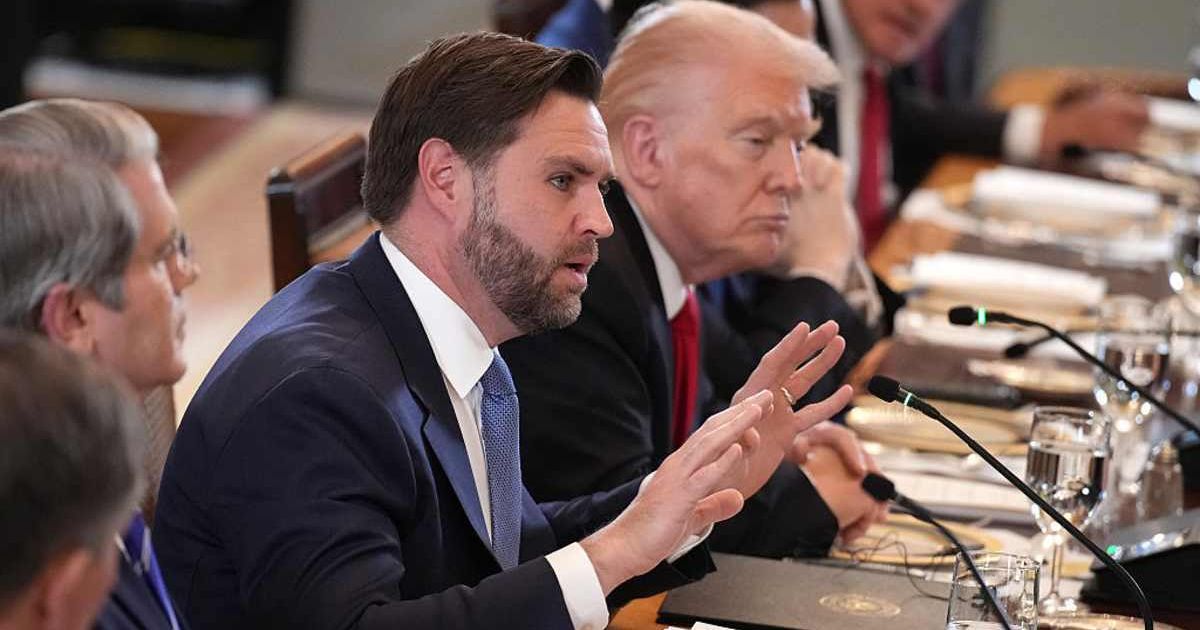
A US official noted that while Vice President JD Vance’s first meeting with the Iranians was difficult, it eventually evolved into a "friendly and productive exchange."
Vance reportedly left the table hopeful that Tehran would reflect on the "best offer they will get" and return to the framework laid out during the Pakistan sessions.
Nuclear deadlock centers on enrichment

The "main gaps" preventing a breakthrough remain centered on Iran’s nuclear infrastructure and financial demands.
US officials confirmed that Washington is demanding a total freeze on uranium enrichment and the complete surrender of Iran's highly enriched stockpile.
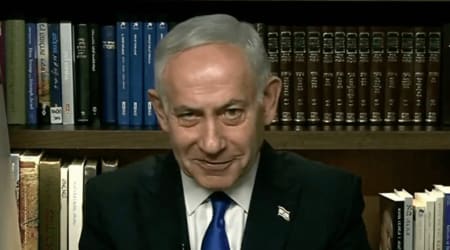
Israeli Prime Minister Benjamin Netanyahu, who received a detailed briefing from Vance, told his cabinet that the US is seeking a commitment for no enrichment "in the coming years, and that could be in decades."
The Islamabad Talks is "not an event but a process."
— Reza Amiri Moghadam (@IranAmbPak) April 12, 2026
The Islamabad Talks laid the foundation for a diplomatic process that, if trust and will are strengthened, can create a sustainable framework for the interests of all parties.
I would like to express my gratitude to the… pic.twitter.com/qzCb1xYzPh
A secondary sticking point involves the "frozen money" Iran expects the US to release in exchange for these massive nuclear concessions.
Iranian Ambassador Reza Amiri Moghadam remains optimistic, stating on X that the Islamabad talks "didn't fail" but instead created a foundation.
He argued that if "trust and will are strengthened," a sustainable framework for all parties remains within reach.
Trump weighs resumption of strikes
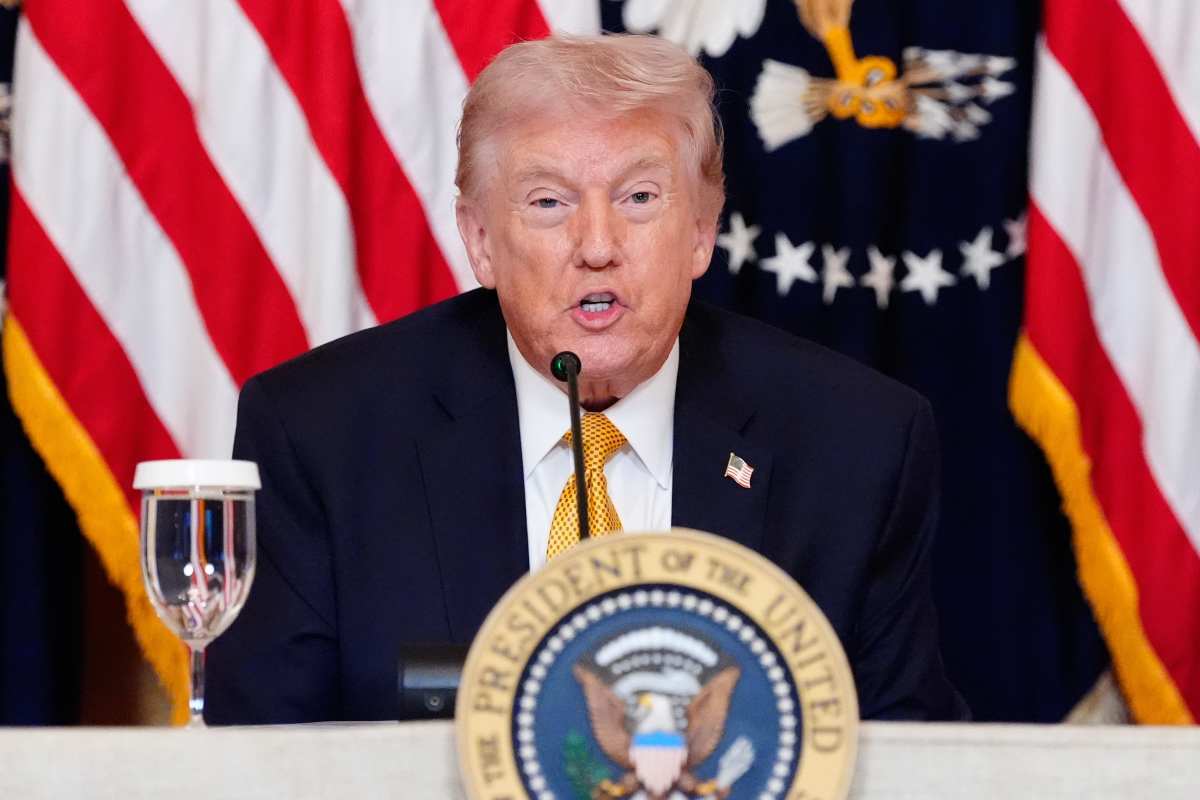
While mediators talk, the White House is preparing for the alternative.
Sources indicate that President Trump is actively considering resuming military strikes if the naval blockade fails to force Tehran to change its position.
Potential targets include the same critical infrastructure the President threatened to attack before the ceasefire, signaling that the administration’s patience is tethered strictly to the April 21 expiration.
Officials are framing the US decision to walk away from the Islamabad table as a tactical move in the broader negotiation.
By enforcing an "impartial" blockade against vessels of all nations entering Iranian coastal areas, Trump is attempting to demonstrate the "unmatched" cost of Iranian non-compliance before the window for diplomacy permanently shuts.
Netanyahu reveals Vance’s ‘detailed’ report
Benjamin Netanyahu says the Trump administration reports directly to him on a daily basis about Iran.
— Shadow of Ezra (@ShadowofEzra) April 13, 2026
Netanyahu says JD Vance reported every single detail of the peace talks to him.
“He reported to me in detail, as members of this administration do every day.” pic.twitter.com/rnH8xhYKOU
In a cabinet meeting on Monday, Prime Minister Netanyahu revealed that Vice President Vance called him directly from his plane after departing Islamabad.
Netanyahu claimed the US broke off the talks after concluding that Iran had already violated the ceasefire agreement by failing to reopen the Strait of Hormuz to commercial traffic.
The Israeli leader emphasized that the US administration is reporting "in detail" to his government every day about the status of the negotiations.