CENTCOM announces US to begin Hormuz blockade from Monday after failed peace talks
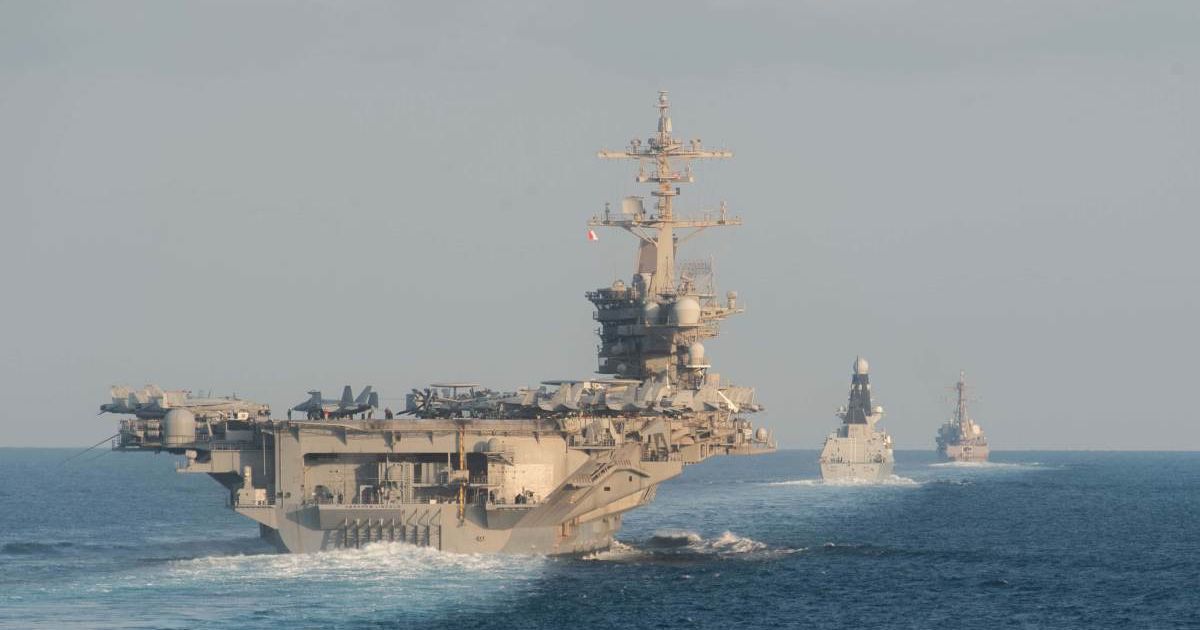
WASHINGTON, DC: After the peace talks between the US and Iran were unsuccessful, the US military announced that the Navy would begin blocking the Strait of Hormuz starting Monday, April 13.
The JD Vance-led delegation, which had arrived in Pakistan to negotiate the terms of a lasting ceasefire with Iran, returned to America after Iran refused to agree on what President Donald Trump described as the “only point that mattered,” the "nuclear" point.
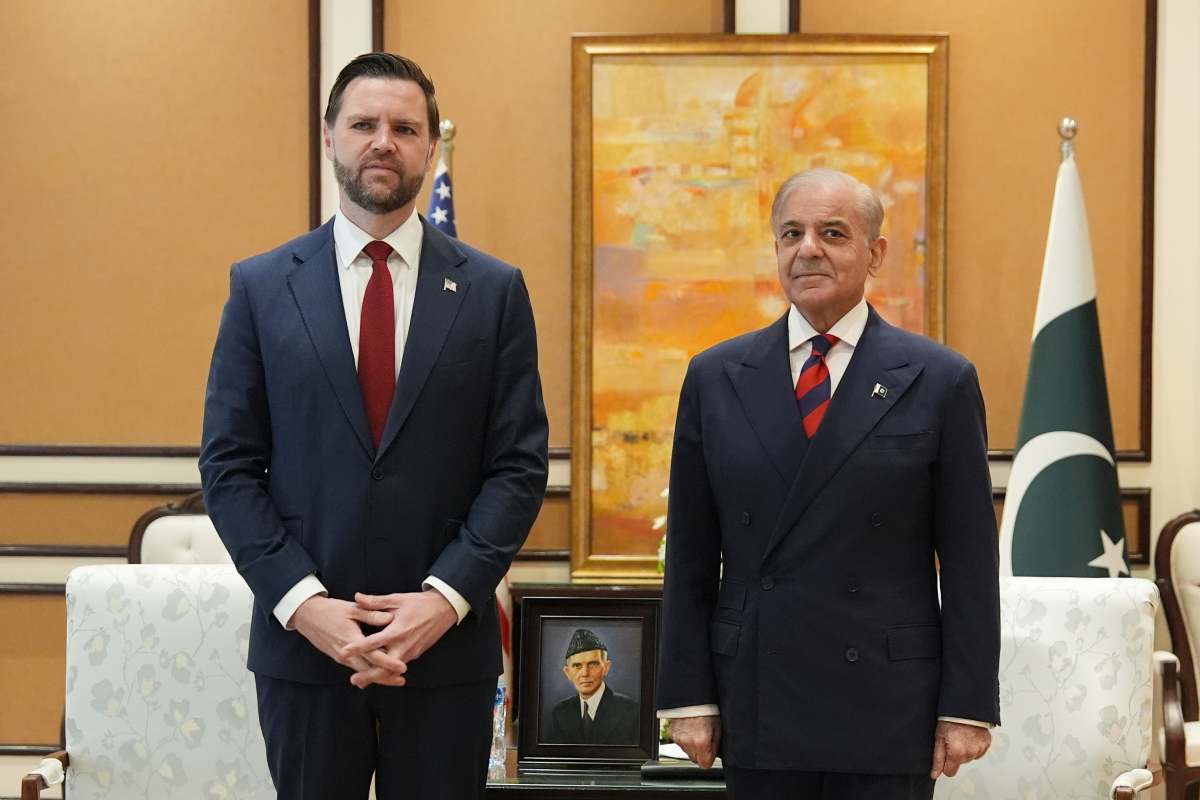
CENTCOM announces timing for Hormuz blockade
The US Central Command (CENTCOM) on Sunday announced that it will begin the blockade of the Strait of Hormuz on Monday at 10 am ET, 5.30 pm in Iran.
The announcement followed a post by the president that the US Navy will begin implementing the blockade and directed the military to “clean out” the critical transit.
CENTCOM noted that "the blockade will be enforced impartially against vessels of all nations entering or departing Iranian ports and coastal areas, including all Iranian ports on the Arabian Gulf and Gulf of Oman."
However, it won't "impede freedom of navigation for vessels transiting the Strait of Hormuz to and from non-Iranian ports."
Trump orders Strait of Hormuz blockade
After 21 hours of unproductive talks between the US and Iran in Pakistan’s Islamabad, President Trump shared a post on Truth Social, announcing the US blockade of the Strait of Hormuz.
“Effective immediately, the United States Navy, the Finest in the World, will begin the process of BLOCKADING any and all Ships trying to enter, or leave, the Strait of Hormuz,” the commander-in-chief wrote. He described Iran’s current maritime tactics as "WORLD EXTORTION," vowing that the US and its allies will never be extorted by a regime whose leadership is already "dead" and whose military is largely "gone."
While there is very limited information about the blockage, CENTCOM said that additional information will be provided once the operation begins. “Additional information will be provided to commercial mariners through a formal notice prior to the start of the blockade,” Centcom wrote in a post on the social platform X.
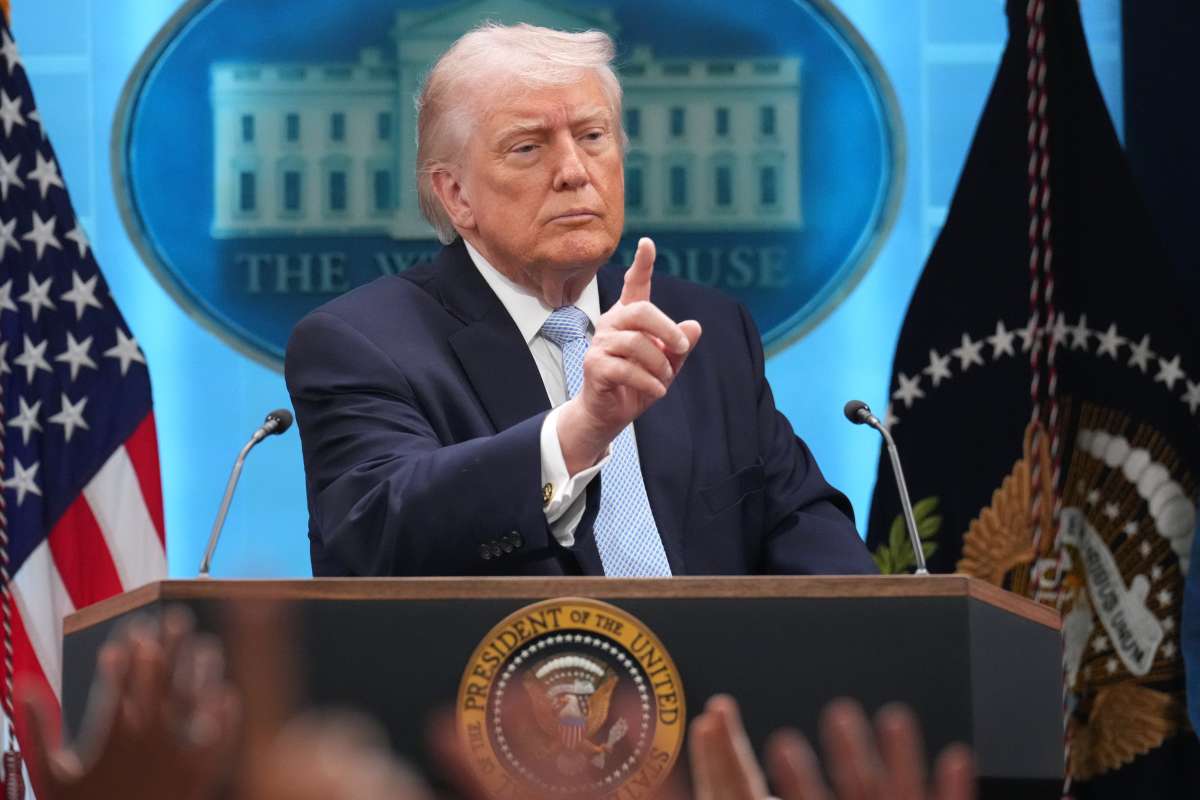
Trump wants Navy to 'seek and interdict' vessels that paid toll to Iran
President Trump, in his social media post, further informed that he has ordered the US to interdict ships that paid a toll to Iran to cross the Strait of Hormuz.
“I have also instructed our Navy to seek and interdict every vessel in International Waters that has paid a toll to Iran,” he ordered. Trump warned that the US will not allow Iran to profit from its "Illegal Act of EXTORTION."
While the US-Iran war resulted in the effective closure of the Strait of Hormuz, the traffic through the passage has been very limited even after the announcement of a two-week fragile ceasefire on April 7.
The war began after the US and Israel launched a joint military attack on Iran on February 28, killing former Iranian Supreme Leader Ayatollah Ali Khamenei.