JD Vance awaits Iran response after making ‘final and best offer’ as Tehran rejects nuclear terms
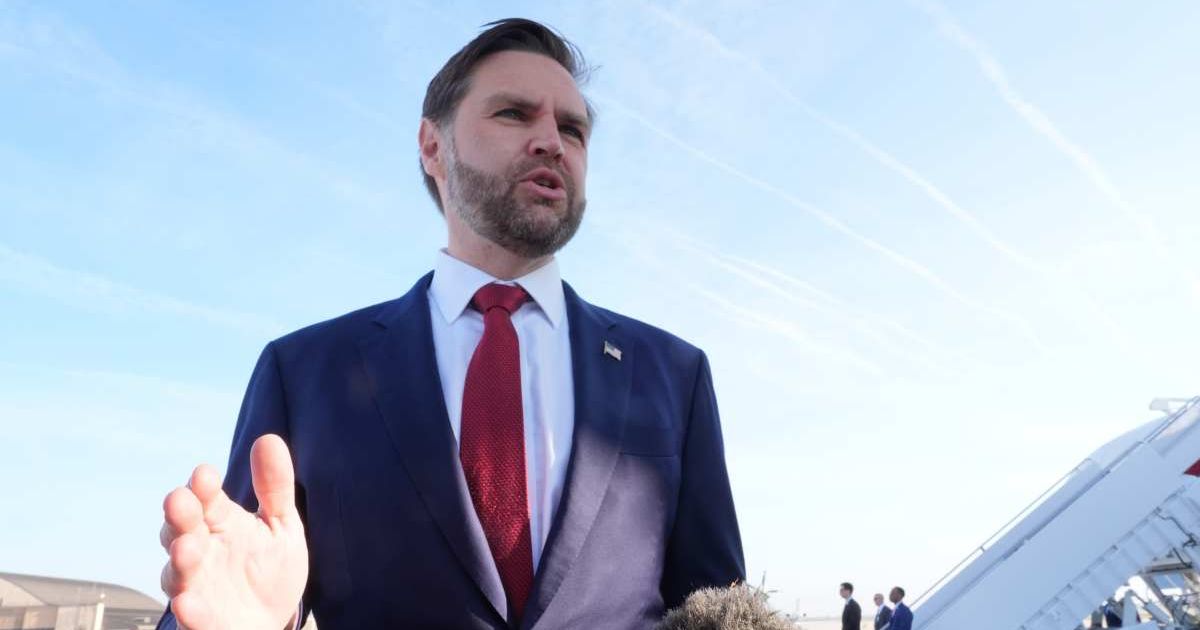
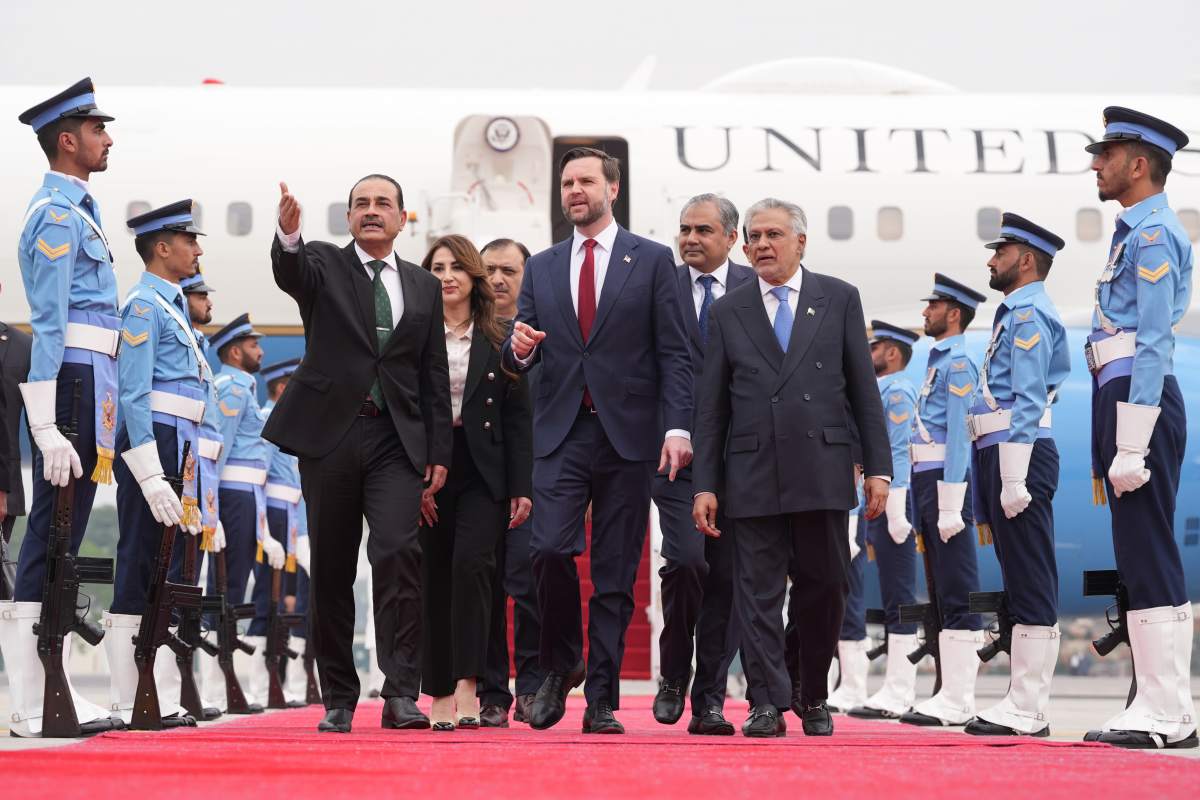
WASHINGTON, DC: US Vice President JD Vance is heading back to the US without a deal as talks with Iran fizzled out, capping more than 21 hours of high-stakes negotiations in Islamabad.
The rare face-to-face engagement ended with both parties digging in rather than finding common ground. Vance confirmed as much shortly after stepping out of the negotiation room.
"The bad news is that we have not reached an agreement, and I think that's bad news for Iran much more than it's bad news for the United States of America. So we go back to the United States having not come to an agreement," he said. "We've made very clear what our red lines are, what things we're willing to accommodate them on, and what things we're not willing to accommodate them on. And we've made that as clear as we possibly could, and they have chosen not to accept our terms."
.@VP in Islamabad, Pakistan: "We’ve had a number of substantive discussions with the Iranians. That’s the good news. The bad news is that we have not reached an agreement — and I think that’s bad news for Iran much more than it's bad news for the United States of America." pic.twitter.com/RLIQ30btO5
— Rapid Response 47 (@RapidResponse47) April 12, 2026
Vance kept it close to the vest when pressed on what exactly Tehran balked at.
"Well, I won't go into all the details because I don't want to negotiate in public after we've negotiated for 21 hours in private. But the simple fact is that we need to see an affirmative commitment that they will not seek a nuclear weapon and they will not seek the tools that would enable them to quickly achieve a nuclear weapon. That is the core goal of the President of the United States, and that's what we've tried to achieve through these negotiations," he added.
Nuclear line in the sand
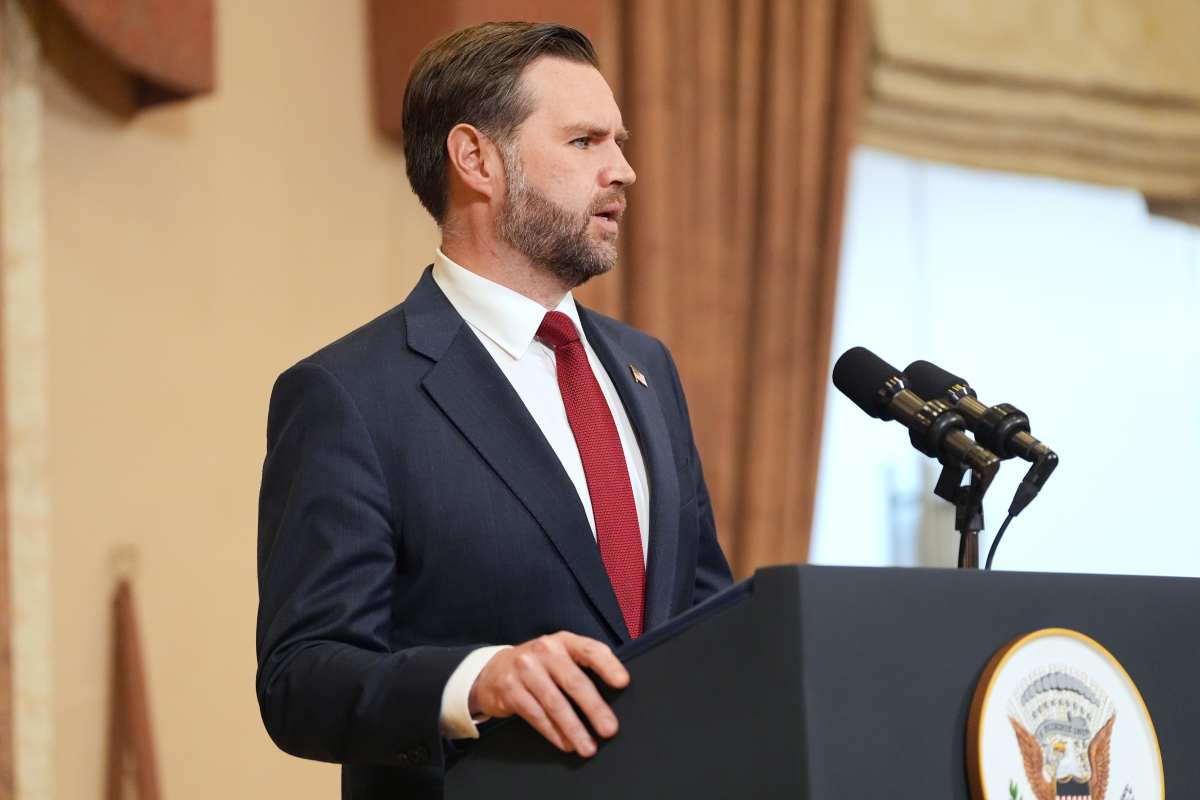
At the heart of the impasse is Iran’s nuclear ambitions. Vance said Washington’s position hasn’t budged, and neither has Tehran’s.
"Again, their nuclear programs such as it is, the enrichment facilities that they had before, they've been destroyed. But the simple question is, do we see a fundamental commitment of will for the Iranians not to develop a nuclear weapon, not just now, not just two years from now, but for the long term? We haven't seen that yet. We hope that we will," he said.
.@VP: "The simple fact is that we need to see an affirmative commitment that they will not seek a nuclear weapon, and they will not seek the tools that would enable them to quickly achieve a nuclear weapon." https://t.co/A6Wl97qbAV pic.twitter.com/DNEL4JSlj2
— Rapid Response 47 (@RapidResponse47) April 12, 2026
Despite covering a wide range of issues, including the matter of frozen Iranian assets, negotiators couldn’t bridge the gap.
"We talked about all those issues, and we talked about a number of issues beyond that. And so certainly those things came up. But again, we just could not get to a situation where the Iranians were willing to accept our terms. I think that we were quite flexible, we were quite accommodating," he explained. "The president told us, you need to come here in good faith and make your best effort to get a deal. We did that. And unfortunately, we weren't able to make any headway."
Constant calls, but no breakthrough
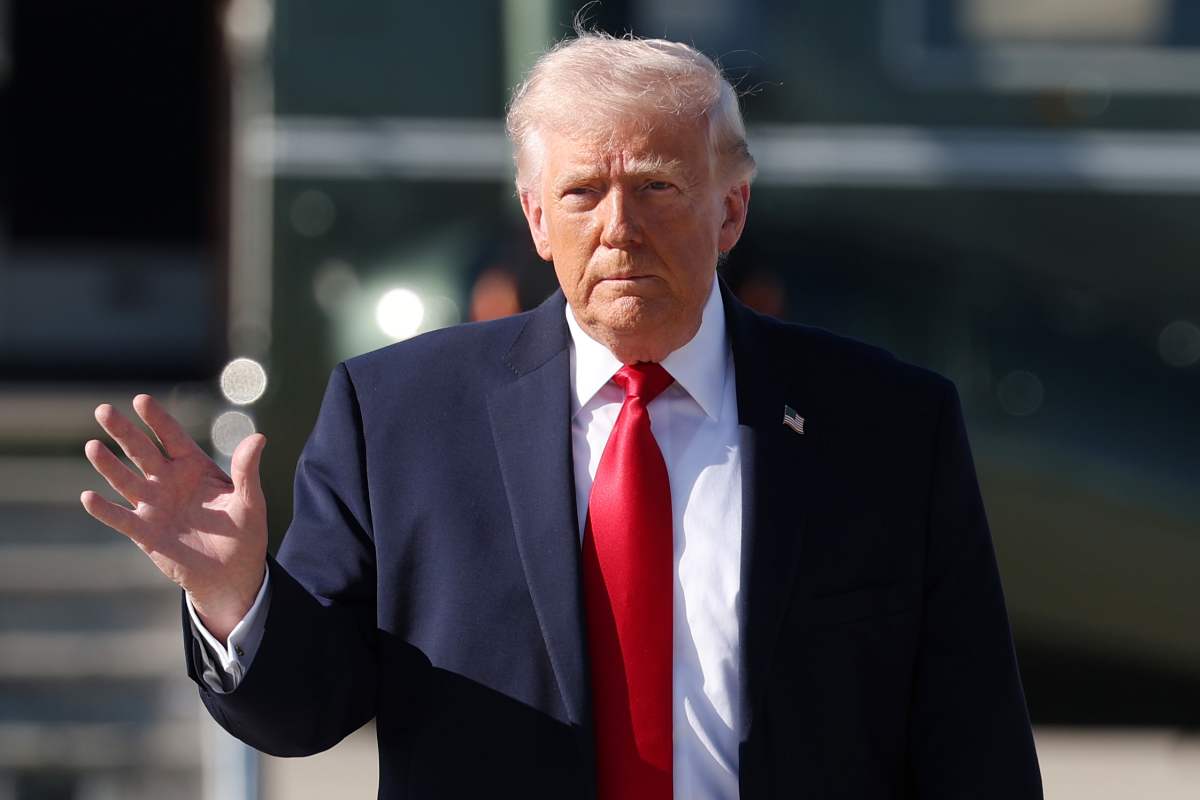
Behind the scenes, the US delegation stayed in near-constant contact with President Donald Trump and top officials.
"Obviously, we were talking to the President consistently. I don't know how many times we talked to him, a half dozen times, a dozen times over the past 21 hours," Vance said.
In fact, the communication loop extended across the national security apparatus.
"We obviously also talked to Admiral (Brad) Cooper, to (US War Secretary) Pete (Hegseth), to (US Secretary of State) Marco (Rubio), to the entire national security team. We talked to (Treasury Secretary) Scott Bessent a number of times," he added. "So look, we were constantly in communication with the team because we were negotiating in good faith. And we leave here, and we leave here with a very simple proposal, a method of understanding that is our final and best offer. We'll see if the Iranians accept it."
For now, the ball appears to be in Iran’s court. Vance said the US is walking away with what he called its “final and best offer,” leaving Tehran to decide whether to engage further.
🚨 JUST IN: JD Vance reveals that he was in CONSTANT communication with President Trump, Marco Rubio, Pete Hegseth, and even Scott Bessent during Iranian negotiations
— Eric Daugherty (@EricLDaugh) April 12, 2026
"We leave here with a VERY SIMPLE PROPOSAL: A method of understanding, that is our final and best offer."… pic.twitter.com/Yxl3crZRFZ
He did, however, give credit to the hosts. "Whatever shortcomings of the negotiation, it wasn't because of the Pakistanis, who did an amazing job," he concluded.