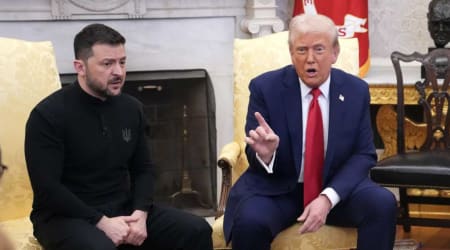
Trump says Iran talks ‘very soon’ in Pakistan as JD Vance weighs security risks
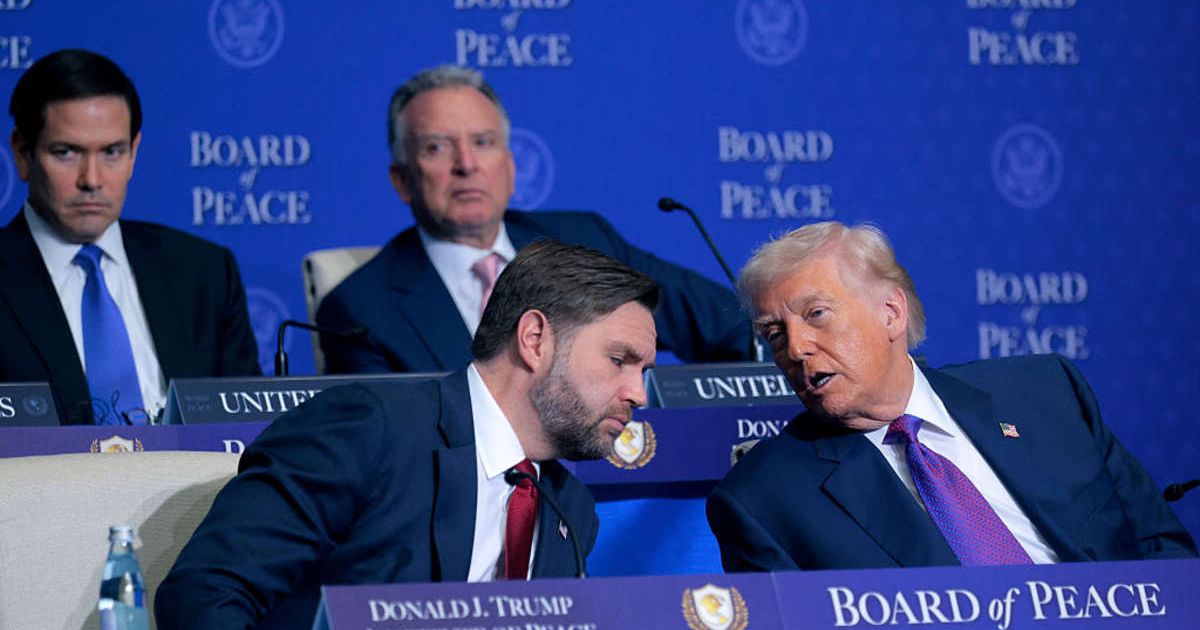
WASHINGTON, DC: President Donald Trump said on Wednesday, April 8, that negotiations with Iran are expected to move into a new phase, with in-person talks likely to take place in Pakistan “very soon” following a recently established two-week ceasefire.
The proposed meeting in Islamabad, which could occur within days, comes after 39 days of conflict that began on February 28.
Speaking in an interview with The Post, Trump said members of his negotiating team, including special envoy Steve Witkoff and adviser Jared Kushner, are expected to participate in the talks.
He added that Vice President JD Vance’s attendance remains uncertain due to “safety and security” considerations. “We’ll have Steve Witkoff, Jared Kushner, JD - maybe JD, I don’t know,” Trump said, indicating that final arrangements are still being assessed.
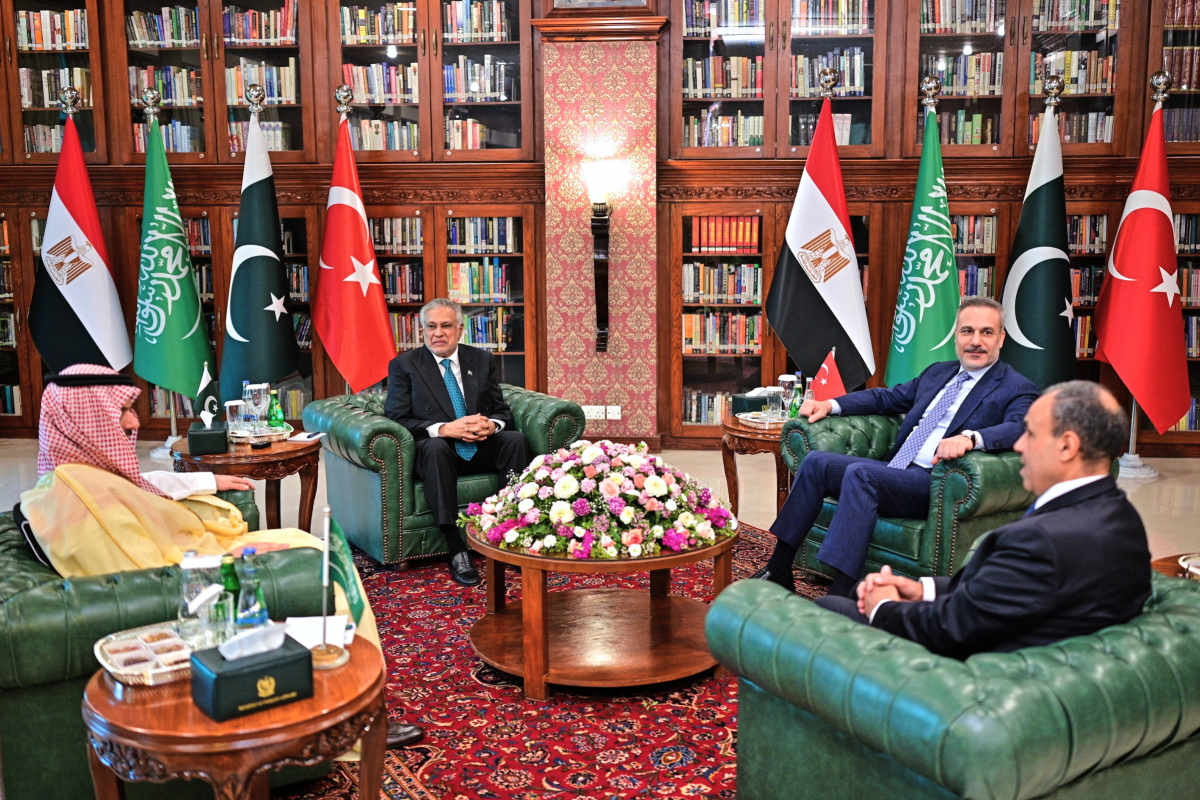
US officials have been coordinating with Pakistani leadership, including Prime Minister Shehbaz Sharif, as part of efforts to facilitate dialogue between Washington and Tehran.
Ten-point framework enables Islamabad summit
The anticipated talks follow the administration’s acceptance of a 10-point proposal from Iran, which officials described as a preliminary framework for continued negotiations.
The agreement helped secure a temporary ceasefire shortly before a US deadline tied to reopening the Strait of Hormuz.
As part of the arrangement, Iran has moved to reopen the strategic waterway to international shipping, easing disruptions that had affected global energy markets.
However, officials on both sides have indicated that key issues remain unresolved.
US representatives have signaled that several of Iran’s reported demands, including broad sanctions relief and changes to regional military posture, will require further negotiation.
The Islamabad meeting is expected to focus on clarifying terms and assessing whether a longer-term agreement can be reached within the current ceasefire window.
Joint US-Iran tolls under consideration
Trump also said that discussions have included a potential framework for managing traffic through the Strait of Hormuz. According to the President, one proposal under review involves a joint mechanism related to transit operations in the region.
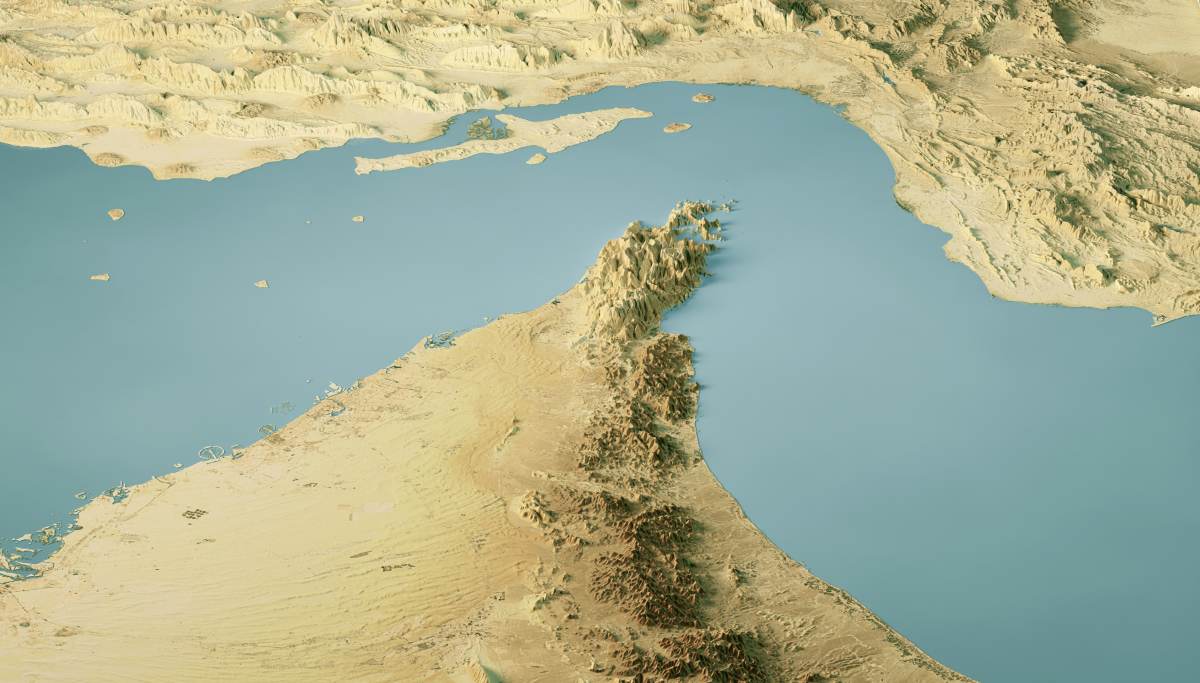
“We’re thinking of doing it as a joint venture,” Trump said, referring to the possibility of shared oversight or coordination.
No formal plan has been released, and officials have not confirmed whether such an arrangement would align with existing international maritime practices.
Reports indicate that earlier proposals from Iran included the idea of transit-related fees tied to reconstruction efforts.
US officials have not publicly endorsed any specific structure but acknowledged that discussions are ongoing.
Four core objectives for permanent peace
The administration has reiterated its broader goals in the conflict, which include limiting Iran’s nuclear capabilities, reducing its missile infrastructure, and addressing regional security concerns.
Trump stated that the ceasefire reflects progress toward those objectives.

“The reason for doing so is that we have already met and exceeded all military objectives,” the President said in a separate statement, referring to recent operations.
Officials have indicated that future negotiations will focus on verification measures and long-term enforcement mechanisms.
No final agreement has been announced, and both sides continue to rely on indirect communication channels alongside preparations for direct talks.