US and Iran mediators make last-ditch push for 45-day ceasefire that could lead to end of war
WASHINGTON, DC: The U.S., Iran, and a network of regional mediators are scrambling to hammer out terms for a possible 45-day ceasefire that could eventually pave the way for a permanent end to the war, according to four U.S., Israeli, and regional sources familiar with the talks.
Still, expectations are low. The sources told Axios that the chances of locking in even a partial deal within the next 48 hours are slim. Yet, this late-stage push may be the final opportunity to avoid a sharp escalation that could see massive strikes on Iranian civilian infrastructure and retaliatory attacks targeting energy and water facilities across Gulf states.
Trump's warnings
President Donald Trump’s original 10-day deadline for Iran was set to expire Monday evening. But Trump extended it by 20 hours at the last minute on Sunday, announcing on Truth Social a revised cutoff of Tuesday at 8 pm ET.
Speaking to Axios, Trump said the U.S. is “in deep negotiations” with Iran and suggested a deal could still materialize before the clock runs out.
“There is a good chance, but if they don't make a deal, I am blowing up everything over there,” he said.
NEW:
— Trey Yingst (@TreyYingst) April 5, 2026
"If they don't make a deal and fast, I'm considering blowing everything up and taking over the oil," President Trump told me.
President Trump added that he believes he'll be able to get a deal with Iran by tomorrow. pic.twitter.com/a7EDL6hQUJ
Trump has repeatedly warned that failure to reach an agreement could trigger attacks on infrastructure critical to Iranian civilians. Iran has threatened to respond in kind, targeting infrastructure in Israel and across Gulf nations.
Two sources said a joint U.S.-Israeli operational plan for a bombing campaign against Iran’s energy facilities is already prepared, though they noted the deadline extension was meant to buy time for diplomacy.
Two-phase deal and high-stakes bargaining chips
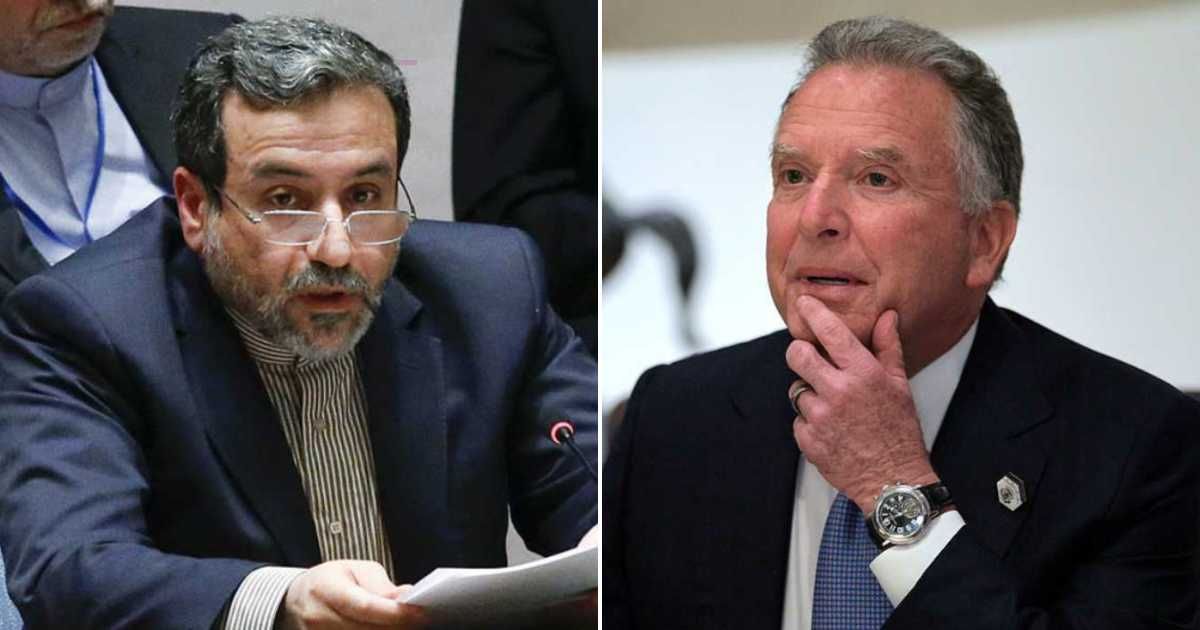
Behind the scenes, negotiations are unfolding through a mix of indirect channels. Pakistani, Egyptian, and Turkish mediators are relaying messages, while Trump’s envoy Steve Witkoff and Iran’s Foreign Minister Abbas Araghchi are also communicating via text, according to four sources briefed on the process.
A U.S. official said Washington has floated several proposals in recent days, but Iranian officials have yet to sign on.
At the center of the talks is a proposed two-phase framework. The first phase would establish a 45-day ceasefire, during which negotiators would attempt to finalize a permanent end to the war. One source noted the truce could be extended if more time is needed. The second phase would lock in a full agreement to end the conflict.
ستون دود سیاه و غلیظ بر فراز میدان آزادی #تهران
— Vahid Online (@Vahid) April 6, 2026
ویدیوی دریافتی: شمال فرودگاه مهرآباد، مربوط به حمله ۴:۲۵
دوشنبه ۱۷ فروردین #Iran #Tehran pic.twitter.com/fbv37Zuk8m
That said, mediators believe that fully reopening the Strait of Hormuz and resolving the issue of Iran’s highly enriched uranium (either by removing it from the country or diluting it) can only be achieved in a final deal. For now, they are pushing for interim, confidence-building steps that could include partial measures by Iran on both the Strait and its uranium stockpile.
Those issues remain Tehran’s strongest bargaining chips. Two sources said Iran is unlikely to fully concede on either front in exchange for just a temporary ceasefire.
At the same time, mediators are pressing Washington to offer its own assurances that would convince Iran the ceasefire won’t collapse. Iranian officials have made clear they want to avoid a repeat of situations like Gaza or Lebanon.
Growing risks and a narrowing window
The stakes are enormous.
A source with direct knowledge of the talks said mediators are deeply worried that any Iranian retaliation following a U.S.-Israeli strike on energy infrastructure could have devastating consequences for Gulf countries, particularly their oil and water facilities.
Mediators have warned Iranian officials that there is little room left for delay tactics, stressing that the next 48 hours represent the last real chance to strike a deal and avert widespread destruction.
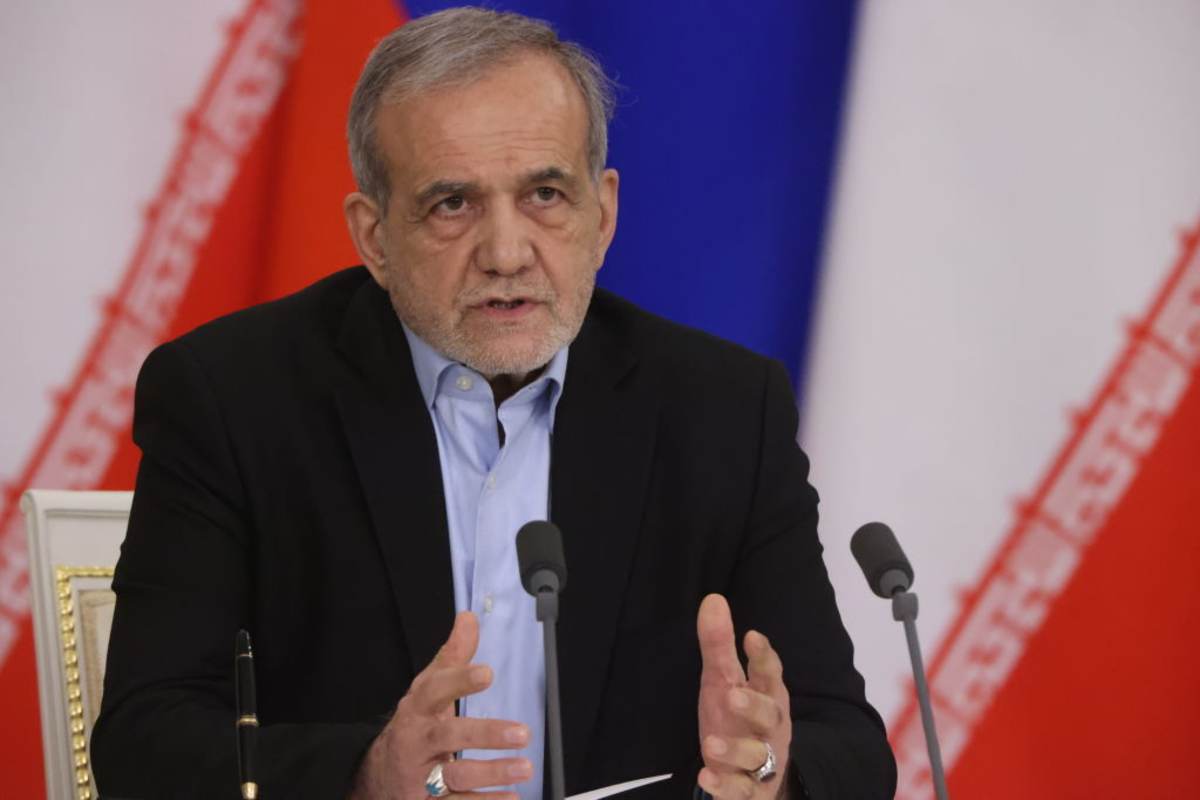
Publicly, however, Iran is holding firm. Officials continue to reject concessions, maintaining a hard-line stance even as talks intensify behind closed doors.
On Sunday, the Iranian Revolutionary Guard Corps Navy declared that the situation in the Strait of Hormuz will “never return” to what it was before the war, especially for the U.S. and Israel.