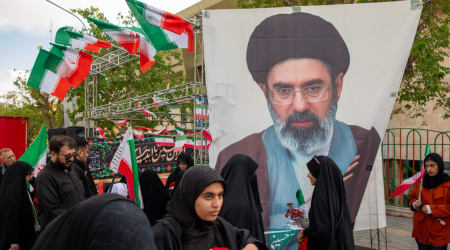
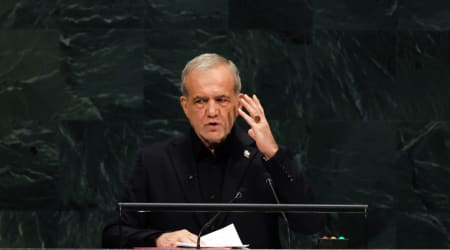
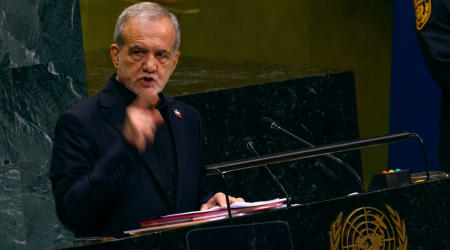
‘War damages first’ Iran defies Trump’s 48‑hour ultimatum with new Strait of Hormuz 'toll regime'
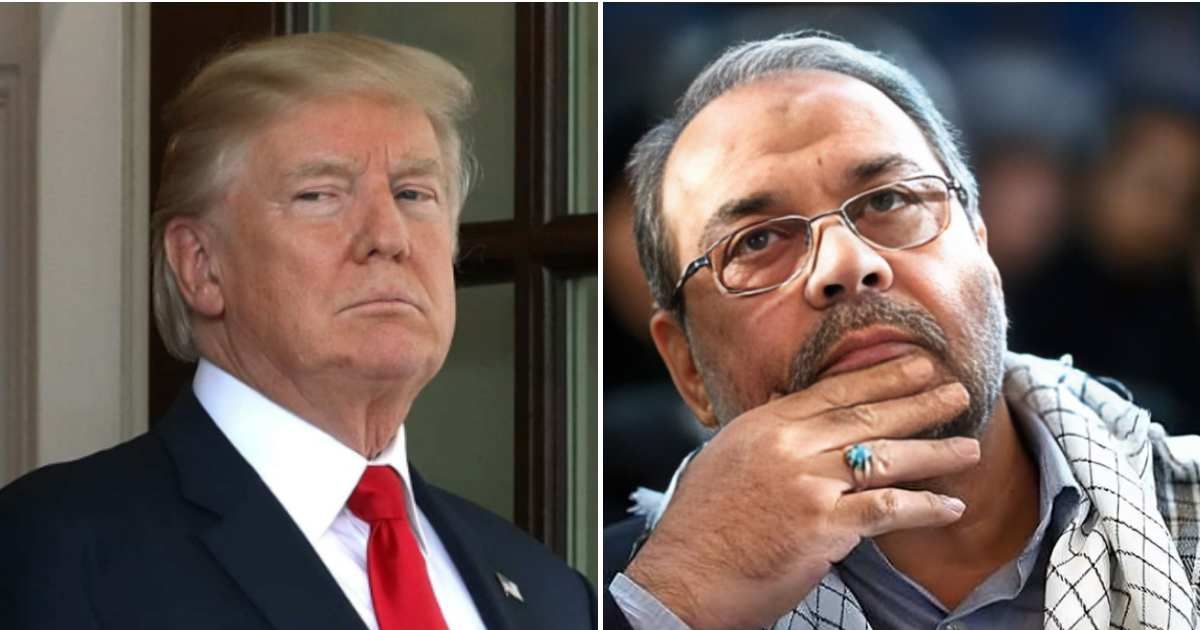
TEHRAN: Iran on Sunday, April 5, rejected President Donald Trump’s 48-hour ultimatum to reopen the Strait of Hormuz, announcing that the key shipping lane will remain restricted under what officials described as a “new legal regime” tied to compensation for war-related damage.
Mehdi Tabatabaei, a spokesperson for the Iranian presidency, said losses from recent military strikes must be addressed before normal transit resumes.
The response came hours before Trump’s stated Monday, April 6 deadline.
The President warned in public statements that further action could follow if the waterway is not reopened. Iranian officials dismissed the warning, accusing the United States of escalating the conflict.
Transit tolls to fund ‘war compensation’
Iranian authorities said a structured toll system is now being applied to vessels moving through the Strait. Industry reports indicate charges of roughly $1 per barrel of oil, significantly increasing transit costs for large tankers.
A key committee in Iran's parliament approved a toll plan for vessels passing through the Strait of Hormuz
— Press TV 🔻 (@PressTV) March 31, 2026
Follow https://t.co/B3zXG73Jym pic.twitter.com/LZk5OaNynX
Payments are reportedly being requested in non-dollar currencies, including Chinese yuan, as well as digital assets, in an apparent effort to avoid sanctions-linked restrictions.
Iranian officials said revenue from the system would be directed toward repairing infrastructure damaged during recent strikes.
Parliament has also backed measures restricting access for certain vessels, while outlining conditions for passage by other countries.
UN mission warns of ‘atrocious war crimes’
Iran’s mission to the United Nations has raised concerns over potential escalation, warning that attacks on civilian infrastructure could violate international law.
The mission referenced risks to energy and water systems, as well as facilities near sensitive nuclear sites.
Iran’s Foreign Minister Abbas Araghchi sent identical letters to the UN Secretary-General Antonio Guterres and Security Council members, warning that US-Israeli attacks near the Bushehr nuclear power plant risk triggering a catastrophic radiological disaster across the region.… pic.twitter.com/CJNqNkMiCj
— Al Mayadeen English (@MayadeenEnglish) April 5, 2026
The statement follows a letter from Iran’s foreign ministry to the UN Secretary-General outlining concerns about regional safety and environmental impact after recent strikes.
Iran has described its current actions in the Strait as a response to ongoing military operations, framing them as defensive measures.
Trump: ‘Good chance’ of a Monday deal
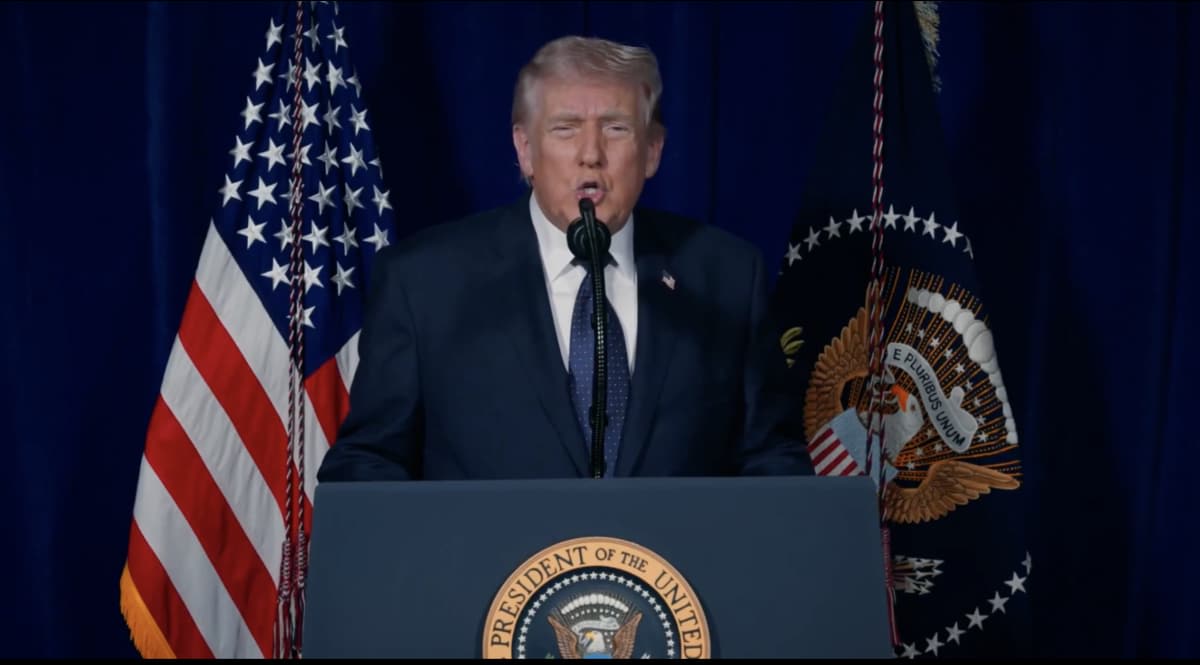
Despite the standoff, Trump indicated there may still be a pathway to an agreement. Speaking to Fox News, he said, “I think there is a good chance tomorrow, they are negotiating now,” suggesting that back-channel talks are ongoing.
The administration has previously paused certain operations to allow for negotiations, though no formal agreement has been announced.
Global energy markets remain sensitive to developments in the Strait, a critical route for oil shipments.