Iran threatens broader infrastructure war as Trump issues 48-hour Hormuz ultimatum
WASHINGTON, DC: Tehran has threatened to dramatically widen its retaliation by targeting energy infrastructure and critical desalination facilities across the region if President Donald Trump follows through on his warning to “obliterate” Iran’s power plants unless the Strait of Hormuz is reopened.
Trump on Saturday night gave Iran a 48-hour deadline to restore passage through the strategic waterway, through which roughly one-fifth of global oil supplies move.
In a post on Truth Social, the US president warned that Iran’s energy infrastructure would face attack if Tehran failed to comply.
The threat marks another sharp escalation in a war that has now entered its fourth week, after the United States and Israel launched attacks on Iran on Feb 28, triggering swift Iranian retaliation and pushing the region deeper into conflict.
By Sunday morning, Tehran showed no sign of stepping back.
Instead, Iranian officials answered Trump’s ultimatum with a blunt warning of their own, saying any strike on Iran’s power plants would invite retaliation against US and Israeli assets, as well as critical infrastructure used by Washington’s regional partners.

Trump issues fresh warning over Strait of Hormuz
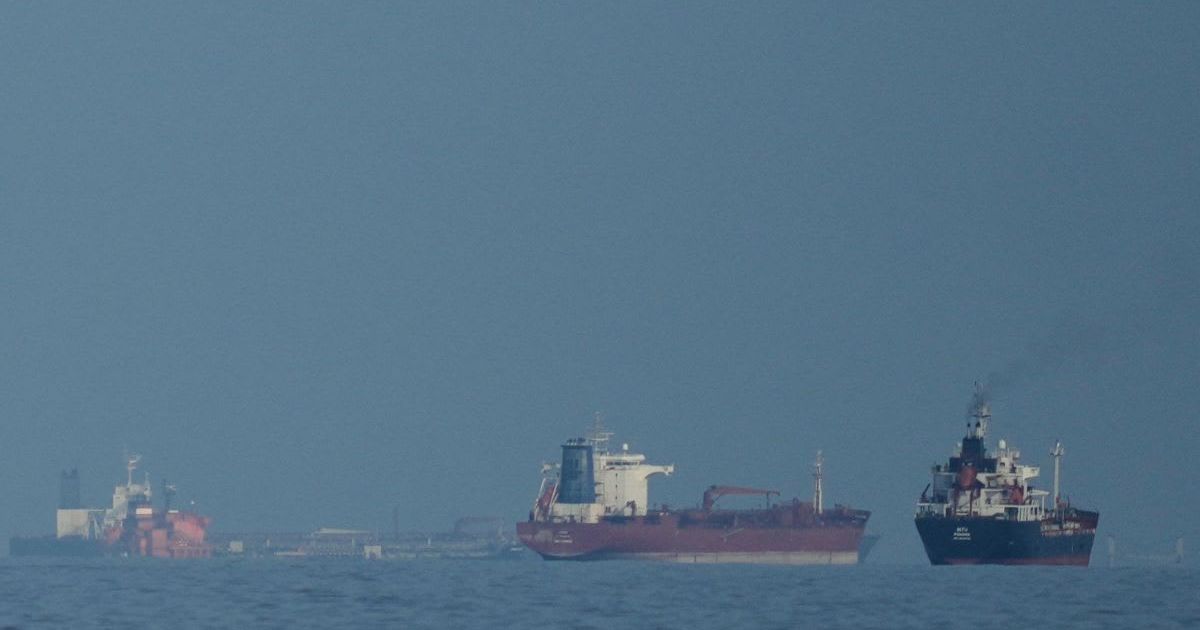
The confrontation centers on the Strait of Hormuz, one of the world’s most strategically vital shipping lanes and a chokepoint for global energy trade.
Iran has effectively blocked the route since the outbreak of hostilities, sending shockwaves through oil markets and raising fears of prolonged disruption to global supplies.
Trump has repeatedly pressed for the strait to be reopened and, in recent days, has urged US allies to do more to secure the passage. Speaking on Friday, he said China, Japan and NATO should be taking a more active role in clearing the waterway.
But with Iranian attacks on ships in and around the strait deterring commercial traffic, the route has become largely unusable for normal maritime trade.
Even vessels that might attempt passage face mounting insurance and security concerns as fighting intensifies.
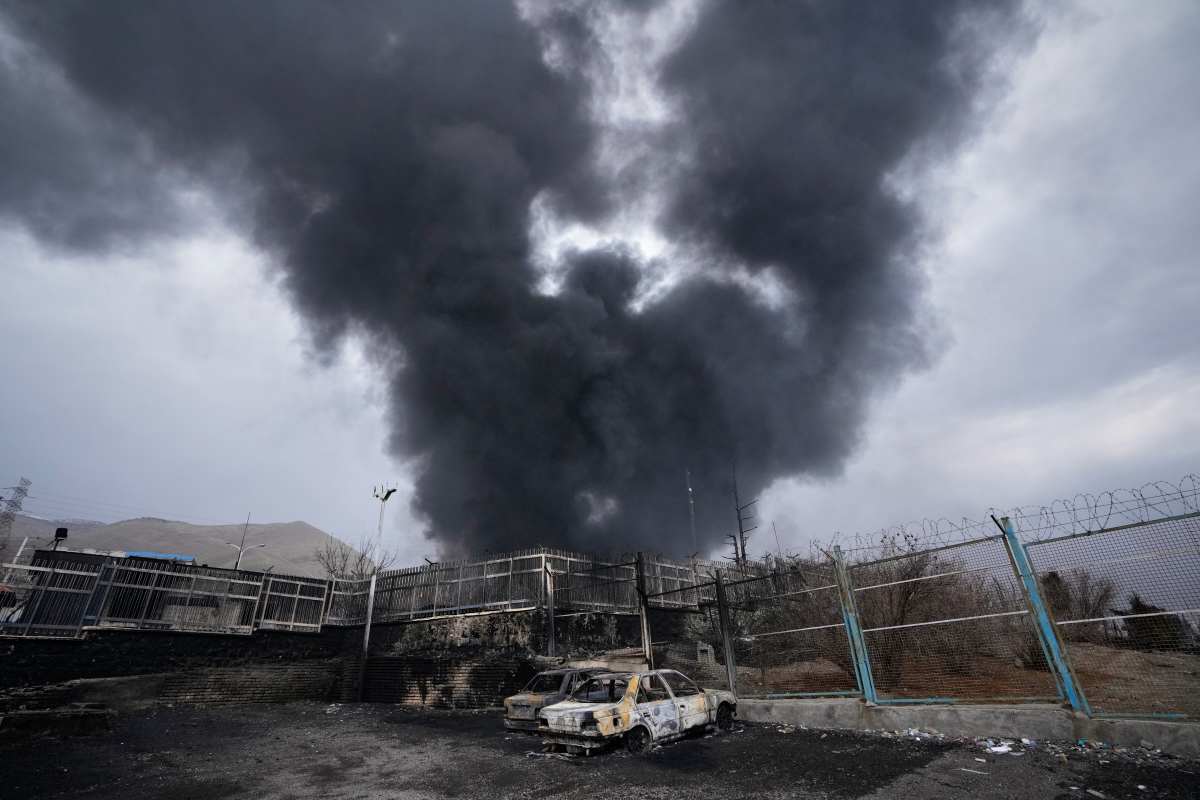
Tehran threatens retaliation against energy and water infrastructure
Iranian officials made clear on Sunday that any direct US strike on the country’s power grid would trigger attacks not only on fuel and energy targets, but also on critical civilian systems.
“If Iran’s fuel and energy infrastructure is attacked, then fuel, energy, information technology systems and desalination infrastructure used by America and the regime in the region will be struck,” Col Ebrahim Zolfaqari, spokesman for Iran’s Khatam al-Anbiya military command headquarters, said, according to the state news agency IRNA.
The threat to desalination facilities carries particular significance.
Desalination plants, which convert seawater into drinking water, are essential to daily life in Israel and in many Gulf states, where natural freshwater resources are limited and dependence on processed seawater is high.
Iranian Parliament Speaker Mohammad-Bagher Ghalibaf reinforced the warning in a post on X, saying that if Iran’s power stations were hit, “critical infrastructure, energy and oil across the region will be irreversibly destroyed and oil prices will rise for a long time.”
His remarks underlined the growing risk that the conflict could spill far beyond military targets and into civilian infrastructure central to water and electricity supplies across the Middle East.