Graham urges congressional oversight of Iran ceasefire deal before approval
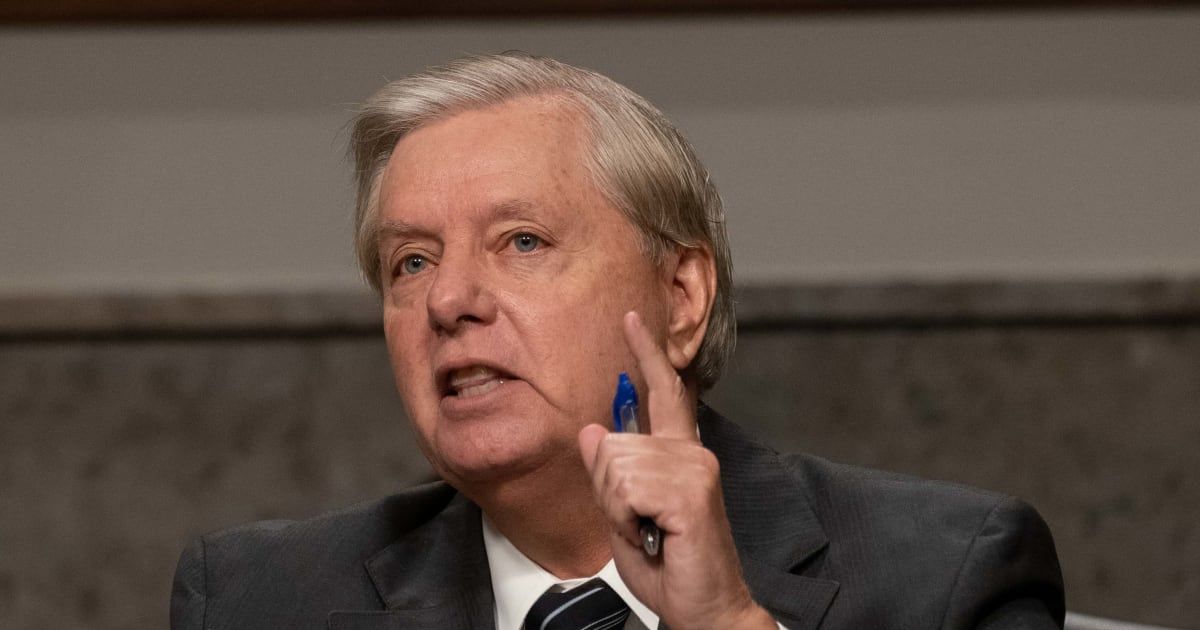
WASHINGTON, DC: Sen Lindsey Graham voiced cautious optimism over the two-week ceasefire between the United States and Iran, but insisted that any final agreement must be reviewed and approved by Congress.
In a post on X, Graham said a formal review process, similar to the Senate’s examination of the 2015 Iran nuclear deal, would help separate “fact vs. fiction” in the current agreement. He stressed that transparency and rigorous questioning were essential to understanding the terms fully.
Graham’s remarks shift in tone on war powers
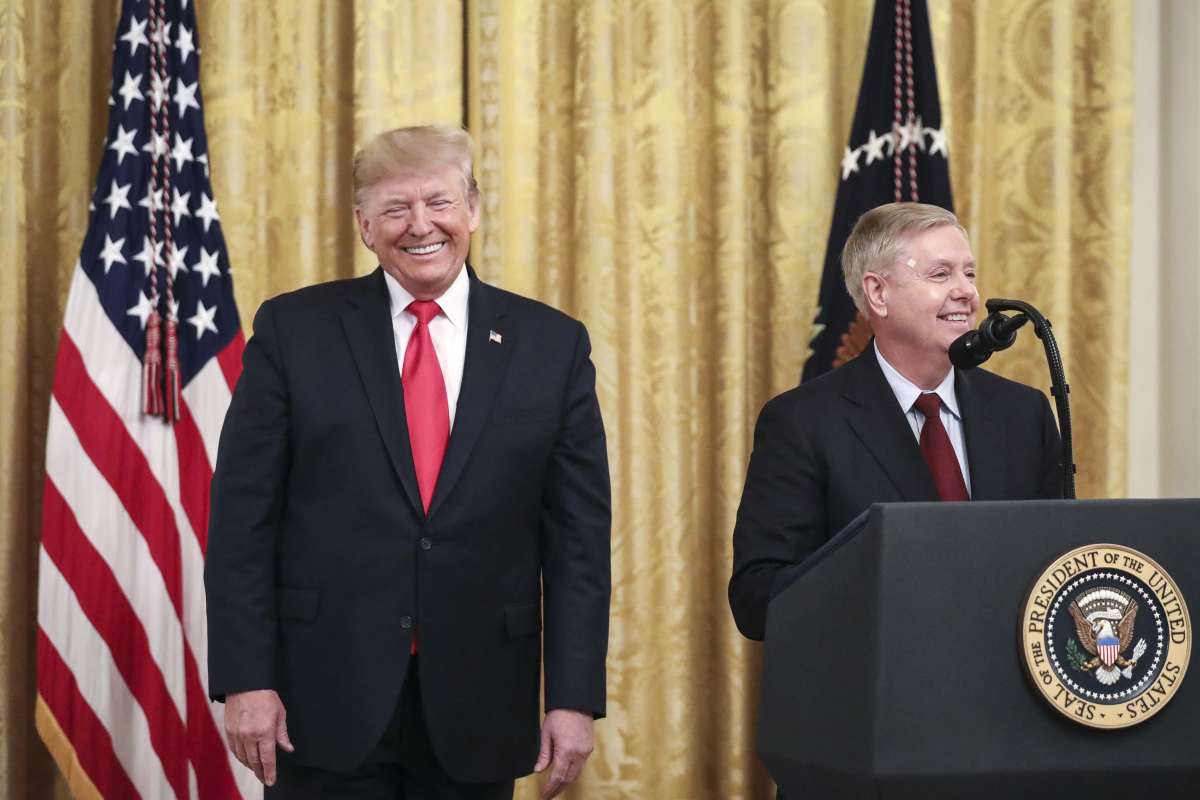
Graham’s remarks signal a shift in tone from his earlier stance. The South Carolina Republican, who has previously supported military action against
Tehran had argued that President Donald Trump did not require congressional approval for launching strikes earlier this year. He had also criticized the War Powers Act as unconstitutional in past interviews.
The US and Iran agreed to a temporary truce just hours before Trump’s deadline for Tehran to reach a deal or face intensified strikes on critical infrastructure.
Under the arrangement, Washington will pause its bombing campaign for two weeks, while Iran has agreed to reopen the Strait of Hormuz, a vital global shipping route that had remained largely closed for over a month.
Trump said most contentious issues had been resolved but indicated the pause would allow time to finalize the agreement.
Graham says nuclear concerns remain central
Graham reiterated that any deal must ensure Iran’s highly enriched uranium stockpile is fully controlled and removed to prevent future nuclear threats.
He referenced a ‘Libyan model’ of disarmament as a possible framework.
On Wednesday, Trump said Iran would not be allowed to enrich uranium under the agreement, adding that discussions on tariffs and sanctions relief were ongoing.
The ceasefire comes amid continued uncertainty over key provisions, particularly Iran’s nuclear programme and control of strategic waterways. Iran currently possesses uranium enriched up to about 60%, a level close to weapons-grade, and has used its stockpile as leverage in negotiations with the United States.
At the same time, Tehran has insisted on retaining influence over the Strait of Hormuz, through which roughly one-fifth of global oil supplies typically pass, making it one of the world’s most critical energy chokepoints.
While the ceasefire includes a temporary reopening of the route, officials caution that the truce remains fragile and contingent on further concessions from both sides.
Analysts note that disagreements over uranium enrichment and sanctions relief continue to be major sticking points, raising questions about whether a longer-term agreement can be reached within the limited two-week window.