Harry Sisson slams Trump's 10-point peace plan with Iran: 'What was the point of war?'

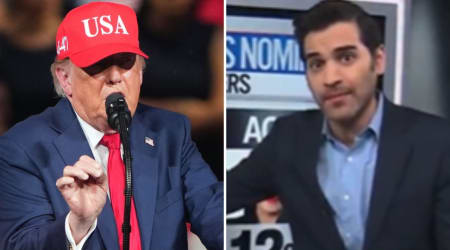
WASHINGTON, D.C.: Political commentator Harry Sisson has sharply criticized President Donald Trump’s proposed ceasefire deal with Iran, as details of a sweeping 10-point framework emerged along with a temporary halt in hostilities.
“Trump’s deal with Iran is sounding pretty terrible. They get complete control of the Strait of Hormuz, all sanctions removed, keep their uranium, and keep their missiles? What the hell was the point of the war then????”
Trump’s deal with Iran is sounding pretty terrible. They get complete control of the Strait of Hormuz, all sanctions removed, keep their uranium, and keep their missiles? What the hell was the point of the war then????
— Harry Sisson (@harryjsisson) April 7, 2026
The criticism comes amid a fragile two-week ceasefire window agreed to by both sides, intended to facilitate negotiations and prevent further escalation in the region.
10-point ceasefire plan
According to the proposal details, Iran has set out a broad set of conditions tied to the ceasefire. These include a complete halt to conflicts involving Iran in Iraq, Lebanon and Yemen, as well as a permanent end to direct hostilities against the country.
A key element of the proposal is reopening the Strait of Hormuz, along with mechanisms to ensure safe and secure navigation through this strategic waterway, which is vital for global oil shipments.
The framework also includes major economic demands. Iran has called for the lifting of all US sanctions, the release of frozen Iranian funds, and financial compensation for reconstruction following the conflict.
Additionally, the proposal states that Iran would commit to not pursuing nuclear weapons and calls for an immediate ceasefire on all fronts once the conditions are accepted.
OFFICIAL STATEMENT OF IRAN: pic.twitter.com/IZ9qoGpgK8
— The White House (@WhiteHouse) April 7, 2026
Iran’s Supreme National Security Council confirmed it has agreed to a two-week ceasefire window, but emphasized that the pause is conditional and does not represent a formal end to the war.
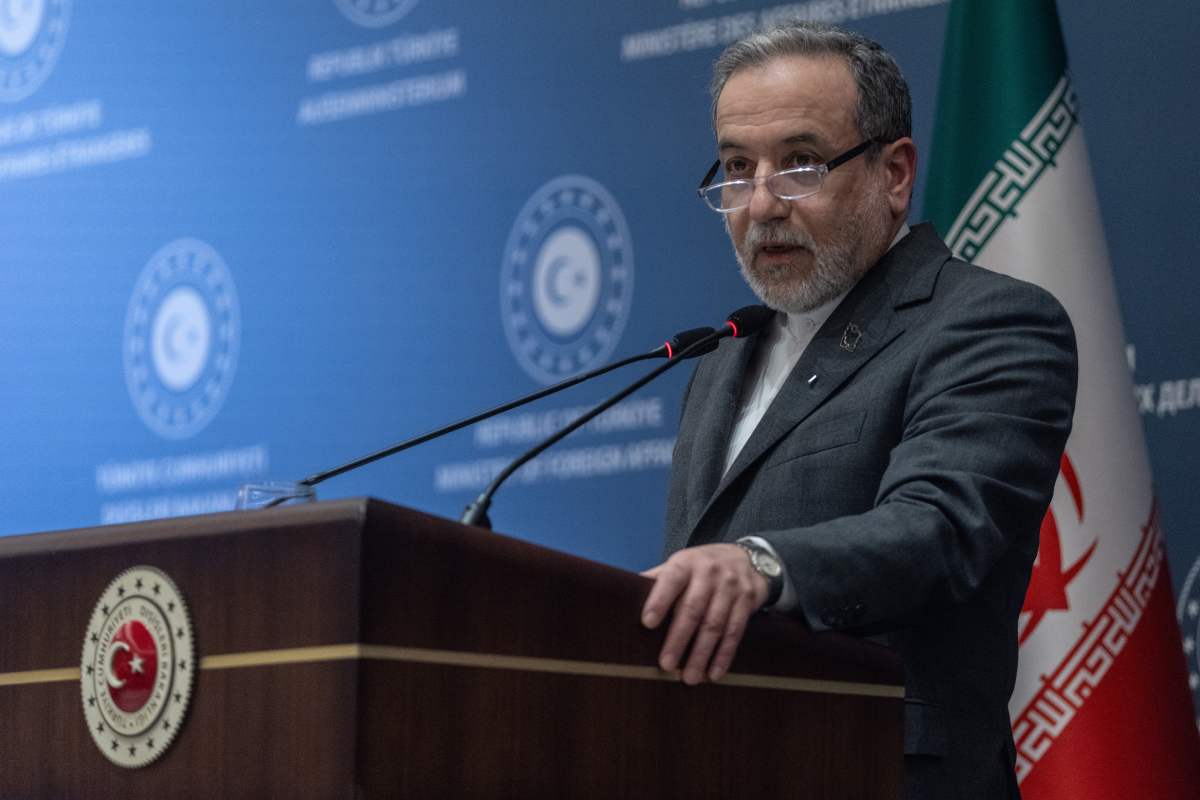
Foreign Minister Abbas Araghchi said Iran would allow safe passage through the Strait of Hormuz during the negotiation period, but only in coordination with its military and subject to certain limitations.
Trump calls proposal workable
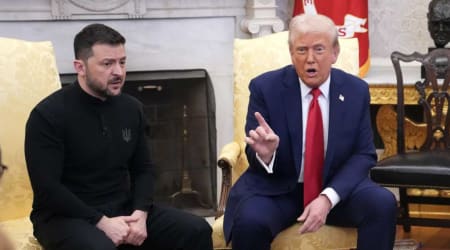
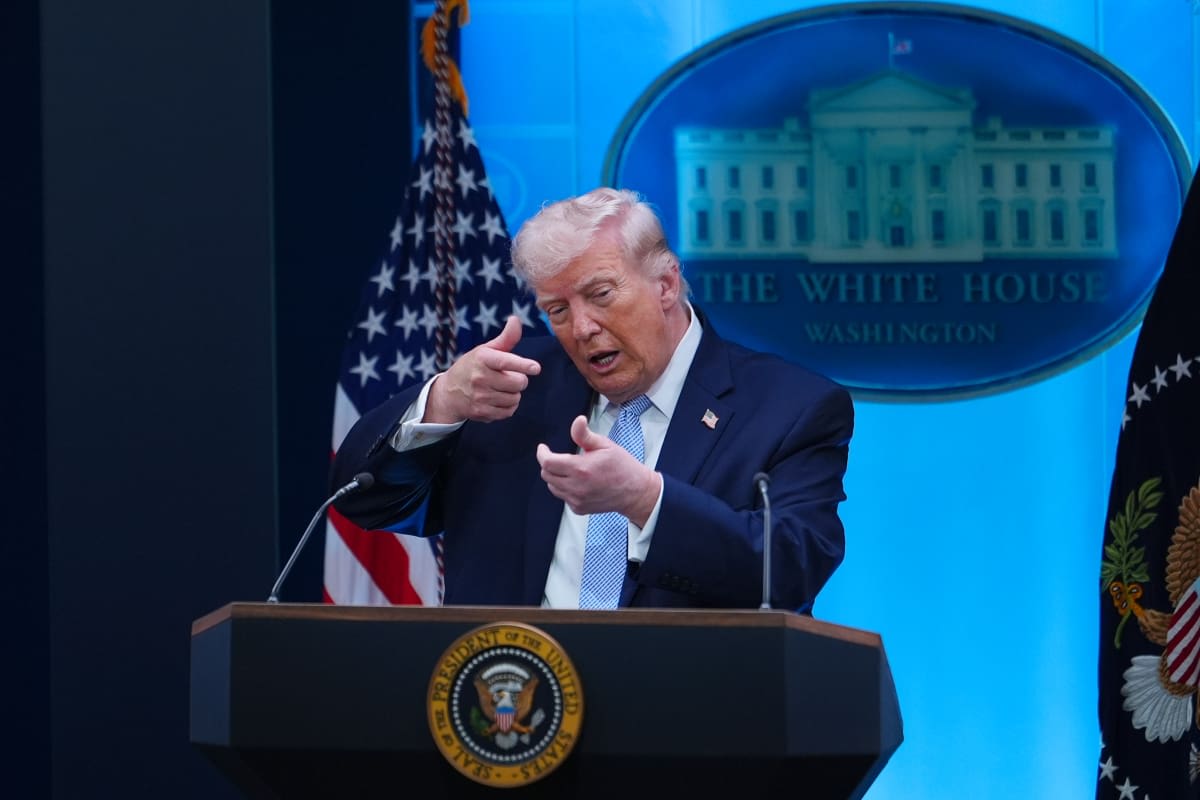
Trump announced the ceasefire on Tuesday, April 7, stating that the United States would suspend planned military strikes to allow diplomatic efforts to move forward.
He described the proposal as a “workable basis” for negotiations, noting that many longstanding points of contention between the US and Iran had already been addressed.
🚨 President Donald J. Trump makes a statement on Iran: pic.twitter.com/9mqTayL0Q3
— The White House (@WhiteHouse) April 7, 2026
Trump added that the ceasefire remains contingent on the “complete, immediate, and safe” reopening of the Strait of Hormuz. He said the two-week pause is intended to finalize a broader agreement that could potentially lead to a longer-term resolution of the conflict.
Trump’s announcement of the ceasefire agreement came less than two hours before the US president’s self-imposed 8pm Eastern Time deadline to bomb Iran’s power plants and bridges.