Vance faces Iran team in midnight talks as Hormuz ‘stalemate’ threatens peace
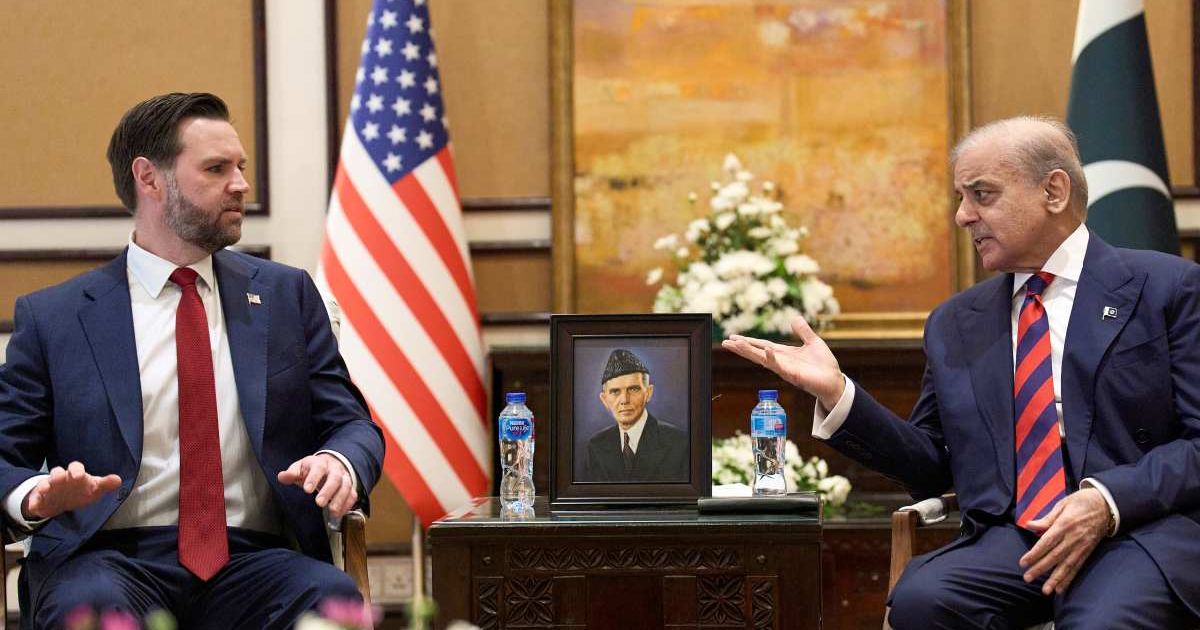
ISLAMABAD, PAKISTAN: High-stakes diplomatic talks between the United States and Iran have entered a perilous ‘Expert-Level’ stage at the Serena Hotel, with negotiations stretching past midnight and into Sunday morning.
Led by Vice President JD Vance, the US delegation is currently locked in a grueling face-to-face confrontation with a massive 71-member Iranian team, as mediators from Pakistan struggle to break a "serious disagreement" over the future of the Strait of Hormuz.
The atmosphere in Islamabad is described as incredibly secretive, with information moving at a crawl as the first phase of the trilateral talks concluded with a formal exchange of written texts.
While the lights remain on at the Serena Hotel at 11:00 PM local time, sources close to the Iranian delegation have indicated that US demands regarding maritime security are being viewed as "too ambitious," leading to a diplomatic stalemate that has left the world’s energy markets on edge.
Expert committees battle over technical details
The negotiations have now pivoted into specialized committees focusing on the four "technical" pillars of a potential permanent deal: economic, military, legal, and nuclear issues.
Iran’s government confirmed via social media that these expert-level groups are meeting to "finalize technical details" of the 10-point and 15-point frameworks currently on the table.
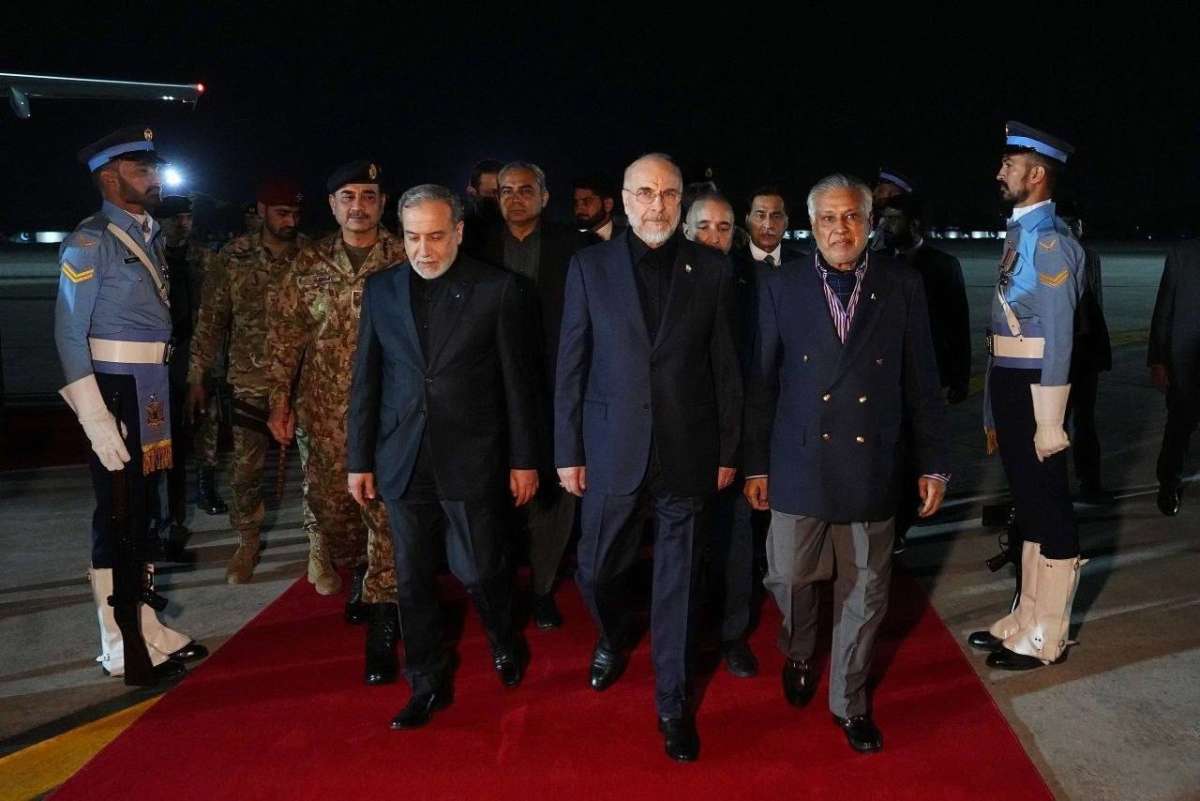
The US has deployed a "full suite of US experts" to match the 71-man Iranian contingent, which includes negotiators, media representatives, and security personnel.
Vice President Vance is being supported on the ground by Jared Kushner, special envoy Steve Witkoff, and top aides Andrew Baker and Michael Vance.
Additionally, "additional experts" are reportedly supporting the committees in real-time from Washington, DC, as the two sides attempt to reach a common framework.
‘Serious Disagreement’ paralyzes Hormuz negotiations
The most significant friction point remains the Strait of Hormuz. Iran’s semi-official Tasnim news agency has reported that progress is being hindered by what they characterize as "usual excessive demands" from Washington.
The agency confirmed that while texts are being exchanged to find common ground, the "issue of the Strait of Hormuz is one of the issues facing serious disagreement."
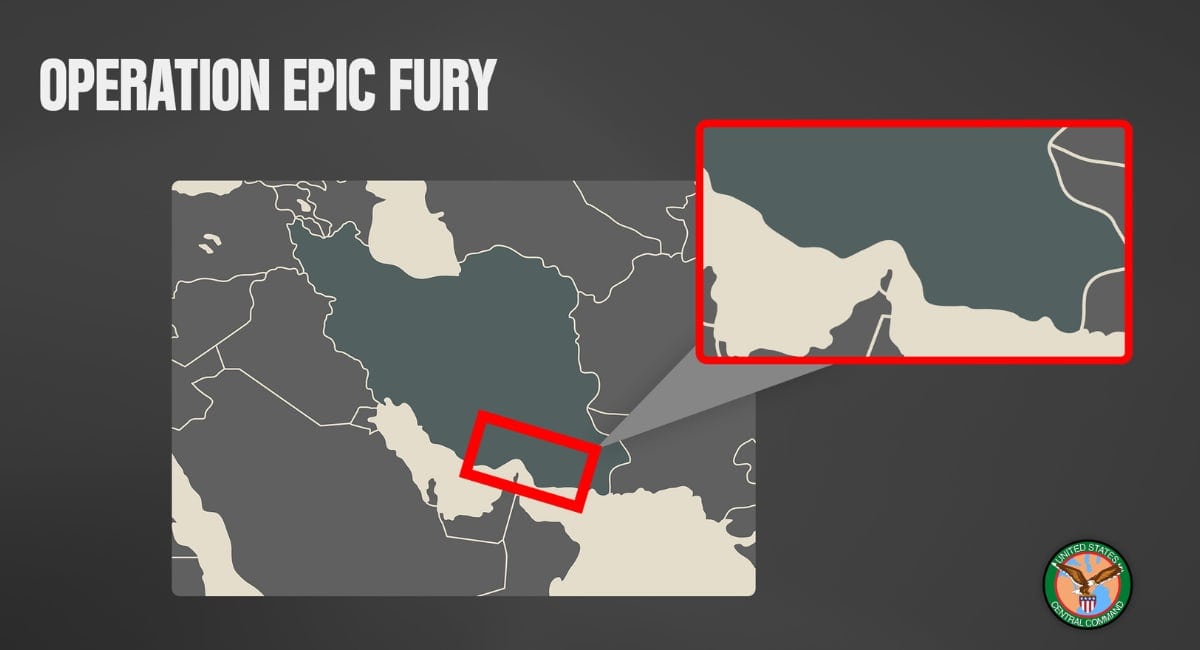
The US has pushed for a "Complete, Immediate, and Safe Opening" of the waterway, potentially including a revolutionary joint-toll system.
However, Iranian negotiators appear to be balking at the scale of US oversight.
Sources at the Serena Hotel suggest that the "excessive" nature of the American demands has prevented a breakthrough, even as Pakistan’s Prime Minister Shehbaz Sharif and army chief Field Marshal Asim Munir remain in the room to facilitate the dialogue.
Midnight breakout sessions offer slim hope
Despite rumors that the talks had collapsed earlier in the evening, reports from the Jinnah Convention Centre indicate that the delegations actually moved into intense "breakout sessions."
During these intervals, the parties exchanged notes back and forth before realizing they could reach a point where face-to-face talks could resume.
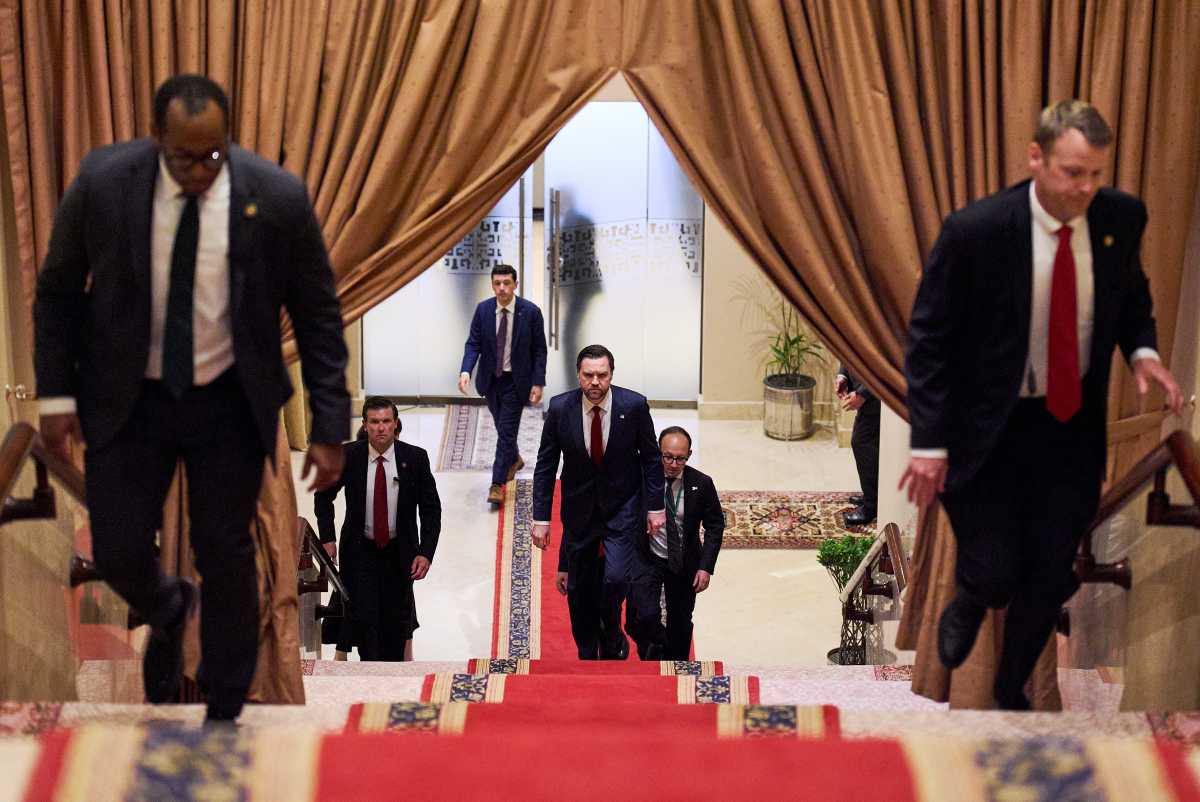
At 11:00 PM (18:00 GMT), the US and Iranian delegations were once again seated together.
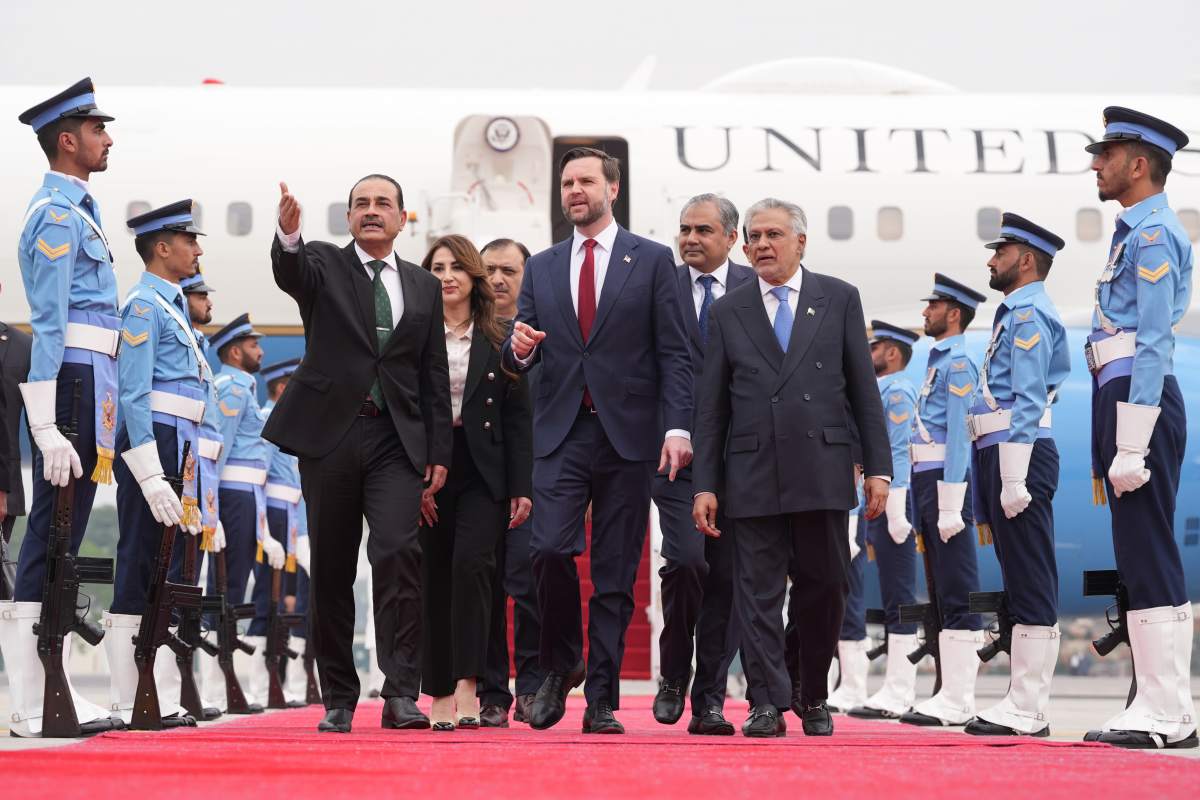
This late-night persistence has fueled speculation that JD Vance may delay his return to the United States. Although the Vice President was initially expected to spend less than 24 hours in Pakistan after his 11:00 AM arrival.
Saturday arrival, the complexity of the "expert-level" technicalities may force the summit to stretch well into Sunday.
Flagging energy as stalemate persists
The grueling schedule has taken a toll on the hundreds of journalists waiting across from the venue.
After a day that began with the Iranian delegation holding bilateral meetings with Prime Minister Sharif past midnight on Friday, energy levels are "visibly flagging" as the clock ticks toward Sunday morning with no breakthrough to report.
The secrecy surrounding this trip is unprecedented, with both sides keeping a tight lid on the "written texts" exchanged during the first phase.