Iran unleashes strikes in Middle East, Israel after Trump’s White House address
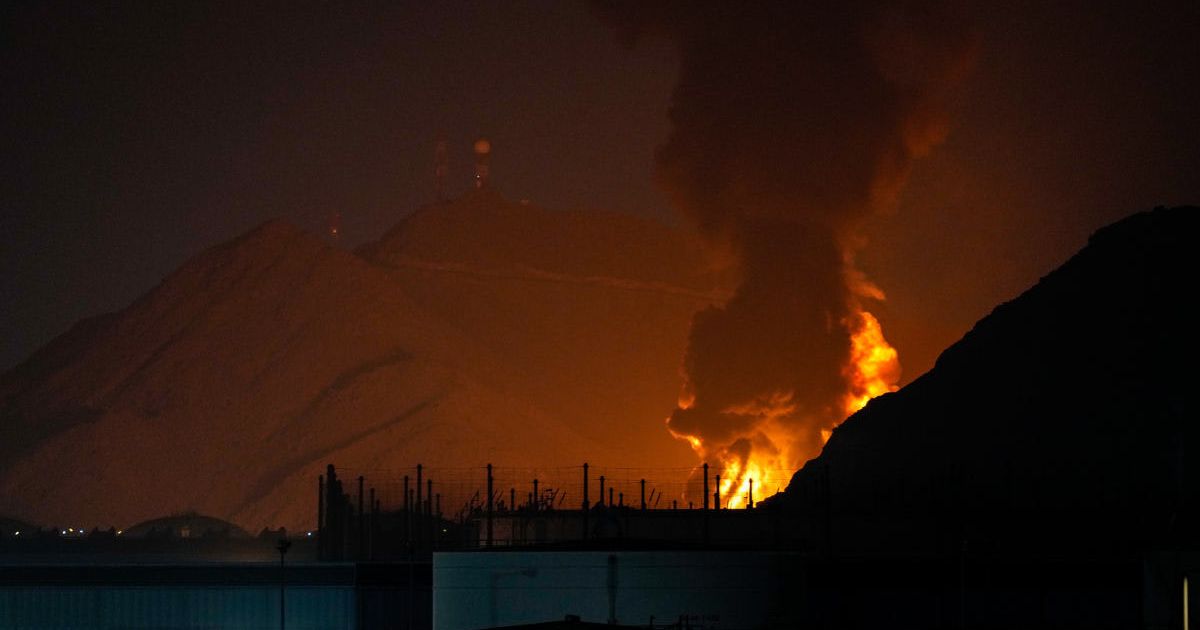
DUBAI, UAE: Iran launched a sweeping wave of missile attacks on Thursday, April 2, across Israel and key Gulf states within hours of US President Donald Trump declaring that Washington was “very close” to completing its strategic objectives in the region.
The strikes, which reportedly began even as Trump was speaking, pointed to Tehran’s defiance and willingness to escalate despite ongoing backchannel talks.
Tehran signals resilience and dismisses US strikes
Iranian military spokesperson Lt Col Ebrahim Zolfaghari dismissed the effectiveness of recent US targeting, claiming that critical military infrastructure remains beyond reach.
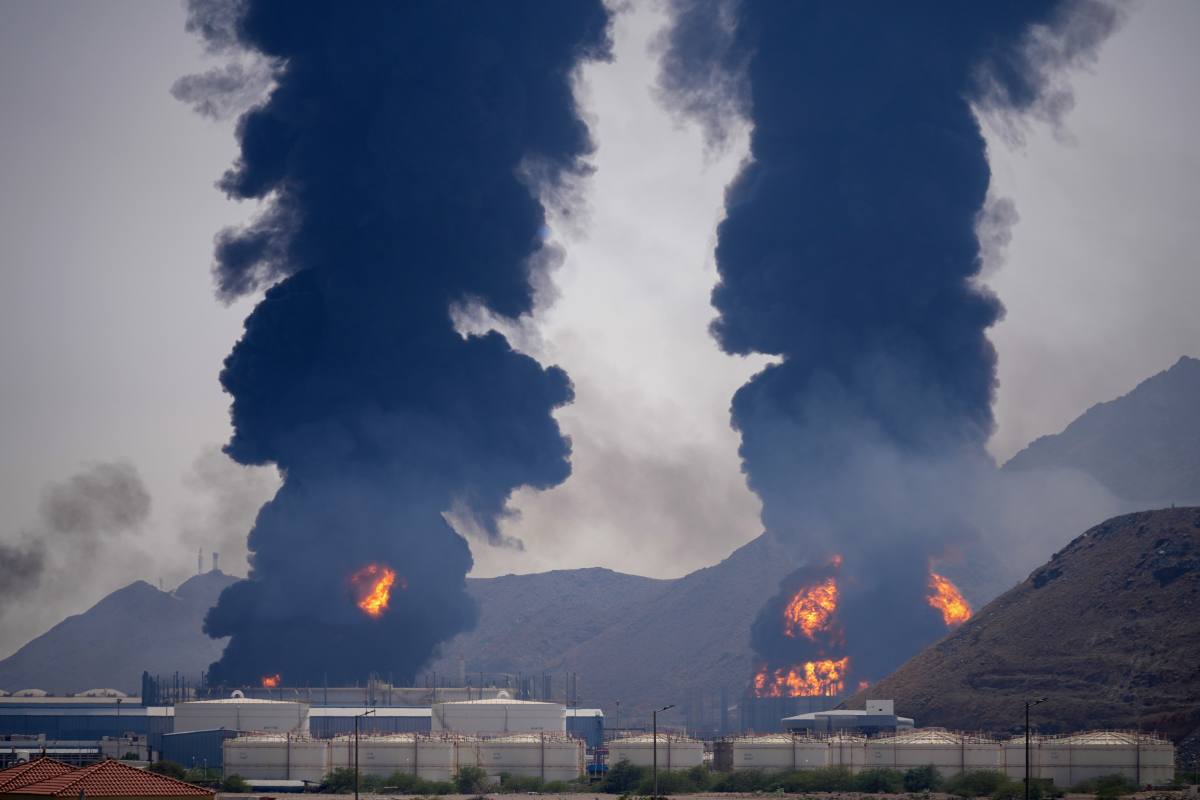
“The centers you think you have targeted are insignificant,” he said, asserting that Iran’s strategic capabilities are intact and concealed. The missile campaign extended beyond Israel, with reported strikes on Bahrain and earlier attacks targeting Dubai.
Saudi Arabia confirmed intercepting incoming missiles, while Qatar and Kuwait have also faced direct hits in recent days, including an attack on a Qatar Energy oil tanker and damage to Kuwait’s airport.
The widening scope of hostilities has intensified concerns across the Gulf.
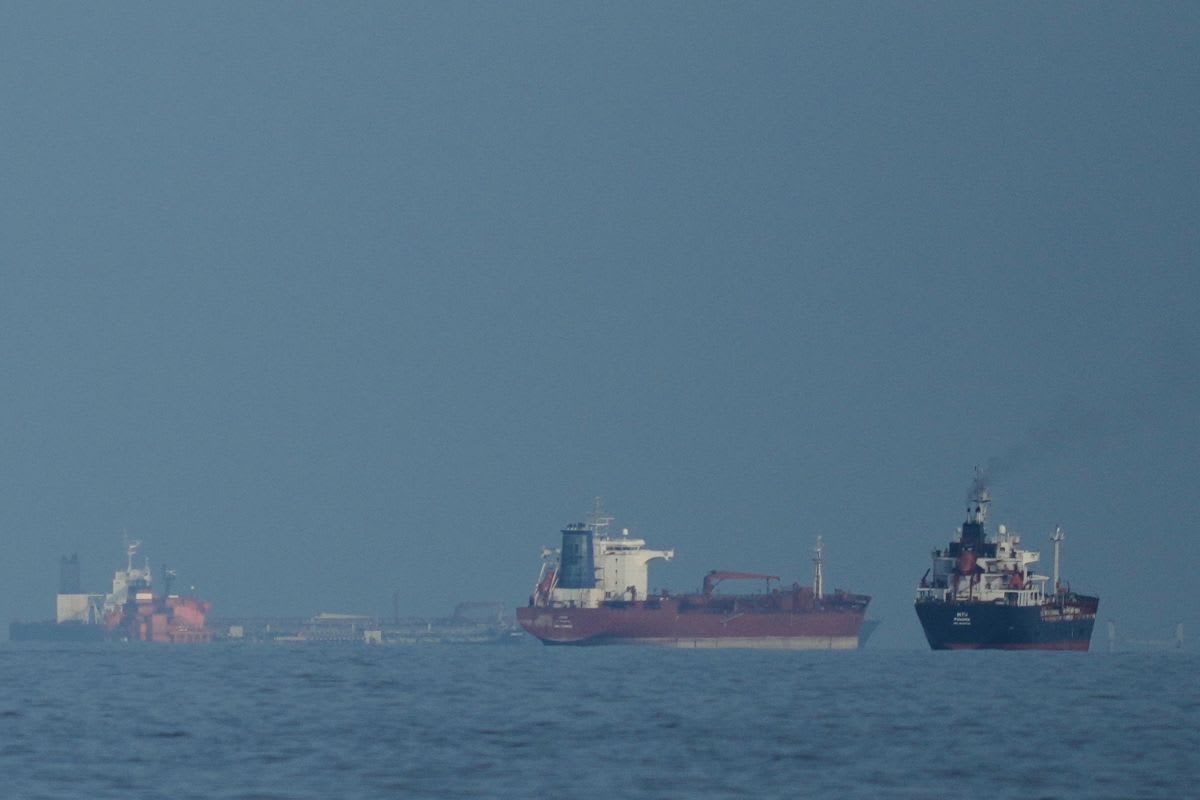
Economic fallout mounts as Strait of Hormuz tensions rise
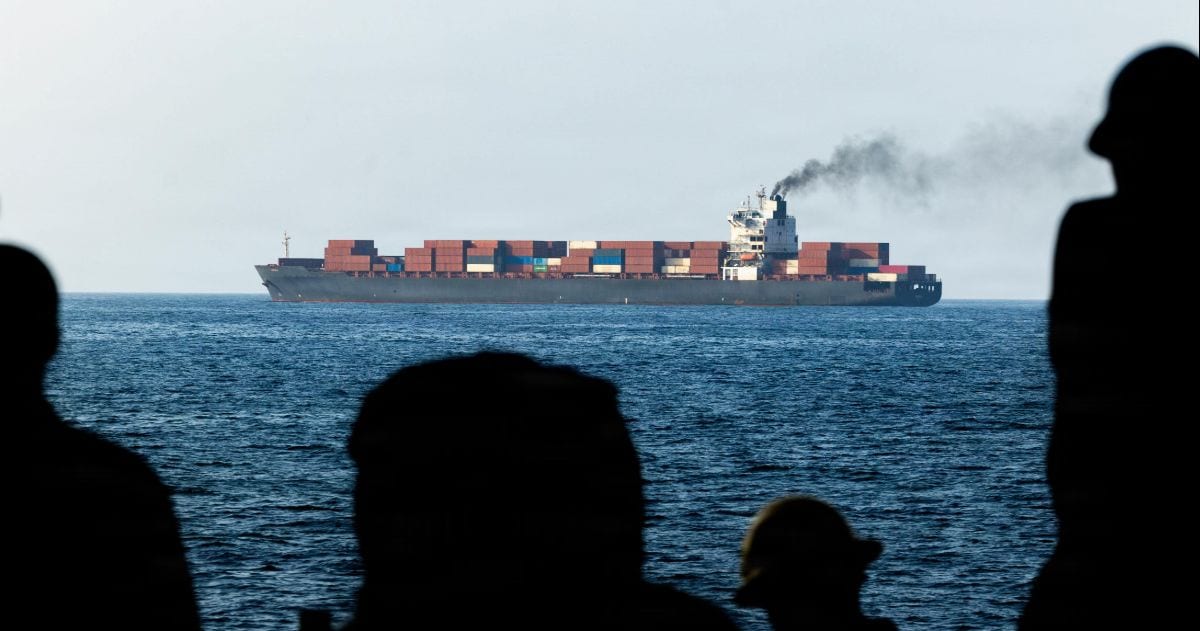
Iran’s aggressive posture, including its control over the Strait of Hormuz, has rattled global energy markets, pushing crude prices higher.
While Gulf nations have publicly maintained neutrality, reports suggest they are privately urging Washington to decisively neutralize the Iranian threat to restore regional stability.
Tehran has acknowledged receiving communication from US special envoy Steve Witkoff, but Foreign Minister Abbas Araghchi indicated deep mistrust, stating that “the trust level is at zero.”
Uncertainty persists over whether Iran is willing to engage in formal negotiations, particularly as it may seek significant concessions in exchange for reopening the strategic waterway or relinquishing nuclear assets.
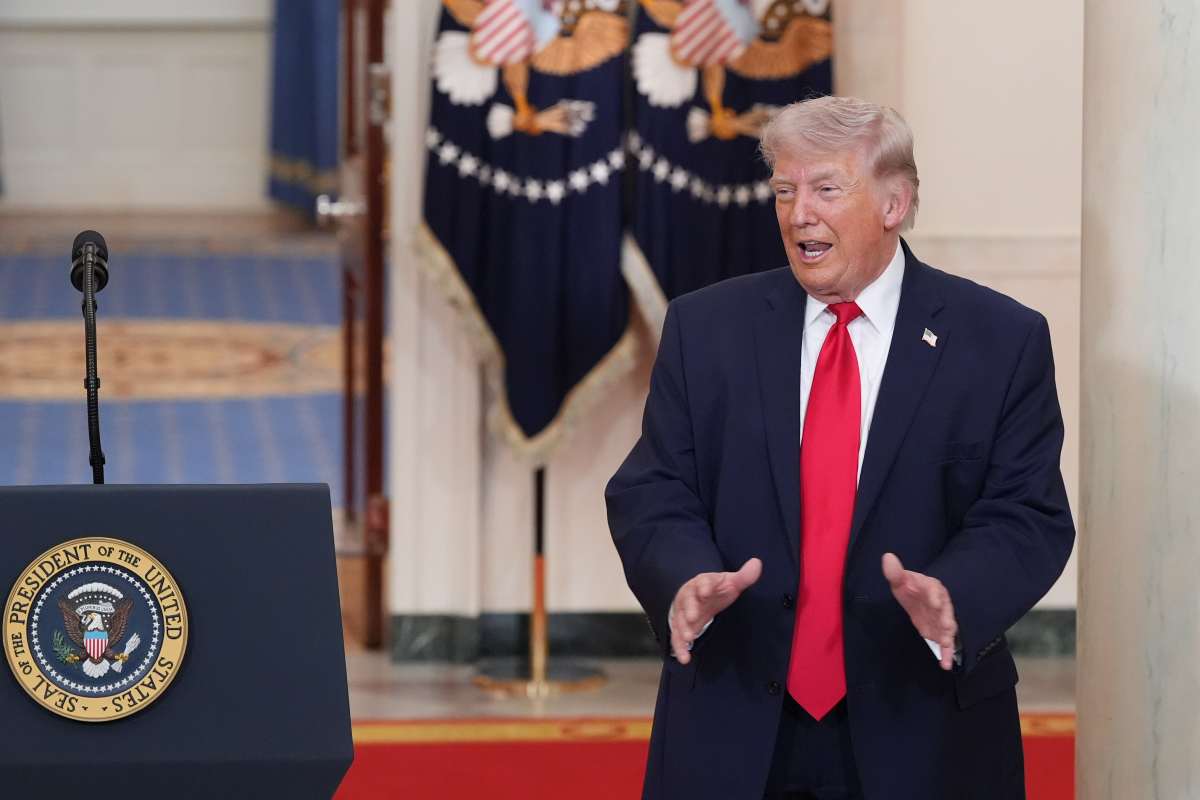
Global powers circle as conflict widens
Amid escalating tensions, intelligence assessments suggest China and Russia are providing Iran with strategic support, including intelligence sharing.
Beijing is also preparing humanitarian assistance for countries affected by the conflict, while positioning itself as a potential mediator following earlier diplomatic outreach.
In remarks earlier in the day, Trump called on major oil-dependent nations such as South Korea, Japan and China to take a more active role in securing the Strait of Hormuz, signaling a potential shift in US expectations as the conflict enters a critical phase.