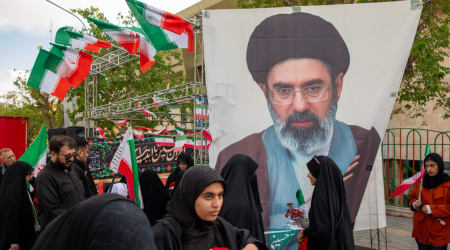
Iranian foreign minister accuses US of ‘detached from reality’ claims, cites Vietnam War
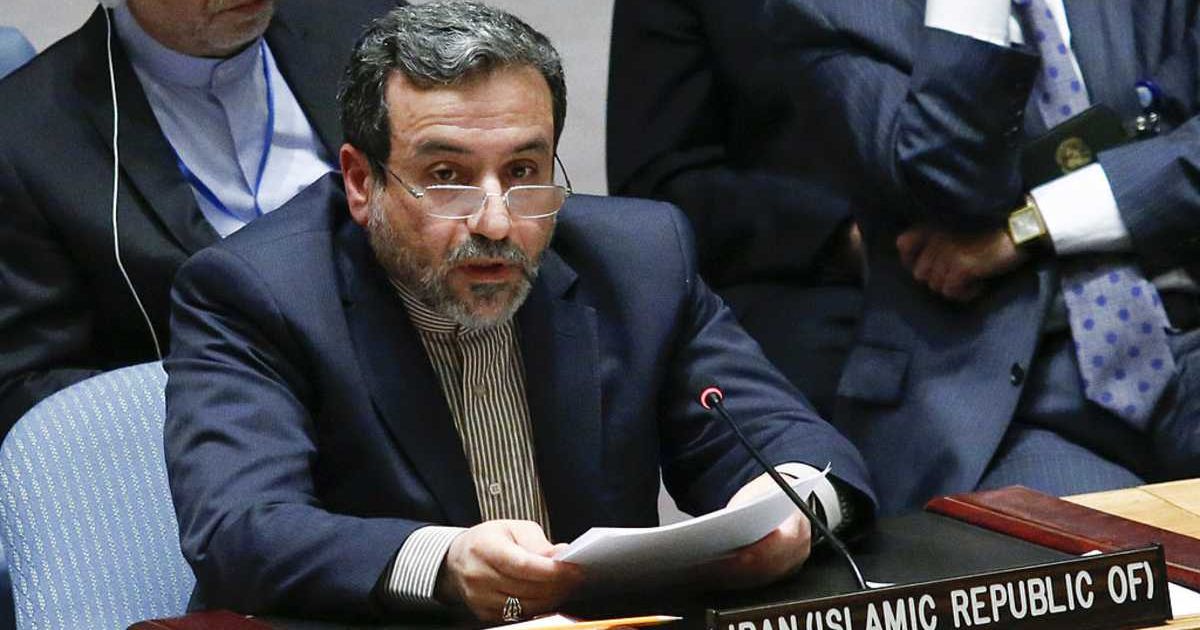
TEHRAN, IRAN: Iranian Foreign Minister Abbas Araghchi on Friday, March 20, criticized the United States’ characterization of the ongoing conflict, accusing Washington of misrepresenting developments on the ground.
In a series of posts on X, he drew comparisons between current US statements and narratives from the Vietnam War era.
His remarks come as tensions continue to escalate between the two countries. Araghchi also questioned US claims regarding damage to Iran’s military capabilities.
Araghchi compares US messaging to Vietnam-era briefings
Araghchi said the US government’s portrayal of progress in the conflict did not align with realities on the ground, describing it as disconnected from factual developments.
He referenced historical examples from the Vietnam War to illustrate his argument.
“Americans haven’t forgotten how, even as hundreds of US soldiers were dying in Vietnam, and the outcome was already clear, General William Westmoreland was flown home to reassure everyone that the war was going well, that the US was ‘winning,’” Araghchi said.
Americans haven’t forgotten how, even as hundreds of U.S. soldiers were dying in Vietnam, and the outcome was already clear, General William Westmoreland was flown home to reassure everyone that the war was going well — that the U.S. was “winning.”
— Seyed Abbas Araghchi (@araghchi) March 20, 2026
He also pointed to how such briefings were perceived at the time. “The media haven’t forgotten either; those briefings full of fantasy from the frontlines became infamous as the 'Five O’Clock Follies.' Fast forward to today: same script, different stage; Hegseth steps up, and the message is still detached from reality,” Araghchi wrote, referring to US Defense Secretary Pete Hegseth.
The media haven’t forgotten either; those briefings full of fantasy from the frontlines became infamous as the “Five O’Clock Follies."”
— Seyed Abbas Araghchi (@araghchi) March 20, 2026
Fast forward to today: same script, different stage; Hegseth steps up, and the message is still detached from reality.
Araghchi further challenged Washington’s assertions about the extent of damage to Iran’s military infrastructure.
“US government says one thing, reality says another,” he added, questioning claims that Iran’s air defenses and navy had been destroyed.
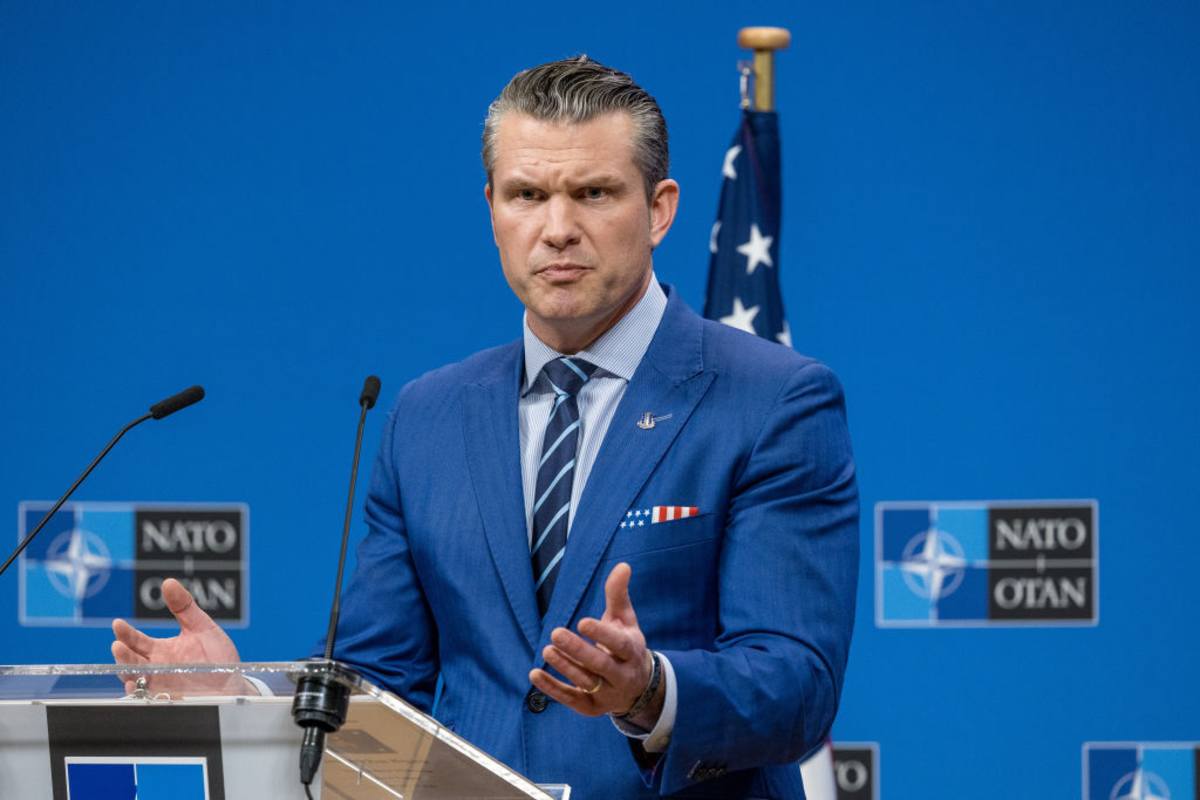 Pete Hegseth holds a closing press conference following NATO defense ministers’ meetings at NATO headquarters in Brussels on February 13, 2025. Chaired by NATO Secretary General Mark Rutte, the gathering marked the first NATO visit by a member of the new Trump administration, with allies focused on how the United States plans to shape the trajectory of the war in Ukraine as the conflict approaches the third anniversary of Russia’s full-scale invasion (Photo by Omar Havana/Getty Images)
His remarks follow recent statements by Hegseth, who said that families of US service members killed in the conflict had urged him to “finish” the job in Iran.
However, at least one father reportedly denied making such a statement, raising questions about the claim that “family after family” had conveyed similar sentiments after meeting with the administration.
US deploys additional Marines as conflict nears week four
Thousands more US Marines and sailors are being redirected toward the Middle East as the conflict with Iran approaches its fourth week, according to US officials.
The 11th Marine Expeditionary Unit and Boxer Amphibious Ready Group have had their deployment accelerated and rerouted to the region.
One US official said it remains unclear whether the entire Amphibious Ready Group, Marine Expeditionary Unit (ARG-MEU) will deploy or if only select elements will be sent.
The group had originally been scheduled for deployment to the Indo-Pacific, though further details regarding the timeline and scope of the new mission have not been disclosed.
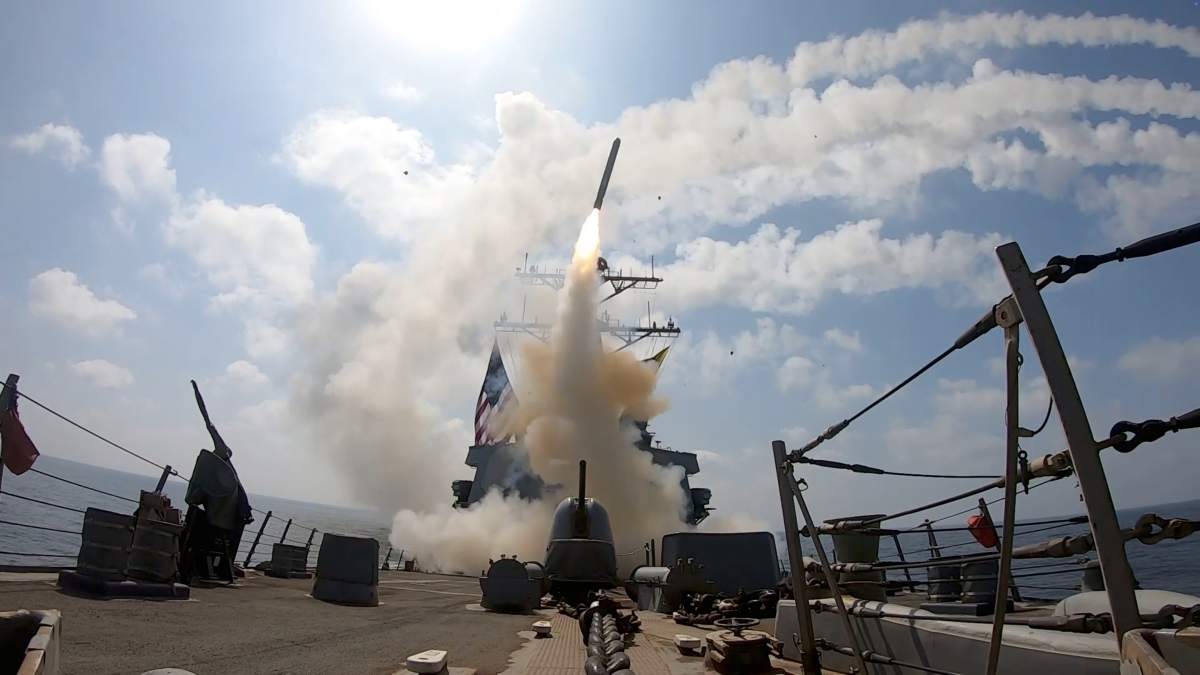
Officials said it is not yet known whether both Marine Expeditionary Units will operate in the Middle East simultaneously or if one will replace the other upon arrival.
Each MEU typically consists of around 2,200 Marines and sailors, while the full ARG-MEU structure includes approximately 4,500 personnel.
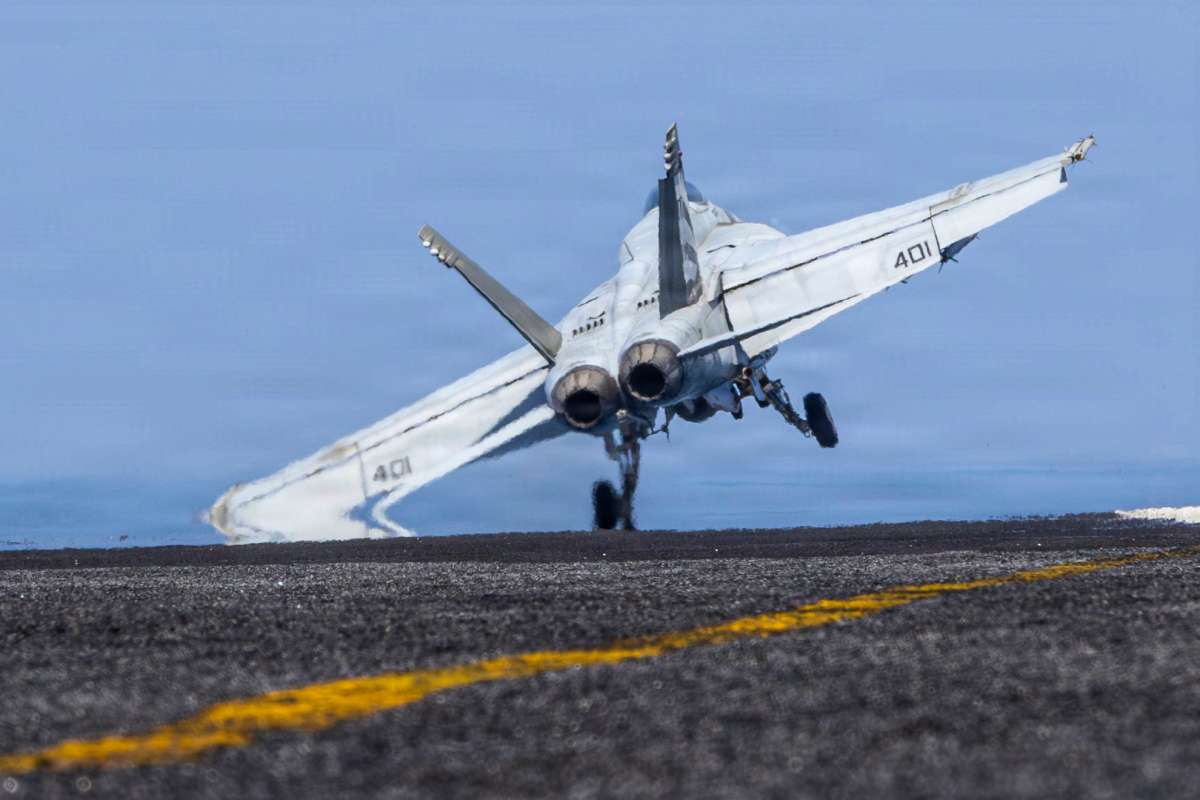
These units are designed as rapid-response forces with a wide range of operational capabilities.
They can support evacuation missions, conduct amphibious operations, and provide aviation and logistical support.
According to one official, their presence could offer additional flexibility to commanders and potentially “relieve pressure” on ongoing operations in the region.