Thousands of Marines race toward Iran as Trump moves to storm the Strait of Hormuz
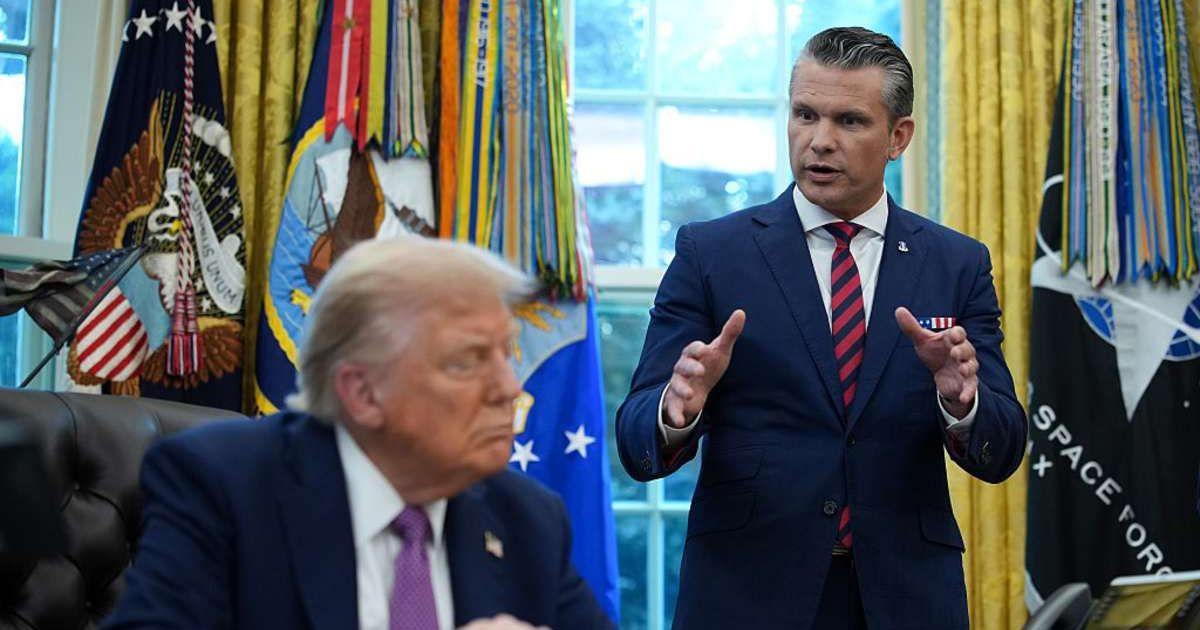
WASHINGTON, DC: The Pentagon has ordered a second major deployment of US Marines to the Middle East within days, expanding the American military footprint as the conflict with Iran enters its fourth week.
The San Diego-based USS Boxer, carrying the 11th Marine Expeditionary Unit (MEU), was redirected on Friday, March 20, from a planned Indo-Pacific mission toward waters near Iran, according to US officials.
This move follows the earlier deployment of the USS Tripoli and the 31st MEU, which was recently tracked transiting the Strait of Malacca and is expected to reach the region by the end of March.
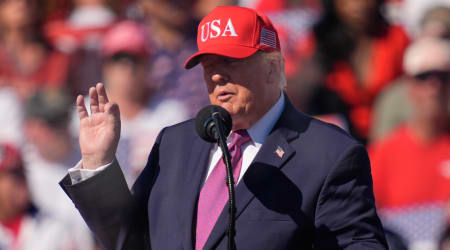
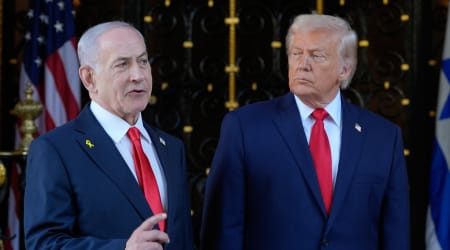
President Donald Trump has simultaneously pushed for increased troop numbers to reopen the Strait of Hormuz, while criticizing NATO allies for not contributing forces to the effort.
Massive naval armada converges on Iran
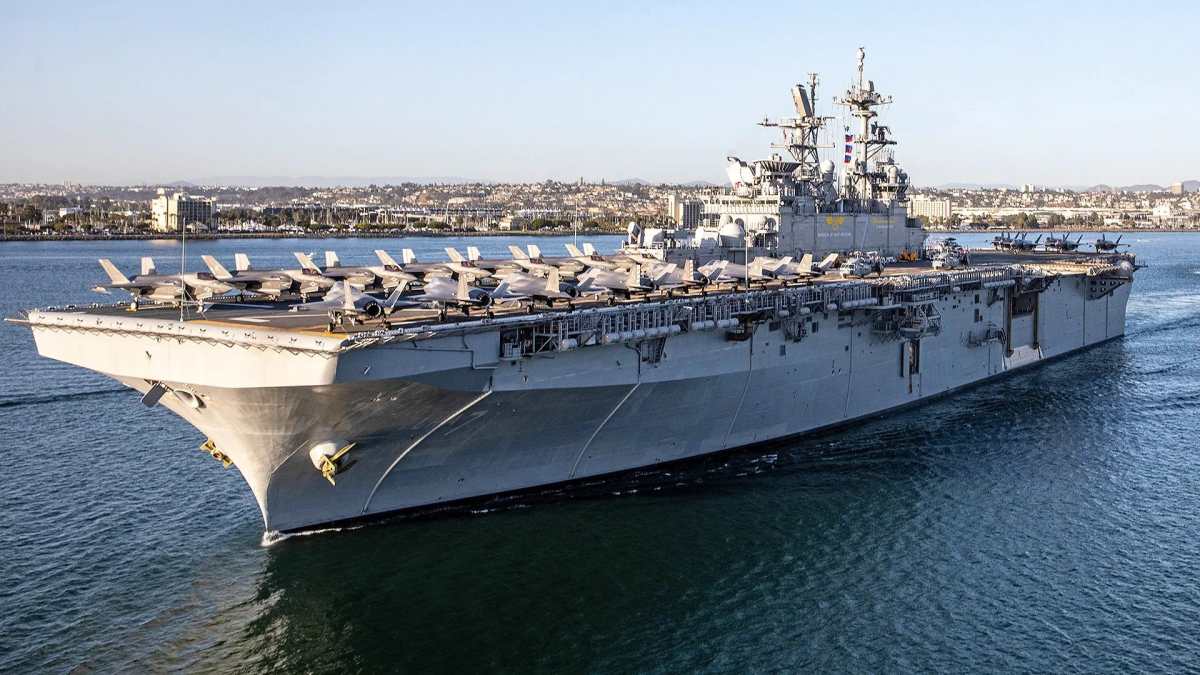
The deployment of the 11th MEU adds roughly 2,200 to 2,500 Marines and accompanying sailors to the region, joining a similarly sized force already en route aboard the USS Tripoli.
Together, the two expeditionary units significantly expand US rapid-response capabilities, bringing additional aviation, logistics, and amphibious assault assets into the theater.
Each Marine Expeditionary Unit operates as a self-contained force, capable of conducting air, sea, and limited ground operations.
Defense officials say these deployments provide commanders with flexible options, ranging from securing shipping lanes to supporting broader combat operations if required.
While the USS Tripoli group is expected to arrive in the region within days, the USS Boxer strike group will take several weeks to reach the Middle East.
It remains unclear whether both units will operate simultaneously or if one will rotate in as a replacement, but their combined presence signals a sustained buildup.
Trump refuses to rule out invasion

President Trump said this week that he has “no immediate plans” to deploy ground troops into Iran, but stopped short of ruling out such a move.
He indicated that potential military actions would not be previewed publicly, even as deployments continued to accelerate.
The positioning of amphibious forces has drawn attention in Washington and among defense analysts, as similar naval buildups preceded earlier operations, including the February escalation in Iran and a prior US mission in Venezuela.
Officials have not confirmed any decision to launch a ground assault, but the presence of multiple Marine Expeditionary Units increases the range of available military options, including coastal operations or securing strategic infrastructure.
Rapid response forces offer diverse options
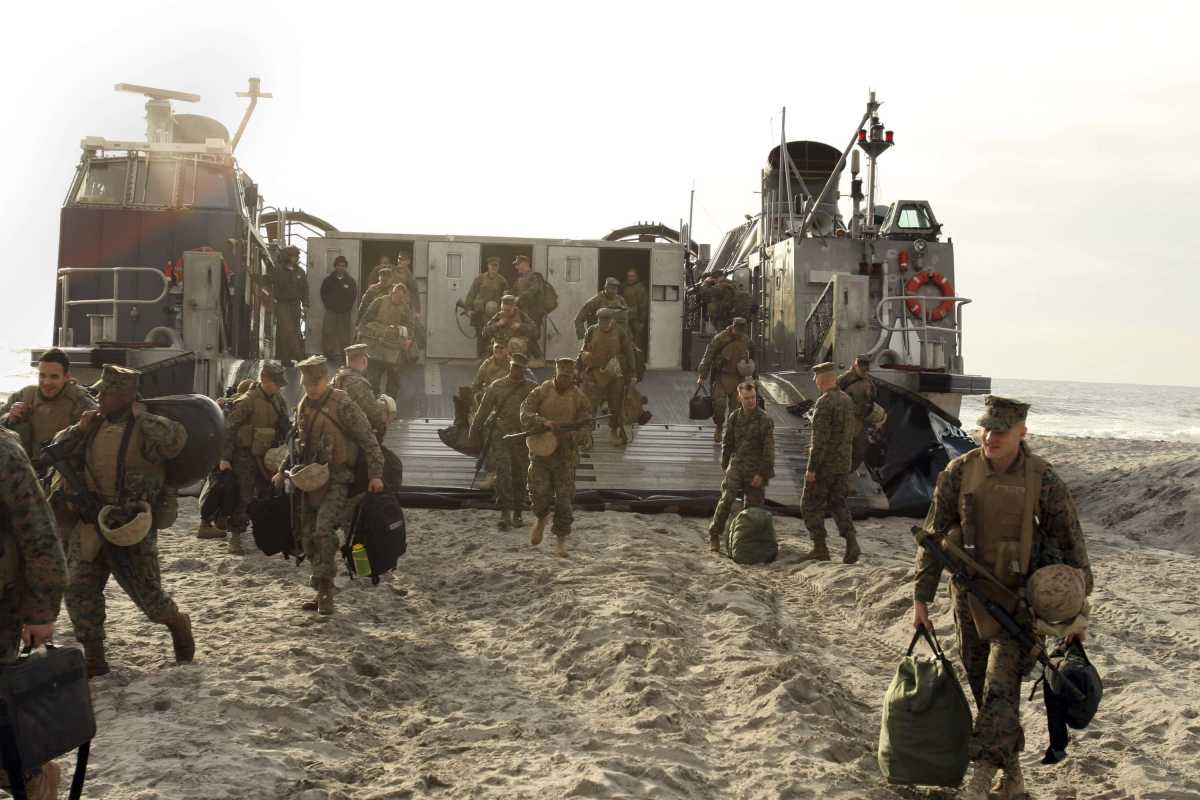
Marine Expeditionary Units are designed for crisis response, combining infantry, aircraft, and logistics under a single command structure. These forces can conduct amphibious landings, evacuations, and targeted strikes, often operating independently for extended periods.
The current deployments add to an already substantial US presence in the region, which includes tens of thousands of troops and multiple naval assets. Officials say the additional forces are intended to reinforce operational flexibility as the situation evolves.
The Pentagon has not disclosed specific mission details for the USS Boxer or USS Tripoli groups. However, the buildup comes as the administration continues to focus on reopening the Strait of Hormuz, a critical global shipping route disrupted by the conflict.