US deploys USS Tripoli and Marines to Middle East to 'disable' Iranian military
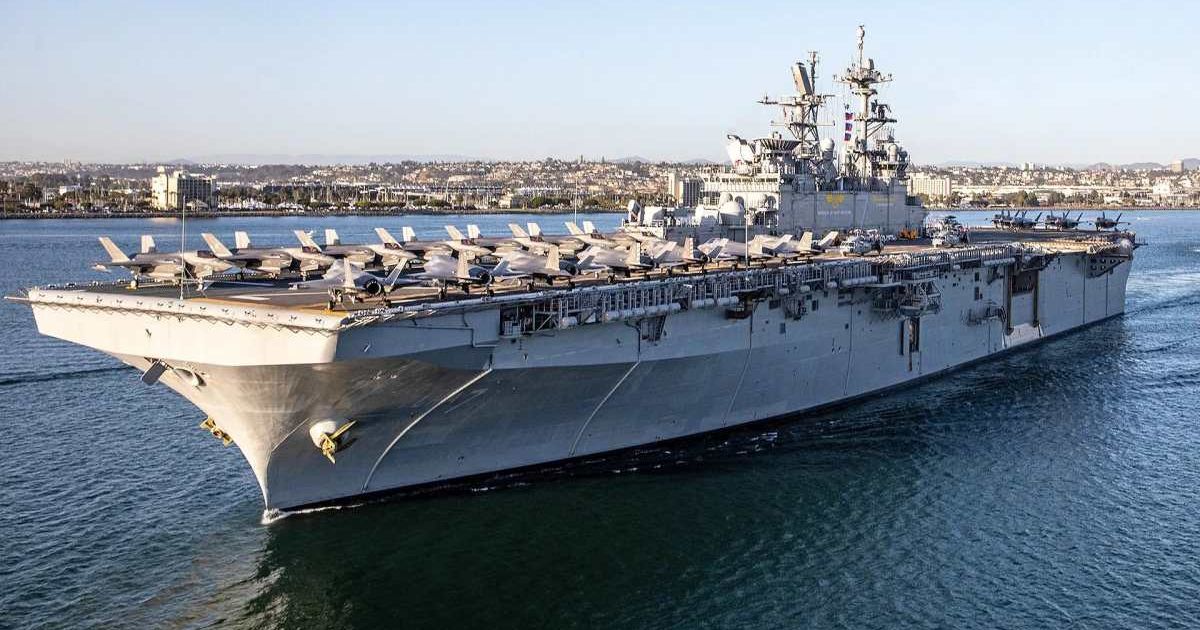
WASHINGTON, DC: Defense Secretary Pete Hegseth has authorized the deployment of the USS Tripoli and a Marine expeditionary unit to the Middle East, a senior US official confirmed to Axios on Friday, March 13.
The move significantly increases American combat power in the region, adding thousands of Marines, several warships, and advanced F-35 fighter jets to the ongoing conflict.
The deployment follows a formal request from US Central Command for additional forces to expand military options against the Iranian regime.
While the Marine expeditionary unit is capable of conducting ground operations if ordered, officials have declined to comment on the likelihood of a land-based escalation at this stage.
31st Marine Expeditionary Unit arrives as Hormuz tensions rise
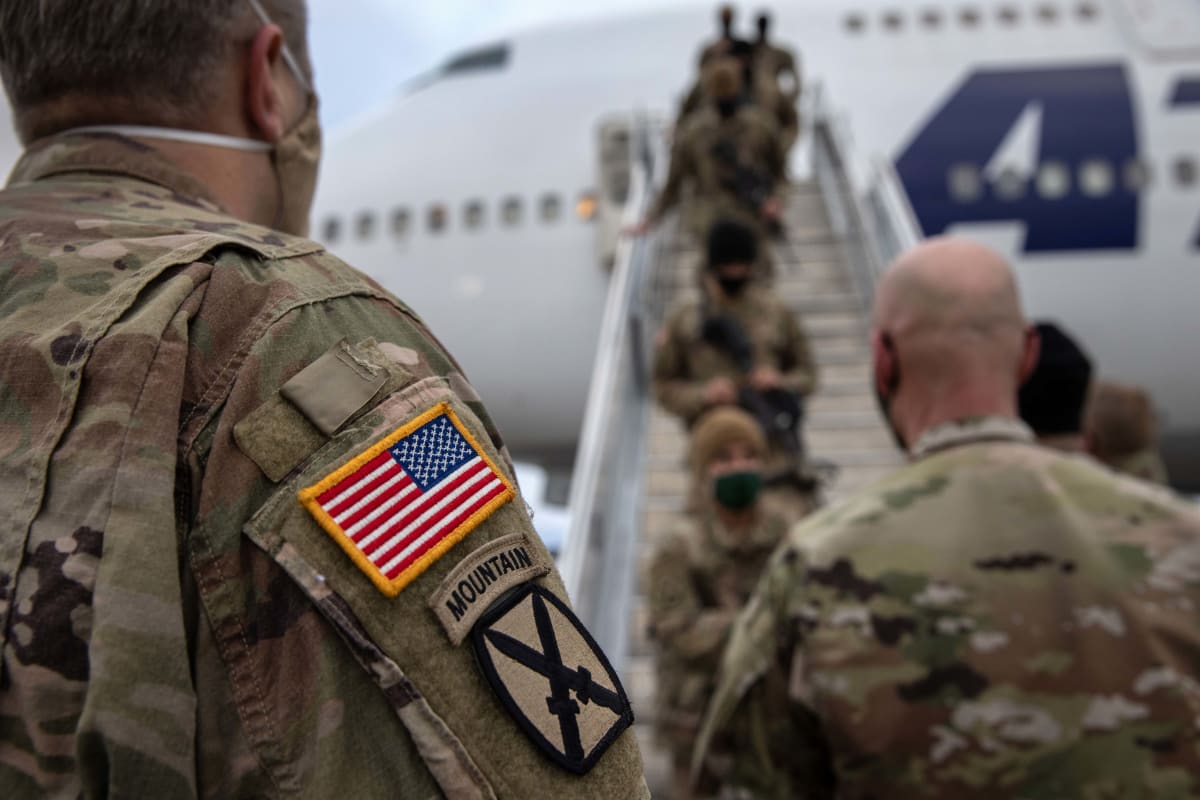
The arrival of the 31st Marine Expeditionary Unit provides the Pentagon with versatile capabilities that extend beyond the current air and sea campaign.
Moving into the region as Iran continues to harass traffic in the Strait of Hormuz, this force is designed to respond to shifting battlefield dynamics.
In addition to the USS Tripoli, the expeditionary strike group includes the guided-missile cruiser USS Robert Smalls and the guided-missile destroyer USS Rafael Peralta.
These assets are expected to secure the perimeter for potential operations while providing a launchpad for F-35 strikes against strategic targets.
Targeting land-based anti-ship missile sites

As global oil and insurance prices surge due to Iranian disruptions, the US is pivoting toward a strategy of direct protection for commercial vessels.
Treasury Secretary Scott Bessent indicated that Navy escorts could begin "soon," noting that the conflict has already cost the US economy approximately $11 billion.
Before these escorts can safely commence, sources indicate the military is planning operations to eliminate land-based anti-ship missiles deployed by Iran along the Strait.
Joint Chiefs Chair Gen Dan Caine emphasized that the mission remains focused on destroying Iran’s mine-laying capabilities and its ability to threaten international shipping lanes.
Iranian military manufacturing capabilities neutralized
Defense Secretary Pete Hegseth says Iran has no air defenses, air force and navy, adding that the U.S. is also targeting the Iranian regime's "ability to build more" missiles. https://t.co/ierzN2epDe pic.twitter.com/UauryjGF5M
— CBS News (@CBSNews) March 13, 2026
Secretary Hegseth insisted on Friday that the US was on a trajectory to "defeat, destroy, and disable" all meaningful Iranian military capabilities at an unprecedented pace.
He noted that beyond the destruction of the Iranian Air Force and Navy, the regime has lost the ability to replenish its depleted hardware.
"They also don't have the ability to build more. That's the most important component," Hegseth said, highlighting the systematic dismantling of the regime's manufacturing infrastructure.
As of Friday, the US has suffered 13 military deaths in the conflict, following the recent crash of a refueling tanker in Iraq.