Six US service members were killed in a refueling aircraft incident in Iraq
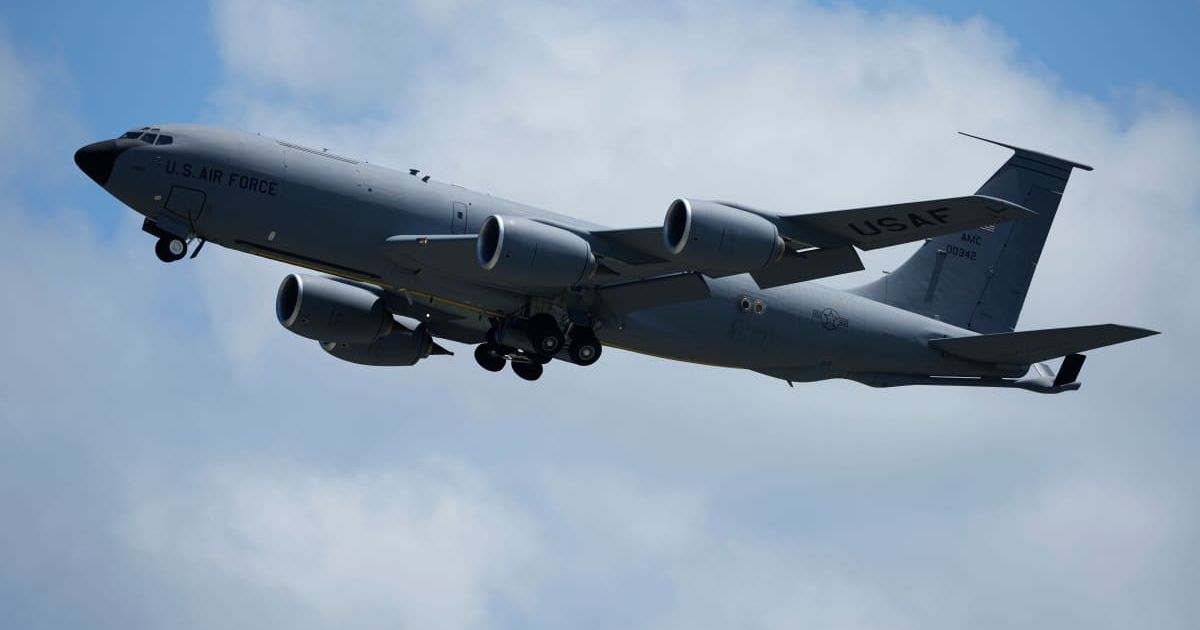
AL ASAD AIRBASE, IRAQ: US Central Command has confirmed that all six service members aboard a KC-135 refueling aircraft are deceased following an incident in western Iraq.
The aircraft went down at approximately 2 p.m. ET on Thursday, March 12, while flying over friendly territory during a combat mission for Operation Epic Fury.
Military officials emphasized that the loss was not the result of hostile or friendly fire.
Gen Dan Caine stated Friday that while four airmen have been recovered, the military continues to treat the site as an active rescue and recovery operation as they work to finalize the mission and notify families.
Mid-air incident involving two tankers
Four Confirmed Deceased in Loss of U.S. KC-135 Over Iraq
— U.S. Central Command (@CENTCOM) March 13, 2026
TAMPA, Fla. – At approximately 2 pm ET on March 12, a U.S. KC-135 refueling aircraft went down in western Iraq. Four of six crew members on board the aircraft have been confirmed deceased as rescue efforts continue.
The…
The crash occurred when two aircraft were involved in "an incident" over western Iraq. According to a US official, both planes involved were KC-135 tankers.
While one of the massive refueling aircraft went down, the second tanker was able to land safely following the encounter.
The circumstances leading to the "incident" remain under investigation by the Air Force and CENTCOM.
Officials have not yet clarified the specific maneuver or mechanical failure that led to the downed plane, but they remain firm that no enemy engagement took place in the airspace at the time.
Tankers lack parachutes and seats
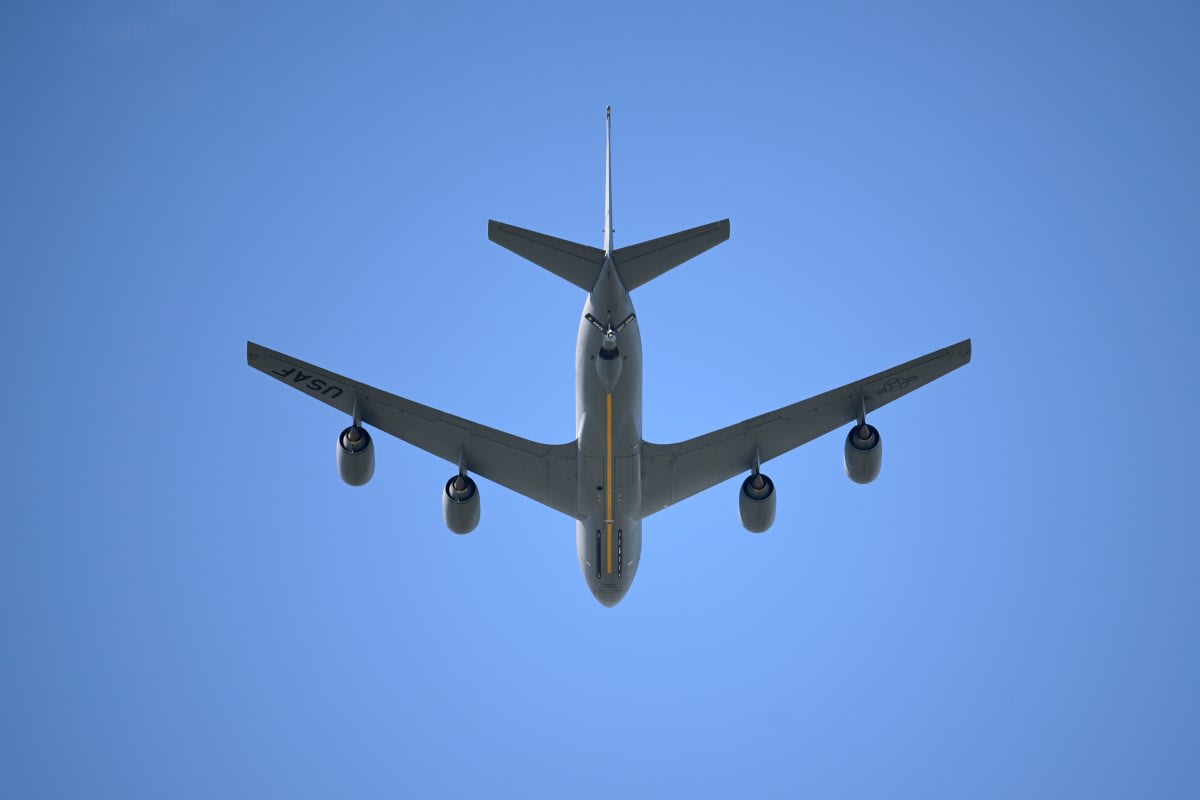
In light of the crash, military experts noted that KC-135 aircraft are not equipped with parachutes or ejection seats.
Unlike fighter aircraft, which utilize ejection systems for rapid exit, crews on these large tankers are primarily trained for emergency exits during landings on land or water.
The decision to remove parachutes from these tankers dates back to a 2008 Air Force policy.
At the time, officials argued that because the aircraft seldom had mishaps, the likelihood of a crew member needing to bail out was considered extremely low, a policy that has now come under scrutiny following this fatal mission.
Recovery mission and family notifications
The identities of the six deceased service members are being withheld for 24 hours until the next of kin have been fully notified. Gen Caine praised the airmen's service, even as the military focuses on the somber task of recovering the final crew members from the wreckage in the Iraqi desert.
Further updates are expected as CENTCOM concludes its recovery efforts and begins a formal safety board review of the mid-air event.