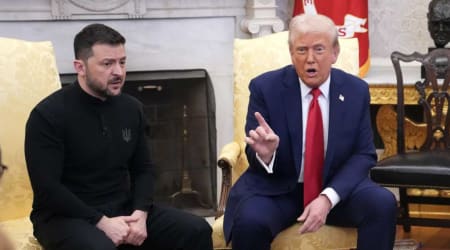
Trump slams NATO for ‘foolish mistake’ over Iran war, Strait of Hormuz standoff
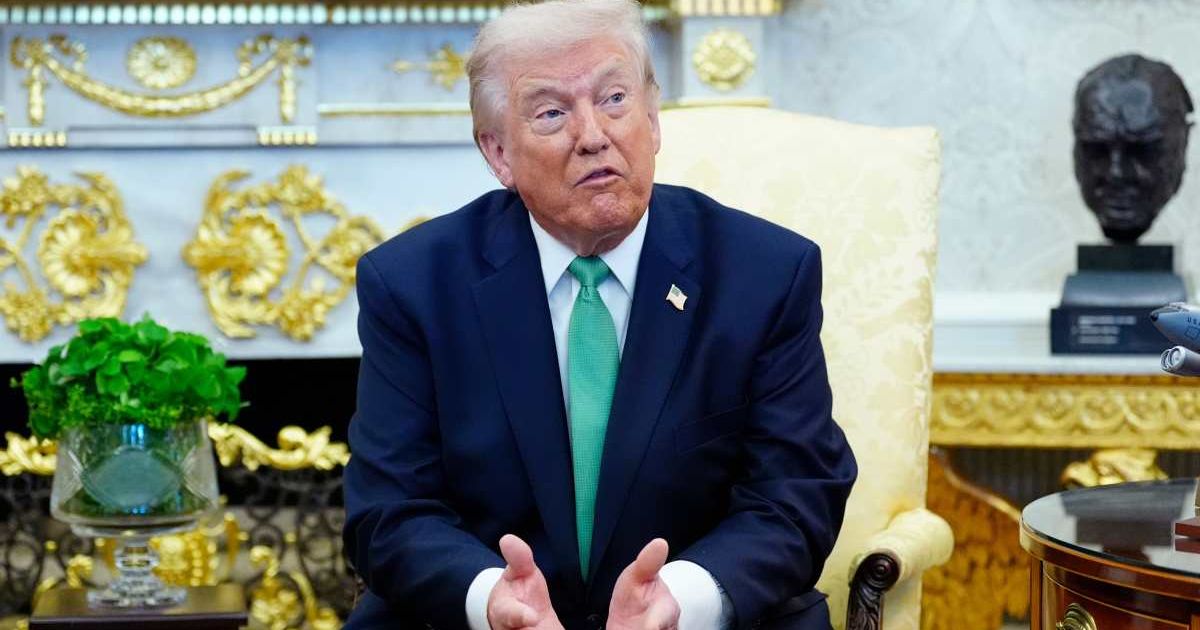
WASHINGTON, DC: President Donald Trump on Tuesday sharply criticised NATO allies for refusing to back US efforts to reopen the strategically critical Strait of Hormuz, calling their stance a “very foolish mistake.”
“I think NATO is making a very foolish mistake,” Trump said, expressing disappointment that the alliance had declined to participate in military operations despite supporting Washington’s broader position on Iran.
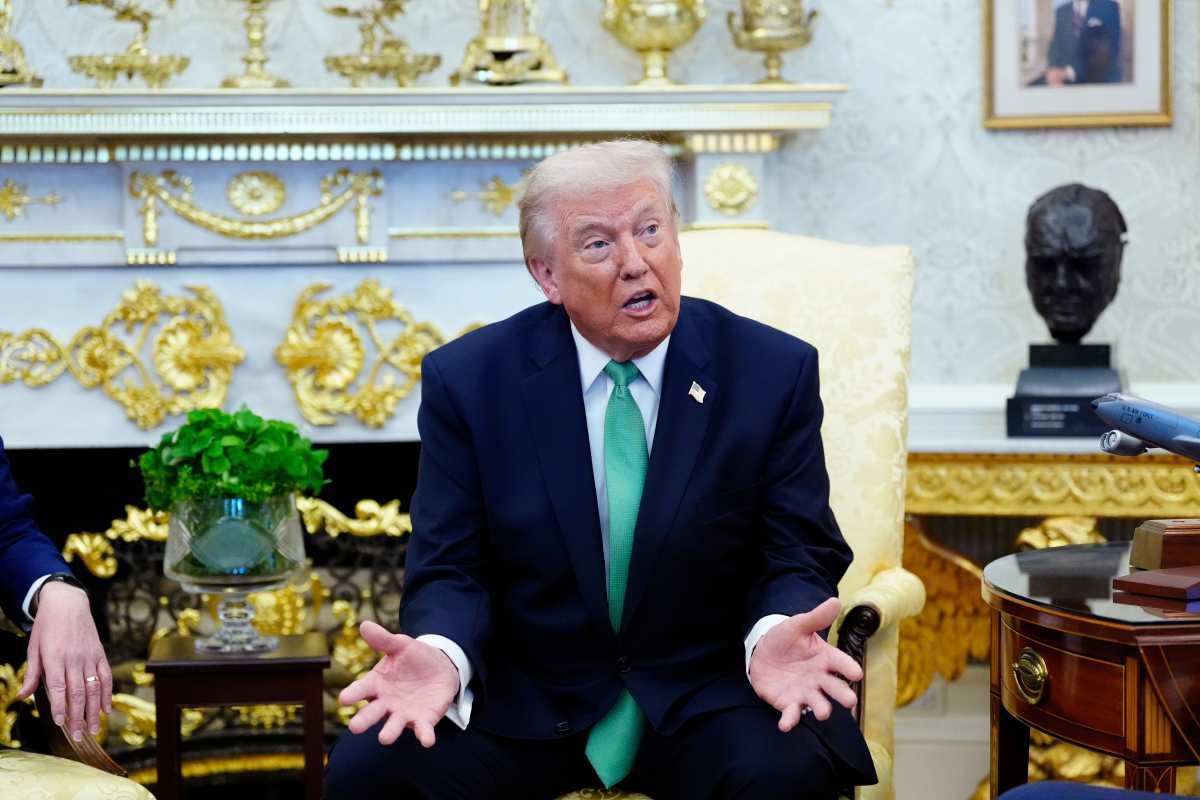
Trump says ‘we don’t need them'
Trump questioned the reliability of the alliance, suggesting the current crisis was a test of NATO’s commitment to the United States.
“We don’t need them, but they should have been there,” he said, adding that Washington has spent “trillions of dollars” supporting the alliance over the years.
The president also claimed the US had received “great support” from Middle Eastern partners, contrasting it with what he described as “essentially no support from NATO.”

Allies resist military involvement
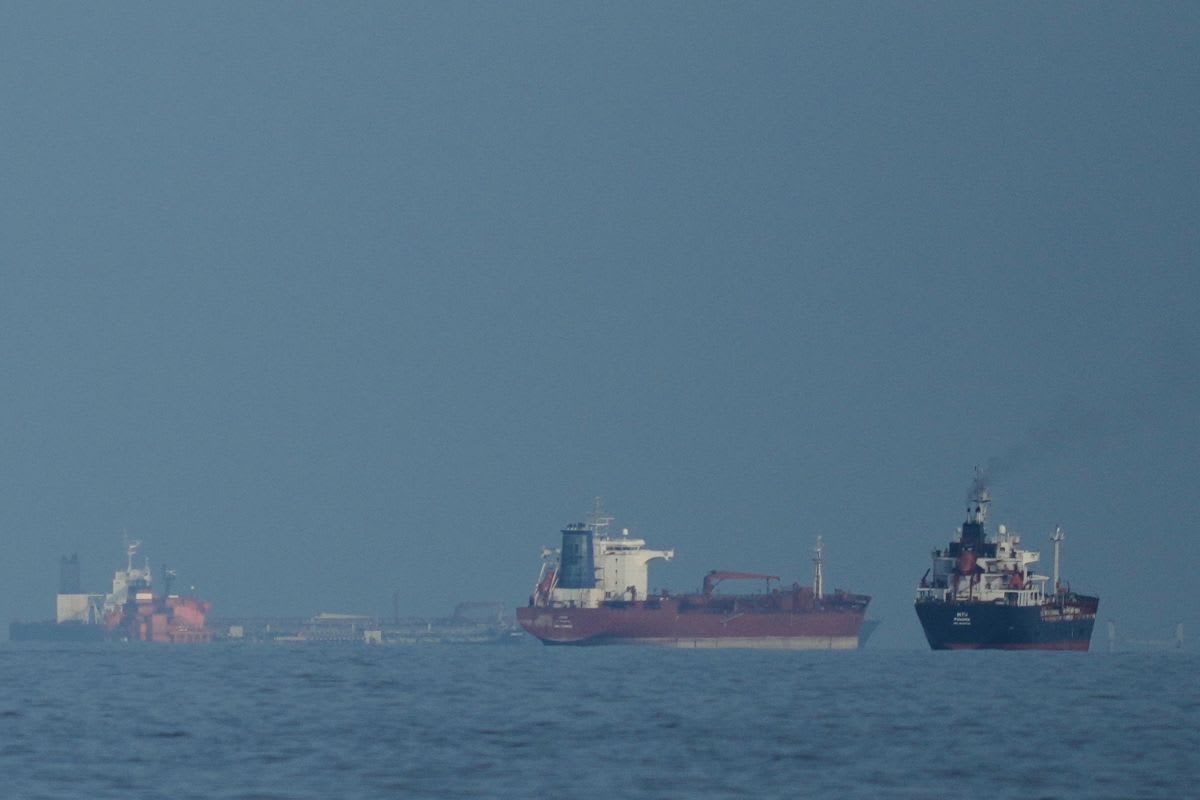
NATO members have largely resisted calls to join US-led operations linked to the Iran conflict, particularly efforts to secure Hormuz, a key global chokepoint through which roughly one-fifth of the world’s oil supply passes.
European leaders have expressed concern about becoming directly entangled in the conflict, with some insisting that any mission in the waterway must be separate from ongoing hostilities and coordinated diplomatically.
Strategic stakes: Oil, security and escalation
The standoff over Hormuz comes amid escalating hostilities involving the US, Israel and Iran, with attacks and counterattacks threatening global energy flows and pushing oil prices higher.
The closure or disruption of the narrow waterway has already triggered fears of a wider economic shock, underscoring its importance to global and energy security.
 US President Donald Trump arrives to speak to the media at a press conference on the second day of the 2018 NATO Summit on July 12, 2018 in Brussels, Belgium (Sean Gallup/Getty Images)
Strains within western alliance over Iran war
Trump’s remarks highlight deepening fractures within the transatlantic alliance, as NATO countries weigh the risks of direct military involvement against their strategic ties with Washington.
Despite his criticism, Trump indicated he was not immediately planning retaliatory measures against allies, even as he continued to press for greater burden-sharing.
The dispute reflects broader divisions over the Iran war, with several US allies questioning both the objectives and the long-term consequences of the conflict.