Trump torches NATO as a 'paper tiger' over Hormuz standoff, warns US 'will remember'
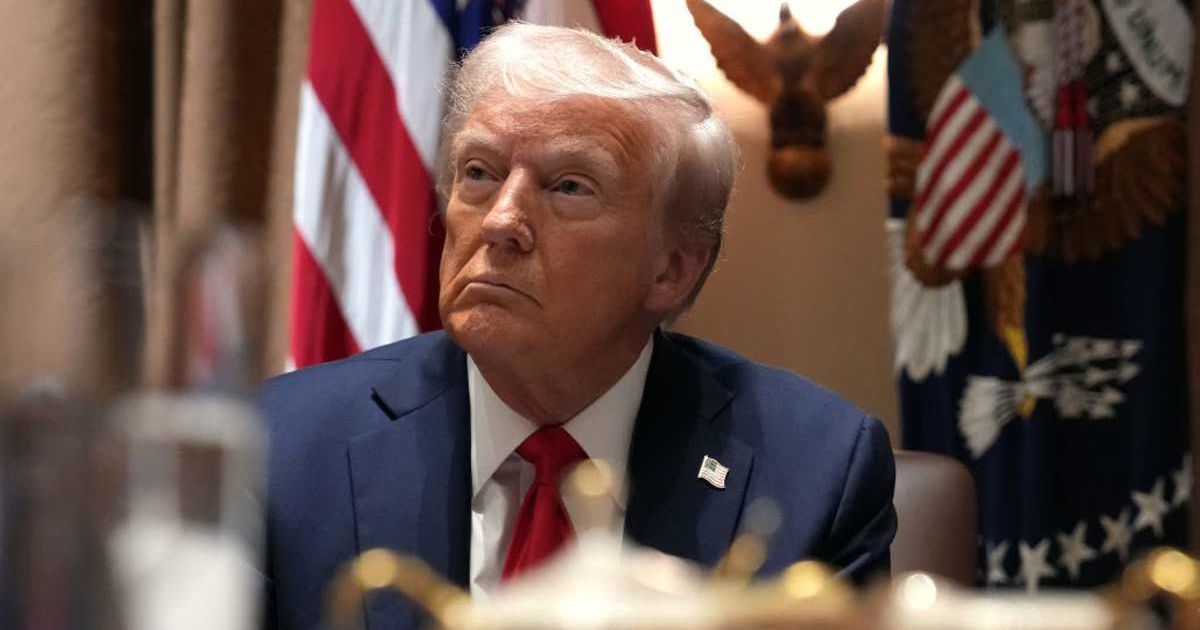
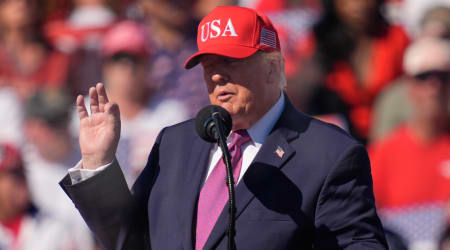
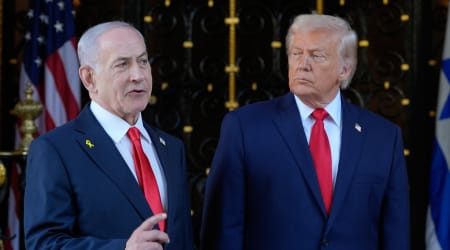
WASHINGTON, DC: President Donald Trump sharply criticized NATO allies on Friday, March 20, calling the decades-old alliance a “PAPER TIGER” and accusing member nations of failing to support efforts to reopen the Strait of Hormuz amid the ongoing conflict.
In posts on Truth Social, Trump said allies had not committed forces despite what he described as reduced risk following US military operations in the region.
The remarks came as global energy markets remained under pressure due to disruptions in the key shipping route. Trump argued that while the United States had taken the lead militarily, allies had not matched that involvement.
War declared ‘militarily won’ against Iran
In his statement, Trump described the US-Israeli campaign against Iran as “militarily WON,” asserting that major threats in the region had been addressed. Despite continued reports of missile and drone activity, the president said the risk environment had changed.
He used that assessment to press allies to take a more active role, suggesting that conditions now allowed for broader international involvement in securing maritime routes.
Trump says reopening Hormuz is easy for allies
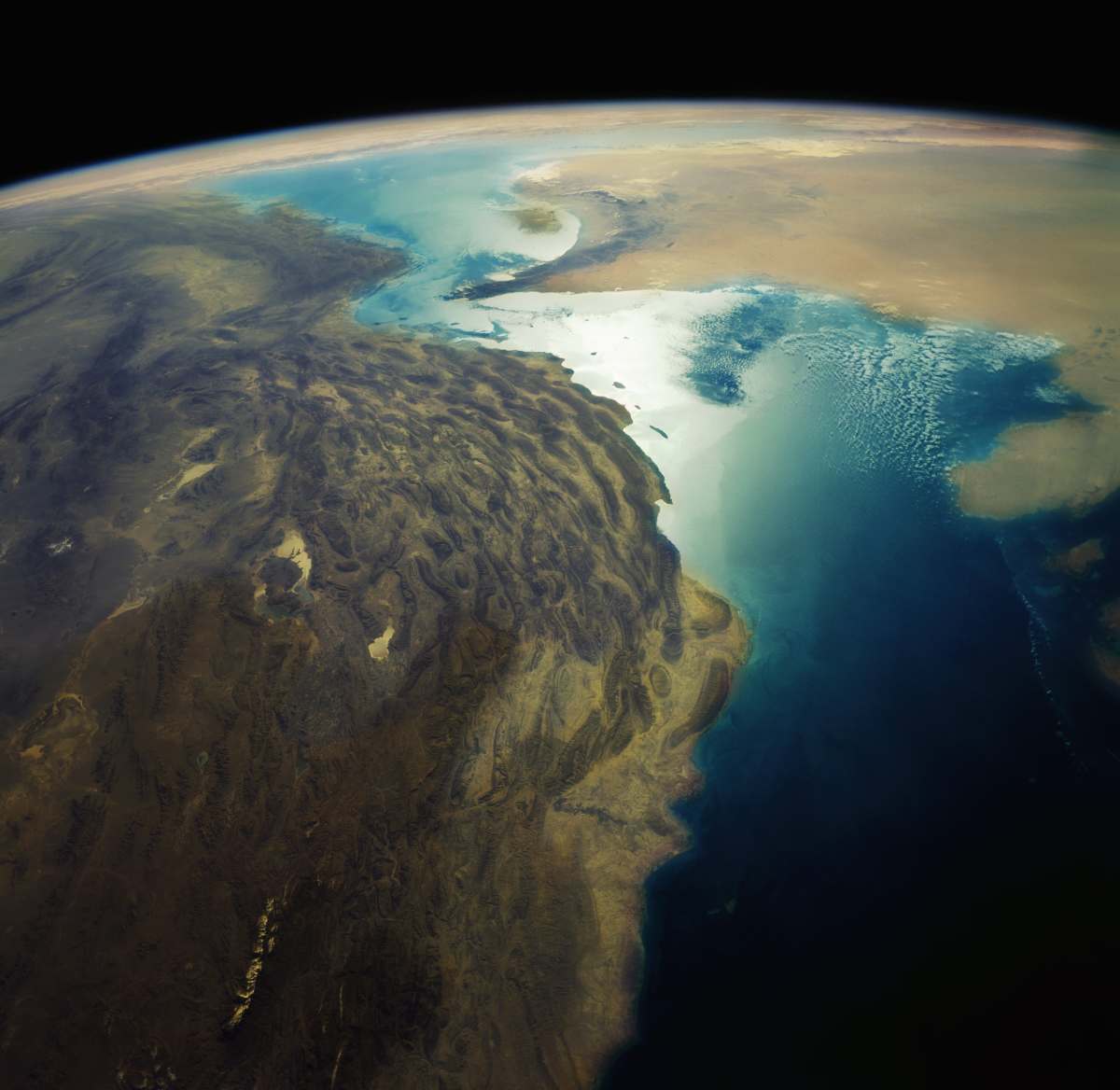
Trump linked the closure of the Strait of Hormuz directly to rising global oil prices, calling its reopening critical to stabilizing markets. He said the operation to restore passage would be straightforward for allied militaries.
“They complain about the high oil prices they are forced to pay, but don’t want to help open the Strait of Hormuz,” Trump wrote, framing the issue as a gap between economic concerns and military participation.
Allied leaders wait for hostilities to end
Together with our allies, we condemn in the strongest terms recent attacks by Iran on unarmed commercial vessels in the Gulf, attacks on civilian infrastructure including oil and gas installations, and the de facto closure of the Strait of Hormuz by Iranian forces. pic.twitter.com/YxBDwRq1y9
— UK Prime Minister (@10DowningStreet) March 19, 2026
Several US allies, including the United Kingdom, France, Germany, Italy, the Netherlands, and Japan, said in a joint statement that they are prepared to support efforts to ensure safe passage in the region.
However, they indicated participation would likely come after active hostilities subside and did not outline immediate troop deployments.
Trump responded by criticizing the lack of immediate commitments, warning that the United States would take note of allied positions as the situation develops.