'I don't have an answer': Gabbard admits US-Israel Iran war rift after South Pars strike
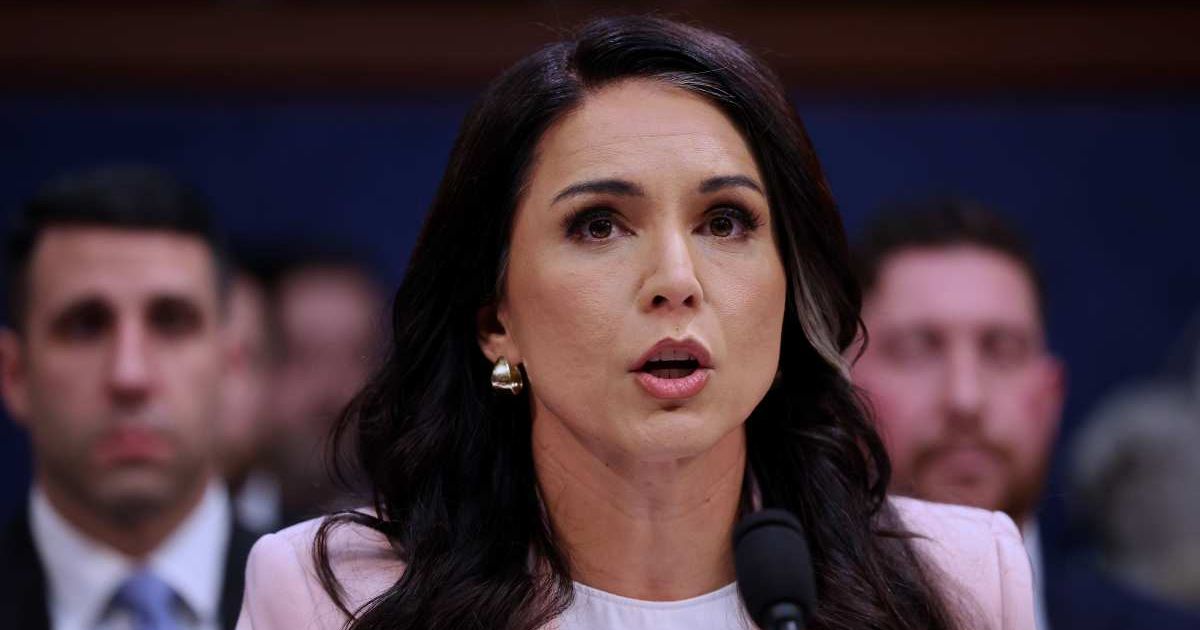
WASHINGTON, DC: The Director of National Intelligence Tulsi Gabbard, on Thursday, March 19, told lawmakers that the United States and Israel were pursuing different objectives in the ongoing conflict with Iran, highlighting a divergence in military priorities.
Her remarks came during a congressional hearing following Israeli strikes on key Iranian infrastructure, including the South Pars gas field.
The discussion underscored ongoing questions among lawmakers about alignment between Washington and its allies. Gabbard also addressed questions about her personal stance on the war, reiterating the need for neutrality in her current role.
lots of squirming from Gabbard and Ratcliffe in response to Castro's line of questioning about how the goals of Israel and the US aren't aligned pic.twitter.com/YFv5NwB7h6
— Aaron Rupar (@atrupar) March 19, 2026
Gabbard says Israel targets leadership while US focuses on military capabilities
During questioning by Rep Joaquin Castro, Gabbard was asked to clarify whether Israeli and US objectives in the conflict were aligned.
Gabbard said intelligence assessments indicated that Israel’s focus had been on targeting Iran’s leadership.
“We can see through the operations that the Israeli government has been focused on disabling the Iranian leadership and taking out several members, obviously beginning with the Ayatollah, the supreme leader, and they continue to focus on that effort,” she said.
Pressed further on how that compared with US goals, Gabbard outlined the administration’s stated priorities.
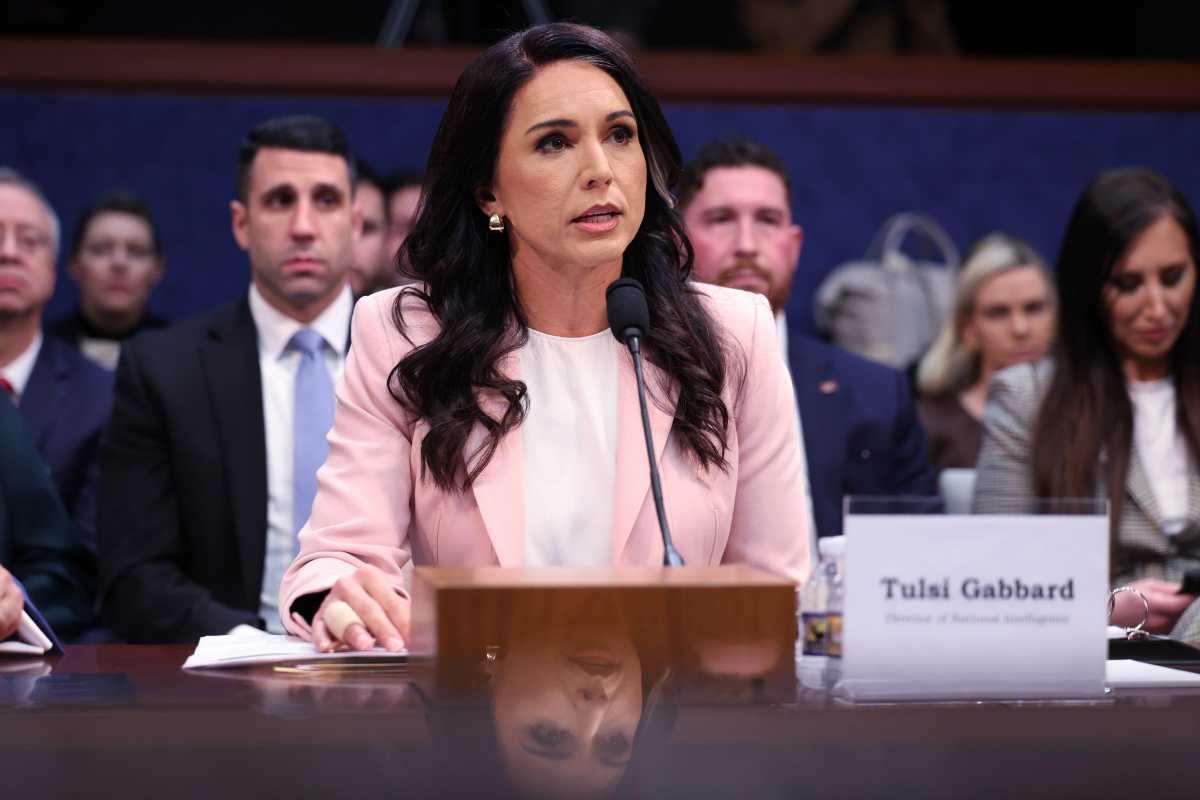
“The president has stated that his objectives are to destroy Iran’s ballistic missile launching capability, their ballistic missile production capability, and their Navy, the IRGC Navy and mine-laying capability,” she stated.
When asked whether Israel supported President Donald Trump’s push for a negotiated deal with Iran, Gabbard responded, “I don’t know the answer to that. I don’t know Israel’s position on that.”
She also declined to explain Israel’s rationale for targeting energy infrastructure despite US calls to avoid such strikes, stating, “I don’t have an answer for that.”
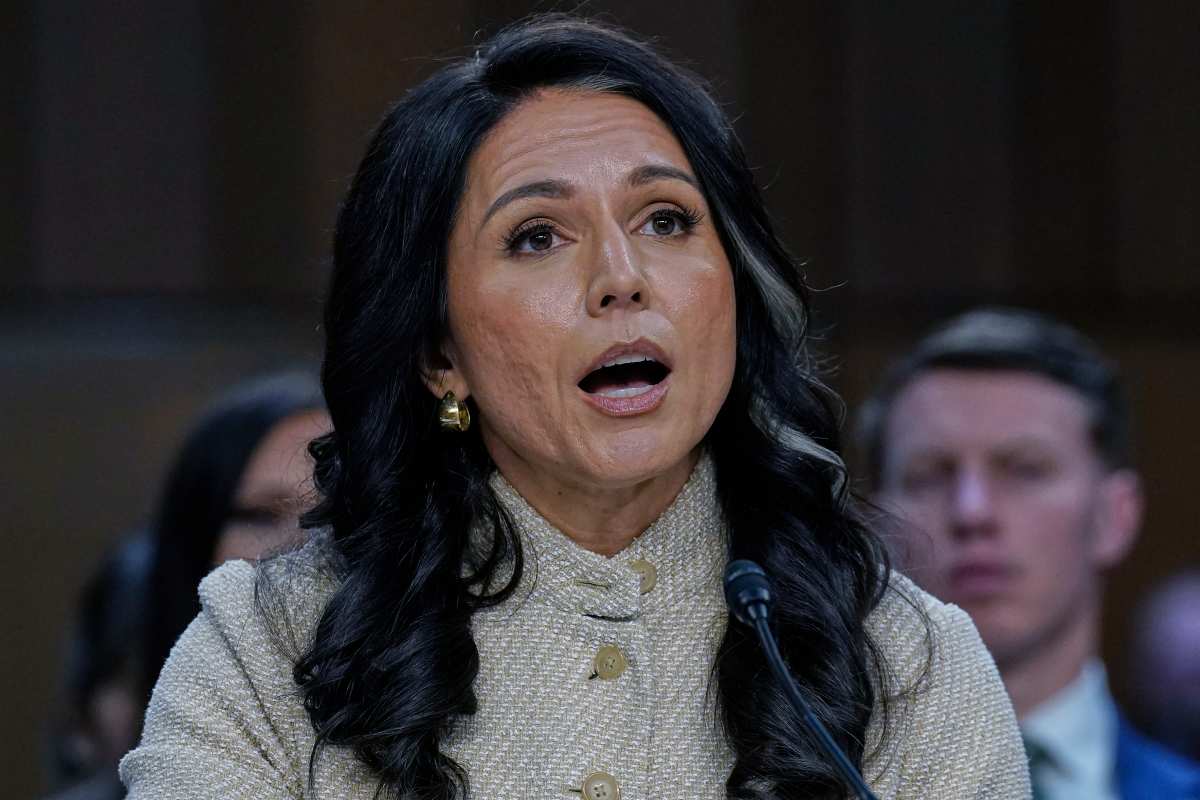
Gabbard emphasized that the US was not directly involved in operational decisions taken by Israel.
“We are not involved with the operational element of this,” she said, adding that the US provided ongoing intelligence assessments. “We’re providing continuously, on a daily basis, the intelligence assessments of the events that are occurring.”
Gabbard reiterates neutrality and declines personal opinion on conflict
In a separate line of questioning, Rep Ami Bera asked Gabbard about her past criticism of US military action against Iran, including remarks she had made in 2020 regarding the strike on Iranian General Qassem Soleimani.
Bera questioned whether she still believed that military strikes without congressional authorization could constitute an unconstitutional act of war. Gabbard did not directly answer the question, instead emphasizing the responsibilities of her current position.
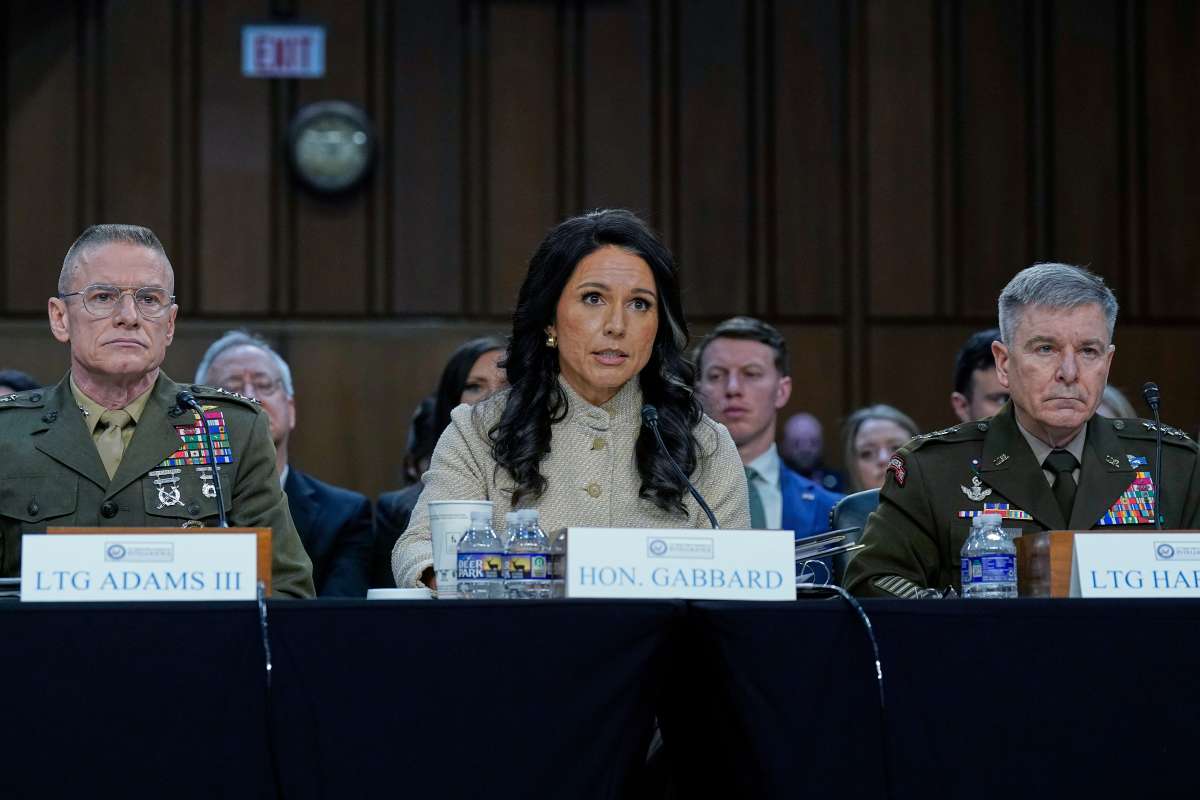
“The cost of war weighs very heavily upon me and my colleagues here, especially for those of us who have experienced and seen the cost of war first-hand,” Gabbard said.
She added that her role required impartiality, stating, “My own personal and political views, as I mentioned earlier, I was asked and required by Congress and by the president in this role as the director of national intelligence to check those views at the door, to ensure that the intelligence assessments are not colored by my personal views.”
BERA: Do you still believe that strikes against Iran that don't have congressional authorization constitute an illegal and unconstitutional act of war?
— Aaron Rupar (@atrupar) March 19, 2026
GABBARD: My own personal and political views, I was required to check those at the door pic.twitter.com/DX1BUq1Qp6
When pressed again, she reiterated that stance: “Once again, in this role, it is essential that I do not allow any of my personal views on any issues to color or bias the intelligence reporting that we deliver to you and to the president.”