6 US allies step up to reopen Hormuz as Iran conflict chokes global oil lifeline
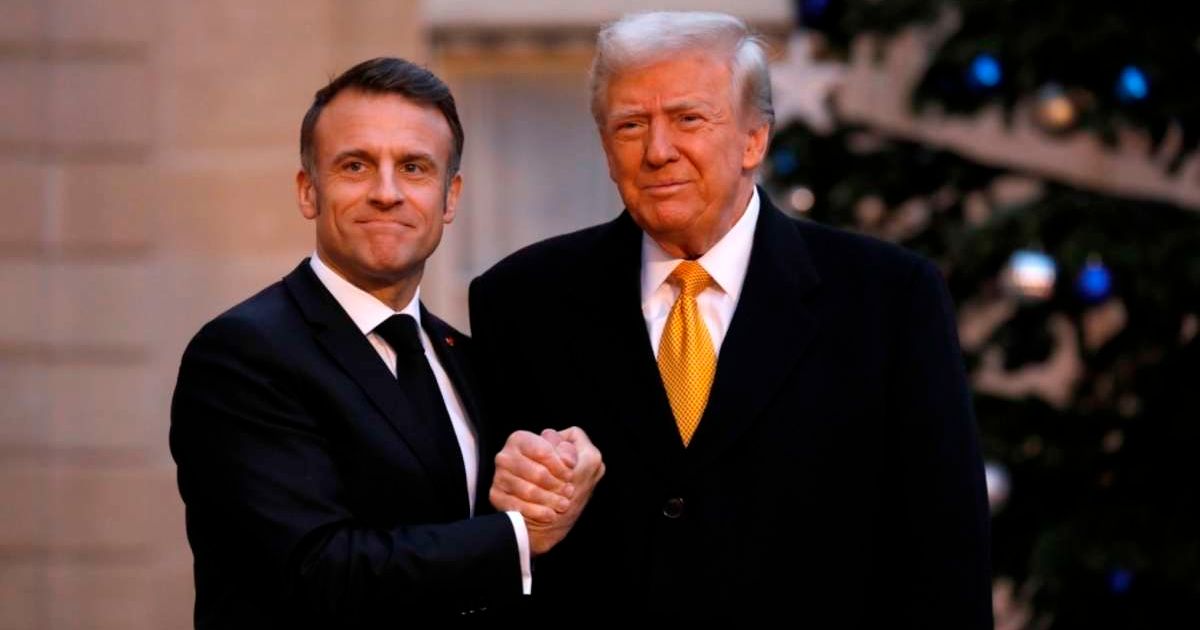
LONDON, ENGLAND: Leaders from six US-allied nations have signaled their willingness to support efforts to restore safe navigation through the Strait of Hormuz, a key global oil transit route disrupted by the ongoing Iran conflict.
The joint statement, issued on Thursday, March 19, comes amid mounting pressure from President Donald Trump for allied nations to assist in securing the vital shipping lane. While the countries expressed readiness to contribute, they stopped short of outlining specific commitments.
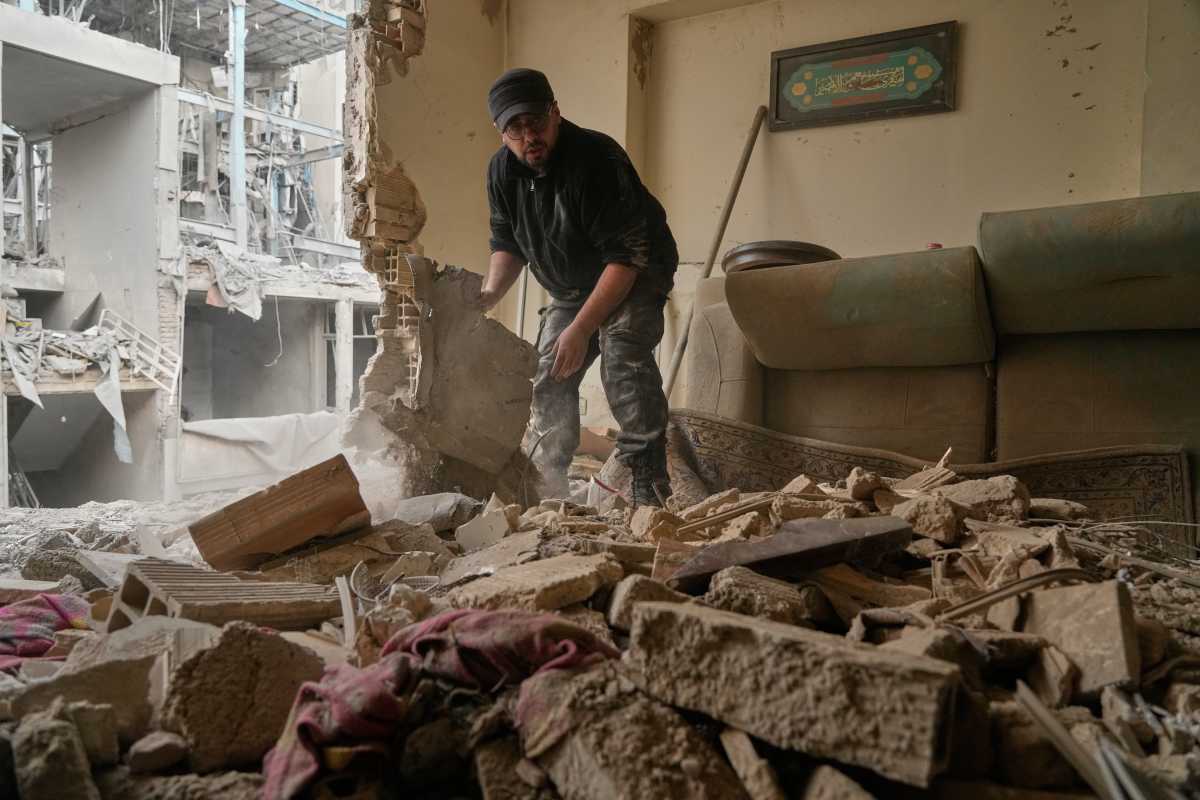
The development follows weeks of escalating tensions in the region, including attacks on commercial vessels and energy infrastructure, which have raised concerns about global supply chains and energy markets.
Allies express readiness but stop short of firm commitments
The joint statement was signed by leaders of the United Kingdom, France, Germany, Italy, Netherlands, and Japan, all of whom expressed their “readiness to contribute to appropriate efforts to ensure safe passage through” the strait.
However, the statement did not provide specifics on what form that support would take. “We express our readiness to contribute to appropriate efforts to ensure safe passage through the strait,” the statement said.
“We welcome the commitment of nations who are engaging in preparatory planning,” it added.
🚨 BREAKING: After pressure from President Trump, six American allies just PLEDGED SUPPORT to secure the Strait of Hormuz shipping lanes
— Eric Daugherty (@EricLDaugh) March 19, 2026
"That's COUNTER to what they previously said!" 🔥
They are: Japan, Britain, France, Germany, Italy, and the Netherlands
KEEP PUSHING, 47!… pic.twitter.com/bQrLUFLB1d
The countries also called for a halt to attacks on critical infrastructure, calling for “an immediate comprehensive moratorium on attacks on civilian infrastructure, including oil and gas installations.”
They further condemned Iran’s actions, including “attacks by Iran on unarmed commercial vessels in the Gulf, attacks on civilian infrastructure including oil and gas installations, and the de facto closure of the Strait of Hormuz by Iranian forces.”
The announcement comes after repeated appeals from Trump urging allies to deploy military assets to secure shipping routes. Despite those calls, several nations have been cautious about joining active combat operations.
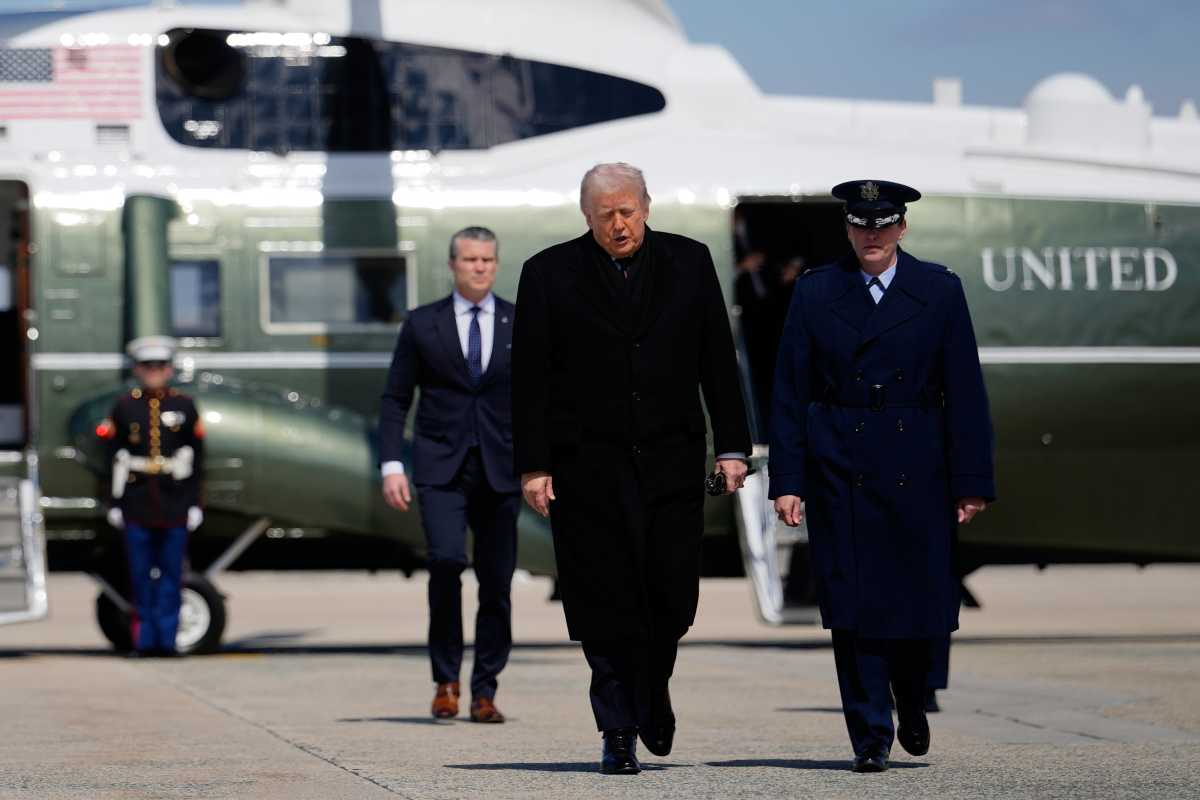
Officials have indicated that while allies may not participate during ongoing hostilities, they could contribute capabilities such as mine detection equipment once the situation stabilizes.
Reports also suggest coordination is underway, with military planners from the United Kingdom working alongside US counterparts on potential strategies to reopen the waterway.
Emmanuel Macron calls escalation ‘reckless’ as energy infrastructure targeted
French President Emmanuel Macron warned that the conflict is increasingly threatening global energy stability, urging restraint following a wave of attacks on oil and gas facilities across the region.
“I hope everyone comes to their senses,” Macron told reporters in Brussels, adding, “This escalation is reckless.”
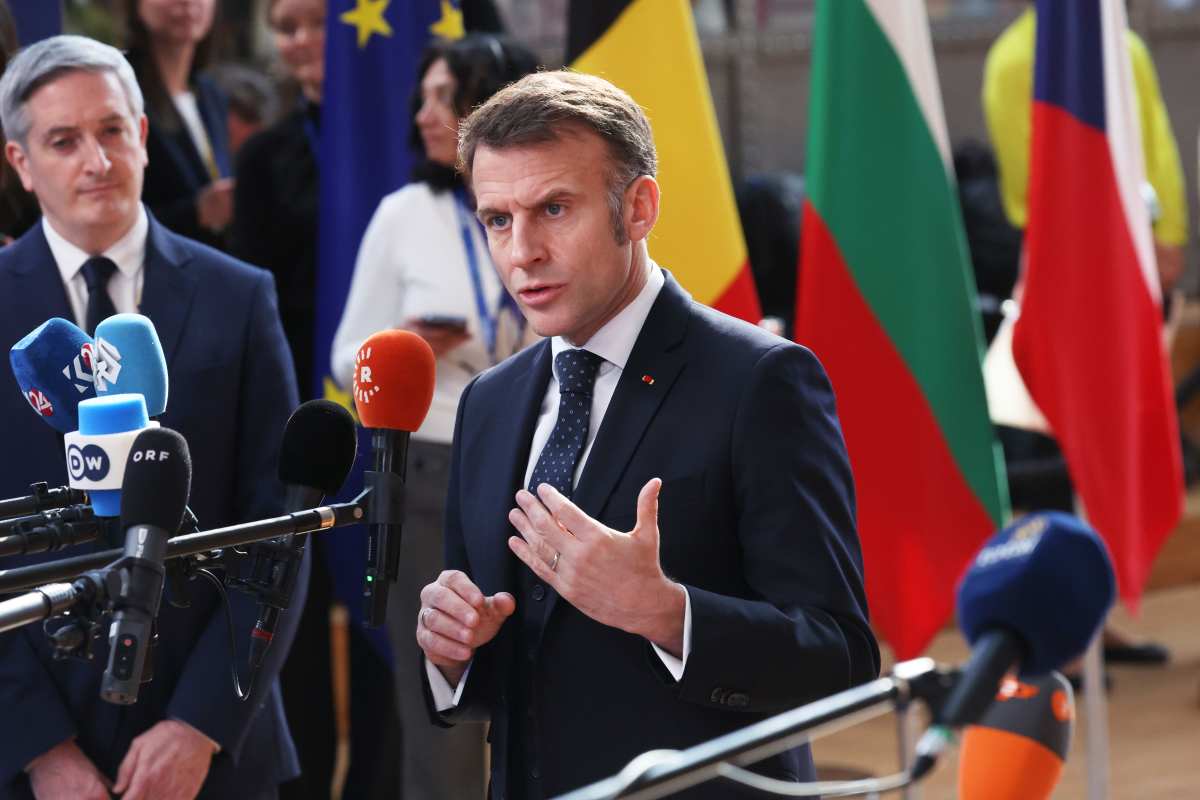
He called for a temporary halt in fighting as the region approached Eid al-Fitr, stating, “The fighting should stop for a few days to try to give negotiations another chance.”
Macron also cautioned that damage to energy infrastructure could have a “long-lasting” impact.
Recent developments have underscored those concerns. Iran launched strikes targeting energy facilities across Gulf states, including a Saudi refinery on the Red Sea, liquefied natural gas facilities in Qatar, and two oil refineries in Kuwait.
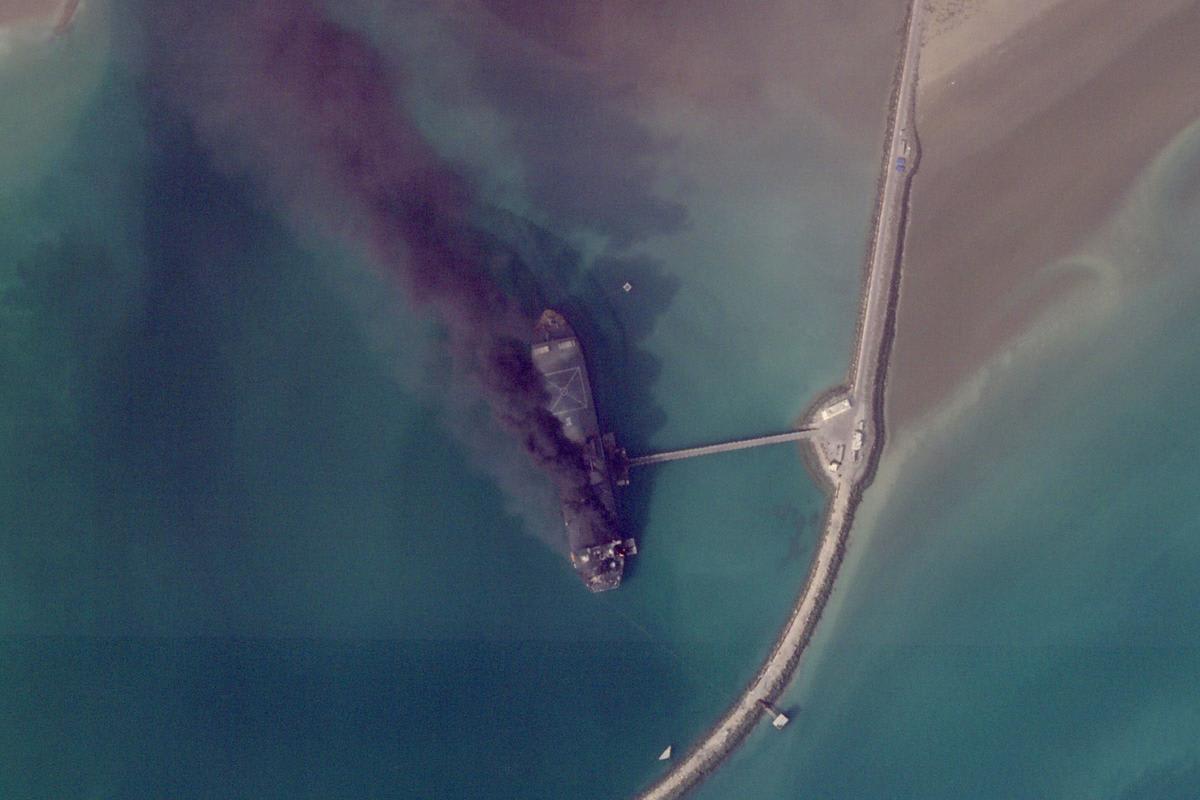
The attacks were described by Iran as retaliation for Israeli strikes on the South Pars natural gas facility on Iran’s coast.