EU demands 'more clarity' on Iran war goals as Trump pushes allied warship deployment in Hormuz

BRUSSELS, BELGIUM: European leaders are seeking greater clarity on the United States and Israel’s strategic objectives in Iran as discussions intensify over whether allied nations should help secure the Strait of Hormuz.
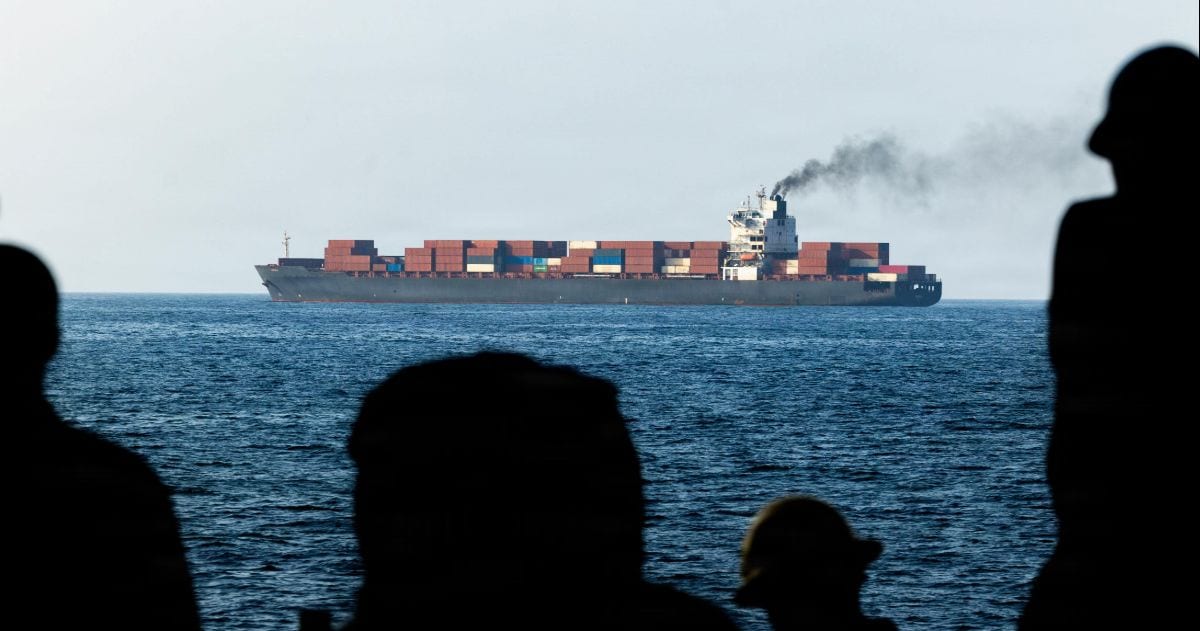
The waterway, one of the world’s most important energy shipping routes, has become a central concern during the ongoing conflict in the region.
President Donald Trump said several countries could send warships to help keep the passage open. European officials say they are evaluating possible responses while also seeking more information about the timeline and goals of the military campaign.

EU weighs options to help secure shipping through Strait of Hormuz
Officials from the European Union said on Monday, March 16, that they are discussing potential ways the bloc could help maintain safe shipping through the Strait of Hormuz while assessing the broader strategic direction of the conflict involving Iran.
Speaking ahead of a meeting of EU foreign ministers in Brussels, the bloc’s Foreign Policy Chief Kaja Kallas said the issue was being actively discussed among the 27 member states.
“It is in our interest to keep the Strait of Hormuz open, and that's why we are also discussing what we can do in this regard from the European side,” Kallas said.
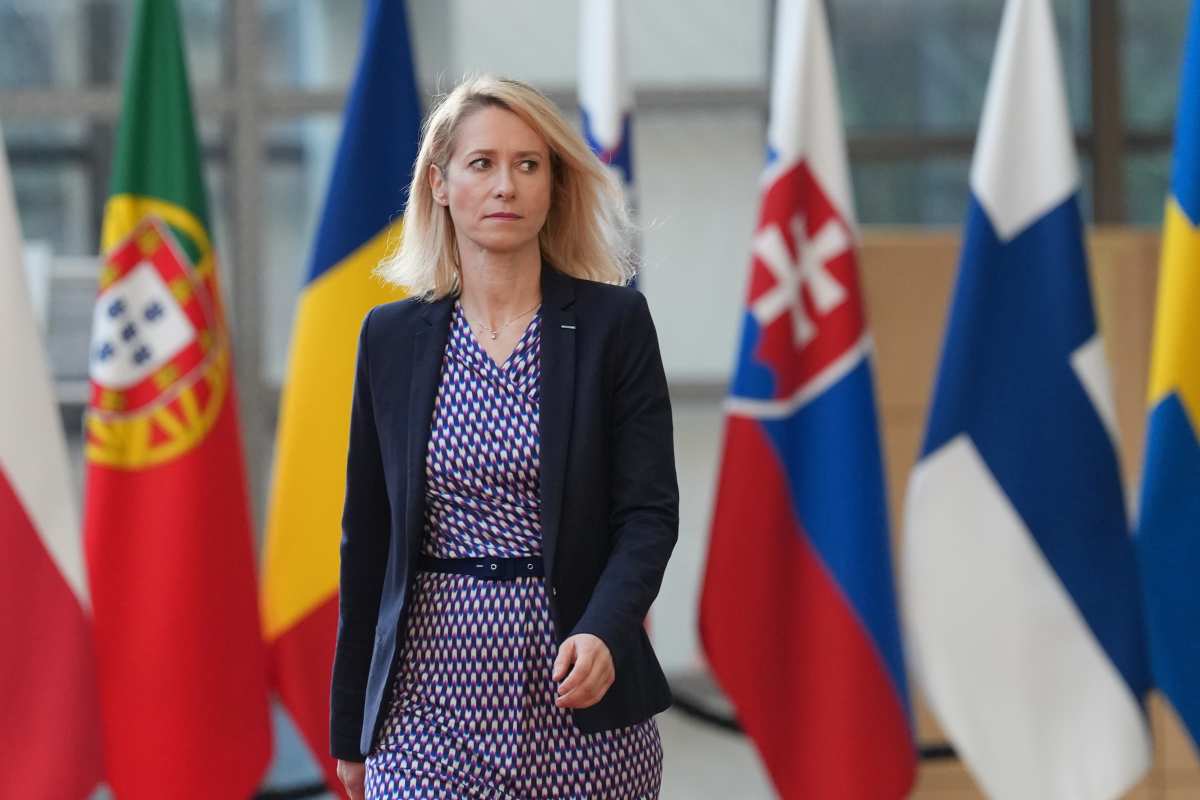
European officials have considered several potential options. One possibility would involve expanding the EU’s existing naval mission in the region, Operation Aspides, which currently protects shipping routes in the Red Sea, to include the Persian Gulf.
Another option would be forming what officials described as a “coalition of the willing,” where individual countries contribute military assets independently rather than through a unified EU mission.
European leaders seek clarity on proposed Hormuz naval operation
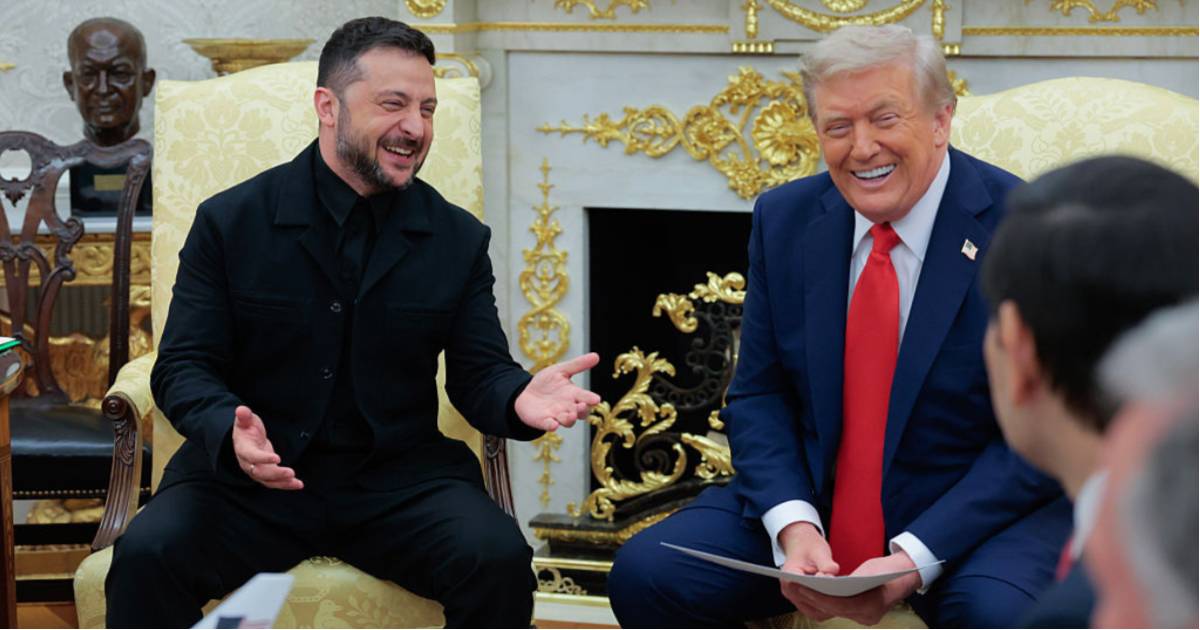
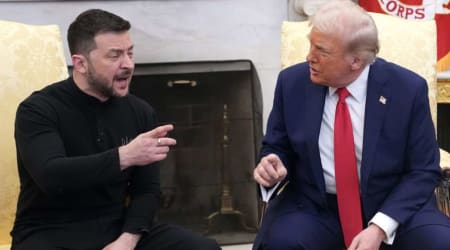
Trump said in a social media post that multiple countries might join the United States in sending warships to help keep the Strait of Hormuz open.
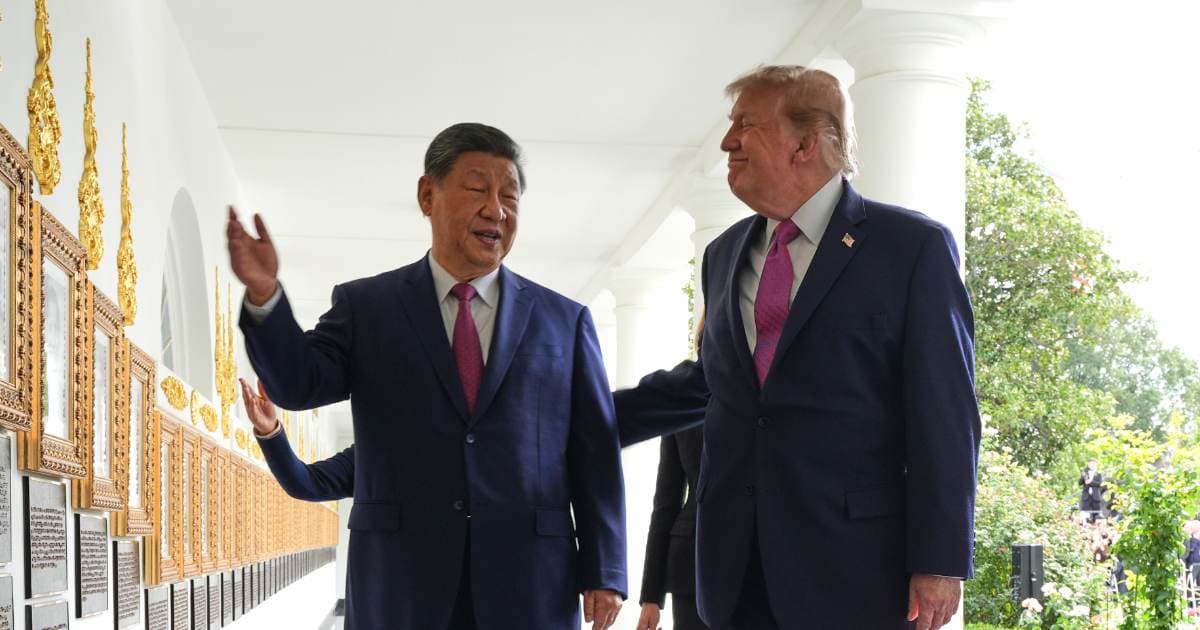
He suggested that “hopefully China, France, Japan, South Korea, the UK, and others” would participate in a potential international escort mission for vessels traveling through the waterway.
European leaders have signaled caution about committing to such an effort without a clearer understanding of the conflict’s objectives.
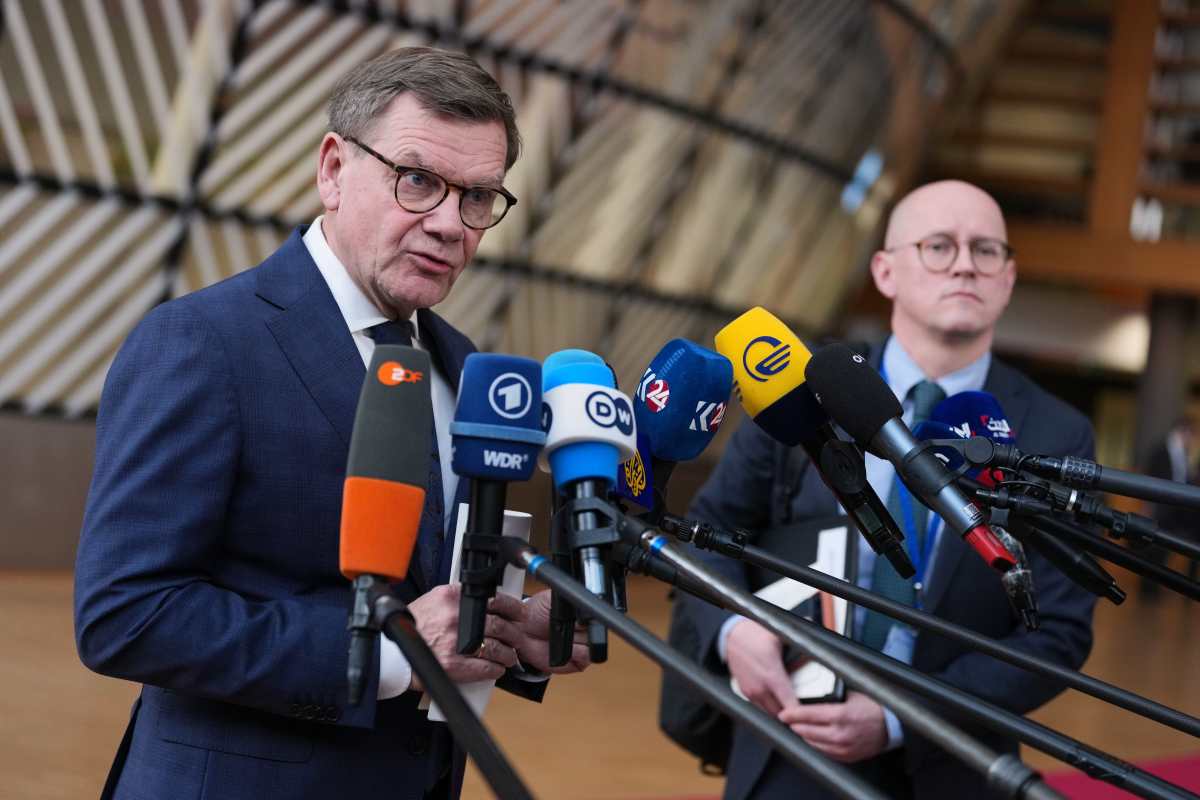
Germany’s Foreign Minister Johann Wadephul said it was important for the United States and Israel to outline their goals.
“We need more clarity here,” Wadephul said, adding that it was necessary to know “when they consider the military aims of their deployment to have been reached.”
Similarly, Luxembourg’s foreign minister, Xavier Bettel, said the European Union had not yet decided whether it would take part in military operations linked to the conflict.
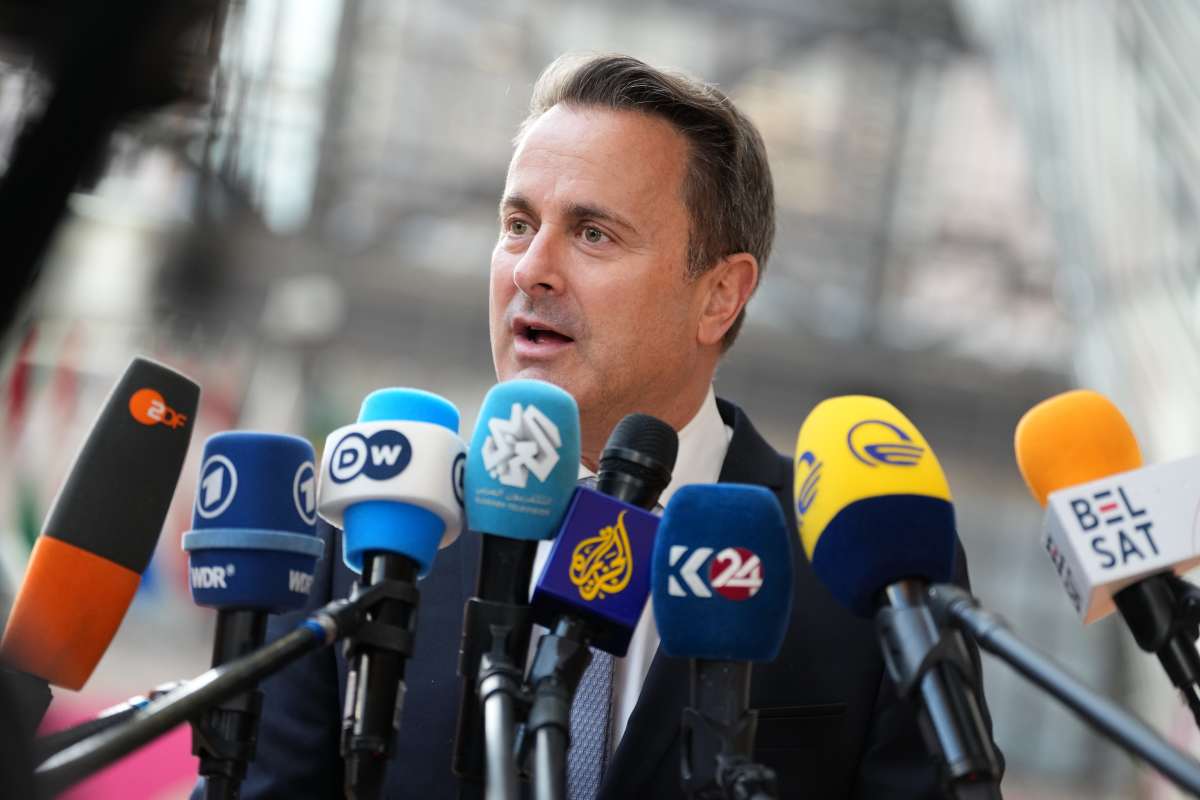
“The fact is, for the moment, the EU is not directly part of the situation. So we need to decide if we are going to be part or not. That's an important decision,” Bettel said.
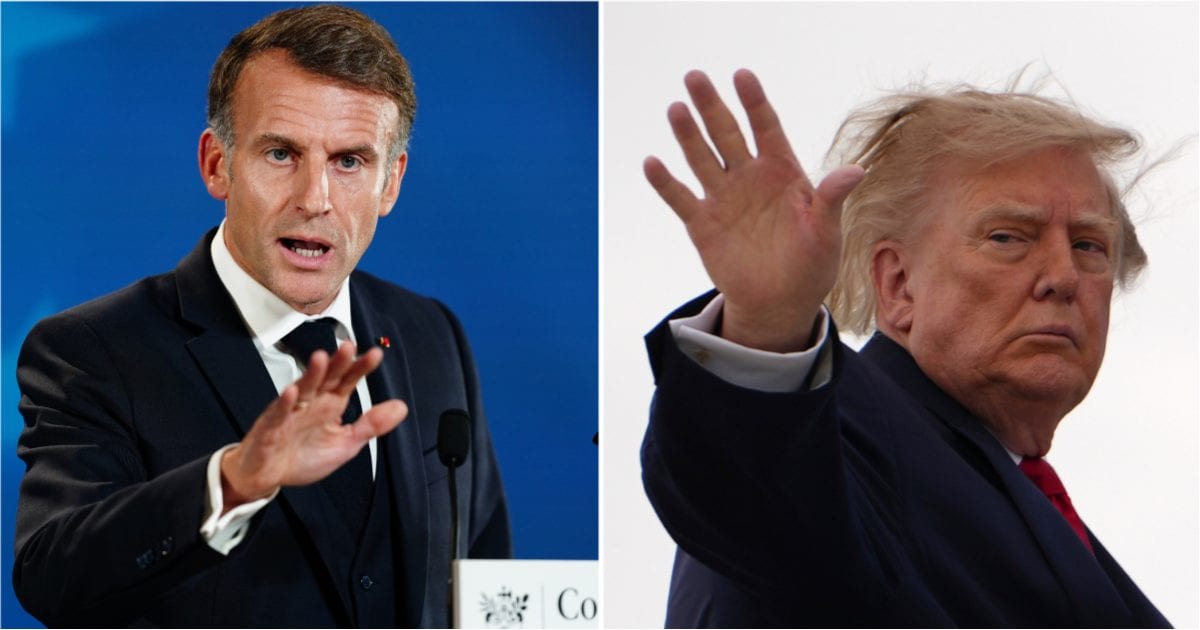
France has also said it is exploring a potential international mission to escort ships through the strait, but officials emphasized that any such effort would likely occur only after the intensity of fighting in the region declines.