European Union puts US trade deal on hold amid tariff threats
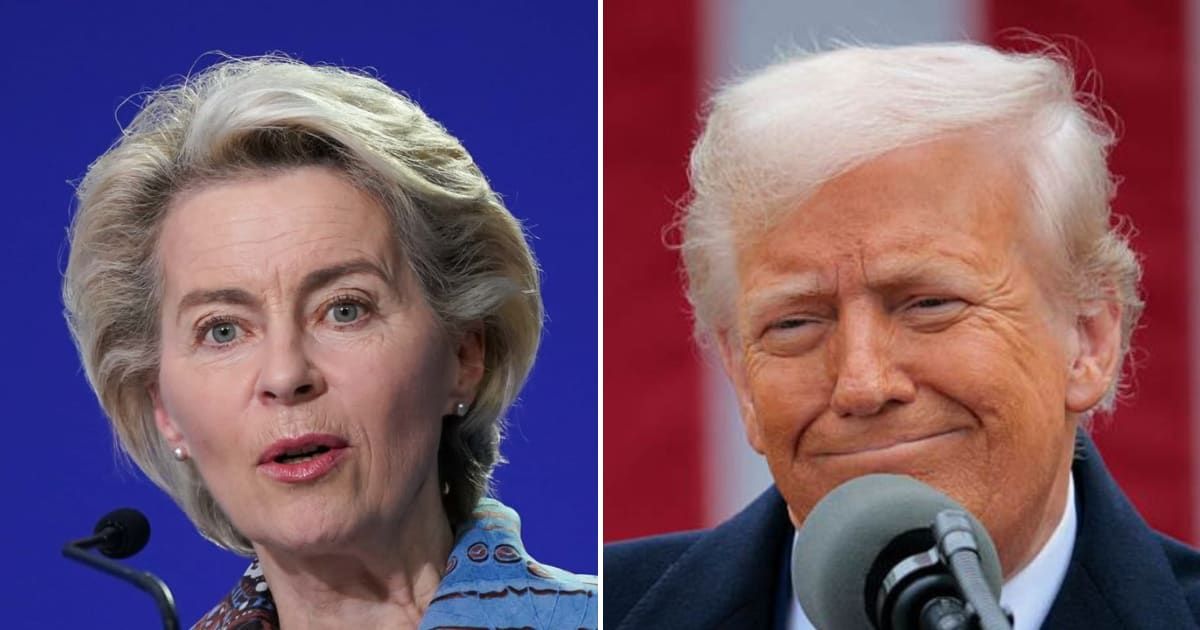
BRUSSELS, BELGIUM: The European Parliament formally halted work on approving and implementing the trade deal reached with the United States last summer, on Wednesday, January 21, citing escalating tariff threats from President Donald Trump linked to Greenland.
The decision paused ratification of an agreement that had been presented as restoring stability to the EU–US trade relations.
European lawmakers said that the move was necessary in response to what they had described as threats to the sovereignty and territorial integrity of EU member states. The suspension followed Trump’s weekend warning that new tariffs could be imposed if the United States was not allowed to control Greenland.
Turnberry agreement put on hold amid rising tensions
The European Union’s legislative body confirmed on Wednesday that it would stop work on the formal approval and legal implementation of the EU–US trade agreement reached in July.
Bernd Lange, chair of the European Parliament’s international trade committee, announced the decision in a statement and in a post on X.
📢Jetzt offiziell: EU-US Deal bis auf Weiteres auf Eis gelegt!
— Bernd Lange (@berndlange) January 21, 2026
Wir haben gerade beschlossen, Arbeit von @ep_trade zur rechtlichen Umsetzung Turnberry-Deal auszusetzen.
Unsere Souveränität&territoriale Integrität stehen auf dem Spiel. Business as usual unmöglich #Grönland #Zölle
“Now official: EU-US deal is on hold until further notice,” Lange wrote. “Our negotiating team just decided to suspend work of @ep_trade on the legal implementation of Turnberry deal. Our sovereignty and territorial integrity are at stake. Business as usual impossible.”
In a separate statement, Lange said that the decision followed “continued and escalating threats, including tariff threats, against Greenland and Denmark, and their European allies.”
He added that no steps would be taken to move the deal forward “until the US decides to re-engage on a path of cooperation rather than confrontation.”
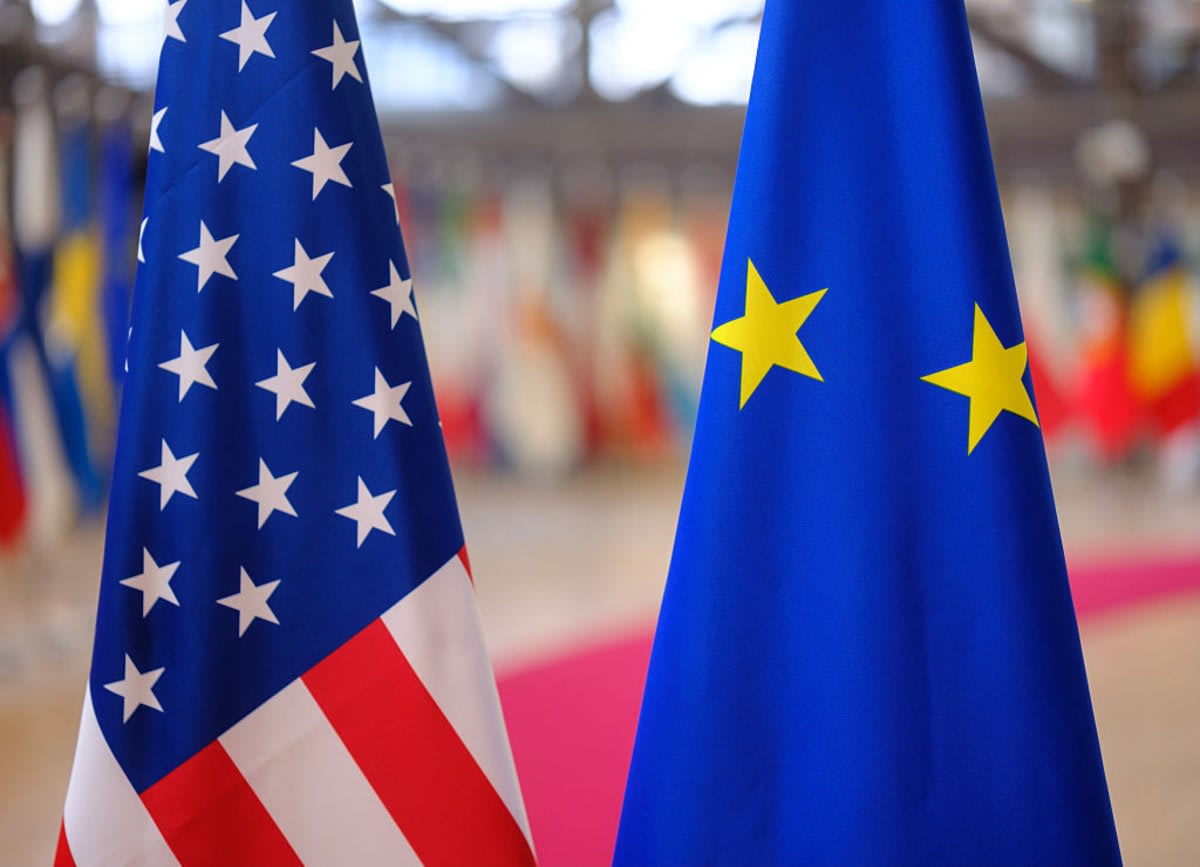
The trade deal was agreed in July during a visit by European Commission President Ursula von der Leyen to Trump’s golf club in Turnberry, Scotland.
Under its core provisions, US tariffs on most EU imports would have been capped at 15%, one of the lowest rates granted to any trading partner. Some goods, including generic pharmaceuticals, would have seen tariffs eliminated entirely.
In return, the EU would have lowered tariffs on selected US exports, benefiting American agricultural and industrial producers seeking access to the 27-country bloc, the United States’ largest trading partner.

When the agreement was announced, the European Commission said that it would “restore stability and predictability.”
Speaking at the World Economic Forum in Davos earlier this week, von der Leyen said, “In politics as in business, a deal is a deal. And when friends shake hands, it must mean something.”
Markets react as the US urges restraint and warns against retaliation
European stock markets posted a second consecutive day of losses on Tuesday, while US markets also declined. The Dow Jones Industrial Average fell more than 1.7%, the S&P 500 dropped over 2%, and the Nasdaq closed about 2.4% lower.

European leaders signaled that retaliation remained under consideration.
Manfred Weber, a senior German lawmaker, said “approval is not possible at this stage,” while French President Emmanuel Macron said Washington’s “endless accumulation” of tariffs was “fundamentally unacceptable,” particularly when linked to territorial sovereignty.

US officials urged Europe to avoid escalation.
Treasury Secretary Scott Bessent told leaders in Davos to “sit back” and “not retaliate,” while Commerce Secretary Howard Lutnick and Trade Representative Jamieson Greer warned that any EU countermeasures would draw a response.
“When countries follow my advice, they tend to do okay. When they don’t, crazy things happen,” Greer said.