Iran's Mojtaba Khamenei threatens 'the enemy', vows Hormuz will stay closed as a 'pressure' tool
Tehran warned it would seek compensation for war damage and could retaliate by targeting enemy assets if repayment was not provided
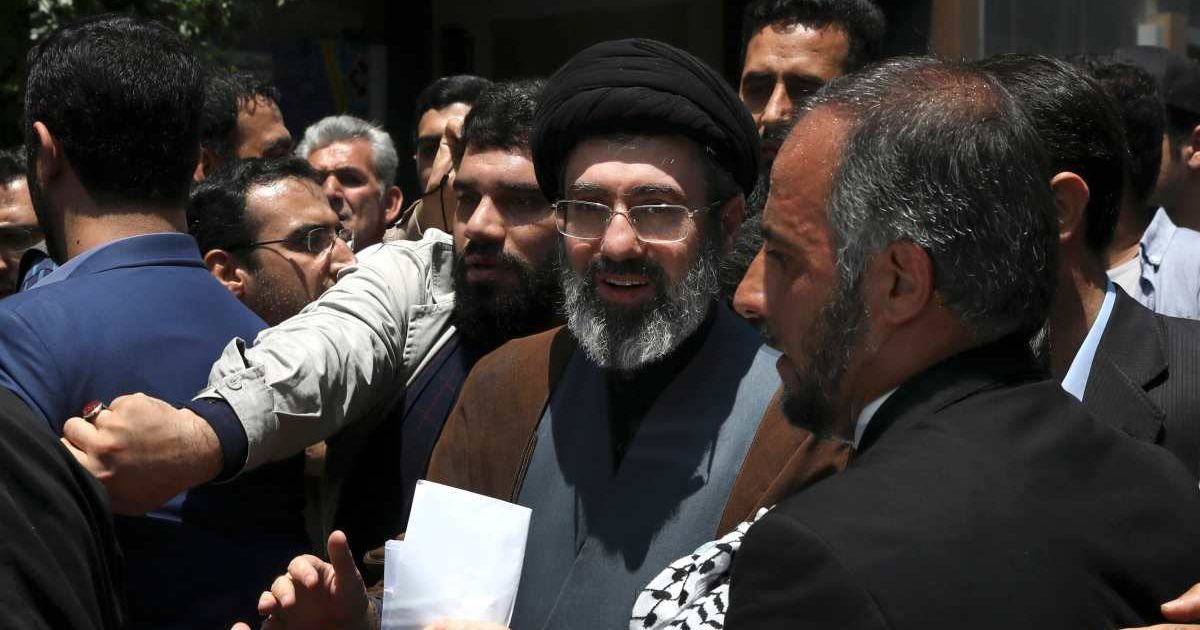
In his first public message, Iran's new Supreme Leader Mojtaba Khamenei said that the Strait of Hormuz would stay shut as part of Tehran's strategy during the escalating conflict (AP Photo/Vahid Salemi, File)

TEHRAN, IRAN: Iran’s new Supreme Leader, Mojtaba Khamenei, issued his first public message on Thursday, March 12, since assuming the country’s top leadership role, warning that the strategic Strait of Hormuz would remain closed as tensions escalated in the region.

The statement, broadcast on Iranian state television, also warned that US bases across neighboring countries should be shut down or risk being targeted.

Khamenei’s message came days after he succeeded his father, the late Supreme Leader Ayatollah Ali Khamenei, following a strike linked to the ongoing US-Israel military campaign against Iran.

The remarks outlined Tehran’s stance on retaliation, regional relations and the conflict’s impact on key global energy routes.

Oil tankers and cargo ships line up in the Strait of Hormuz as seen from Khor Fakkan, United Arab Emirates, Wednesday, March 11, 2026. (AP Photo/Altaf Qadri)
Oil tankers and cargo ships line up in the Strait of Hormuz as seen from Khor Fakkan, United Arab Emirates, Wednesday, March 11, 2026 (AP Photo/Altaf Qadri)

Mojtaba Khamenei urges unity and warns enemies in address

In a message read by an anchor on Iranian state television, Mojtaba Khamenei called for unity among the Iranian people and outlined Tehran’s position on the ongoing conflict with the United States and Israel.

Khamenei said that the Strait of Hormuz, one of the world’s most critical oil shipping routes, would remain closed as part of Iran’s strategy in the conflict, describing the move as a form of pressure against its adversaries.

The new supreme leader also warned that US military bases in neighboring countries could face attacks if they remained operational.

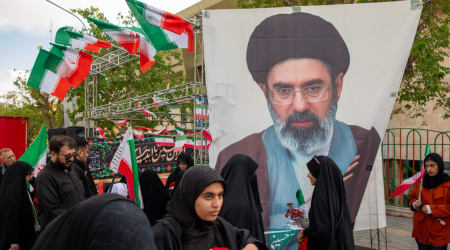
TEHRAN, IRAN - MARCH 9: A demonstrator holds a picture of Iran's new Supreme Leader Ayatollah Mojtaba Khamenei during a rally in support of the new Supreme Leader at Enghelab Square on March 9, 2026 in Tehran, Iran. The United States and Israel continued their joint attack on Iran that began on February 28. Iran retaliated by firing waves of missiles and drones at Israel, and targeting U.S. allies in the region. (Photo by Majid Saeedi/Getty Images)
A demonstrator holds a picture of Iran's new Supreme Leader Ayatollah Mojtaba Khamenei during a rally in support of the new Supreme Leader at Enghelab Square on March 9, 2026, in Tehran, Iran (Majid Saeedi/Getty Images)

“We have had a good relationship with all these 15 neighboring countries. … We only targeted these military bases (and) we will continue, we will have to continue and do so,” he said in the address.

"These countries must make their duty clear to the invaders of our beloved homeland and the killers of our people," he added, recommending that regional governments close US bases “as soon as possible.”

In the same message, Khamenei warned that Iran would seek compensation for damage caused during the ongoing conflict.
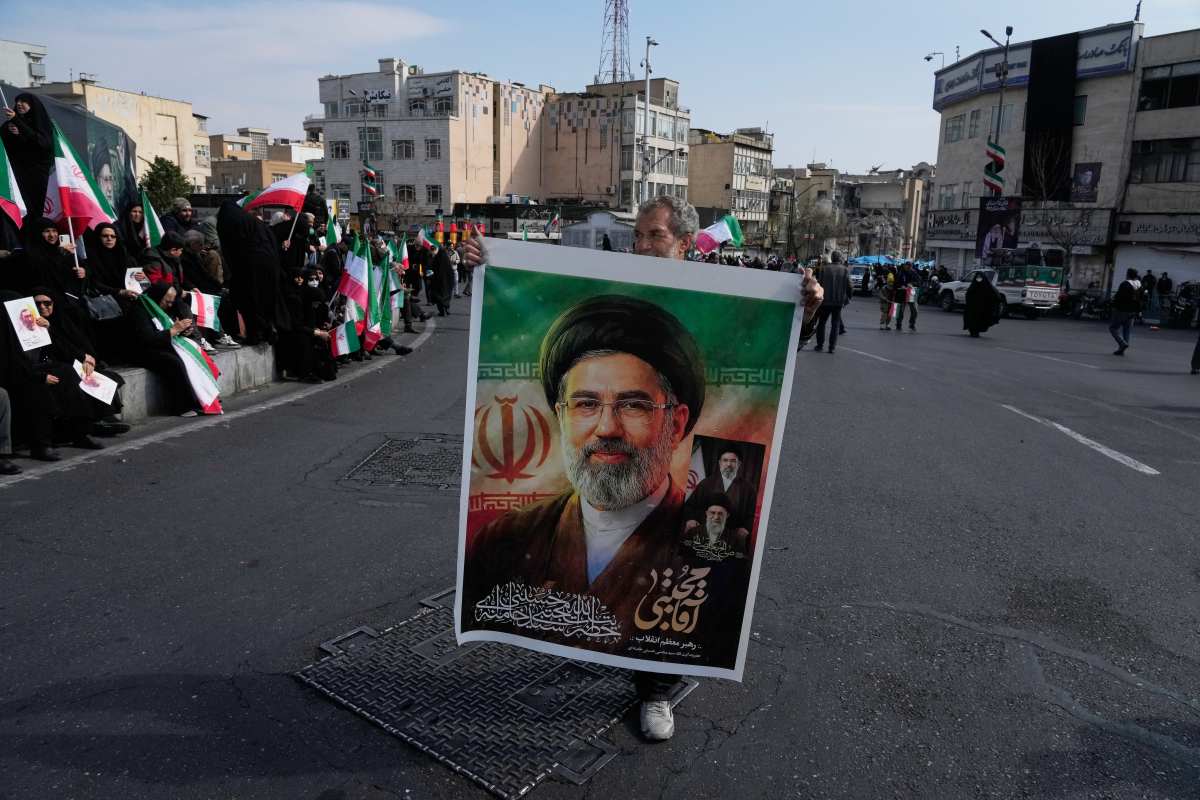
A man holds a poster of Ayatollah Mojtaba Khamenei, who succeeds his late father Ayatollah Ali Khamenei as the supreme leader, during a rally to support him in Tehran, Iran, Monday, March 9, 2026. (AP Photo/Vahid Salemi)
A man holds a poster of Ayatollah Mojtaba Khamenei, who succeeds his late father Ayatollah Ali Khamenei as the supreme leader, during a rally to support him in Tehran, Iran, Monday, March 9, 2026 (AP Photo/Vahid Salemi)

“We will ask for compensation from the enemy. If we can’t get compensation from the enemy, we will destroy their properties as much as they have destroyed ours,” he said.

Although Khamenei did not explicitly name the United States or Israel, he repeatedly referred to “the enemy” in the address.

Donald Trump downplays oil price increase amid conflict

President Donald Trump on Thursday downplayed concerns about rising oil prices tied to the conflict, arguing that the United States benefited from higher energy prices due to its role as a major oil producer.

“The United States is the largest Oil Producer in the World, by far, so when oil prices go up, we make a lot of money,” Trump wrote in a post on Truth Social.


He said his primary focus remained on preventing Iran from developing nuclear weapons.

“BUT, of far greater interest and importance to me, as President, is stoping an evil Empire, Iran, from having Nuclear Weapons, and destroying the Middle East and, indeed, the World,” Trump wrote. “I won’t ever let that happen!” he added.
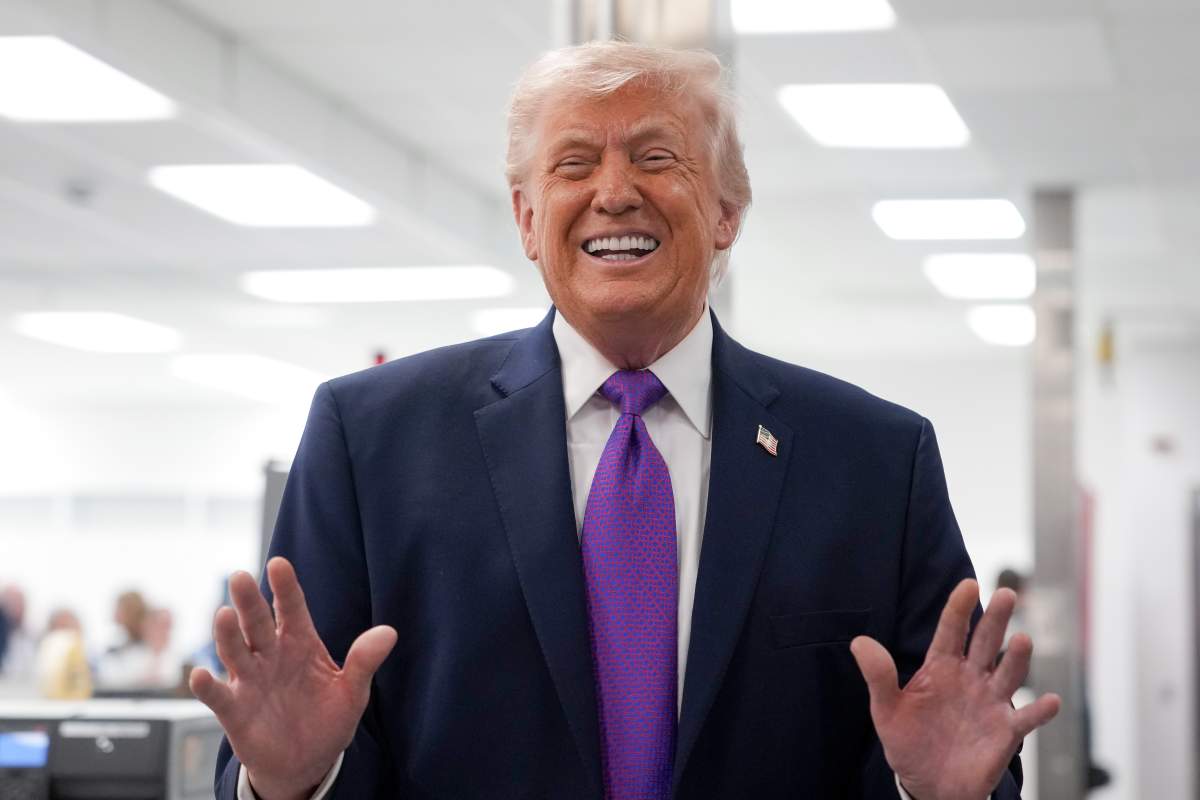
U.S. President Donald Trump speaks during a tour of a Thermo Fisher Scientific facility on March 11, 2026 in Reading, Ohio. President Trump is highlighting his administration's push to lower drug prices at the biotechnology and pharmaceutical company. (Andrew Harnik/Getty Images)
President Donald Trump speaks during a tour of a Thermo Fisher Scientific facility on March 11, 2026, in Reading, Ohio (Andrew Harnik/Getty Images)

Trump’s comments came as the International Energy Agency warned that the conflict could trigger what it described as the “largest supply disruption in the history of the global oil market,” as Iranian actions continued to affect shipping routes in the region.
RELATED TOPICS US STRIKES IRAN

GET BREAKING U.S. NEWS & POLITICAL UPDATES
STRAIGHT TO YOUR INBOX.

MORE STORIES

‘The negotiations are at a deadlock,’ Iran adviser urges Trump to break impasse
5 hours ago
Pentagon calls Iran’s missile deployment claims fabricated, says Gulf operations continue
9 hours ago
Reza Valizadeh criticized the return of Iranian sailors as Steve Witkoff and Jared Kushner led US diplomacy with Iran
17 hours ago
'So long as our villages are not safe and are being bombed and destroyed and our people are killed, northern Israel will not be safe', Kassem said.
1 day ago
The US brokered a ceasefire between Israel and Lebanon after talks, with both sides agreeing to continue negotiations toward a broader agreement
1 day ago
CNBC anchor Sara Eisen didn’t tiptoe around it during Wednesday’s Squawk on the Street interview from Jerusalem, pressing Netanyahu directly on Trump allegedly calling him “f**king crazy” and claiming he would be in jail without his support
1 day ago
Fresh attacks deepen doubts about Washington’s push for a deal with Tehran
2 days ago
Fresh Israeli strikes and cross-border attacks strain US-backed de-escalation efforts
3 days ago
The project, which local media reports estimate will cost around $4 billion, includes approximately 250 hectares within the Narta-Zvernec wetland and lagoon ecosystem
3 days ago
Lebanon developments become central to efforts to prevent wider regional conflict
4 days ago