Iran bars 'enemies' from Hormuz after Kharg Island strike: 'No American ship has the right to enter'
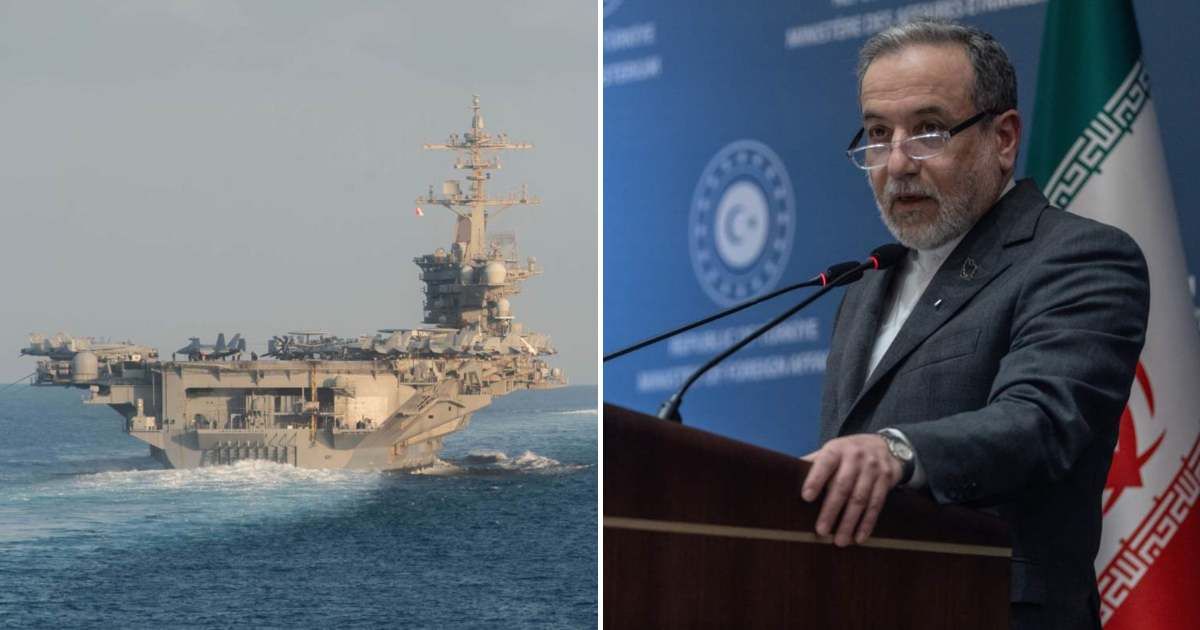
TEHRAN, IRAN: Iran said the Strait of Hormuz remains open to most international shipping but warned that vessels connected to the United States and Israel would not be allowed to pass.
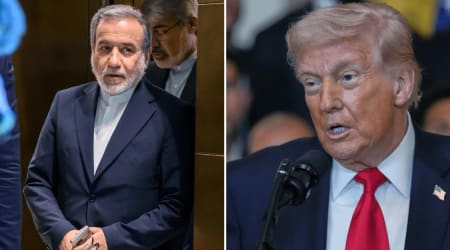
Iranian Foreign Minister Abbas Araghchi made the remarks on Saturday, March 14, as tensions escalated following US strikes on Iranian military targets linked to the country’s energy infrastructure.
The statement comes amid concerns about disruptions to one of the world’s most important oil shipping routes. The development also follows warnings from President Donald Trump that Washington could take further action against Iran’s key oil export facilities.
Iran's Foreign Minister Abbas Araghchi:
— Clash Report (@clashreport) March 14, 2026
The Strait of Hormuz is open.
It is only closed to the tankers and ships belonging to our enemies, to those who are attacking us and their allies.
Others are free to pass.
Of course, many of them prefer not to because of their security… pic.twitter.com/GDlN5NpBpB
Iran denies blocking Hormuz as conflict disrupts shipping
Speaking in an interview with MS NOW, Araghchi said that Iran had not imposed a blanket closure of the Strait of Hormuz, a strategic waterway through which a significant portion of global oil supplies passes each day.
“As a matter of fact, the Strait of Hormuz is open,” Araghchi said. “It is only closed to the tankers and ships belonging to our enemies, to those who are attacking us and their allies. Others are free to pass,” he added.
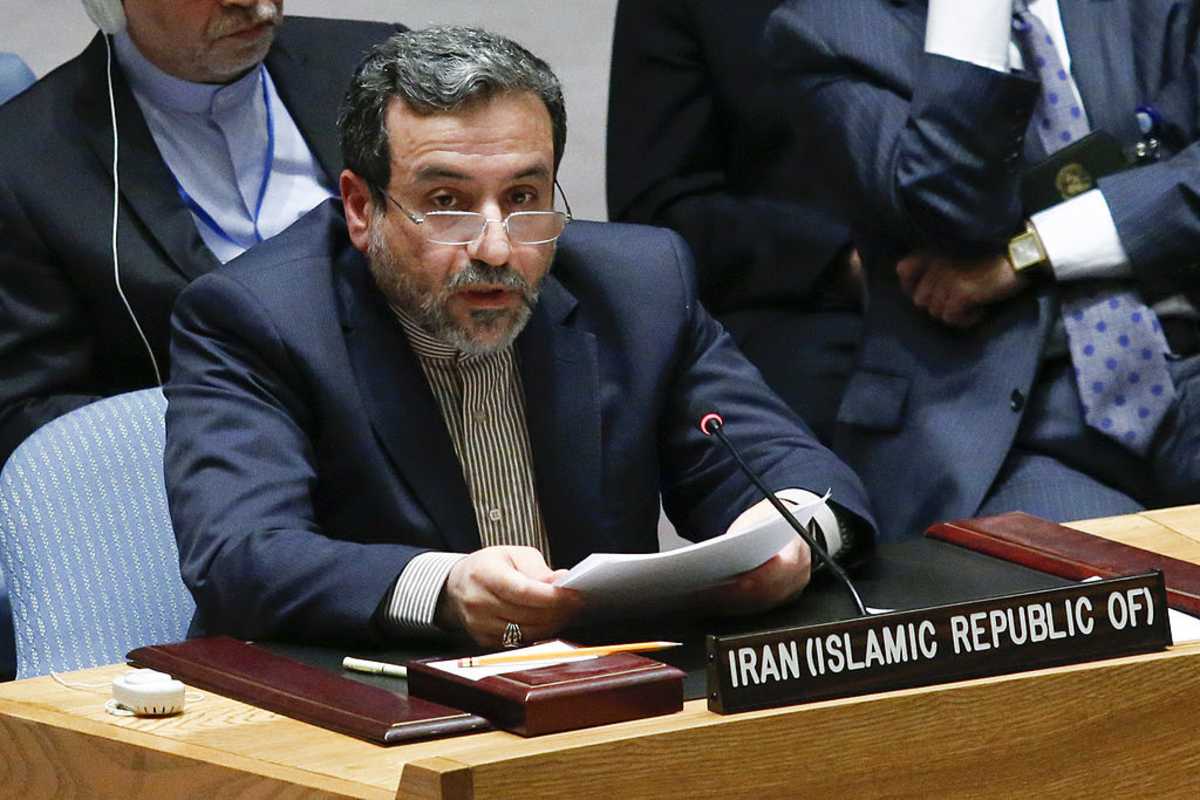
Araghchi also acknowledged that some shipping companies had chosen not to transit the strait due to safety concerns linked to the ongoing conflict.
However, he said those decisions were unrelated to Iranian policy. “Many ships prefer not to pass through because of security concerns, but this has nothing to do with us,” he said.
The comments came less than a day after US forces targeted military infrastructure on Kharg Island, a critical energy hub through which roughly 90% of Iran’s oil exports are shipped.
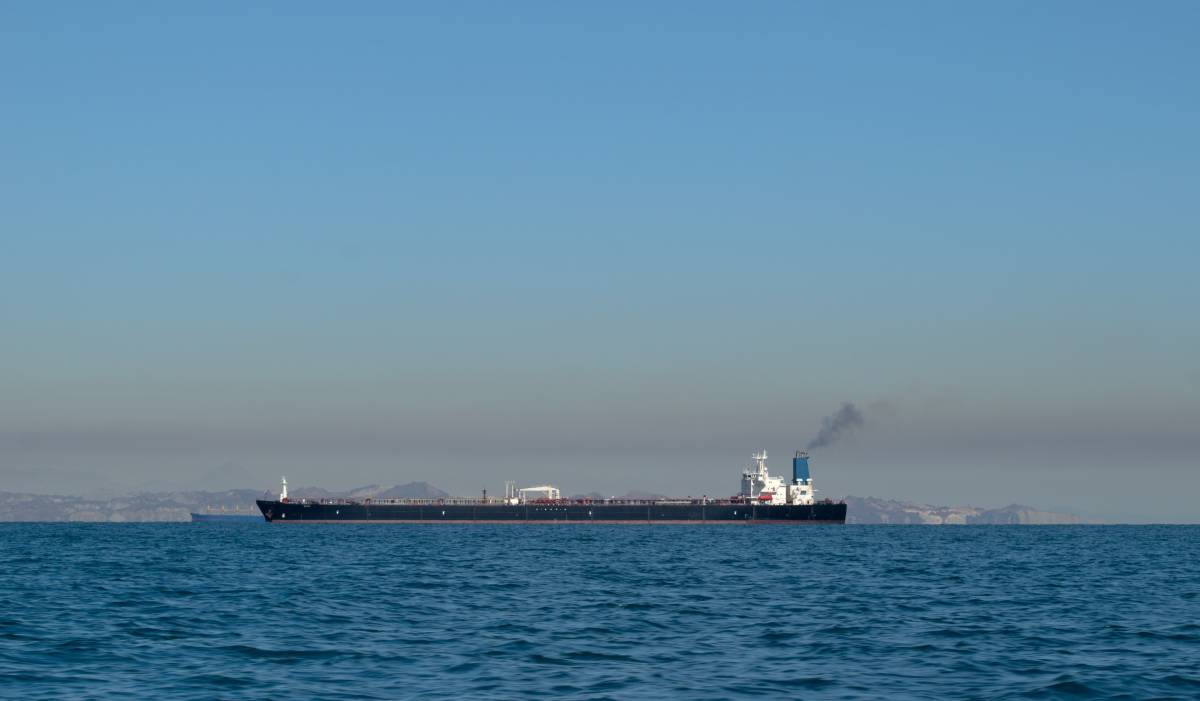
Trump had previously threatened to destroy Iranian oil infrastructure at the facility if Tehran refused to allow safe passage for commercial shipping.
Iranian officials also issued strong warnings about the presence of American vessels in the region. Mohsen Rezaee, a member of Iran’s Expediency Discernment Council, said bluntly that “No American ship has the right to enter the Gulf.”
Trump urges allies to send warships as shipping tensions grow
Trump responded to the situation in a lengthy post on the Truth Social platform, calling on several countries to deploy naval forces to ensure the Strait of Hormuz remained open to global commerce.
“Many Countries, especially those who are affected by Iran's attempted closure of the Hormuz Strait, will be sending War Ships, in conjunction with the United States of America, to keep the Strait open and safe,” Trump wrote.
He specifically mentioned countries including China, France, Japan, South Korea and the United Kingdom as nations that could help patrol the vital shipping route.
“We have already destroyed 100% of Iran’s Military capability, but it’s easy for them to send a drone or two, drop a mine, or deliver a close range missile somewhere along, or in, this Waterway, no matter how badly defeated they are,” Trump added.
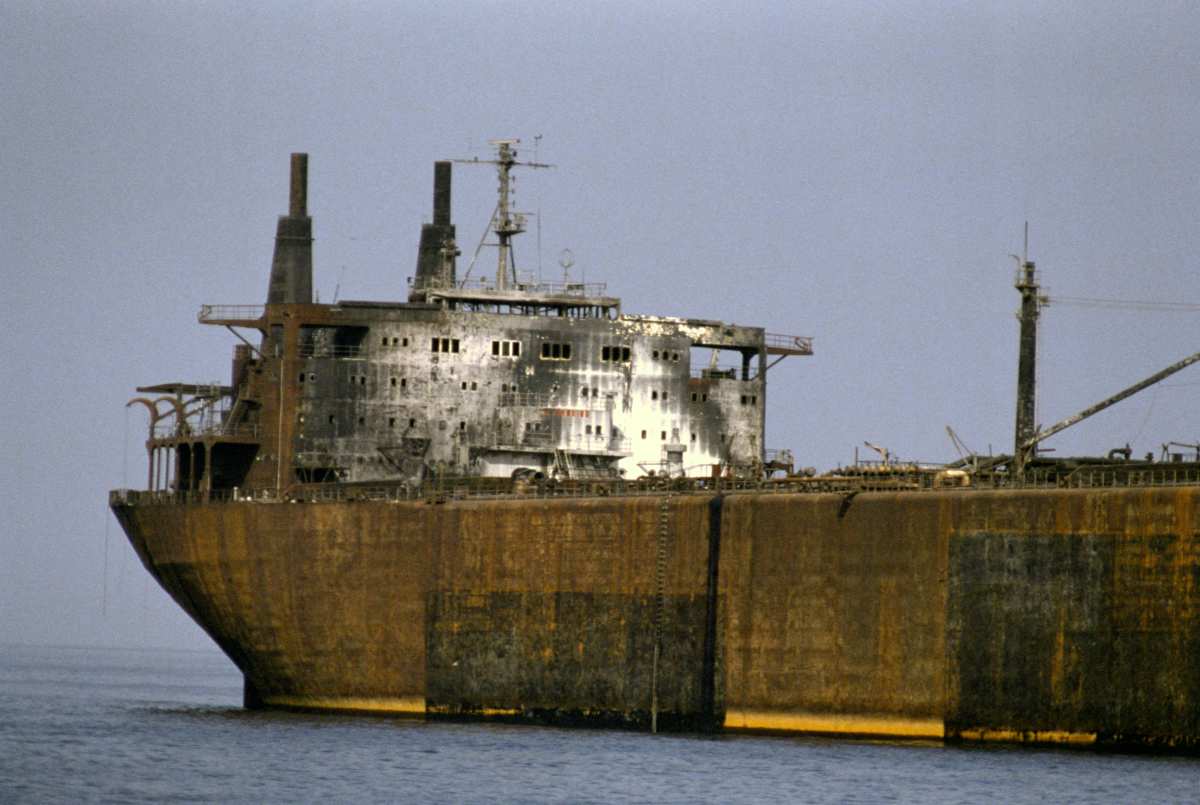
Trump also warned that the United States would continue military operations in the region. “One way or the other, we will soon get the Hormuz Strait OPEN, SAFE, and FREE!” he wrote, adding that the US would continue bombing Iran’s shoreline and targeting Iranian boats if necessary.