China offers US farmers a way back into its market after the Beijing summit
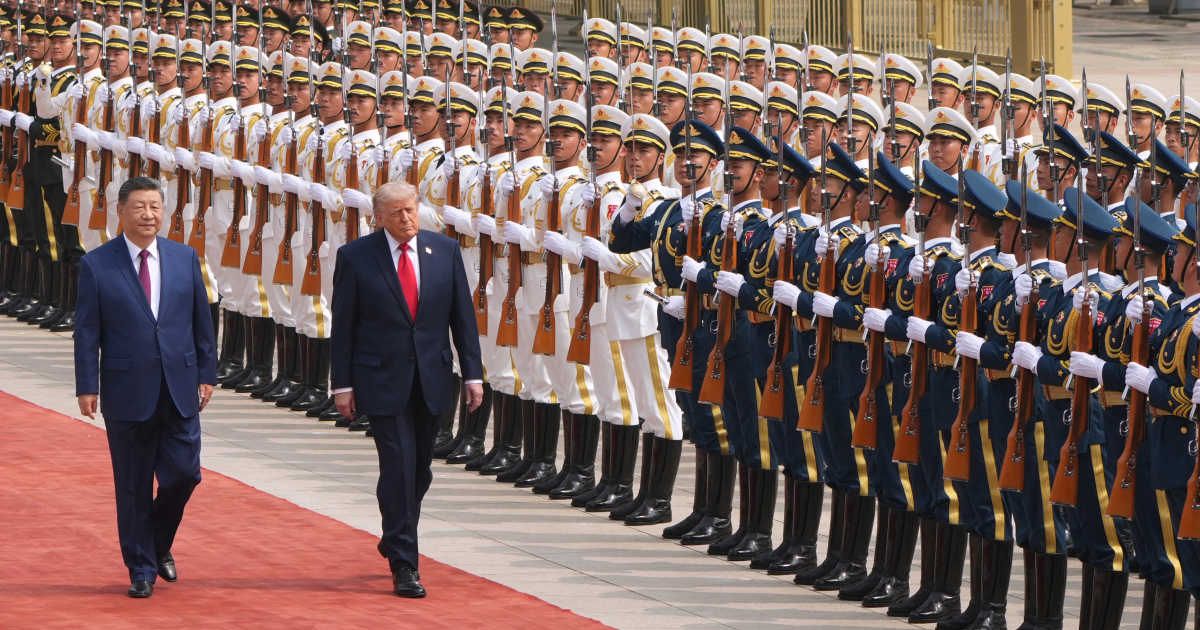
BEIJING: Following a high-stakes bilateral summit in the Chinese capital, China and the United States have reached an agreement to expand agricultural trade through reciprocal tariff reductions and a comprehensive unwinding of non-tariff barriers.
The Chinese Commerce Ministry announced on Saturday, May 16, that the newly brokered agreements are currently "preliminary" but will be finalized as soon as possible.
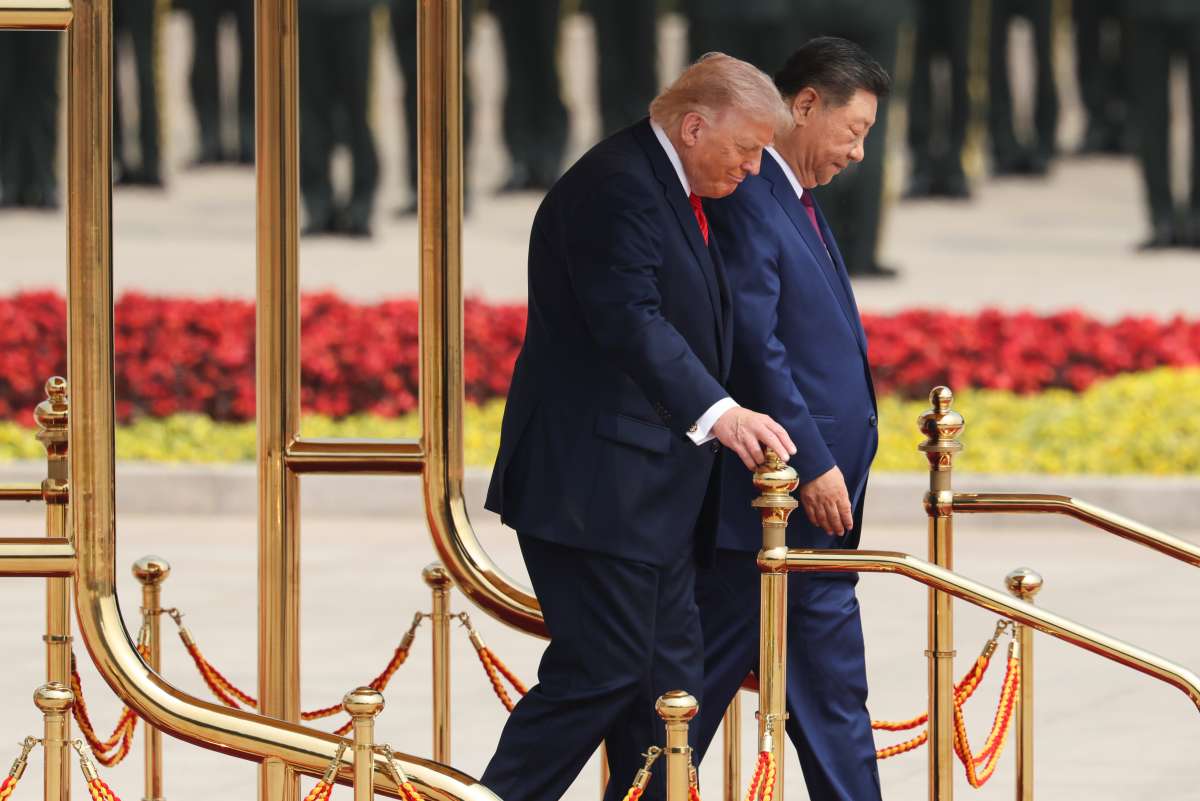
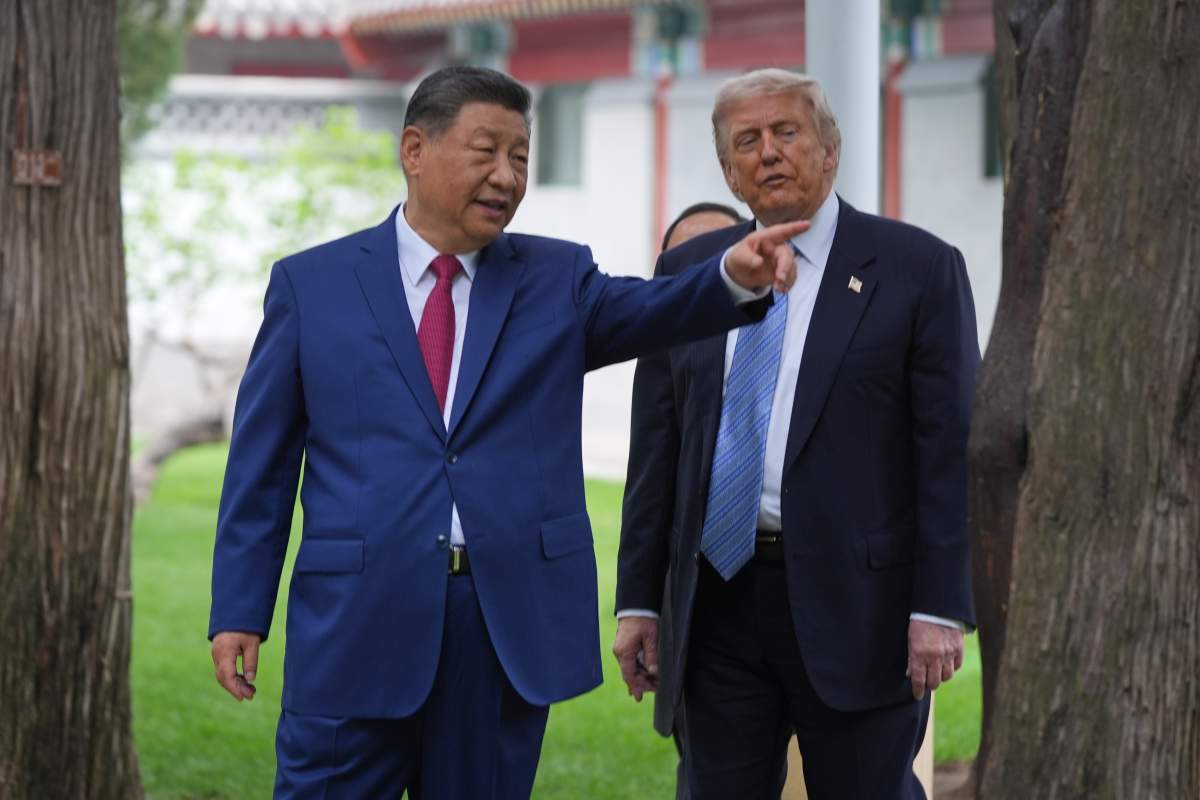
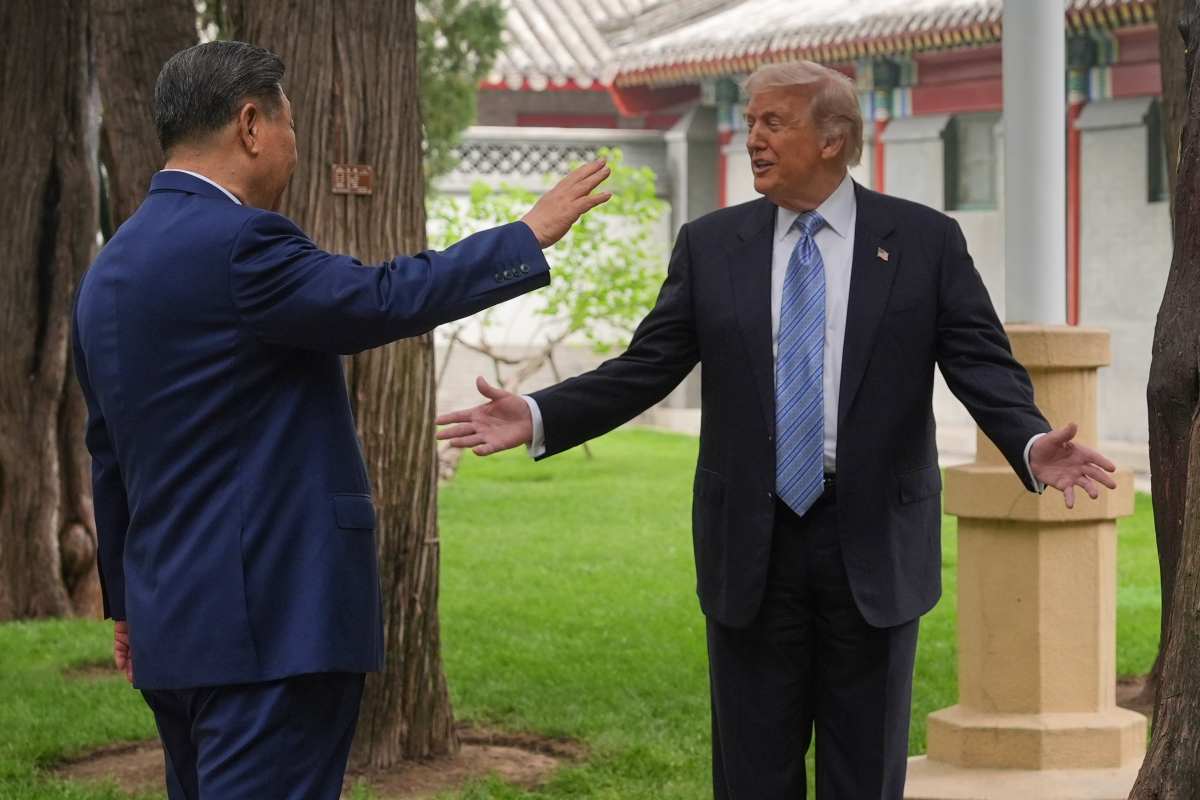
The breakthrough represents a significant pivot following President Donald J Trump's high-profile diplomatic visit to Beijing earlier this week.
The sudden shift toward trade normalization comes in the wake of a devastating economic contraction between the two global powers.
Last year's rounds of severe, tit-for-tat tariffs completely upended traditional supply lines, causing US agricultural exports to China to plummet by a staggering 65.7% year-on-year.
According to official data compiled by the US Department of Agriculture, total farm trade between the nations collapsed to just $8.4 billion in 2025.
Currently, American agricultural imports entering Chinese ports are still burdened by an additional 10% levy, which this new framework aims to systematically dismantle.
Reciprocal tariff reductions rescue the soybean market
The ministry stated that both nations are actively working to promote two-way trade through sweeping tariff reductions across a broad range of goods.
While the official announcement did not specify every single item included in the package, market watchdogs are heavily anticipating an immediate 10% cut to soybean tariffs.

During last year's American harvest, private Chinese commercial crushers were entirely sidelined due to the high duties, leaving state crop traders as the only active buyers in the market.
Prior to the summit, Beijing had already resumed limited purchases following an October meeting, successfully fulfilling a commitment to buy 12 million metric tons of US soybeans by the end of February. China has also quietly purchased US wheat cargoes and massive volumes of sorghum.
Johnny Xiang, the founder of Beijing-based AgRadar Consulting, noted that these new tariff reductions will mark a true normalization of China-US agricultural trade, providing the legal and financial breathing room necessary for commercial private buyers to finally re-enter the market.
Beijing approves hundreds of beef facilities
Beyond raw duties, the preliminary agreement addressed the thorny issue of regulatory market access and non-tariff blockades that have paralyzed American meat processors.
In a major concession, Beijing announced on Friday that it has officially granted five-year registration extensions to 425 US beef plants.
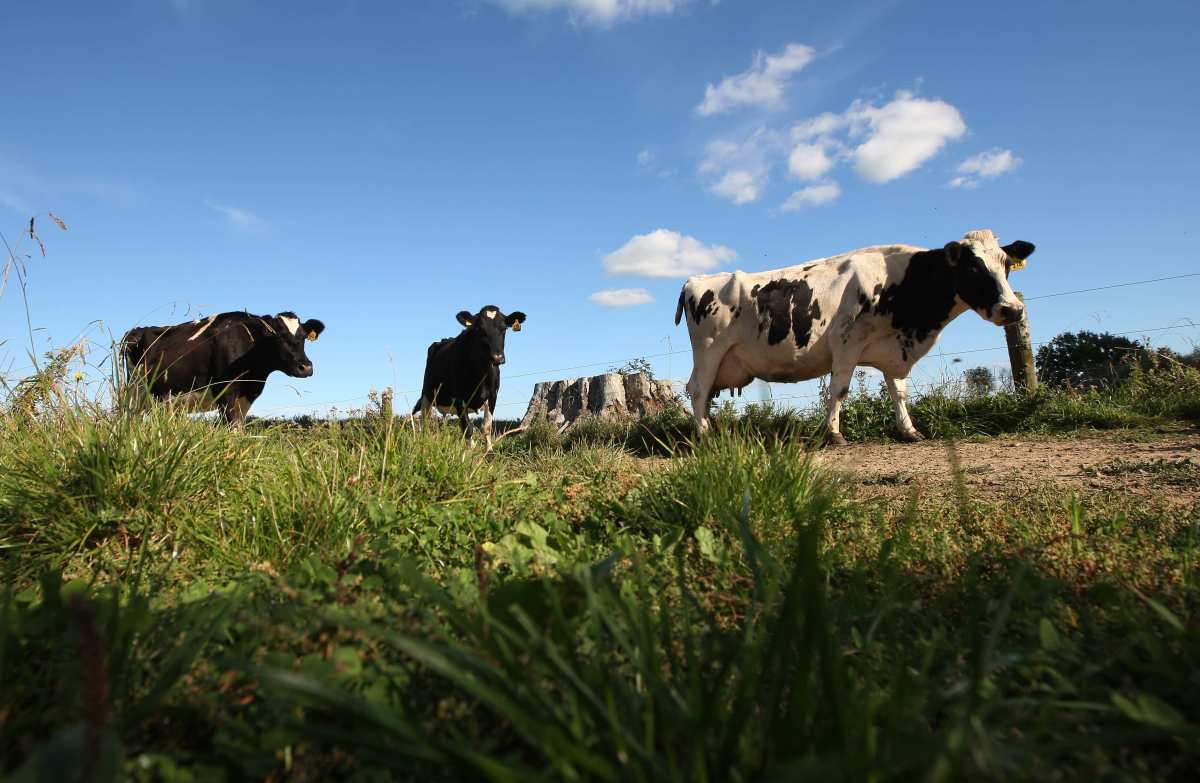
These specific facilities had been completely shut out of the lucrative Chinese market after their administrative registrations lapsed last year.
In addition to renewing the existing facilities, the Chinese government approved brand-new, five-year registrations for 77 additional US processing plants.
The Commerce Ministry confirmed that both sides have pledged to "resolve or make substantive progress" on these persistent bureaucratic bottlenecks.
Moving forward, Chinese regulators will specifically work to address ongoing American grievances regarding the formal registration of beef facilities and restricted poultry exports originating from several US states.
Washington expects massive multiyear buying surge
While specific details regarding precise product volumes, values, and delivery timelines have not yet been made public by either government, Washington is already projecting a massive windfall for American producers.
US Trade Representative Jamieson Greer stated on Friday that the administration fully expects China to purchase "double-digit billions" worth of US agricultural products over the course of the next three years.

The agricultural breakthrough provides crucial economic relief for the administration following a year of intense trade hostilities. By restoring access for major livestock and grain producers, the preliminary agreement aims to stabilize the domestic farming sector.
However, trade analysts caution that until the preliminary text is fully finalized and the remaining 10% levies are completely erased, commercial markets will remain cautious about the long-term stability of the cross-strait trade relationship.