Zelenskyy accuses Russia of feeding Iran intel before US base attack: 'One hundred percent'
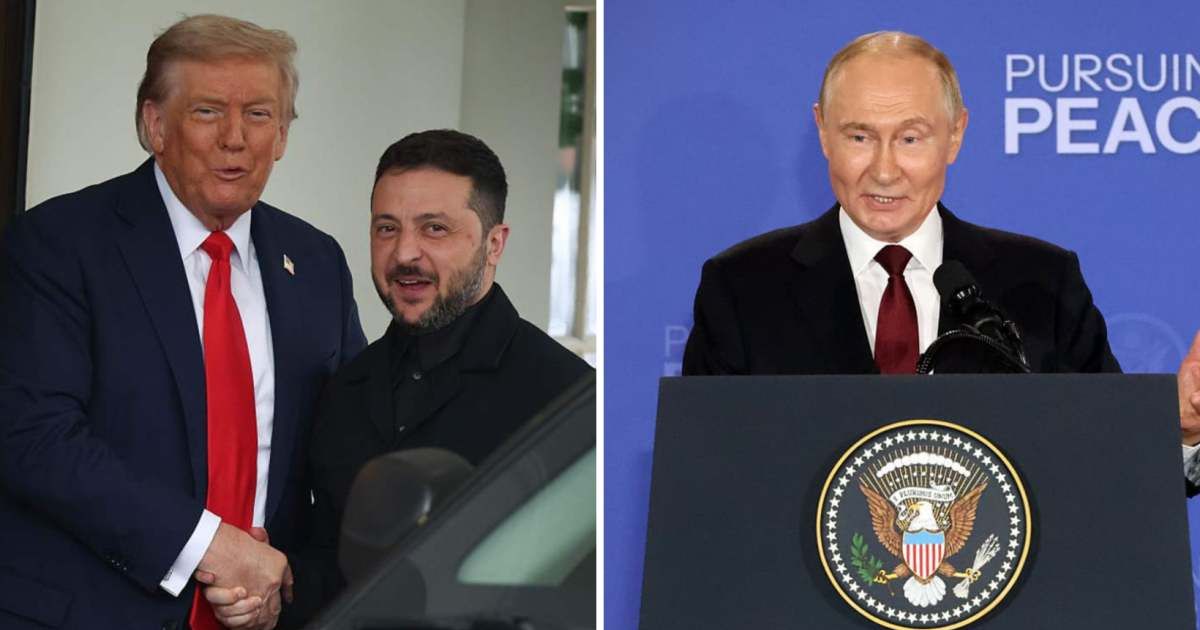
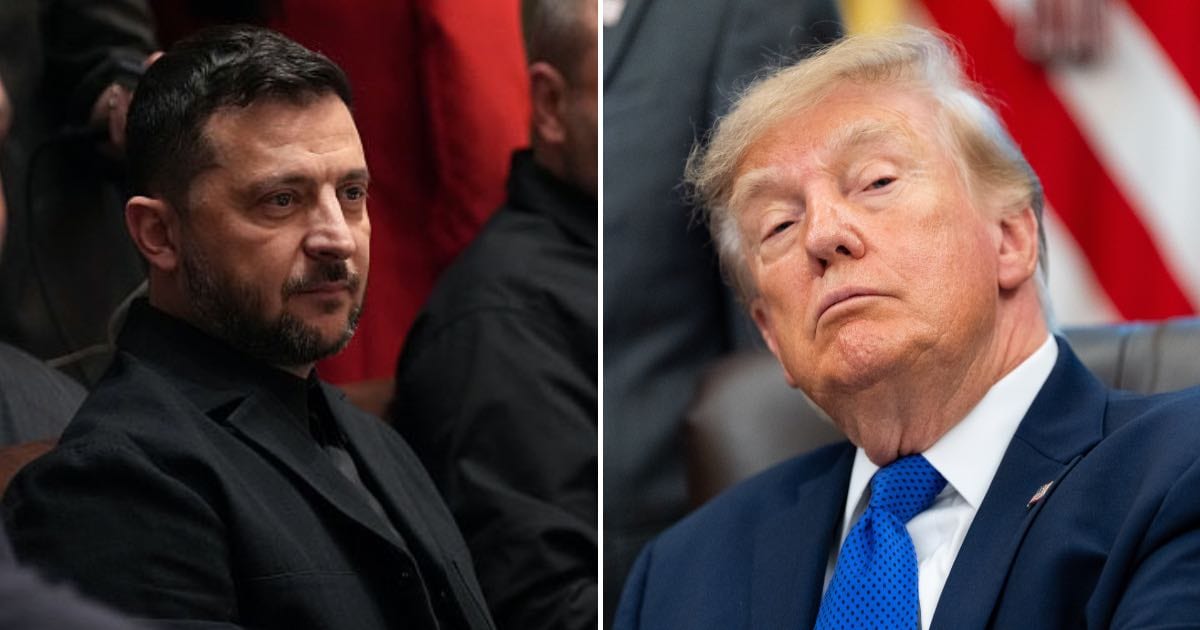
DOHA, QATAR: Ukrainian President Volodymyr Zelenskyy on Saturday, March 28, said Russia took satellite images of a US air base in Saudi Arabia in the days leading up to an Iranian attack that injured American service members.
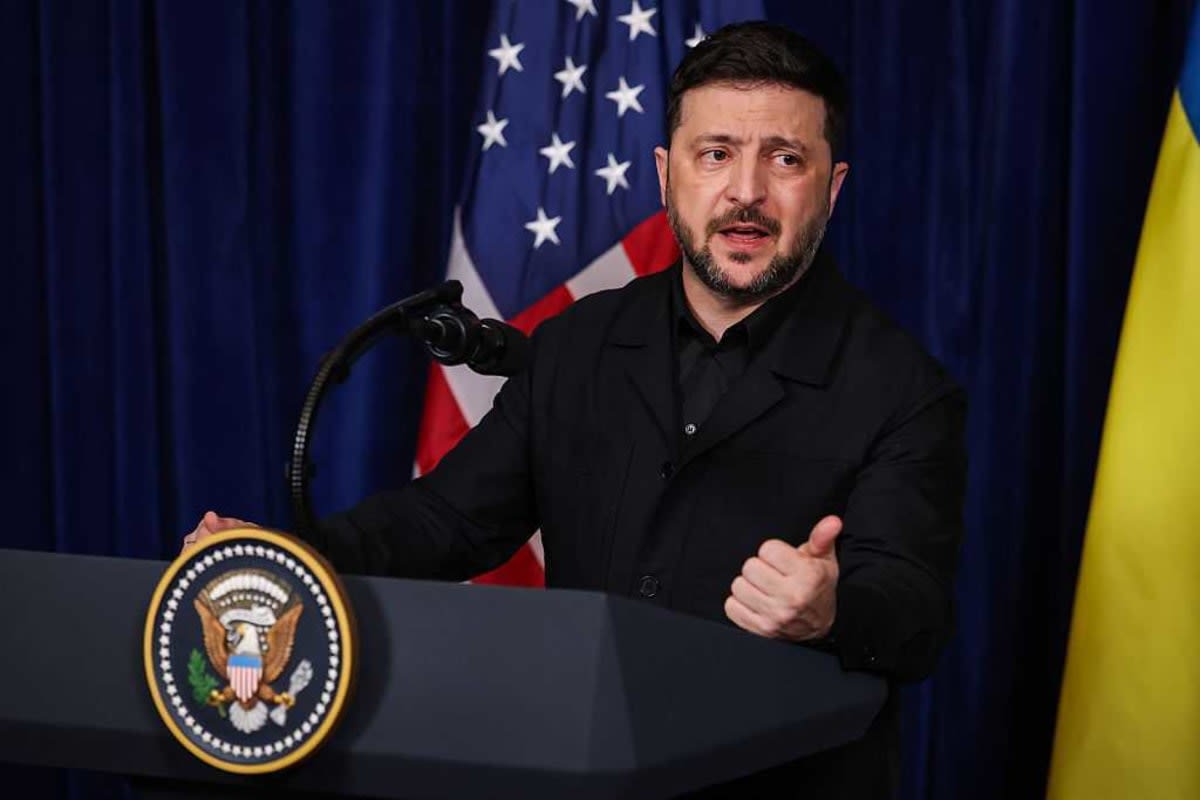
Speaking in Doha, Zelenskyy alleged that Moscow shared intelligence with Tehran to assist in targeting US forces.
The claims come amid escalating tensions in the Middle East and ongoing conflict between Russia and Ukraine. US officials have confirmed injuries from the strike but have not publicly verified the intelligence claims.

Volodymyr Zelenskyy alleges Russian Intelligence support to Iran
In an interview with NBC, Zelenskyy said he was “100%” confident that Russia had provided intelligence to Iran.
“I think that it’s in Russia’s interest to help Iranians. And I don’t believe, I know, that they share information,” he said. “Do they help Iranians? Of course. How many percent? One hundred percent.”
According to a summary of Ukrainian intelligence shared by Zelenskyy, Russian satellites captured images of the Prince Sultan Air Base on March 20, March 23, and March 25.
The base, which hosts US and Saudi forces, was targeted by Iran on March 26, resulting in injuries to American troops, though officials said none were life-threatening.
Zelenskyy described the pattern of satellite imaging as consistent with attack preparation.
“We know that if they make images once, they are preparing. If they make images a second time, it’s like a simulation. The third time it means that in one or two days, they will attack,” he said.
The Ukrainian president’s claims could not be independently verified, and the intelligence summary did not include direct evidence of the satellite imagery or specify how Ukraine obtained the information.
Meanwhile, Sergey Lavrov denied that Russia provided intelligence to Iran, though he acknowledged ongoing military cooperation between the two countries.
Concerns over US support and broader geopolitical impact
Zelenskyy also expressed concern that the escalating conflict in the Middle East could affect US military support for Ukraine.
He warned it would be a “mistake” if American-made missile interceptors intended for Kyiv were redirected to Gulf nations facing Iranian attacks.
“I’m very worried. I hope that the United States will not make such mistakes,” he said, emphasizing the importance of continued Western support.
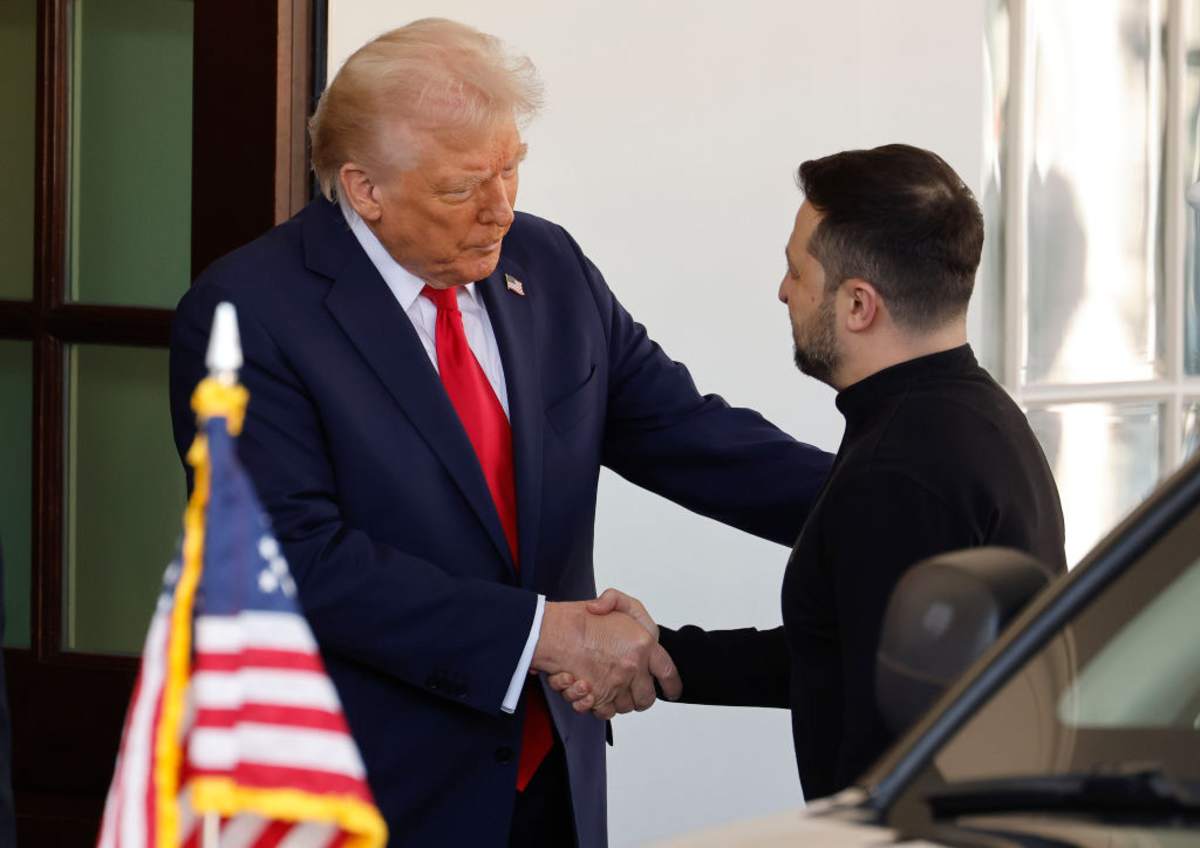
During his visit to Gulf states, Zelenskyy said Ukraine had reached defense-related agreements with Saudi Arabia and Qatar, involving technology sharing in exchange for investment in Ukraine’s defense sector.
He noted that Ukraine’s experience countering Iranian-made drones used by Russia had created demand for its expertise.
Zelenskyy also suggested that Russia could benefit from prolonged instability in the Middle East.
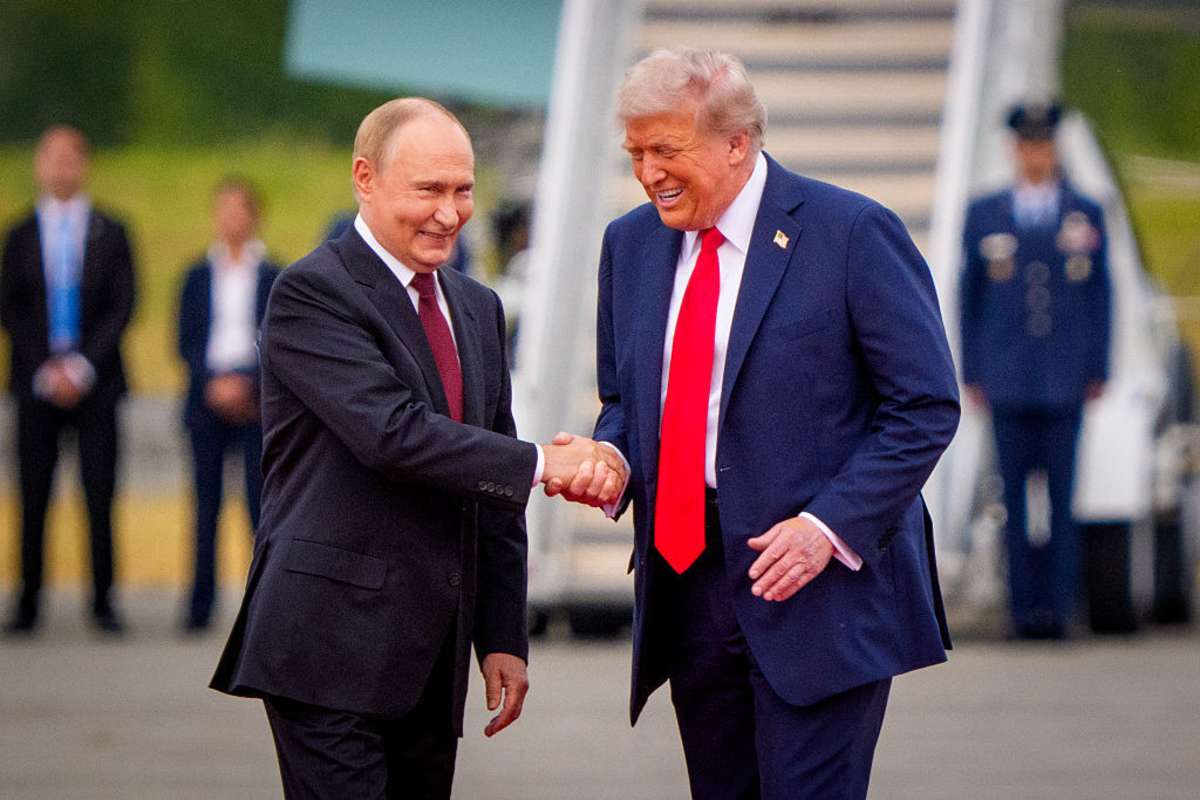
Referring to Vladimir Putin, he said, “(Putin) has benefits, a lot of benefits, of this war,” citing rising oil prices and potential easing of sanctions that could boost Russian revenues.
“If sanctions are lifted, (Putin) will get more money, much more money, and he will put this money to weapons,” he concluded.