Zelenskyy calls trilateral US-Russia talks constructive, next round under discussion
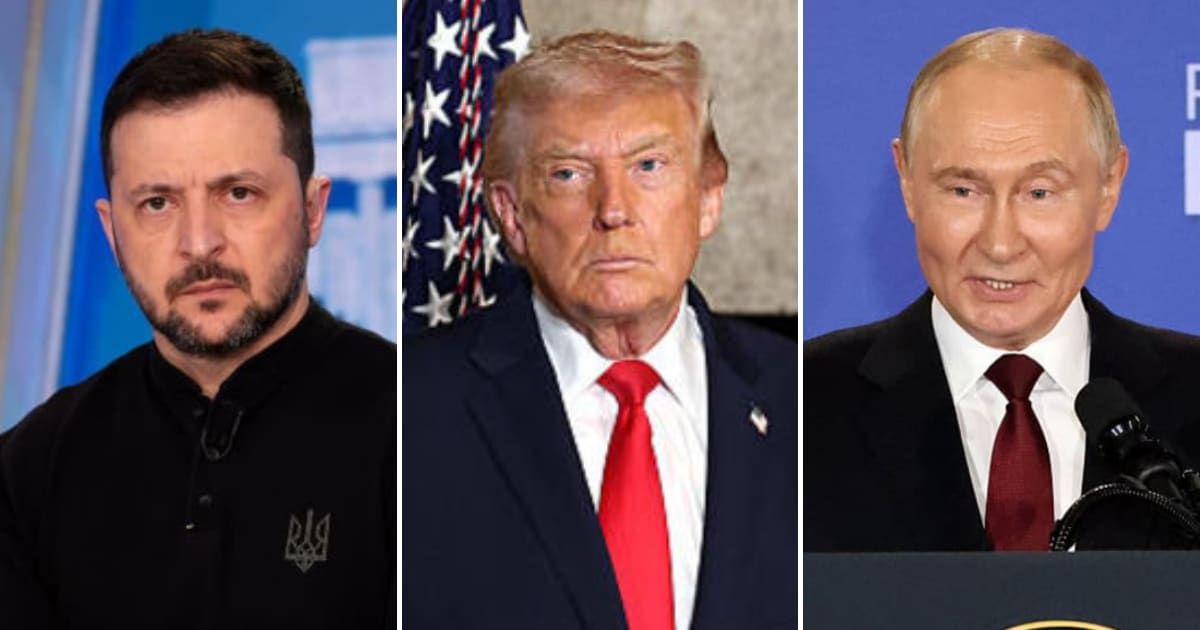
ABU DHABI, UNITED ARAB EMIRATES: Ukrainian President Volodymyr Zelenskyy said on Saturday, January 24, that two days of trilateral talks with Russia and the United States in Abu Dhabi concluded with “constructive” discussions on possible parameters for ending the war, even as deep disagreements, particularly over territory, remained unresolved.
The meeting marked the first known instance in which officials from the Trump administration sat down with representatives from both Kyiv and Moscow as Washington intensified efforts to bring an end to Russia’s nearly four-year invasion of Ukraine.
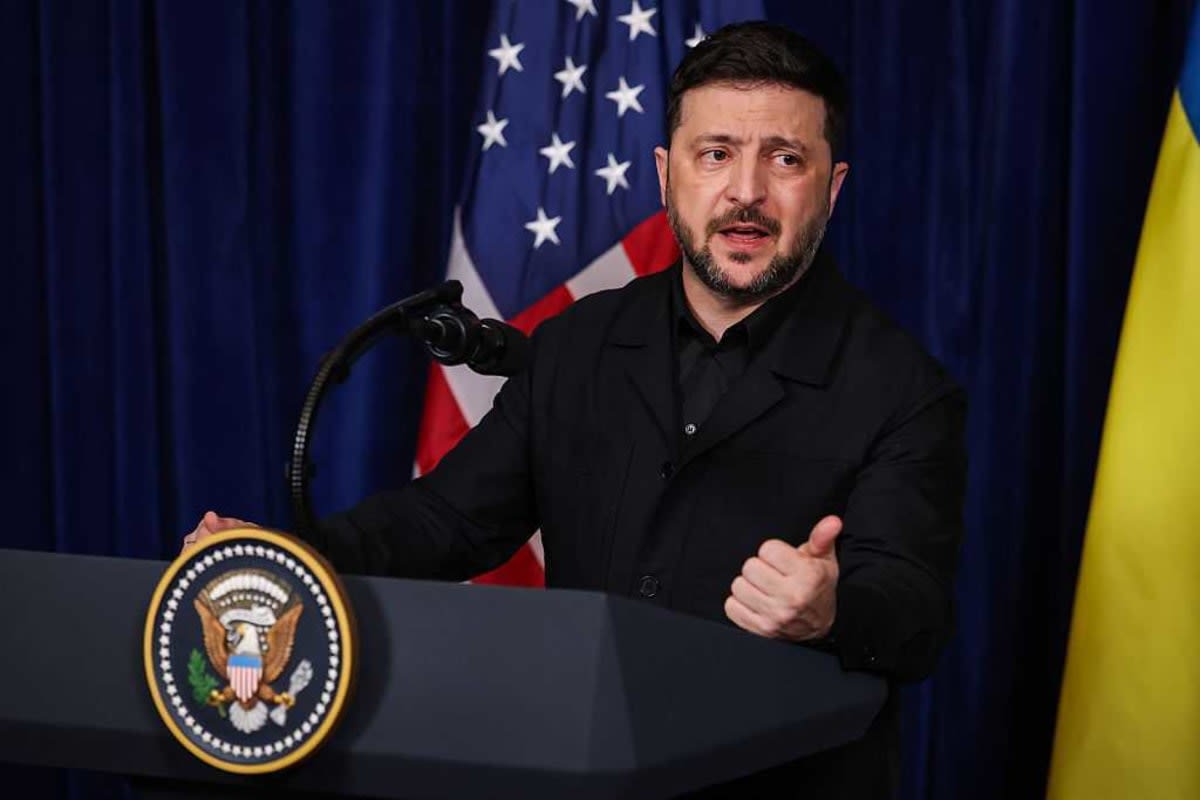
American monitoring deemed essential by Volodymyr Zelenskyy
“All parties agreed to report to their capitals on each aspect of the negotiations and to coordinate further steps with their leaders,” Zelenskyy wrote on Telegram.
He said military representatives identified issues for a potential follow-up meeting that could take place as soon as next week.
Zelenskyy emphasized that participants reached “an understanding of the need for American monitoring and control of the process of ending the war and ensuring real security,” noting Kyiv’s insistence that any agreement needed to be backed by the United States.
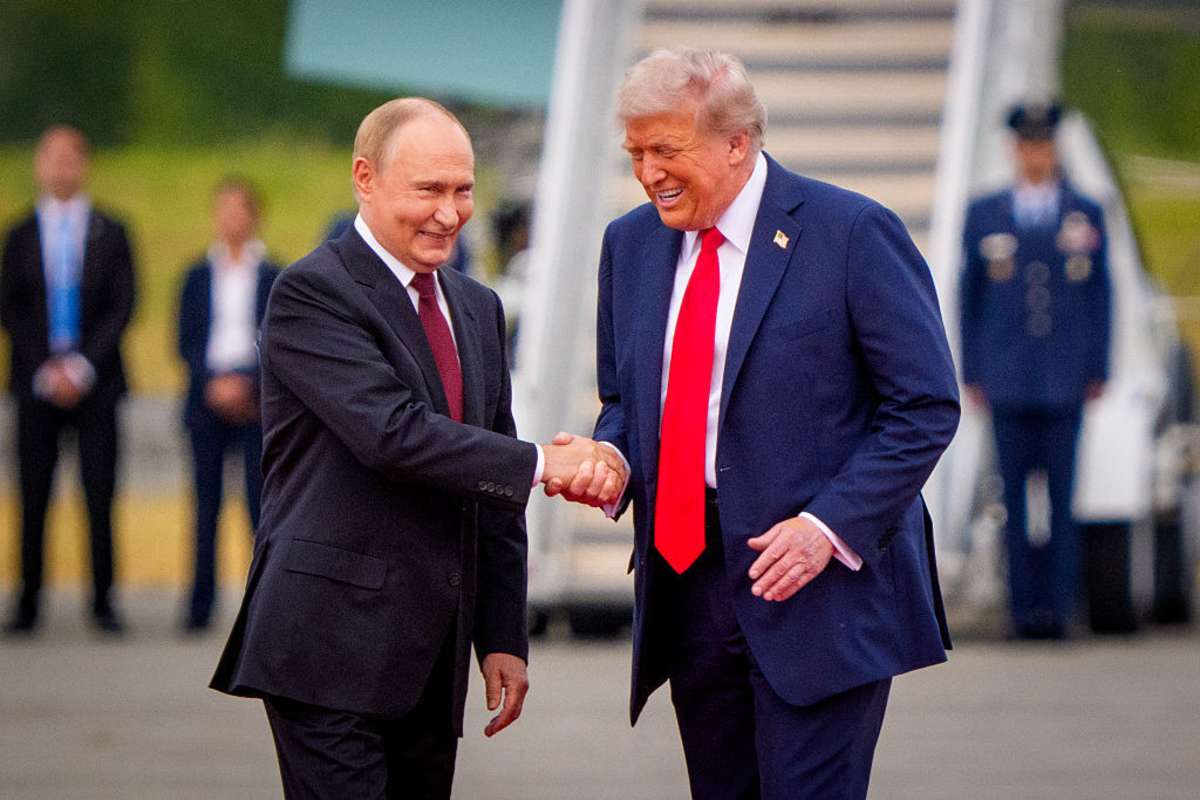
First trilateral talks since the war began
The talks were hosted by the United Arab Emirates, whose Foreign Ministry said the discussions were part of broader efforts “to promote dialogue and identify political solutions to the crisis.”
The US delegation included Envoys Steve Witkoff and Jared Kushner. Ukraine was represented by Defense Minister and chief negotiator Rustem Umerov, along with military intelligence chief Kyrylo Budanov and senior defense officials.
Russia sent representatives from its Ministry of Defense, led by Admiral Igor Kostyukov, chief of the Main Intelligence Directorate, according to Kremlin aide Yury Ushakov.
The White House had not publicly commented on the talks. Ushakov described the meeting as “exceptionally substantive, constructive, and extremely frank and confidential,” while cautioning that a durable settlement remained elusive.
Territory emerges as central obstacle
Despite optimistic rhetoric, territorial disputes continued to dominate the negotiations. The Kremlin insisted that Ukraine needed to withdraw its forces from eastern regions that Russia claimed to have annexed, the areas Moscow did not fully control.
Speaking in Davos earlier this week, Zelenskyy said that a potential peace deal was “nearly ready,” but acknowledged that sensitive issues, especially territory, remained unresolved. A European official later confirmed that land remained the single outstanding issue.
US Envoy Witkoff echoed that assessment in Davos. “I think we’ve got it down to one issue, and we have discussed iterations of that issue, and that means it’s solvable,” he said.
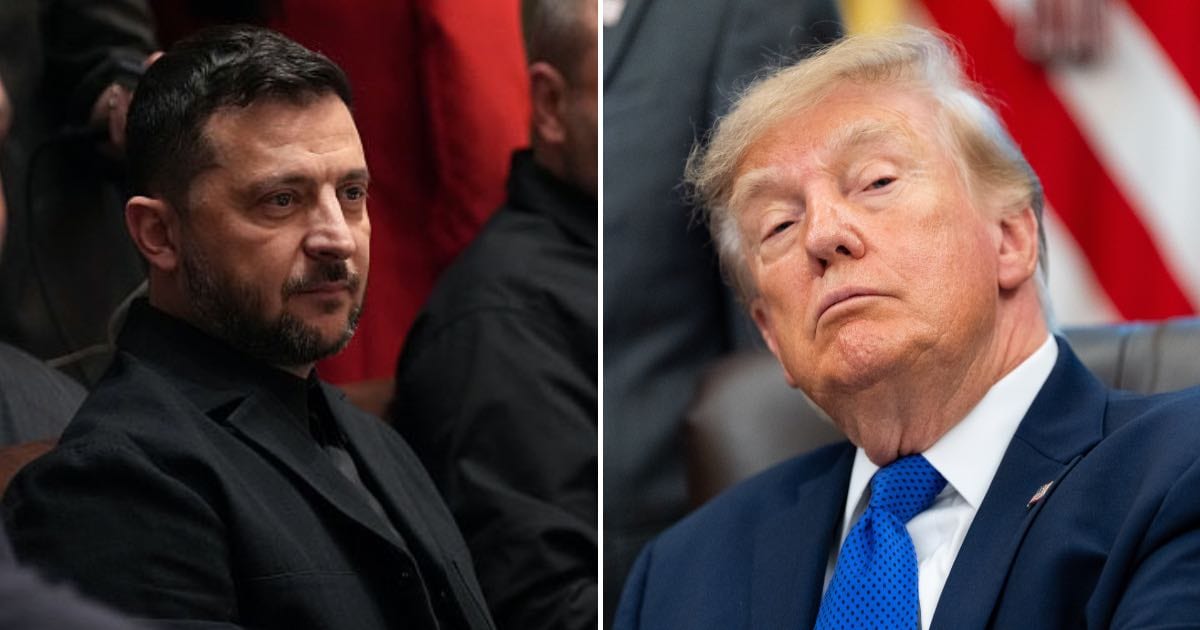
President Donald Trump struck a blunter tone, saying, “I believe they’re at a point now where they can come together and get a deal done, and if they don’t, they’re stupid,” referring to Putin and Zelenskyy.