'We received a request': Zelenskyy deploys drone hunters to Middle East against Iran's 'Shaheds'

KYIV, UKRAINE: Ukraine will send drone warfare specialists to the Middle East to help the United States and its regional partners counter Iranian Shahed drones, Ukrainian President Volodymyr Zelenskyy said on Thursday, March 5.
The move comes as Iran ramps up drone and missile attacks across the Gulf in response to the ongoing US-Israeli military campaign against Tehran.
In a post on X, Zelenskyy said Washington had requested Ukraine’s assistance because of its extensive experience in defending against the Iranian-designed drones, which have been widely used in the war with Russia.
“We received a request from the United States for specific support in protection against ‘Shaheds’ in the Middle East region,” Zelenskyy wrote.
“I gave instructions to provide the necessary means and ensure the presence of Ukrainian specialists who can guarantee the required security,” he added. "Ukraine helps partners who help ensure our security and protect the lives of our people."
We received a request from the United States for specific support in protection against "shaheds" in the Middle East region. I gave instructions to provide the necessary means and ensure the presence of Ukrainian specialists who can guarantee the required security. Ukraine helps…
— Volodymyr Zelenskyy / Володимир Зеленський (@ZelenskyyUa) March 5, 2026
Lessons from Ukraine’s war with Russia
Zelenskyy emphasized that the same type of drones currently being deployed by Iran in the Middle East have been used extensively against Ukrainian cities since Russia’s invasion.
“The Iranian attack drones are the same ‘Shaheds’ that have been striking our cities, villages and Ukrainian infrastructure throughout this war,” he said in an earlier statement.
Early in the conflict, Iran supplied Russia with large numbers of low-cost drones. Moscow later modified the design and began producing them domestically at scale.
According to Ukrainian Major General Viktor Yahun, Russia now manufactures nearly 5,000 Shahed-type drones every month, forcing Ukraine to rapidly adapt its air defense strategies.
Those adaptations have included a range of innovative and relatively inexpensive countermeasures designed specifically to intercept the slow-moving drones.
Low-cost interceptor drones key to defense
One of the most effective tools Ukraine developed was a system of interceptor drones designed to hunt and destroy Shahed drones mid-air.
Roman Korzh, founder of Ukraine’s Global Drone Academy, said the approach was born out of necessity.
“We were forced to find such a solution,” Korzh said. “It is effective, it is low budget, and it allows us to create layered air defense systems.”
Traditional missile defense systems, he noted, are often too expensive to deploy against the low-cost drones.
Gulf allies facing similar challenges
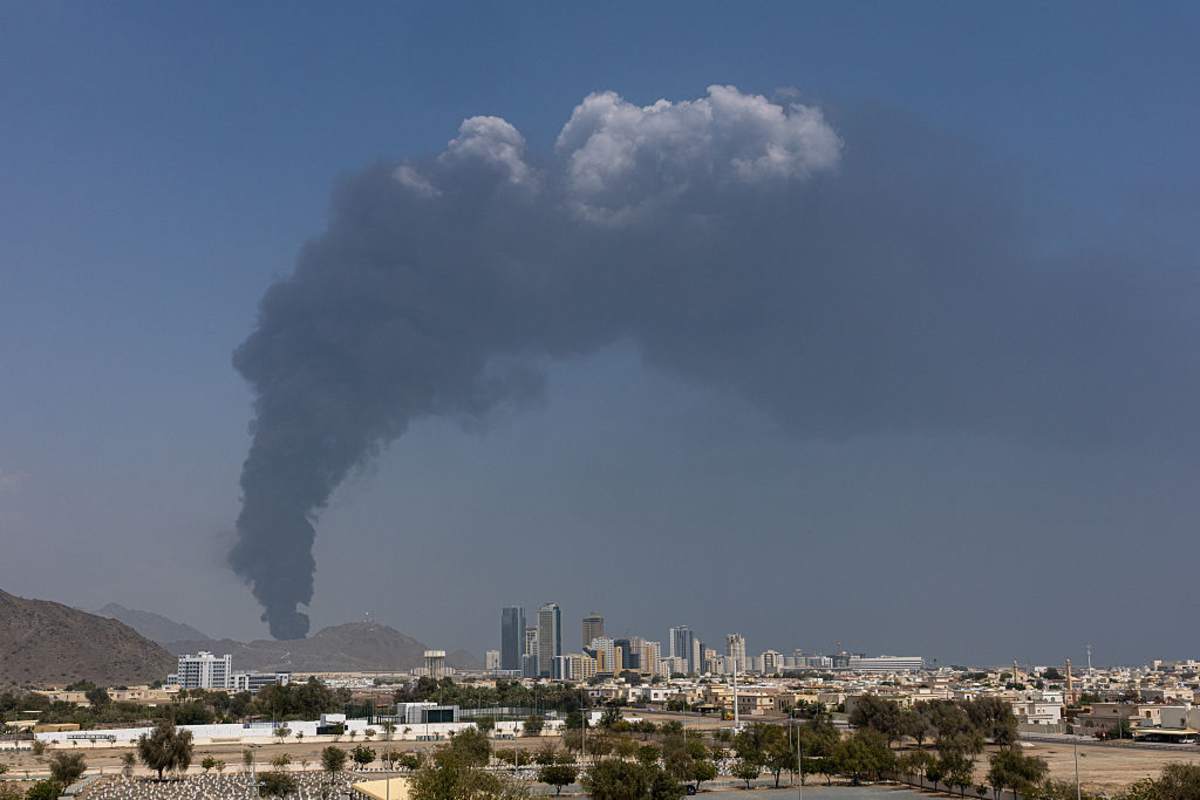
Countries in the Gulf are now confronting the same problem as Iran launches large-scale drone barrages across the region. Regional officials told reporters that missile interceptor stocks were already running low just days into the conflict.
Zelenskyy said during a briefing on Wednesday that Gulf states had already used more than 800 Patriot missile system interceptors to defend against Iranian air attacks, more than Ukraine had received during four years of war.
“Everyone can now see that Ukraine’s experience in defense is, in many respects, irreplaceable,” Zelenskyy said in another message posted on X. “We are ready to share this experience and help those nations that helped Ukraine this winter and throughout this war.”
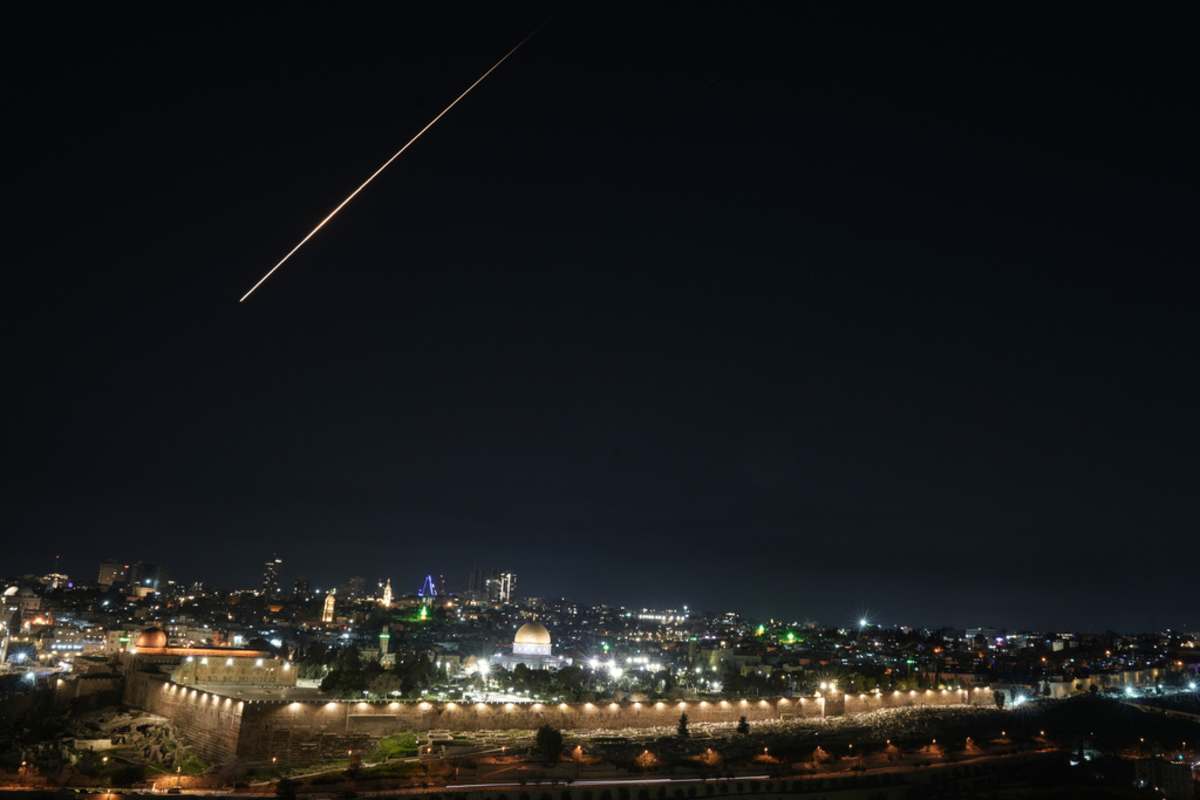
Iran’s drone barrages complicate regional war
The deployment of hundreds of drones by Iran has become a major challenge for air defense systems across the Middle East.
Regional officials believe Tehran may be deliberately targeting Arab states with drone attacks in an attempt to pressure them into pushing Washington to halt the war.
Despite concerns about the pace of missile use, US officials say supplies remain sufficient. Speaking at the Pentagon on Wednesday, Gen Dan Caine said the US military still had enough “precision munitions for the task at hand, both on the offense and defense.”