Zelenskyy says only 'real pressure' from US can force Putin to end the war
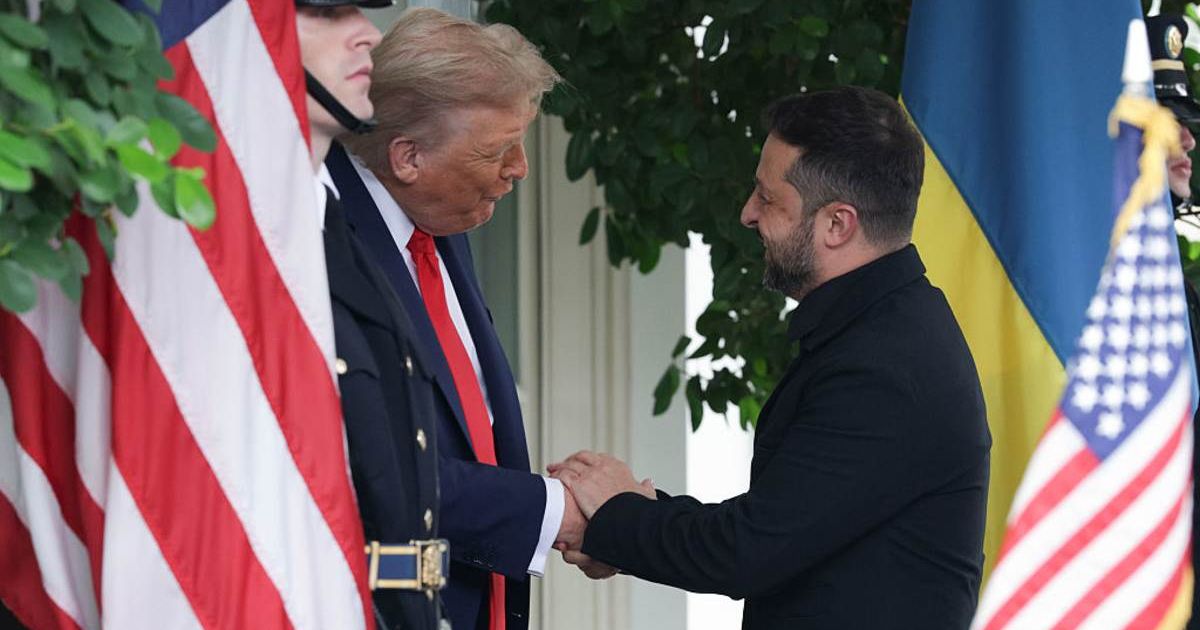
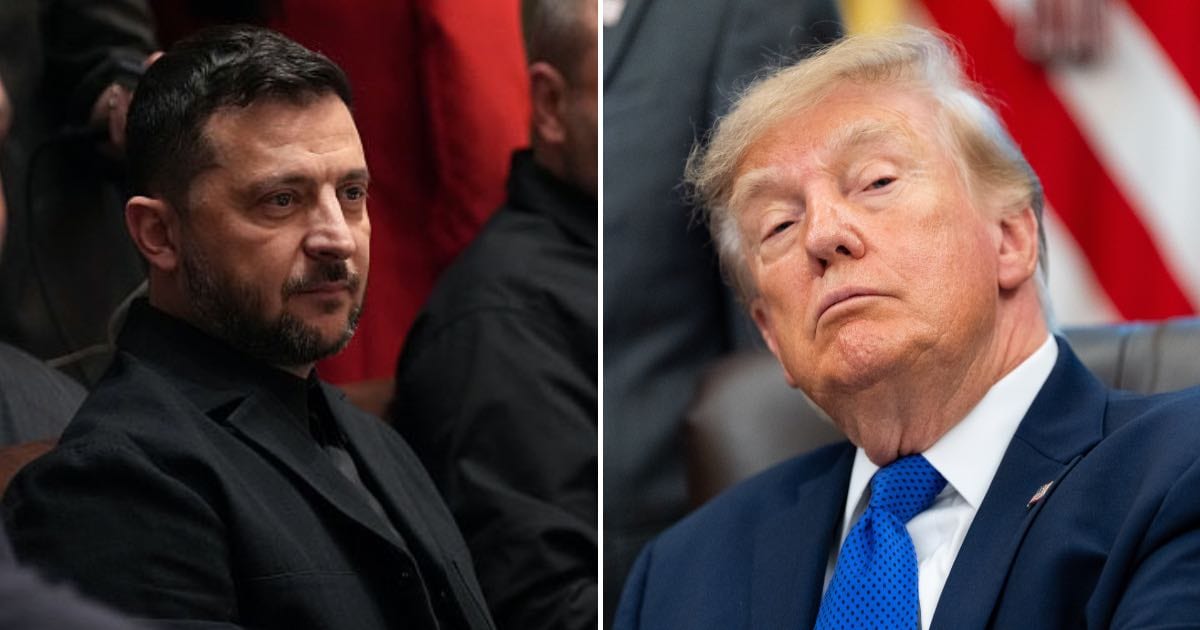
MUNICH, GERMANY: Volodymyr Zelenskyy highlighted the United States’ role in ending the war with Russia during remarks at the Munich Security Conference on Friday, February 13, telling POLITICO that “American pressure” is the key factor needed to push Putin toward meaningful concessions.
Zelenskyy’s comments come as the Trump administration ramps up efforts to broker a negotiated settlement. While acknowledging continued European financial support, he said only Washington holds the leverage necessary to shift Moscow’s calculations.
"Today, only the United States can stop Putin," Ukrainian President Volodymyr Zelenskyy told us in an exclusive interview.
— POLITICOEurope (@POLITICOEurope) February 13, 2026
Watch live: https://t.co/YXuOkMxVh0#POLITICOPub#MSC2026 pic.twitter.com/leqr4ahUYQ
“Today, only United States can stop Putin,” Zelenskyy said, adding that recent signals from Washington appear focused on speed rather than what he described as a balanced outcome.
White House sets June peace deadline
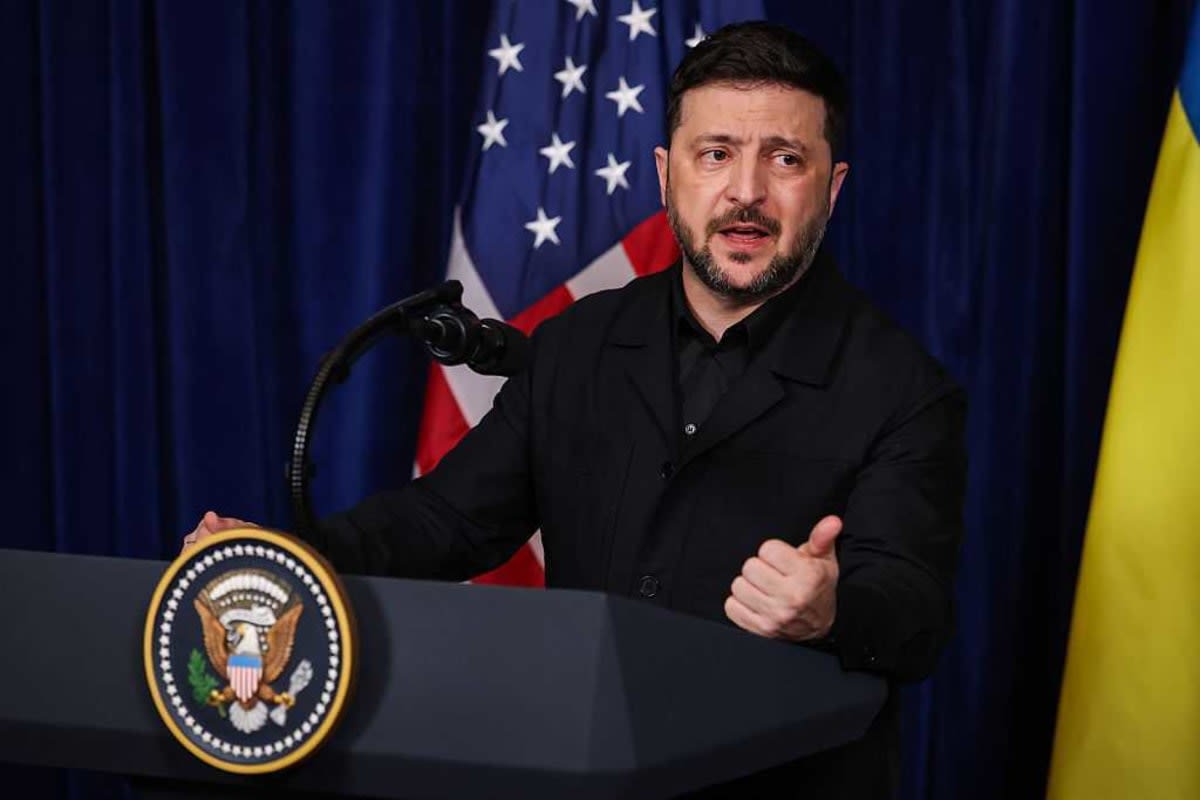
Zelenskyy’s remarks come amid reports that the White House has set a firm timeline for ending the conflict. According to him, the administration is targeting June as a deadline for Ukraine and Russia to reach a comprehensive agreement.
The proposed schedule is part of a broader effort to stabilize the region before summer. Trump has publicly urged both sides to accelerate talks and avoid missing what he called a “great opportunity” for peace.
Zelenskyy cautioned that a deadline alone would not be sufficient without sustained diplomatic and political pressure on Moscow. Without that, he said, Putin could delay or resist meaningful compromises.
Zelenskyy cautions against one-sided deals
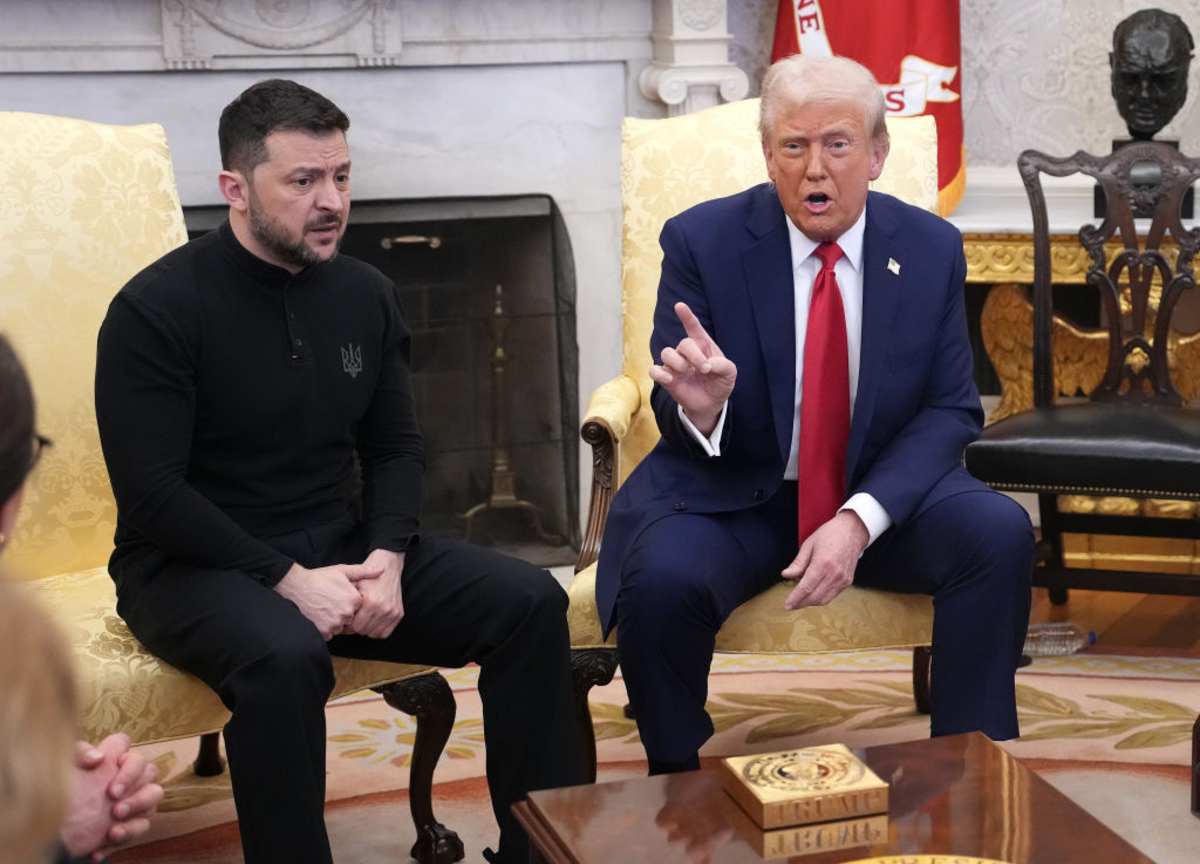
During the interview, Zelenskyy voiced concern that current diplomatic messaging may place disproportionate expectations on Kyiv.
“What I see, they give more signals that Ukraine has to make compromises and not Russia,” he said, describing that approach as flawed even if it appears easier to execute.
He argued that concessions should not fall primarily on Ukraine, noting that the international community has already tolerated significant actions by Moscow. He maintained that the war cannot be resolved simply by asking Ukraine to scale back its defense while Russia retains leverage.
Trump urges Zelenskyy to move faster
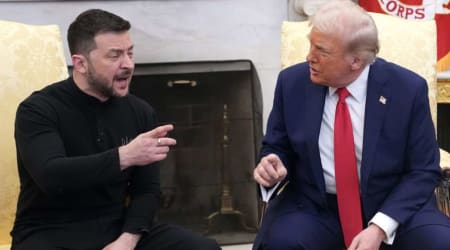
Before departing for Fort Bragg, Trump addressed the issue during a White House presser, urging Zelenskyy to accelerate negotiations. He suggested Russia is prepared to engage and cautioned that delays could weaken Ukraine’s position.
U.S. President Donald Trump:
— Open Source Intel (@Osint613) February 13, 2026
"Zelenskyy is gonna have to get moving. Russia wants to make a deal and Zelenskyy is gonna have to get moving, otherwise he’s going to miss a great opportunity. He has to move." pic.twitter.com/BRZOiQhQUR
“Zelenskyy’s going to have to get moving,” Trump said, reiterating the administration’s focus on the June timetable.
The President described the approach as results-driven and tied to clear benchmarks. He also noted the possibility of future high-level talks, potentially including a trilateral meeting, to finalize terms.
American leadership key to peace
Zelenskyy concluded that sustained US engagement remains critical to any durable settlement. Without Washington’s direct involvement, he said, enforcement of ceasefire terms or security arrangements could lack credibility.
Zelenskyy on whether the U.S. is putting more pressure on Russia or Ukraine to end the war: "I think that they try to do both sides."
— POLITICO (@politico) February 13, 2026
And his thoughts on that? The Ukrainian president tells our @DashaBurns he'd rather keep them to himself.#MSC2026 #POLITICOPub pic.twitter.com/TVmdJ7xdim
“Putin will stop this war if real pressure be on him,” he reiterated.
As negotiations intensify, Kyiv is calling for what it describes as balanced treatment between the two sides. Meanwhile, the Trump administration continues to push for a rapid diplomatic outcome, warning that the window for a negotiated settlement may shrink as the year progresses.