Trump vows to protect Middle East allies in national address: 'We will not let them get hurt'
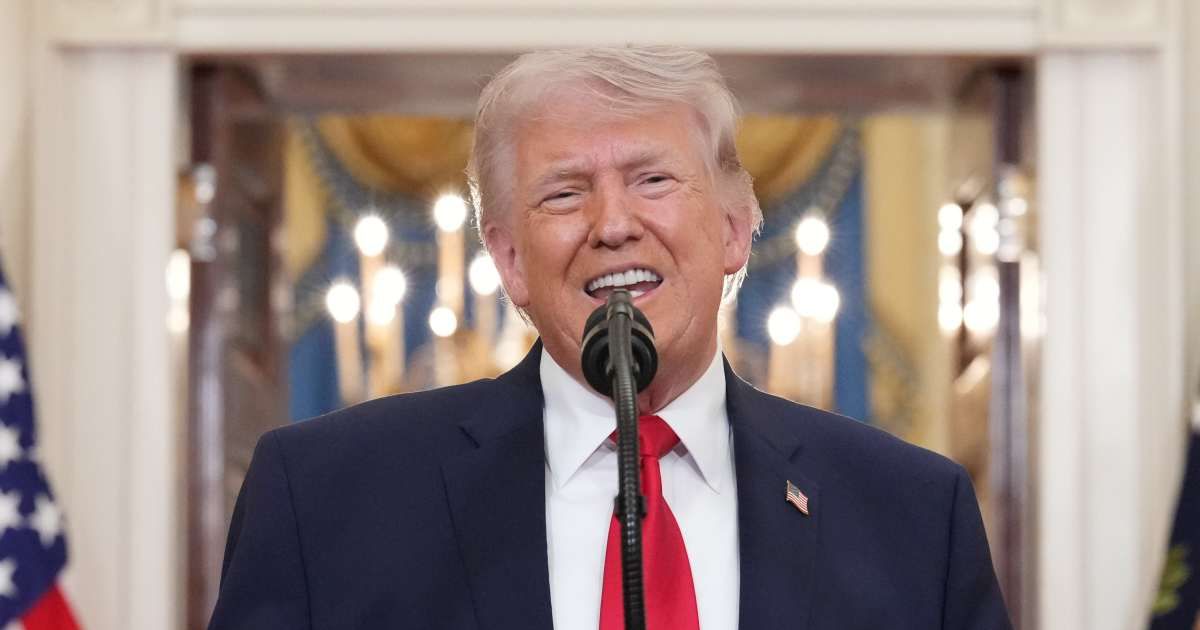
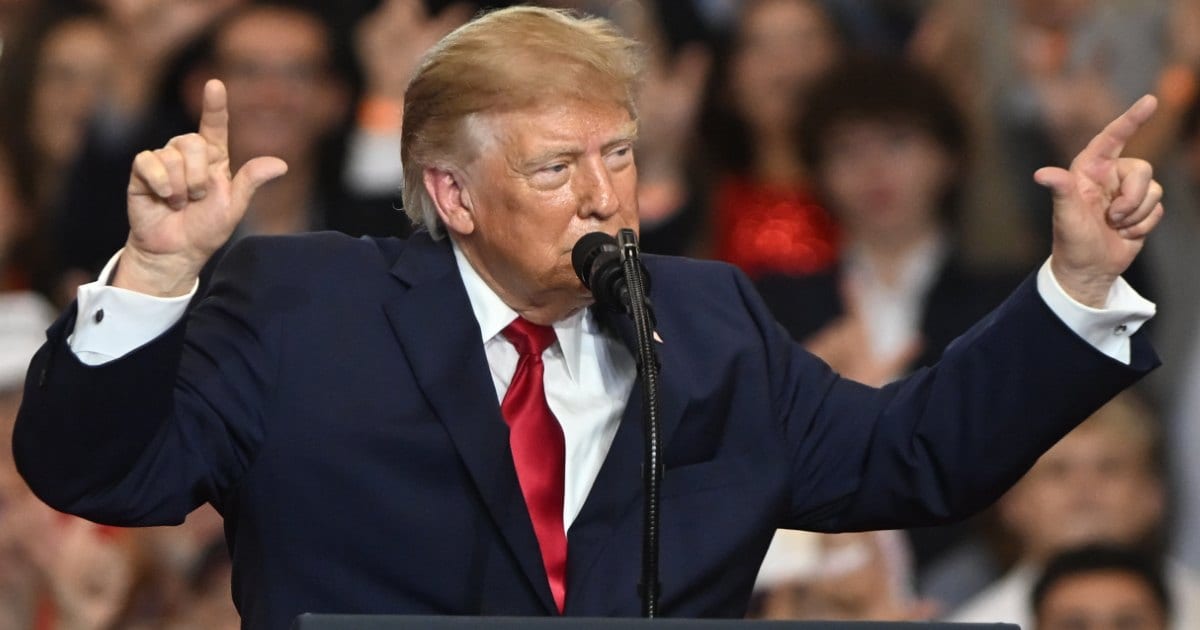
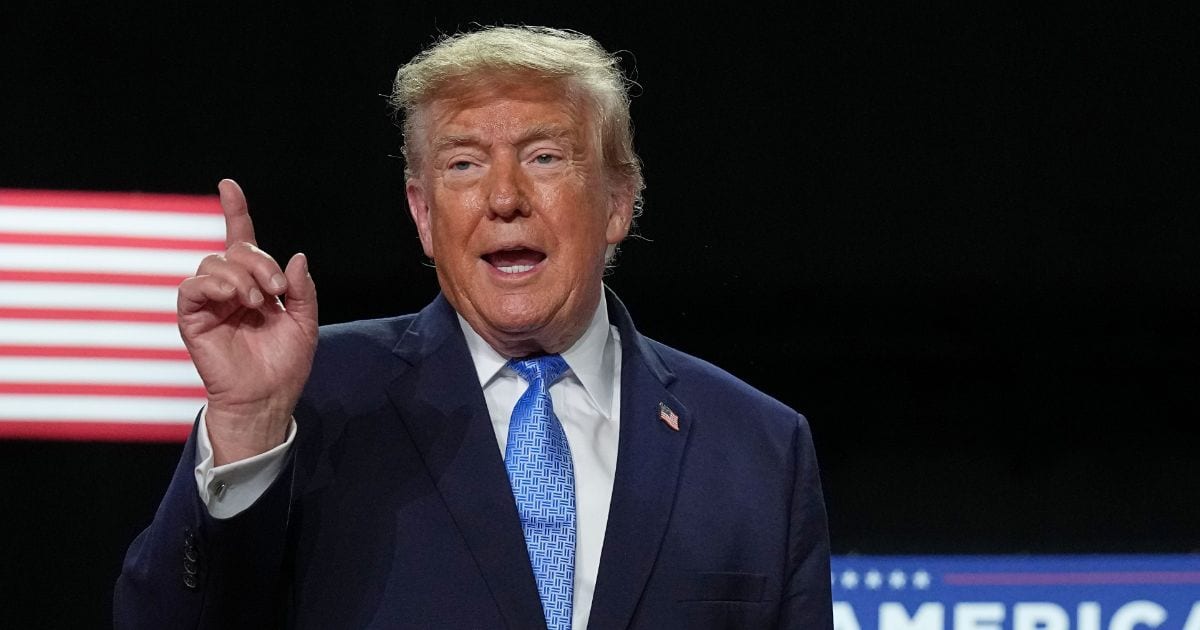
WASHINGTON, DC: President Donald Trump reiterated his commitment to protecting United States allies in the Middle East during his address to the nation on Wednesday, April 1. His remarks came as the conflict in the region continued to expand.
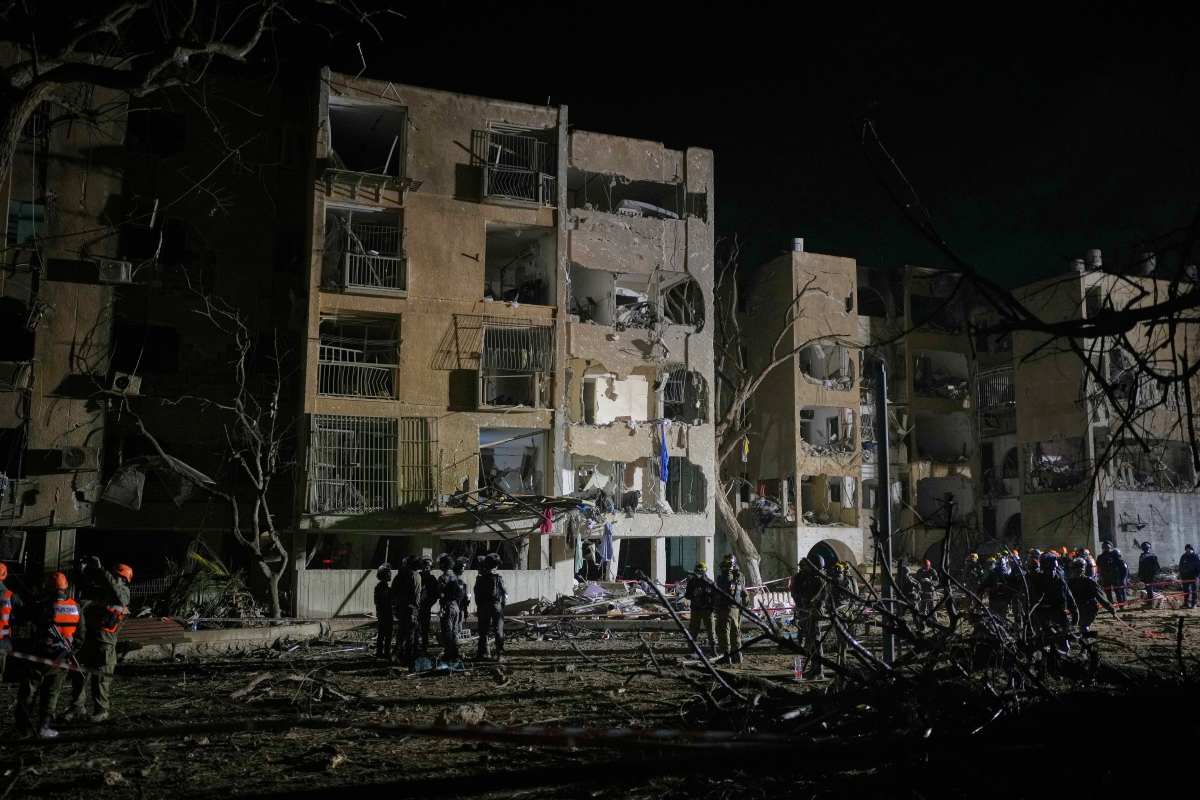
The US and Israel launched joint strikes on February 28 targeting Iran’s political and military establishment after negotiations over its nuclear program failed. Iran has repeatedly targeted US military assets, along with civilian and strategic infrastructure in neighboring countries since the conflict began.
Trump vows to protect Middle East allies and warns about Iran’s nuclear threat
Trump stated that the US is “getting very close” to fulfilling its objectives and thanked regional allies, including Israel, Saudi Arabia, Qatar, the United Arab Emirates, Kuwait, and Bahrain. He assured that “we will not let them get hurt or fail in any way, shape, or form.”
He then addressed concerns over rising gasoline prices in the US, attributing the increase to what he described as “deranged terror attacks” by Iran targeting commercial oil tankers and neighboring countries.
Trump argued that such actions demonstrate why Iran “can never be trusted with nuclear weapons,” warning that their use would lead to “decades of extortion, economic pain, and instability worse than we can ever imagine.”
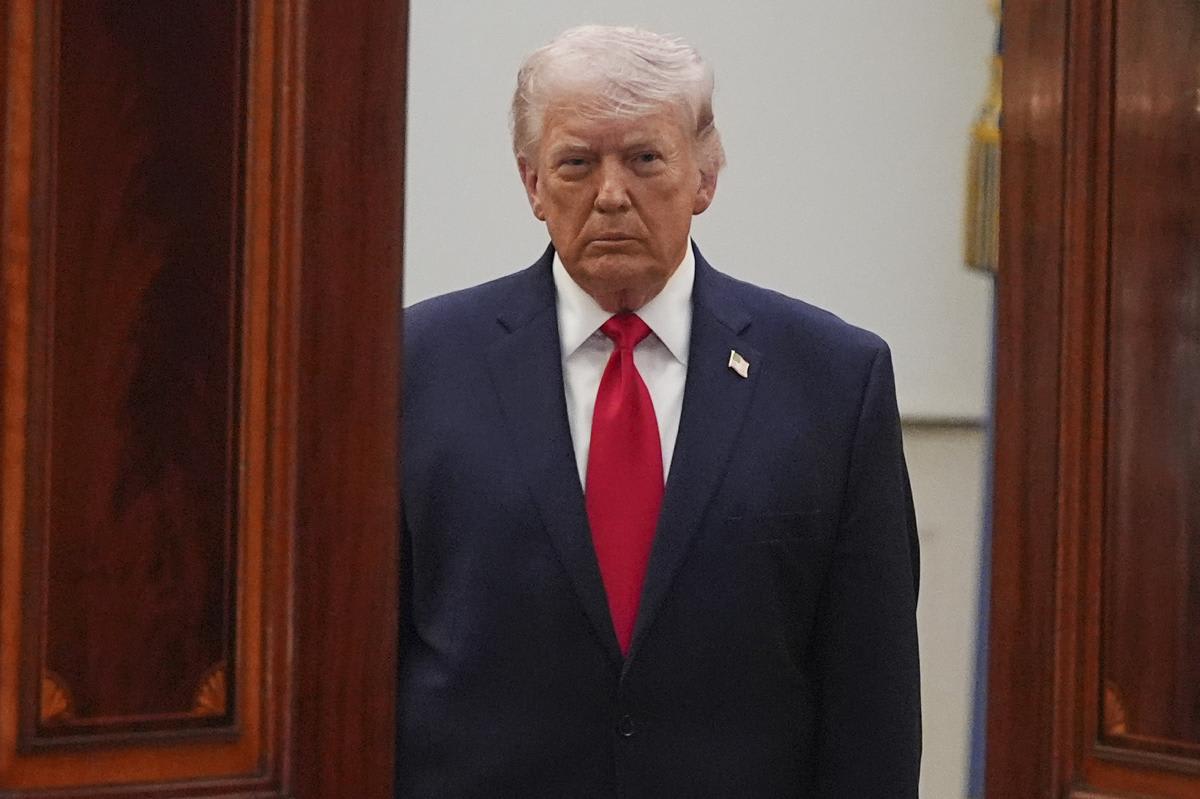
Trump further stated that the US is economically prepared to confront the threat, describing the current economy as “the strongest in history.” He claimed that within one year the country had transformed from a “dead and crippled” state into “the hottest country anywhere in the world,” citing no inflation, record-setting investments exceeding $18 trillion, and the highest stock market levels with 53 all-time highs.
He concluded by expressing confidence that ongoing actions would eliminate what he termed Iran’s “sinister threat,” stating that Americans could look forward to being “finally free from the wickedness of Iranian aggression and the spectre of nuclear blackmail,” and that the US would emerge “safer, stronger, more prosperous, and greater than it has ever been before.”
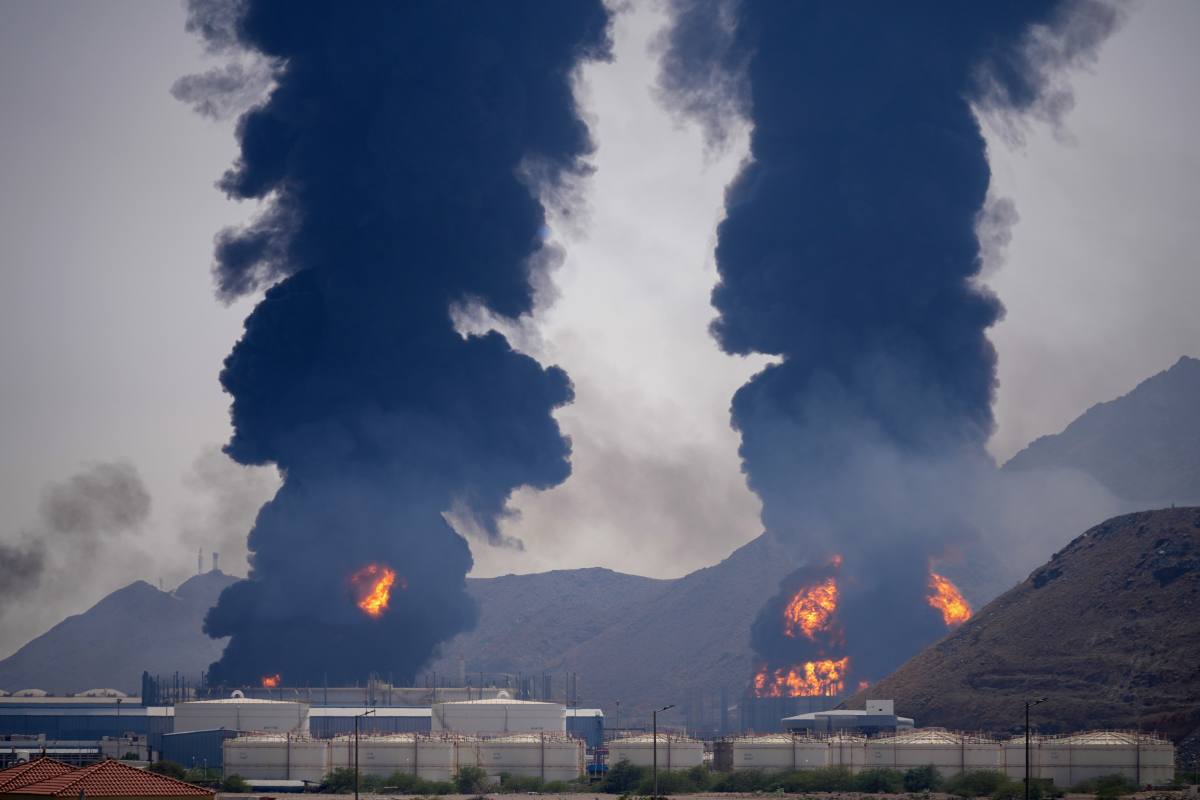
Iran attacks across Gulf region amid US–Israel conflict
As the conflict entered its fifth week, Iranian drones struck fuel tanks at Kuwait International Airport, causing a large fire. Abdullah al-Rajhi, spokesperson for the General Directorate of Civil Aviation, described the incident as a “brazen attack” by Iranian drones and affiliated armed groups.
Emergency teams responded and confirmed that the damage was material, with no reported injuries.
In Bahrain, the Ministry of Interior reported that civil defense teams were extinguishing a fire at a company facility caused by Iranian aggression, though the company was not identified.
Meanwhile, a tanker near Doha was struck by a projectile approximately 17 nautical miles north of Ras Laffan on April 1, its main gas production hub, which had previously been hit by Iranian missiles. Qatar’s Ministry of Defense confirmed that three cruise missiles were launched from Iran, with one striking the tanker, though the crew remained safe.
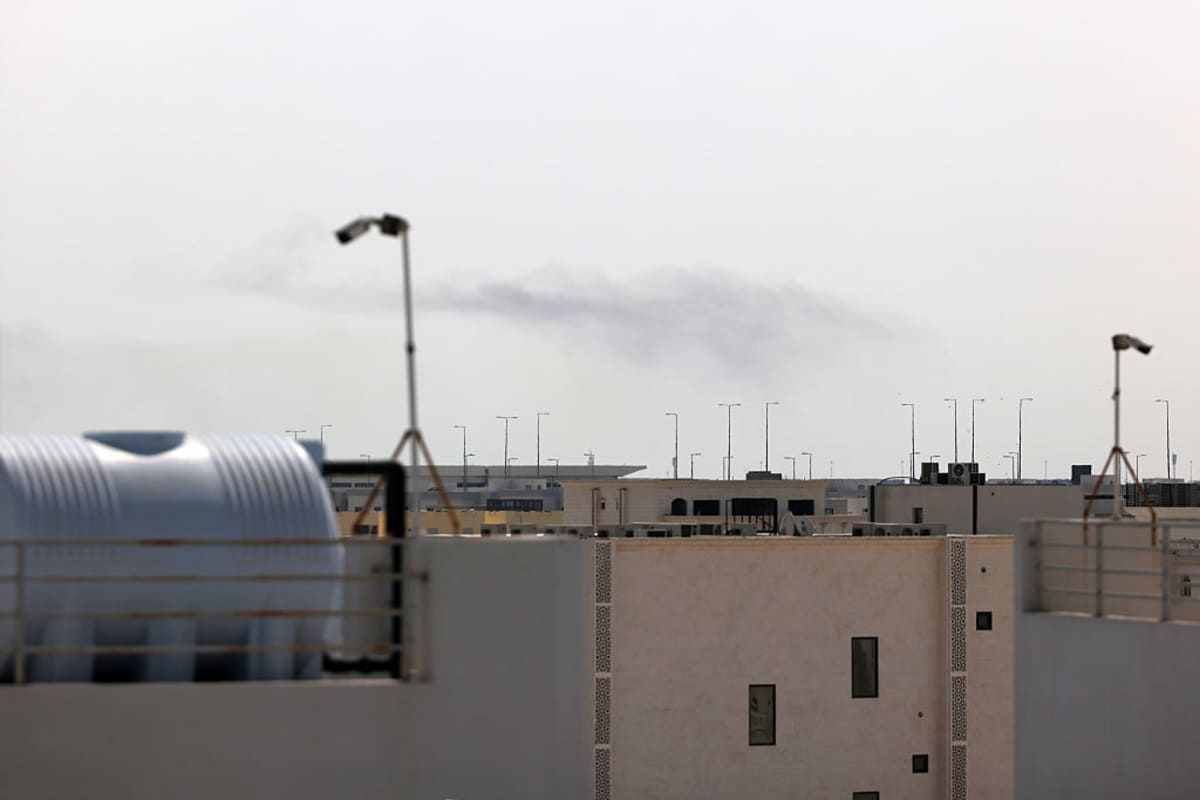
In the United Arab Emirates, shrapnel from a drone interception fell on a farm in Fujairah’s Al-Rifaa area, killing a Bangladeshi national. Authorities stated that they were managing the situation.
Saudi Arabia’s Ministry of Defense reported intercepting and destroying several drones without any injuries.
The US had earlier warned it would intensify operations if Iran refused a 15-point ceasefire framework that included halting uranium enrichment, abandoning nuclear weapons ambitions, and reopening the Strait of Hormuz.
Iran has rejected the proposal as “maximalist” and “unreasonable,” asserting that it does not seek war but wants a permanent end to the conflict while also demanding compensation for damage caused by strikes.