Bessent says US will ‘retake control’ of Hormuz amid tensions, oil supply remains stable
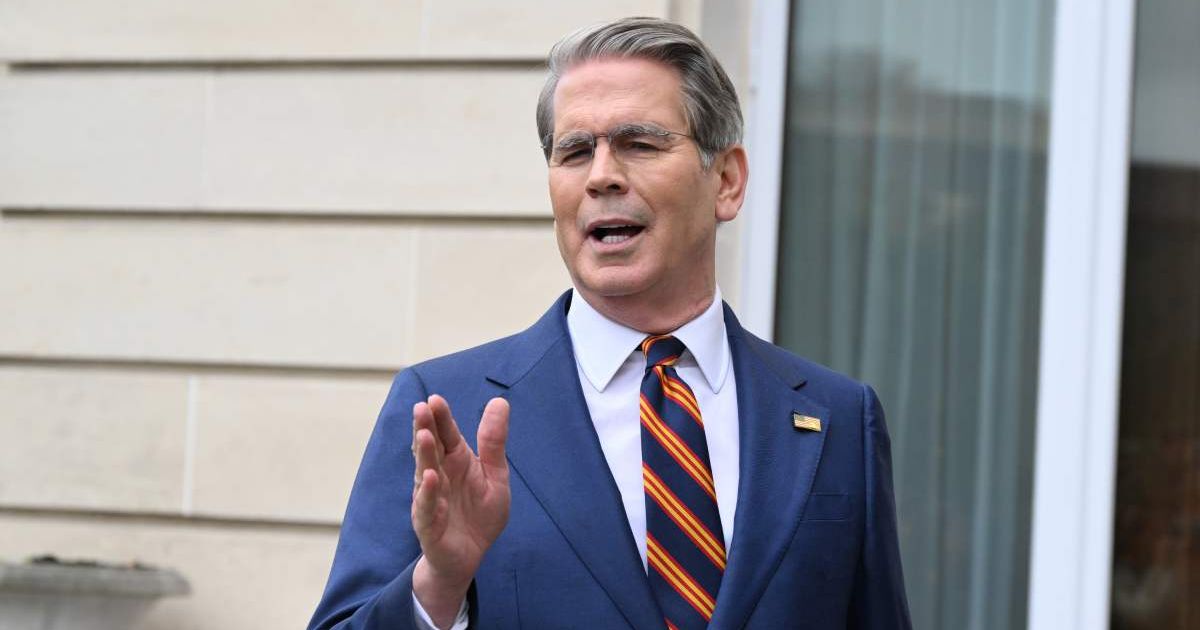
WASHINGTON, DC: US Treasury Secretary Scott Bessent said on Monday, March 30, that the United States expects to “retake control” of the Strait of Hormuz over time, as tensions with Iran continue to rise.
Speaking in an interview with FOX News, Bessent stressed that global oil supplies remain stable despite ongoing geopolitical uncertainty.
His remarks come alongside renewed warnings from President Donald Trump regarding potential military action if shipping routes are disrupted.
The Strait of Hormuz remains a critical chokepoint for global energy flows, making the situation closely watched by markets and governments.
US signals long-term Hormuz control
Bessent indicated that Washington is preparing to ensure freedom of navigation through the strategic waterway, potentially through direct or coordinated international efforts.
“Over time, the US is going to retake control of the Straits and there will be freedom of navigation, whether it is through US escorts or a multinational escort,” he said.
He emphasized that, despite concerns over supply disruptions, the global oil market remains “well supplied.”
According to Bessent, current shortages are being offset through a combination of increased output and coordinated measures, including releases from strategic reserves.
He noted that global supply is “in deficit about 10 to 12 million barrels a day, and we’re making up for that deficit,” adding that international efforts have helped stabilize availability.

Bessent also pointed to policy adjustments, including the movement of previously sanctioned oil already in transit, arguing that such steps have not resulted in additional financial gains for rival states.
He maintained that the US has the financial capacity to sustain its approach, including potential military involvement, and said the administration is seeking further congressional backing to continue its strategy.
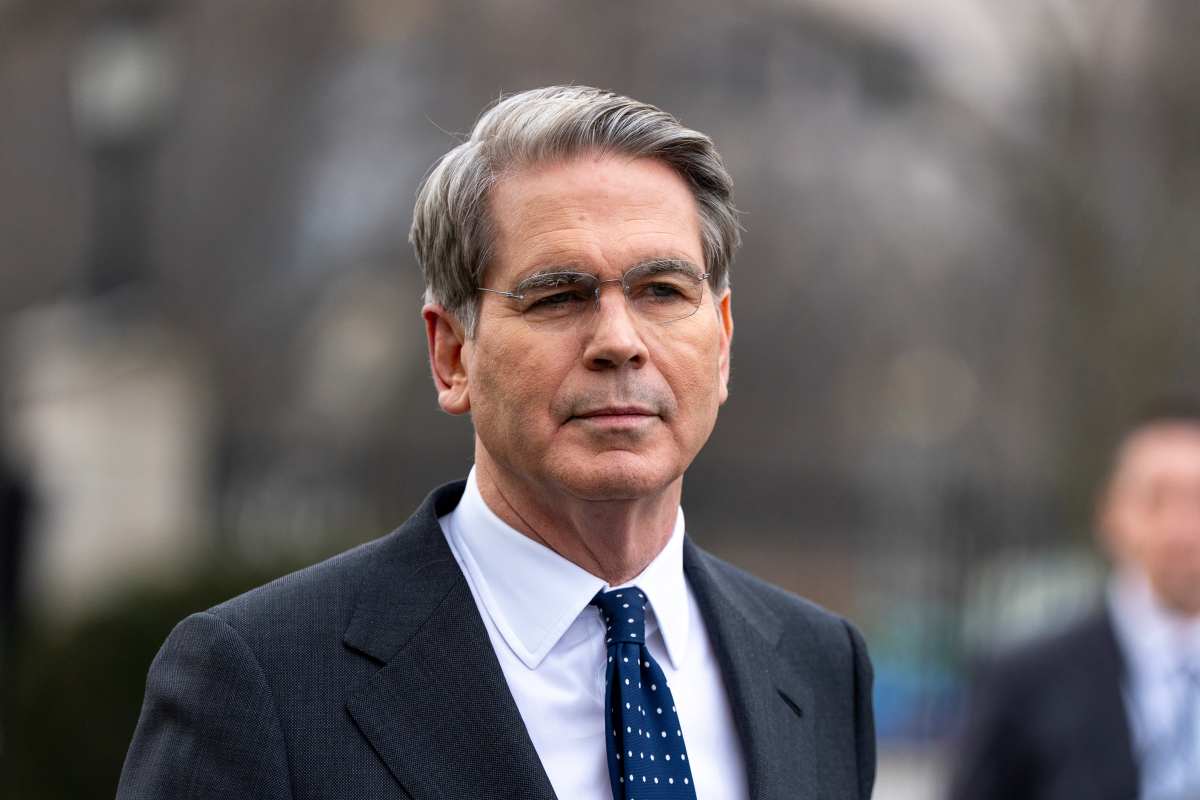
Addressing broader regional risks, Bessent said activity linked to Iran-backed groups has so far remained limited in terms of impact on shipping lanes.
While noting recent missile launches, he said such actions appeared targeted and did not yet indicate wider disruption to maritime routes, adding that “they’ve been pretty quiet so far.”
Trump warns Iran: 'Open Hormuz or face strikes'
Donald Trump issued a parallel warning, signaling potential military action if the Strait of Hormuz is not reopened to full commercial activity.
In a post on Truth Social, he said that if a deal is not reached and the Strait is not “immediately ‘open for business,’” the United States could respond by “completely obliterating” key Iranian infrastructure.
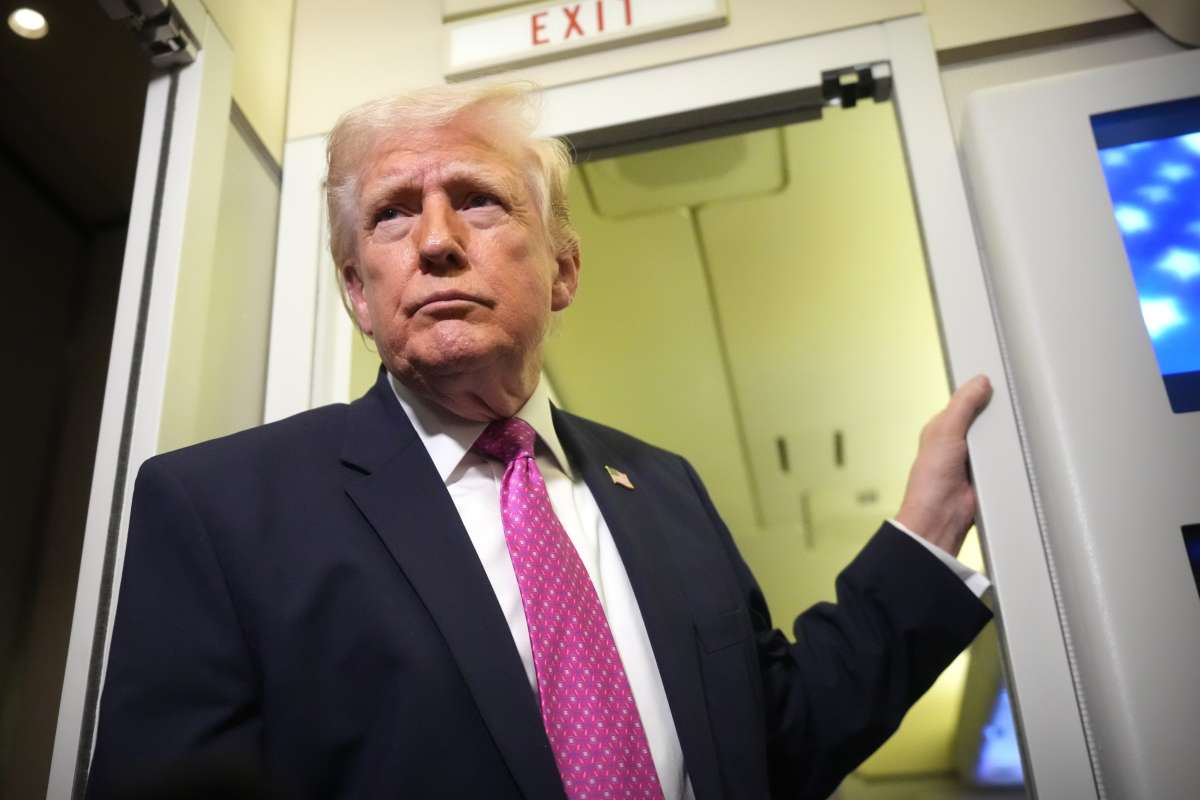
Trump specified that potential targets could include “Electric Generating Plants, Oil Wells and Kharg Island,” adding that desalination facilities had “purposefully not yet ‘touched.’”
He framed the potential response as “retribution” for US personnel he claimed were killed during what he described as Iran’s long-standing actions against the United States.
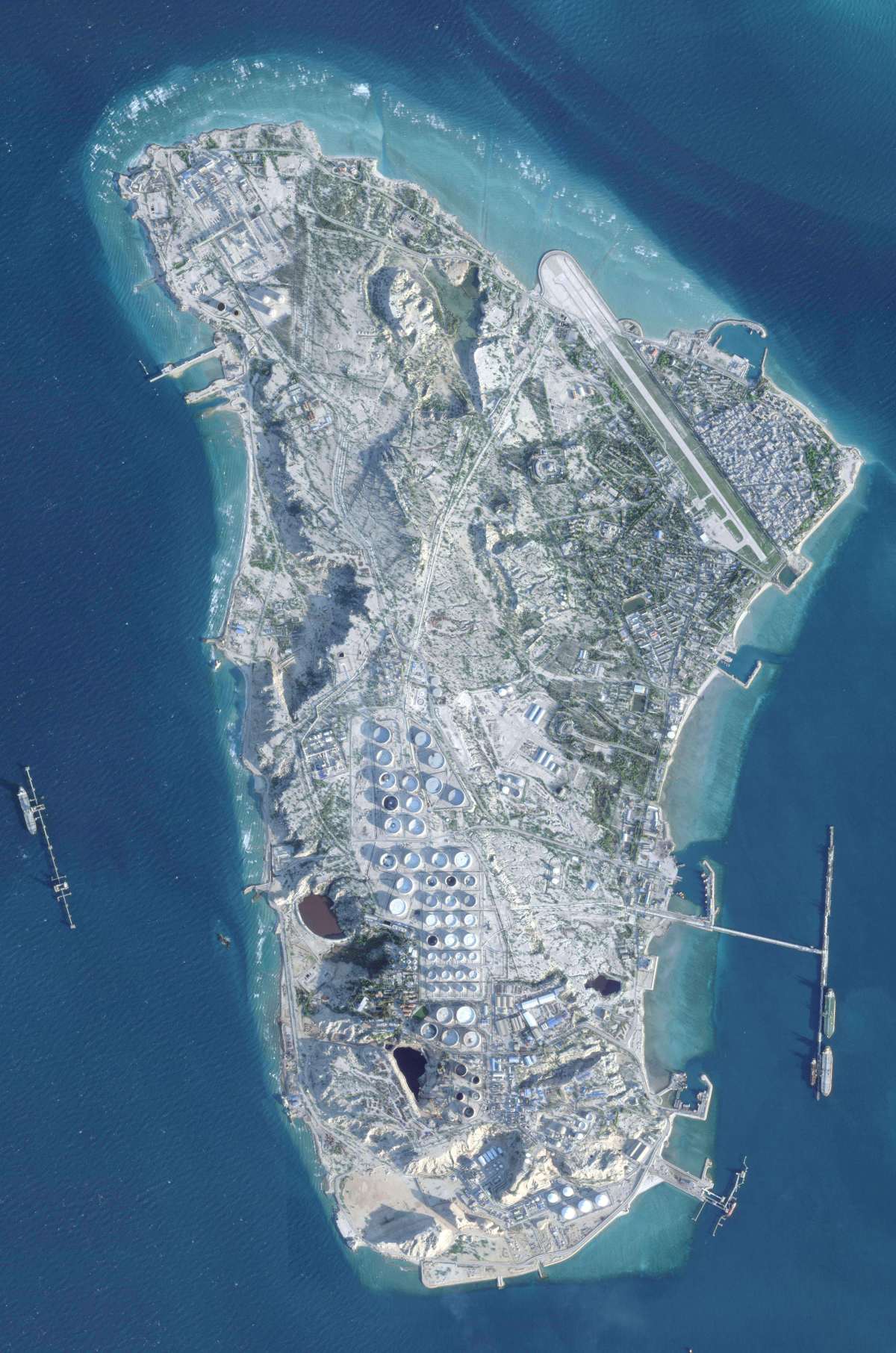
The president had earlier indicated that strikes on Iran’s energy infrastructure would be paused for a limited period, suggesting a window for negotiations.
His latest comments, however, underscore continued pressure on Tehran to reach an agreement and ensure unimpeded maritime transit.