Rubio reveals new details on why Trump lost patience with Netanyahu
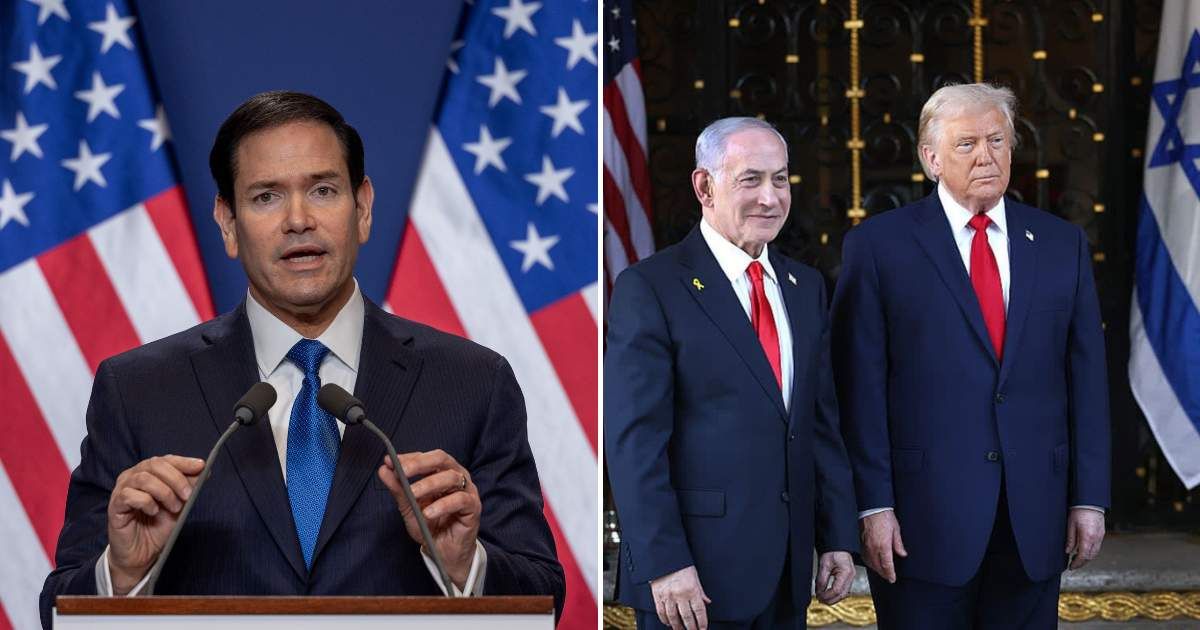
WASHINGTON, DC: US Secretary of State Marco Rubio has provided new details about the circumstances that led to a tense conversation between President Donald Trump and Israeli Prime Minister Benjamin Netanyahu, arguing that the administration was attempting to prevent a broader escalation in Lebanon when the disagreement occurred.
Testifying before the House Foreign Affairs Committee, Rubio said Washington had received indications earlier in the week that Israel was considering launching strikes against Hezbollah targets in Beirut.
According to Rubio, US officials simultaneously received messages from Lebanese authorities indicating that Hezbollah had conveyed a willingness to halt rocket attacks on Israel if Israeli forces refrained from striking the Lebanese capital.
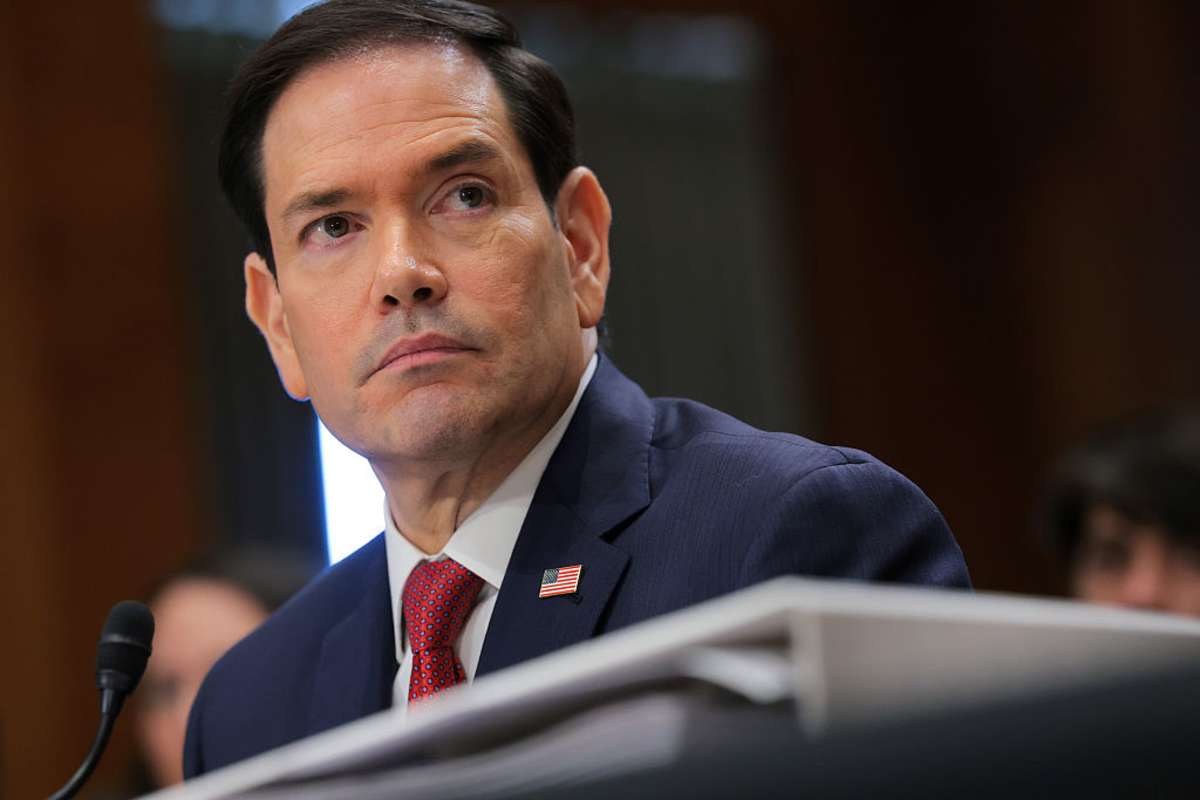
Rubio says Trump sought to prevent escalation
Rubio said the information prompted diplomatic outreach from Trump, who sought to test whether a temporary de-escalation could be achieved.
“At that moment, we had outreach from the Lebanese authorities saying that Hezbollah had contacted them and said if Israel doesn’t strike Beirut, they would stop launching missiles into Israeli territory,” Rubio told lawmakers.
He said Trump pursued that opening and communicated the proposal in an effort to reduce hostilities along the Israel-Lebanon border.
The administration believed there was an opportunity to avoid a potentially wider confrontation if both sides exercised restraint.

Hezbollah accused of breaking understandings
However, Rubio said events quickly unfolded in a different direction.
“Within an hour or two of that conversation, they launched two waves of rockets from Hezbollah against Israel and Israeli territory,” he said.
The secretary of state argued that the incident reinforced long-standing concerns about Hezbollah’s reliability and intentions.
Rubio also described another episode in which Hezbollah allegedly agreed to cease attacks if Israel avoided strikes on Beirut, only for rockets to be launched shortly afterward.
According to Rubio, Hezbollah later claimed the attacks resulted from a misunderstanding about when the arrangement was supposed to take effect.
The repeated violations, he suggested, have complicated efforts to stabilize the border and reduce the risk of a wider regional conflict.
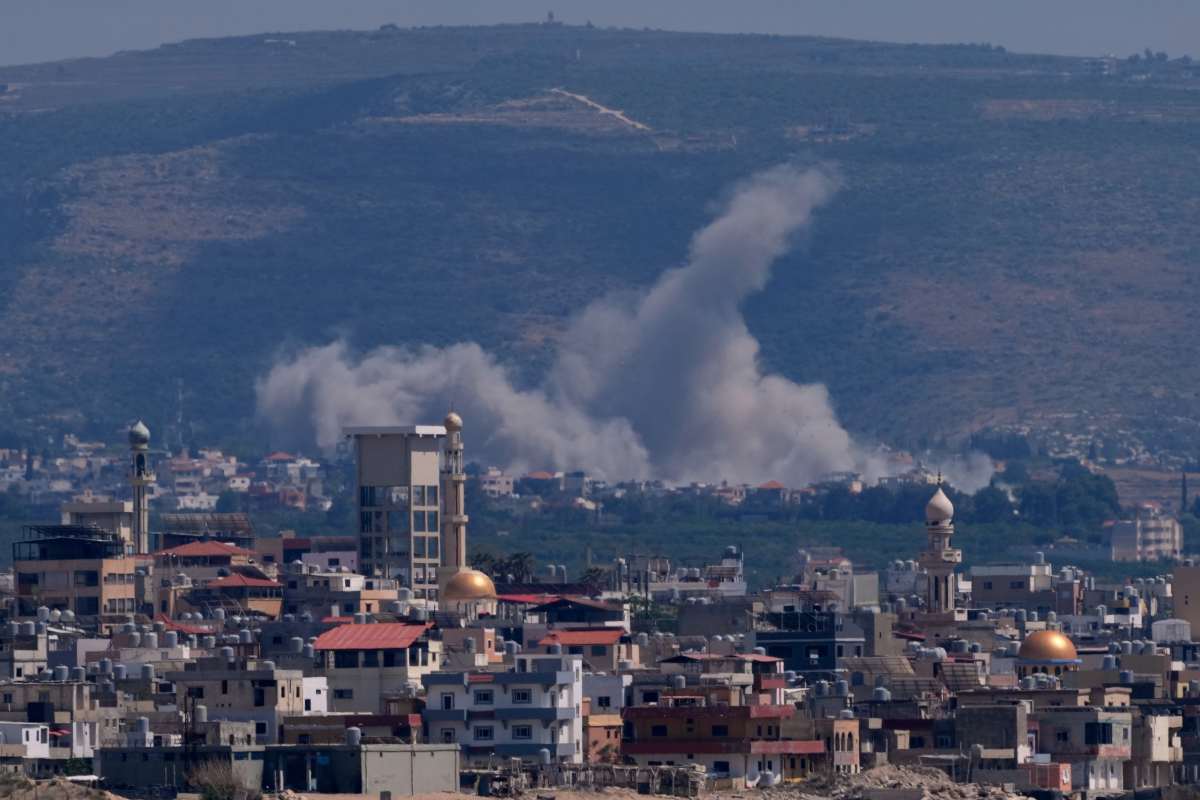
Israel’s operations aimed at limiting Hezbollah
Rubio defended Israel’s expanding military presence in southern Lebanon, saying the objective was to deny Hezbollah areas from which it could launch attacks into northern Israel.
He argued that Hezbollah remains a central security challenge for both Lebanon and Israel and continues to undermine efforts to establish lasting stability.
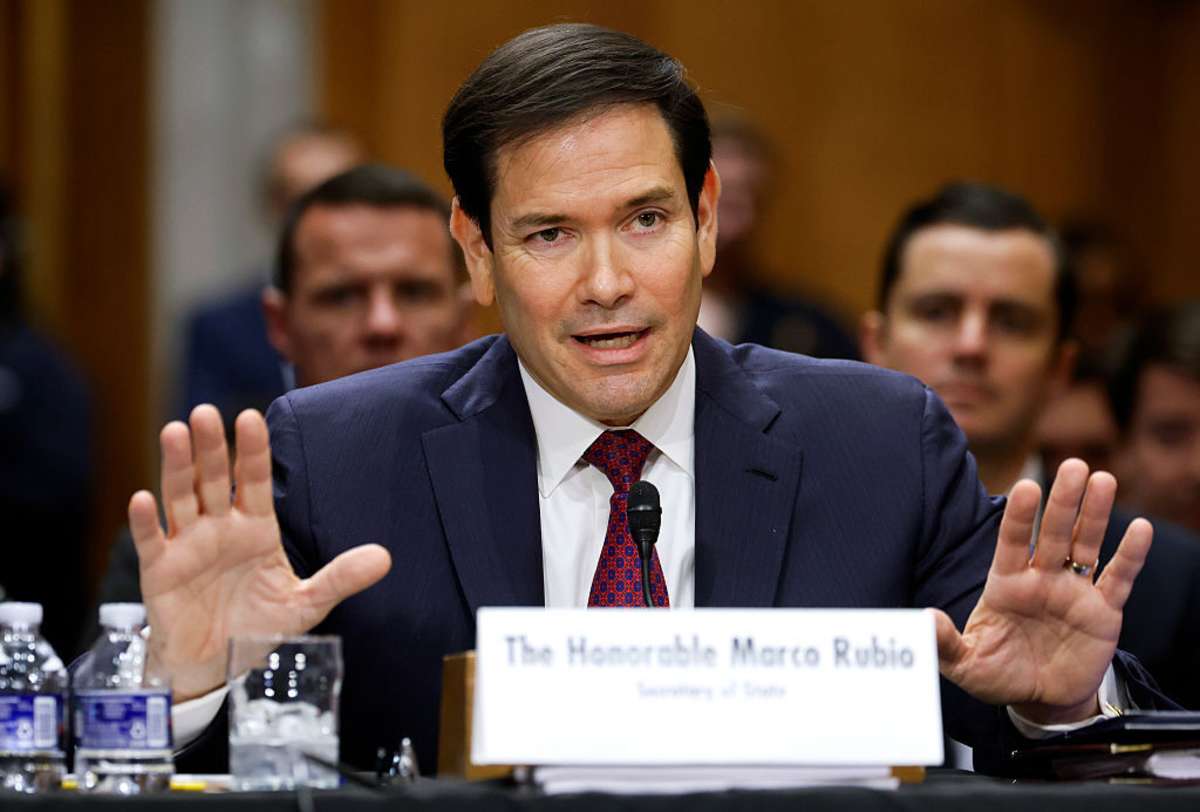
Rubio says US hope for a long-term solution
Despite the setbacks, Rubio said the United States remains hopeful that a framework can eventually be developed in which the Lebanese government and Israel cooperate to weaken and ultimately disarm Hezbollah.
“We are hopeful that we can create a paradigm in which Lebanon’s government and Israel can work together to disarm Hezbollah and allow the people of Lebanon to reclaim its country,” he said.
At the same time, Rubio acknowledged the complexity of the issue, noting that tensions involving Hezbollah have persisted for decades and remain one of the most difficult challenges in Middle East diplomacy.