Trump warns gas prices could spike through midterms amid ‘Hormuz blockade’ turmoil
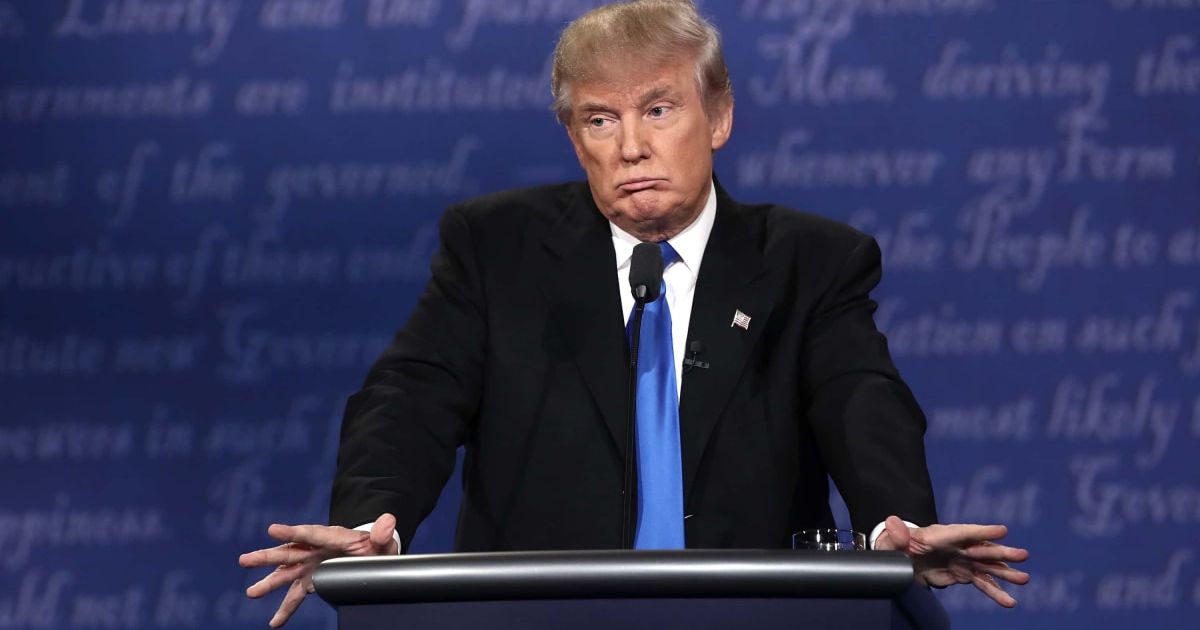
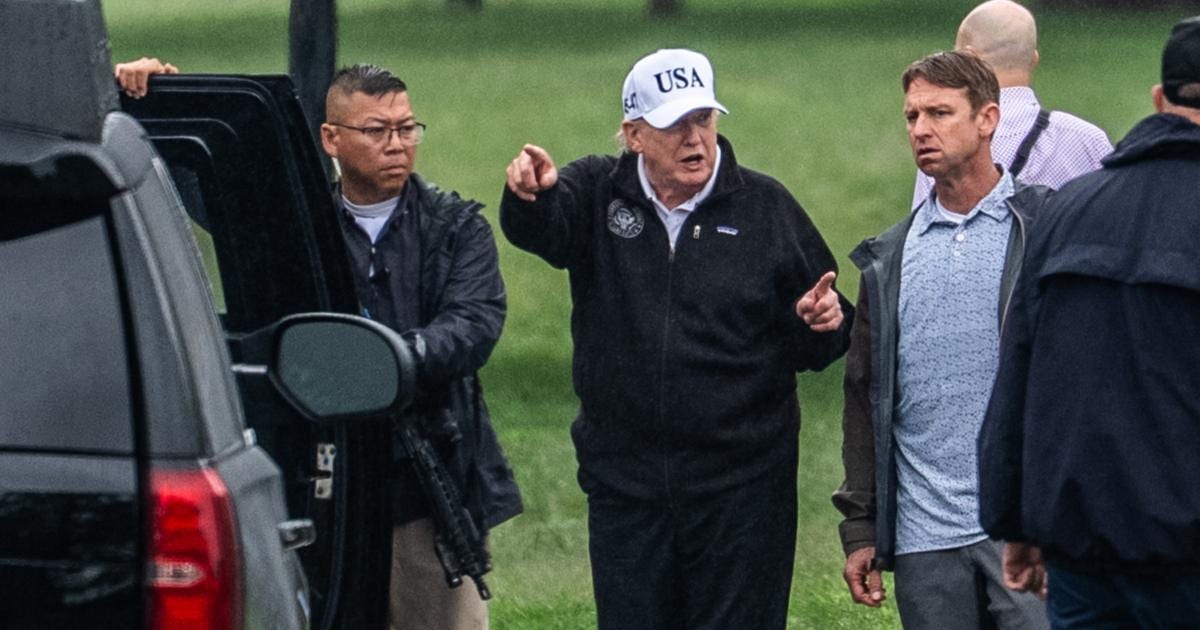
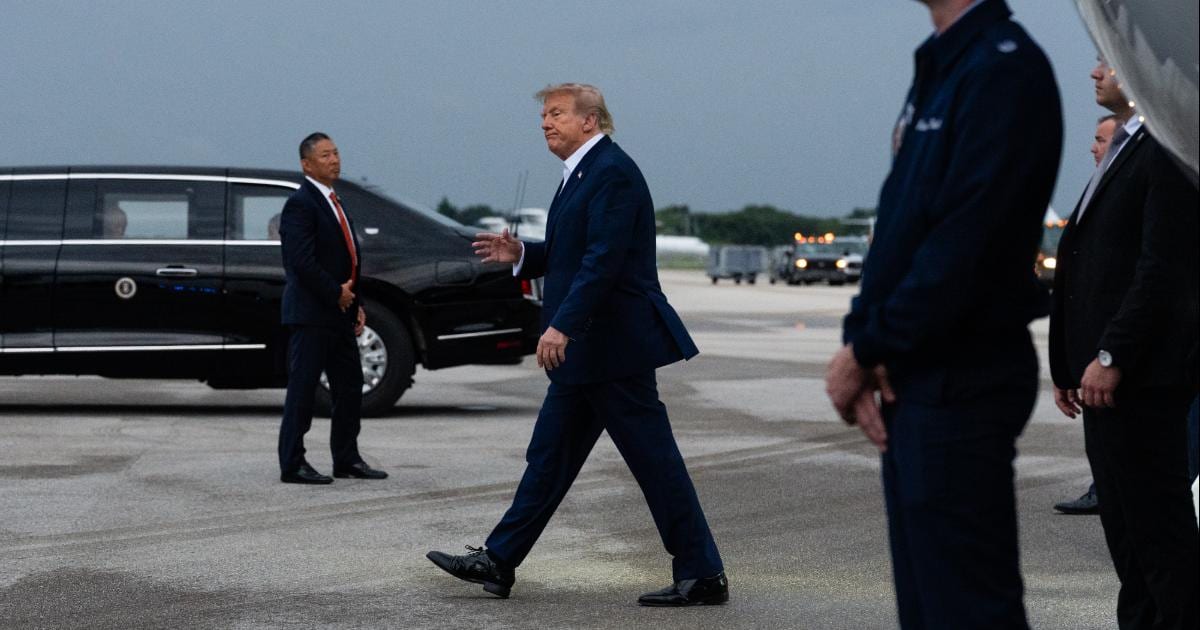
MIAMI, FL: President Donald J. Trump on Sunday, April 12, acknowledged that US consumers could continue to face elevated gasoline prices in the coming months, including through the November midterm elections, as the administration maintains its current strategy in the Middle East.
Speaking by phone on Sunday Morning Futures, Trump said prices may remain “around the same” or move “a little bit higher” as military and economic measures continue.
The comments come as fuel costs have risen since the start of the conflict on February 28.
According to recent data, the national average for regular gasoline has climbed above $4 per gallon, reflecting ongoing volatility in global oil markets.
Maria Bartiromo: Do you believe the price of oil and gas will be lower before the midterm elections?
— Clash Report (@clashreport) April 12, 2026
Trump: It could be the same or a little bit higher; it should be around the same. pic.twitter.com/itQTbkuPTn
Trump said the administration is monitoring price movements but indicated that short-term increases are possible as operations continue.
‘Hormuz card’ triggers pump price surge
Trump on gas and oil prices:
— Clash Report (@clashreport) April 12, 2026
Eventually, prices will go down. It may not happen immediately, but once this situation is resolved, prices will fall.
If you want to see the stock market collapse, let a couple of nuclear bombs be used — whether against us or anywhere else. pic.twitter.com/wCUVmm2G6d
The rise in fuel prices follows US actions in and around the Strait of Hormuz, a critical global shipping route for oil.
The administration has taken steps to restrict certain maritime activities linked to Iran, which has contributed to tighter supply conditions and price fluctuations.
Approximately 20 million barrels of oil pass through the Strait daily, making it a key pressure point in global energy markets.
Analysts have noted that disruptions or perceived risks in the region can quickly translate into higher crude prices and, in turn, increased fuel costs.
Trump: "We didn't get there on the important issue. They want to have nuclear weapons. They're not going to have nuclear weapons." pic.twitter.com/2TMRsjoX9C
— Open Source Intel (@Osint613) April 12, 2026
“I gotta stop this country from having a nuclear weapon,” Trump said during the interview, linking the administration’s actions to broader security objectives.
He added that while prices have increased, the impact has been “less than I thought.”
Recent reports indicate incremental weekly increases at the pump, with market conditions remaining sensitive to developments in the region.
Energy secretary’s ‘three dollar’ dream fades
The President’s remarks reflect a shift from earlier projections by administration officials.
In previous weeks, Energy Secretary Chris Wright had suggested that fuel prices could decline significantly if a diplomatic resolution was reached.
Following continued tensions and the absence of a finalized agreement, officials have adjusted expectations. Wright has since stated that prices may remain elevated until there is greater stability in the region and clarity around Iran’s political and economic situation.
🇺🇸 — GAS PRICES: U.S. Energy Secretary Chris Wright said Sunday that gasoline prices will fall below $3 a gallon again “before too long,” predicting the recent spike caused by the war with Iran will last weeks, not months.
— Belaaz News (@TheBelaaz) March 8, 2026
• Wright said the U.S. is not targeting Iran’s oil or… pic.twitter.com/irOAv8xduX
Energy analysts have described the current environment as a period of adjustment, with supply routes, production levels, and demand patterns all responding to geopolitical developments.
The impact has been uneven globally, with some regions facing sharper increases depending on import reliance and exposure to Middle Eastern supply chains.
Midterm ‘game of chicken’ begins
Trump’s acknowledgment of sustained or higher prices comes as political attention turns toward the upcoming midterm elections.
The administration has emphasized that current policies are aimed at long-term outcomes, including stabilizing the region and addressing security concerns.
The President said he expects conditions to improve over time, stating that the situation “won’t be that much longer” before a resolution is reached.
He indicated that energy markets could respond quickly once uncertainties are reduced.
Republican candidates have begun framing the issue within a broader national security context, highlighting the link between foreign policy decisions and domestic economic effects.