Trump changed course on Iran ceasefire provision after speaking with Benjamin Netanyahu: Report
Sources said that evolving US messaging, combined with internal challenges in Iran, has made the diplomatic situation increasingly complex
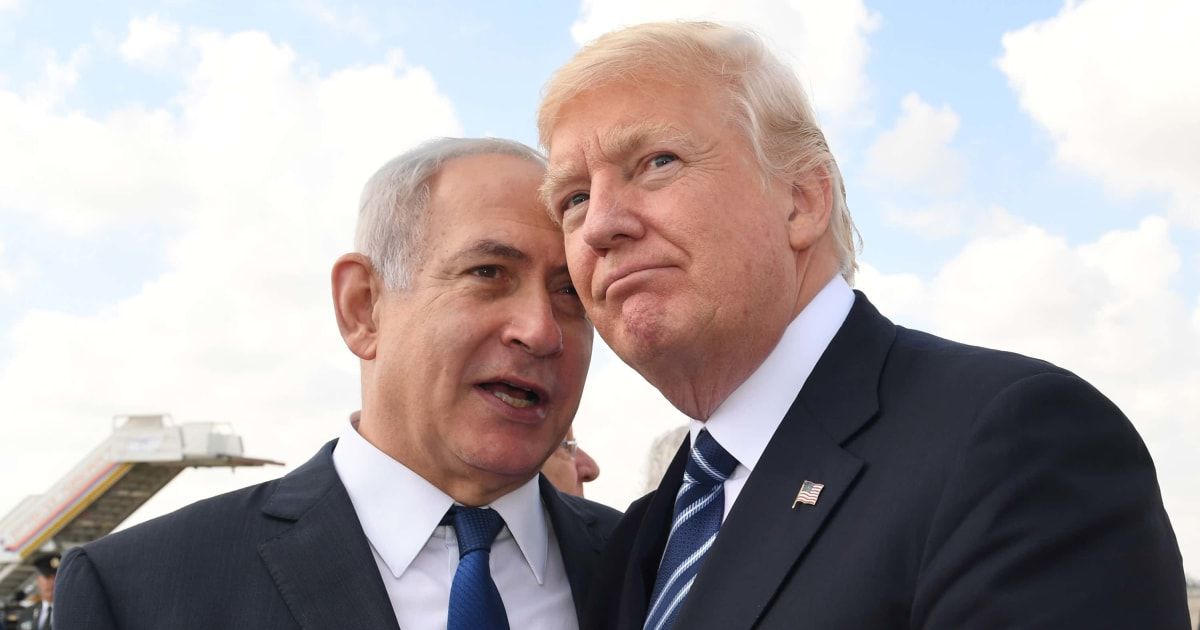
President Donald Trump reversed his stance on a key provision in the US-Iran ceasefire agreement after speaking with Israeli Prime Minister Benjamin Netanyahu (Getty Images)

WASHINGTON, DC: According to reports, US President Donald Trump reversed his stance on a critical clause of the US-Iran ceasefire agreement after having a phone conversation with Israel's Prime Minister Benjamin Netanyahu.

This is happening against the backdrop of increasing uncertainty surrounding the ceasefire deal, which was signed just last week, about whether it extended to conflicts between Israel and Lebanon.

Trump reportedly shifted stance after Netanyahu's call

According to reports by CBS News, Trump had initially been informed that the ceasefire would include a halt to hostilities in Lebanon as part of the broader agreement.
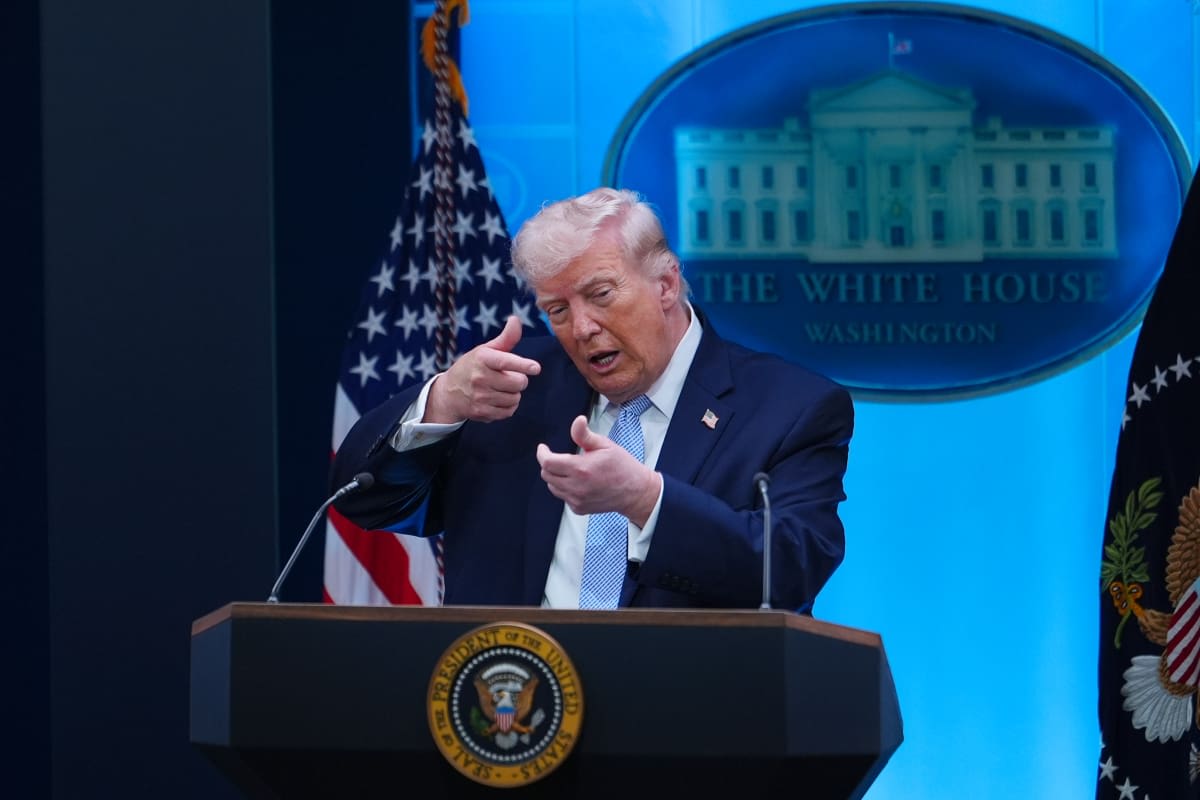
President Donald Trump pretends to aim a sniper gun while speaking with reporters in the James Brady Press Briefing Room at the White House, Monday, April 6, 2026, in Washington. (AP Photo/Julia Demaree Nikhinson)
President Donald Trump pretends to aim a sniper gun while speaking with reporters in the James Brady Press Briefing Room at the White House, Monday, April 6, 2026, in Washington (AP Photo/Julia Demaree Nikhinson)

In addition, on Tuesday, Trump announced that he had reached a ceasefire agreement with Iran for two weeks.

As part of this agreement, he stated that Iran would reopen the Strait of Hormuz. But the strait is almost blocked, as Iran stated that the ceasefire includes halting Israel’s attack on Lebanon.

The Lebanese crisis continues because the prime minister of Pakistan, who mediated the talks, stated that a ceasefire in Lebanon is one of the terms in the deal.

Furthermore, Trump had previously stated that Lebanon was part of the ceasefire deal, as CBS News reported: “Multiple diplomatic sources told CBS that President Trump had been told the ceasefire would apply to the Middle East region, and he agreed that included Lebanon.”

U.S. President Donald Trump delivers remarks during a Cabinet Meeting at the White House on February 26, 2025 in Washington, DC. Trump is holding the first Cabinet meeting of his second term, joined by Tesla and SpaceX CEO Elon Musk, head of the Department of Government Efficiency (DOGE). Trump was joined by Secretary of State Marco Rubio (L) and Secretary of Defense Pete Hegseth. (Photo by Andrew Harnik/Getty Images)
US President Donald Trump delivers remarks during a Cabinet Meeting at the White House on February 26, 2025 in Washington, DC (Photo by Andrew Harnik/Getty Images)

“Mediators believed the ceasefire to include Lebanon, and Prime Minister Shehbaz Sharif of Pakistan announced it did. Iran’s foreign minister also said it was included.”

Following the reported call, Trump aligned with Israel’s position that Lebanon was not included in the ceasefire, marking a shift from earlier understandings of the agreement.

“However, the US position shifted following a phone call between Netanyahu and Mr Trump,” the report stated.
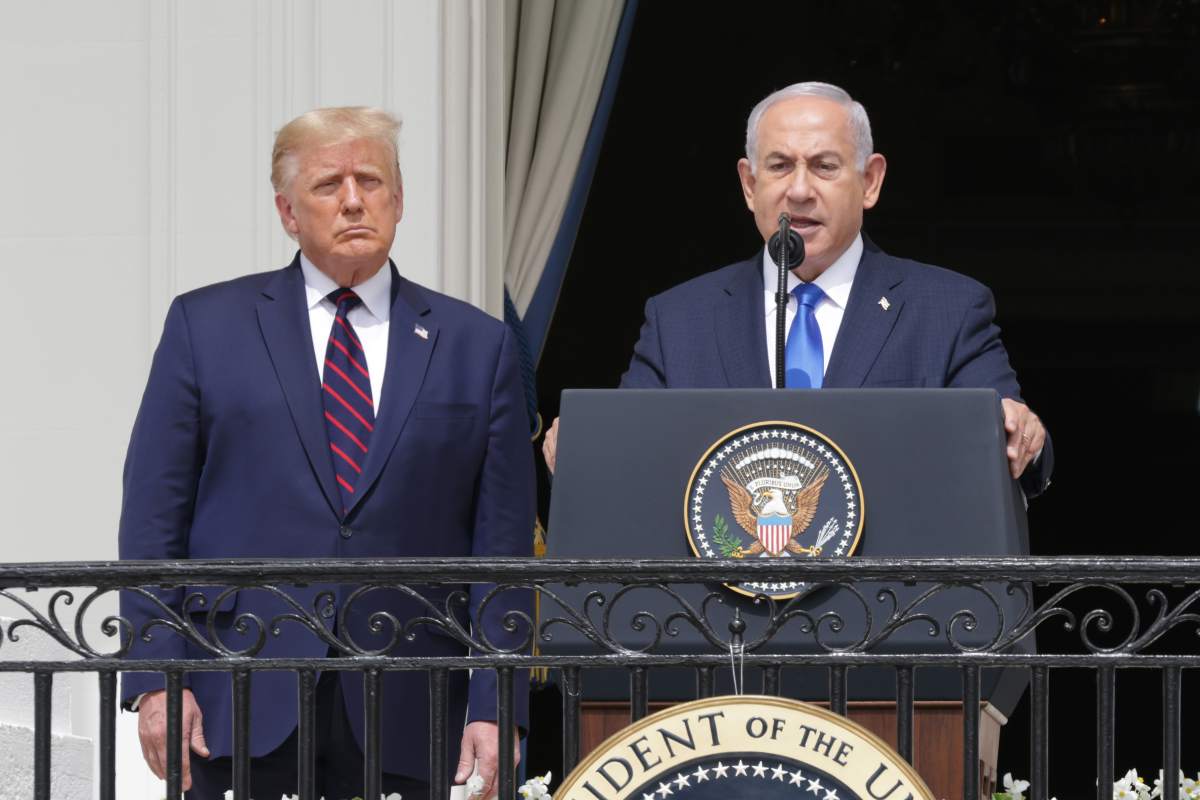
WASHINGTON, DC - SEPTEMBER 15: Prime Minister of Israel Benjamin Netanyahu speaks as U.S. President Donald Trump looks on during the signing ceremony of the Abraham Accords on the South Lawn of the White House September 15, 2020 in Washington, DC. Witnessed by President Trump, Prime Minister Netanyahu signed a peace deal with the UAE and a declaration of intent to make peace with Bahrain. (Photo by Alex Wong/Getty Images)
Prime Minister of Israel Benjamin Netanyahu speaks as US President Donald Trump looks on during the signing ceremony of the Abraham Accords on the South Lawn of the White House September 15, 2020 in Washington, DC (Photo by Alex Wong/Getty Images)

Confusion continues over ceasefire scope

The reported reversal has added to broader uncertainty surrounding the ceasefire’s implementation. “Two sources familiar told CBS News that the changing US positions and the disjointed regime in Iran are making the diplomacy highly complex.”

On Thursday, Trump warned Iran that it “better not be” blocking the strait, and “if they are, they better stop now!”

Recently, The NYT published a lengthy report of how Trump came to decide to wage war on Iran. Key to his understanding of the situation was Netanyahu, who gave a presentation at the White House.
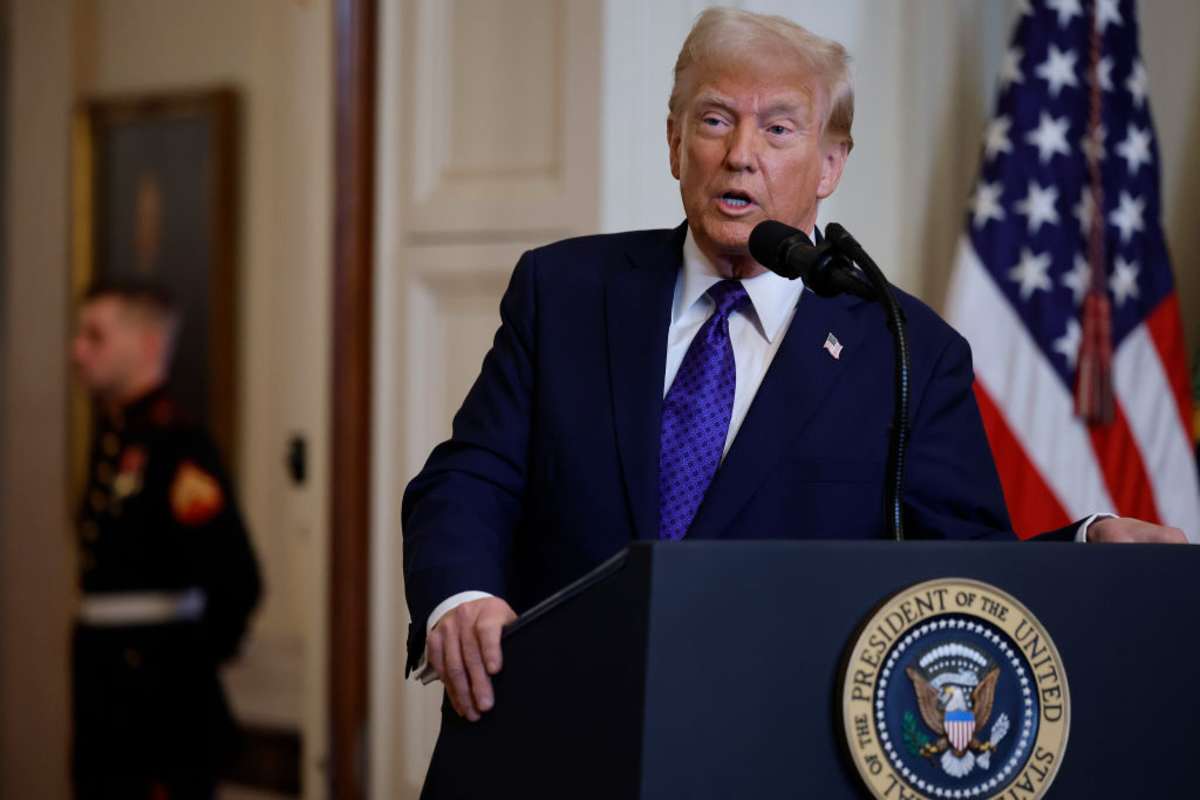
WASHINGTON, DC - JANUARY 29: U.S. President Donald Trump delivers remarks before signing the Laken Riley Act, the first piece of legislation passed during his second term in office, in the East Room of the White House on January 29, 2025 in Washington, DC. Jason Riley and Allyson Philips, the parents of 22-year-old Laken Riley, a University of Georgia nursing student who was murdered in 2024 by an undocumented immigrant, attended the signing ceremony. Among other measures, the law directs law enforcement authorities to detain and deport immigrants who are accused but not yet convicted of specific crimes, if they are in the country illegally. (Photo by Chip Somodevilla/Getty Images)
President Donald Trump delivers remarks before signing the Laken Riley Act, the first piece of legislation passed during his second term in office, in the East Room of the White House on January 29, 2025 in Washington, DC (Photo by Chip Somodevilla/Getty Images)

“In the Situation Room on Feb. 11, Mr Netanyahu made a hard sell, suggesting that Iran was ripe for regime change and expressing the belief that a joint US-Israeli mission could finally bring an end to the Islamic Republic,” the Times reported.

As for Trump, the ceasefire is considered to be an initiative towards broader discussions, even if there are no particular facts regarding its implementation into something more lasting yet.
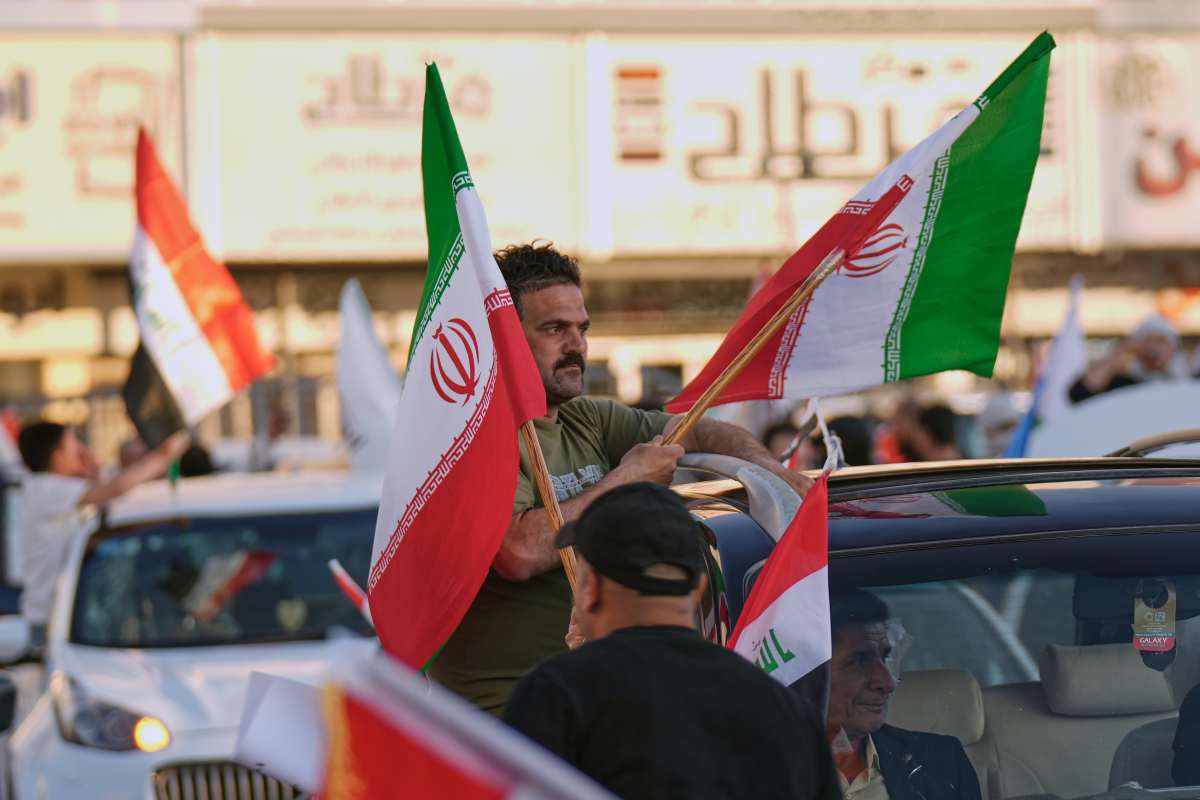
Protesters carry Iranian flags during a rally to show solidarity with Iran, in Baghdad, Iraq, Wednesday, April 8, 2026. (AP Photo/Hadi Mizban)
Protesters carry Iranian flags during a rally to show solidarity with Iran, in Baghdad, Iraq, Wednesday, April 8, 2026 (AP Photo/Hadi Mizban)

However, what stands out about the policy shift following the discussion with Netanyahu is that coordination with allies plays a key role in shaping decisions during the conflict.
RELATED TOPICS US STRIKES IRAN

GET BREAKING U.S. NEWS & POLITICAL UPDATES
STRAIGHT TO YOUR INBOX.

MORE STORIES

'The best thing we can do for our troops, the best thing we can do for our country is to end this war', Sen Chris Van Hollen said
1 hour ago
The secretary of state questioned Tehran's commitment to talks, saying the US remains open to diplomacy but will protect its interests and allies
3 hours ago
In a heated House hearing, California Democrat accused the US ambassador to the UN of misleading Congress on American troop casualties
3 hours ago
The dispute followed similar cases in Virginia and New York, where judges appointed prosecutors whom the Justice Department later fired
4 hours ago
Trump's Saudi nuclear agreement could redefine US strategy, regional security and the balance between Israel, Iran and Riyadh
5 hours ago
'A poll just came out. Americans don't want high gasoline prices, but they're not against the war', President Trump said
6 hours ago
The president said the US would bomb an Iranian bridge or power plant for every future attack on commercial shipping in the Strait of Hormuz
7 hours ago
John Thune said Republicans would gladly accept John Fetterman after the Pennsylvania Democrat suggested he would leave the Democratic Party
7 hours ago
Trump skipped the meeting, but his advisers held a second strategy session to coordinate GOP candidates, operations and resources for the midterms
13 hours ago
Zohran Mamdani said NYC lacks authority to enforce the warrant and urged the federal government to join the ICC and arrest Benjamin Netanyahu
14 hours ago