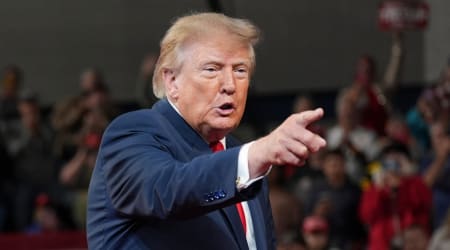
White House cautions staff over Iran war betting on prediction markets
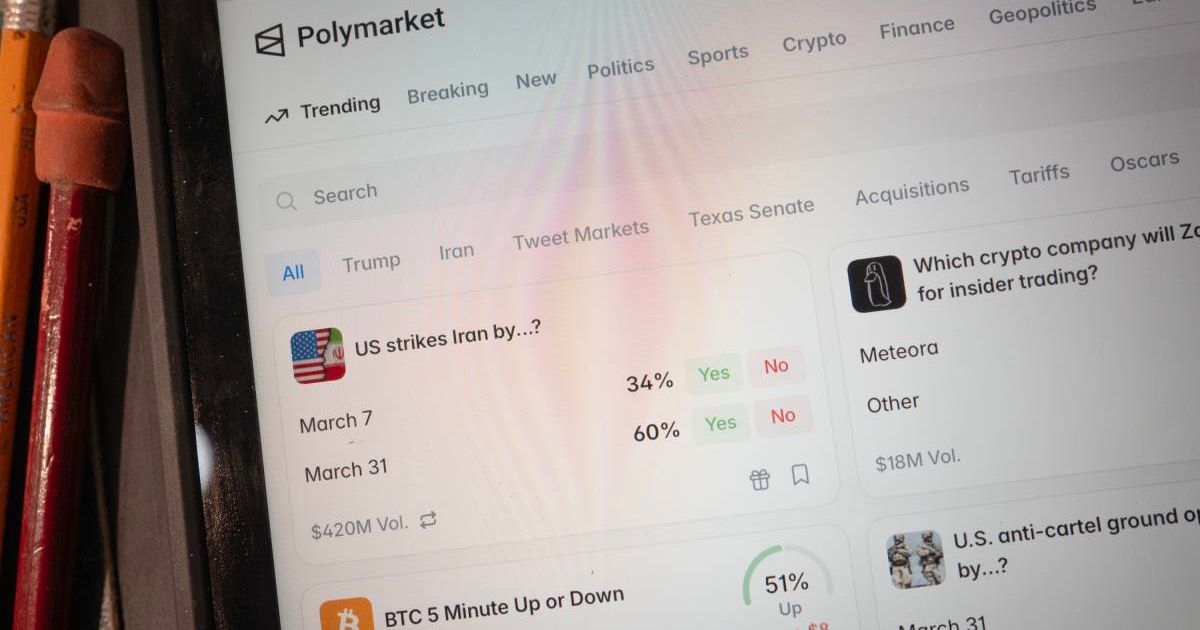
WASHINGTON, DC: The White House has warned its staff against placing bets on prediction markets tied to the war with Iran, amid growing scrutiny over suspicious, well-timed trades on such platforms.
The caution came through a March 23 staff-wide email sent by the White House Management Office, according to a report by The Wall Street Journal. Officials flagged concerns that employees could misuse their positions for financial gain in increasingly popular online betting markets.
While there is no evidence of wrongdoing by administration officials, the move underscores rising anxiety around the integrity and oversight of prediction platforms that allow wagers on global events.
White House issues warning
The March 23 email cautioned staffers against participating in prediction markets related to geopolitical developments, particularly the Iran conflict, citing risks of potential conflicts of interest and insider advantage.
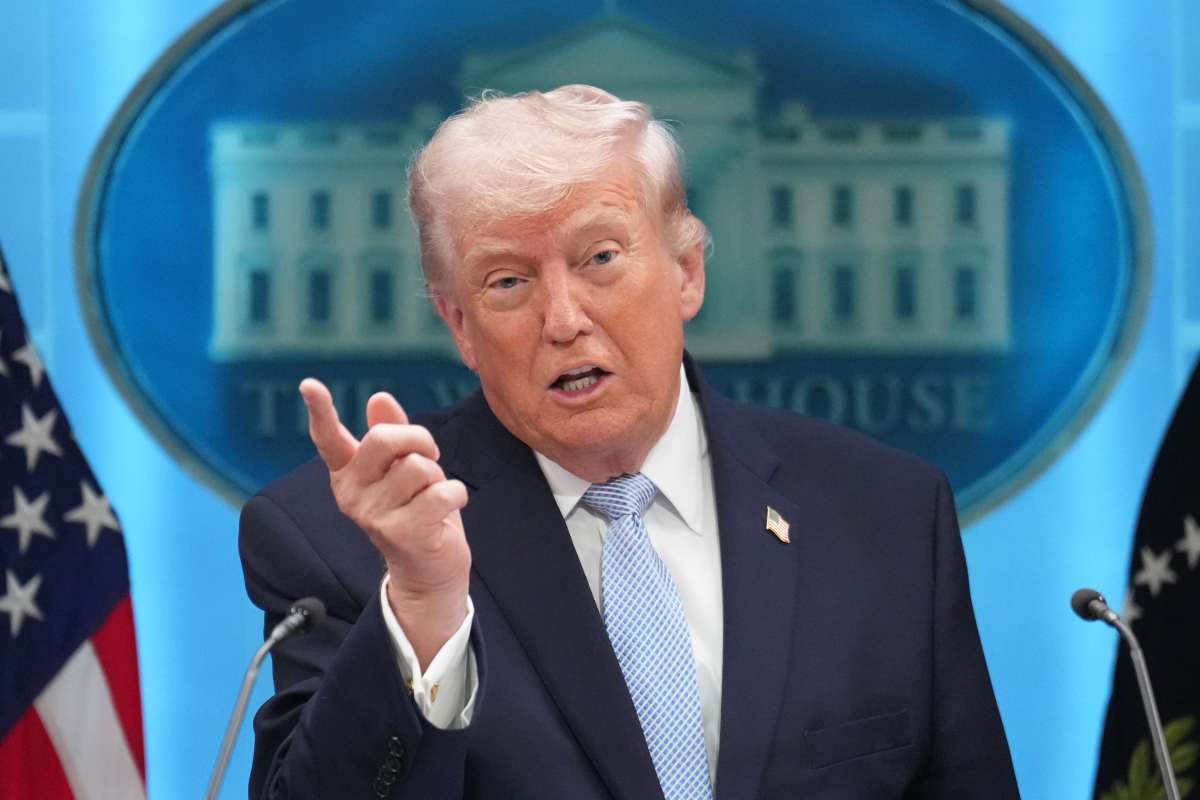
“The only special interest that will ever guide President Trump is the best interest of the American people,” the White House told the newspaper.
Prediction markets enable users to bet on outcomes ranging from sports and elections to major global events. Contracts are typically structured as yes-or-no wagers, with prices fluctuating between $0 and $1 to reflect perceived probabilities.
Concerns intensified after unusual trading activity surfaced on platforms like Polymarket, where accounts placed precise bets ahead of a potential ceasefire announcement involving the US, Israel and Iran.
Suspicious trades raise concerns
Ahead of a fragile ceasefire expected around April 7, newly created accounts made highly specific trades predicting a halt in fighting. Some traders reportedly secured profits worth hundreds of thousands of dollars, while others await payouts as uncertainty persists.
The timing of these bets has triggered calls for investigations from lawmakers, amid fears of insider trading. Similar concerns arose earlier when an anonymous trader reportedly made over $400,000 following the US military’s capture of Nicolas Maduro in January.

Critics argue that anonymity on these platforms makes it difficult to track who is profiting, even though companies collect user data for verification.
Platforms expand rapidly
Prediction markets have grown significantly in recent years, with platforms offering contracts on everything from elections to entertainment outcomes. Users can trade using cryptocurrency, cards or bank transfers, often under pseudonyms.
Polymarket and its rival Kalshi are among the biggest players in the space. Kalshi operates as a federally regulated exchange, while Polymarket has expanded its reach after regulatory shifts under President Trump’s administration.
Major partnerships with sports leagues and companies have further accelerated growth, with traditional betting firms also entering the market.
Prediction markets fall under the oversight of the Commodity Futures Trading Commission, allowing them to bypass many state-level gambling restrictions. Critics describe this as a regulatory loophole that enables widespread betting with limited oversight.
Lawmakers from both parties have pushed for tighter rules, especially on contracts tied to wars, terrorism and political outcomes. Some experts warn that existing safeguards remain insufficient despite recent policy updates by platforms banning insider trading.
The CFTC has authority to restrict certain event contracts, but ongoing legal battles and limited staffing have raised questions about enforcement capacity. Analysts expect the issue to escalate, with potential challenges reaching the US Supreme Court.