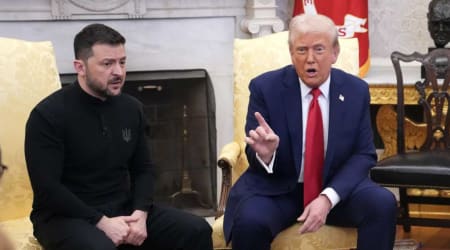
Trump bets on Iran peace deal despite Hormuz tensions: 'They've been conquered'
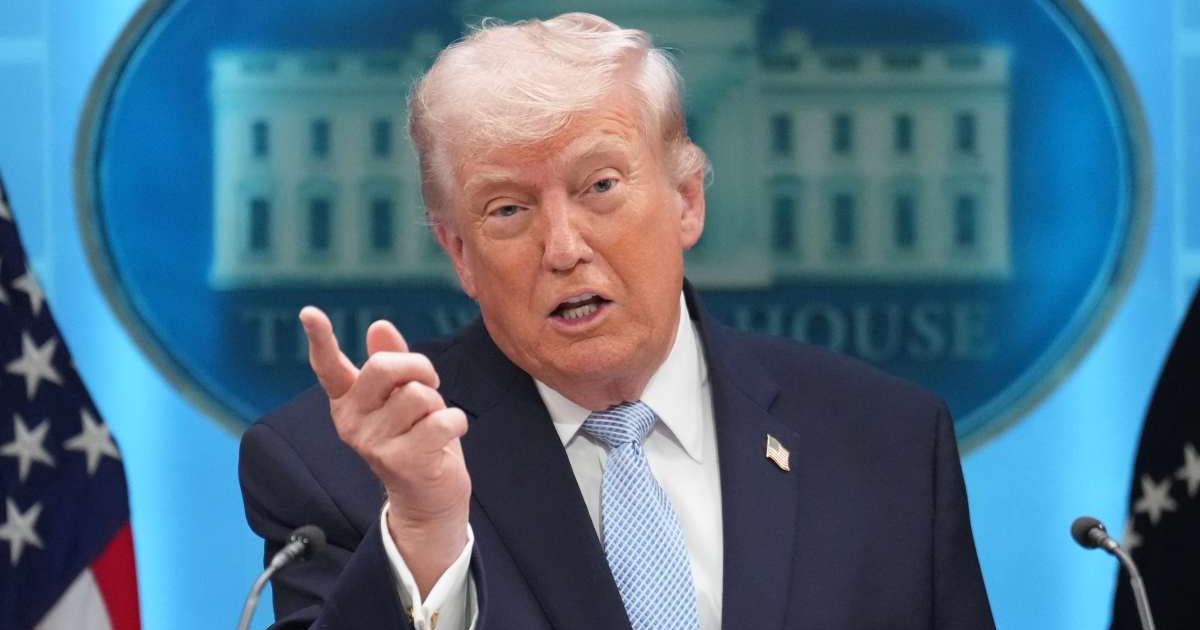
NEWS: President Trump told NBC News in a phone interview that he is “very optimistic” a peace deal with Iran can be reached. “If they don’t make a deal, it’s going to be very painful.”
— RedWave Press (@RedWavePress) April 9, 2026
Iran’s leaders “talk much differently when you’re at a meeting than they do to the press.… pic.twitter.com/LTNLKQm5vv
WASHINGTON, DC: President Donald Trump said on Thursday, April 9, he is “very optimistic” that a peace agreement with Iran can be reached, even as a temporary ceasefire shows signs of strain. The remarks come ahead of planned diplomatic talks in Islamabad led by Vice President JD Vance.
While the two-week truce has paused direct US-Iran hostilities, ongoing regional tensions and limited activity in the Strait of Hormuz have raised questions about its durability.
Officials on multiple sides continue to signal both willingness to negotiate and readiness for escalation.
Trump expresses confidence ahead of talks and warns of consequences
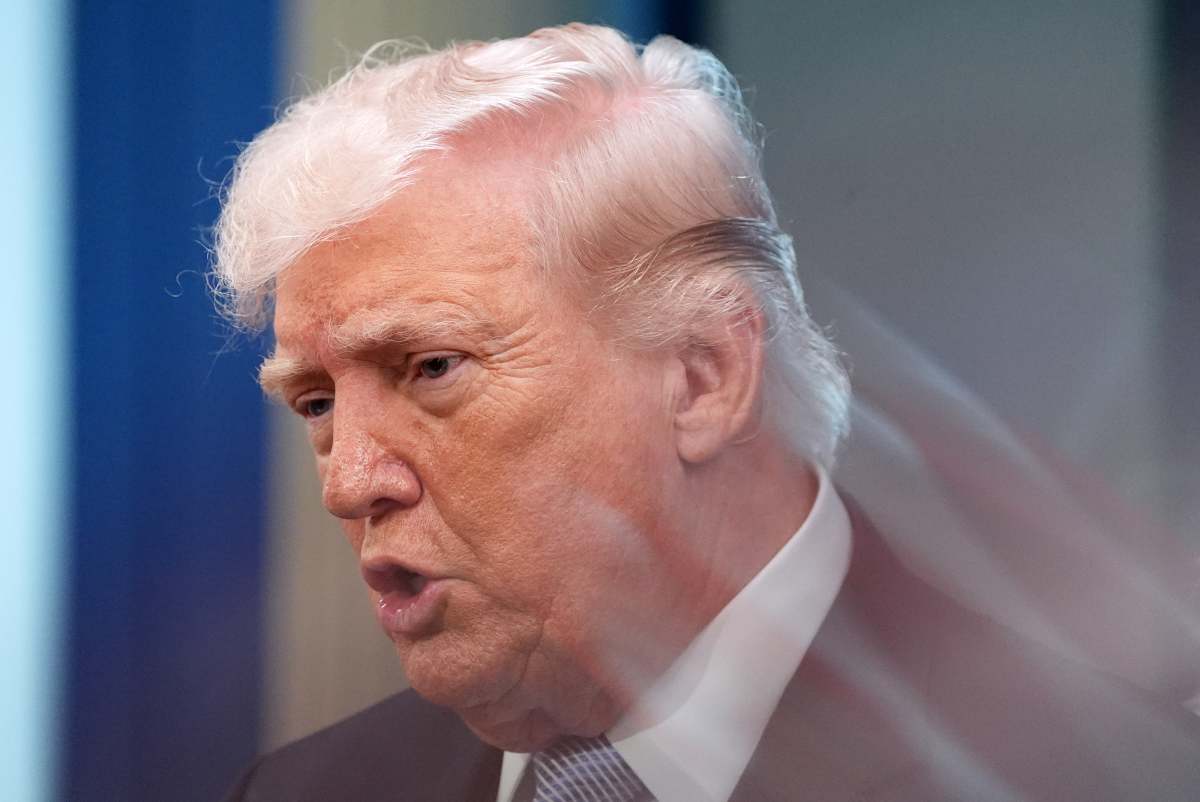
In a phone interview with NBC News, Trump said he believed Iran was showing greater flexibility in negotiations.
“They’re much more reasonable,” he said. “They’re agreeing to all the things that they have to agree to. Remember, they’ve been conquered. They have no military.”
He added that failure to reach an agreement would result in escalation. “If they don’t make a deal, it’s going to be very painful,” Trump said.
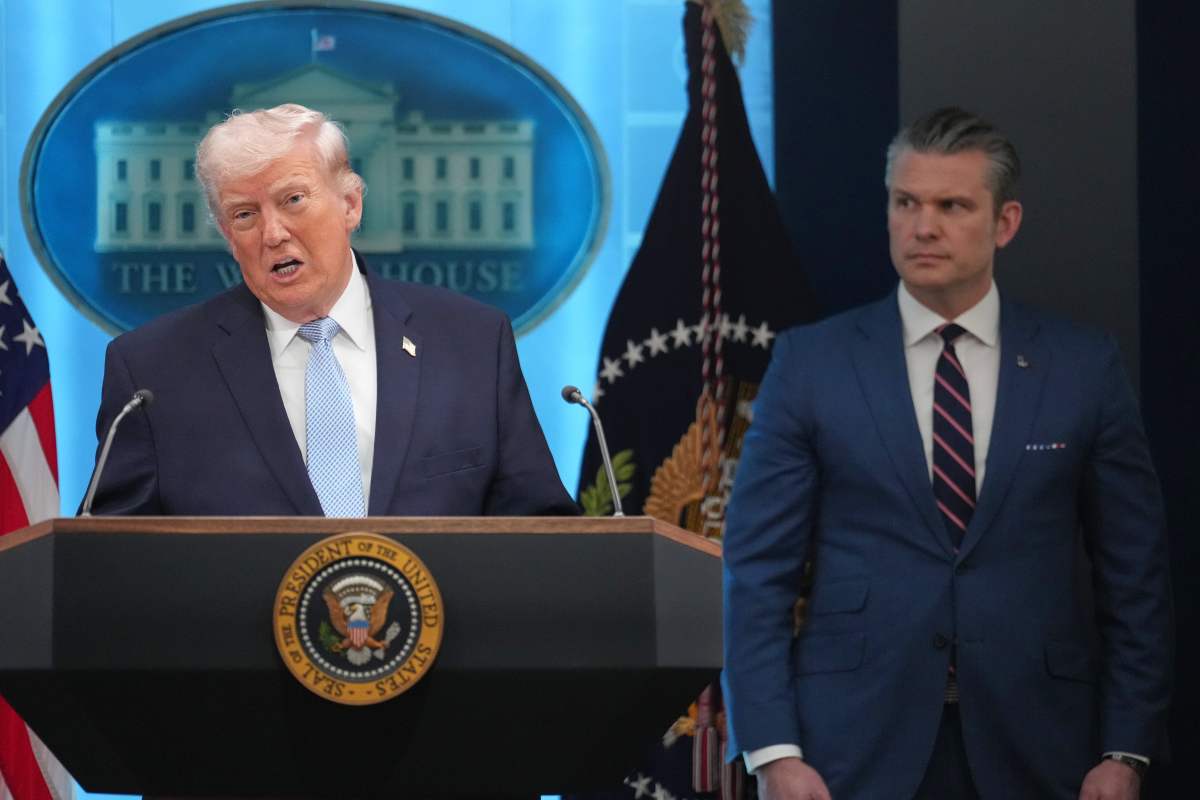
The upcoming talks in Islamabad are expected to include a US delegation led by Vance, along with envoy Steve Witkoff and adviser Jared Kushner.
According to sources familiar with the discussions, Vance has been in contact with intermediaries in Pakistan and has conveyed that the US is open to a ceasefire if its conditions are met.
Vance also communicated that Washington remains prepared to increase pressure if negotiations fail, describing a “stern message” that the US could target additional infrastructure if Iran does not comply.
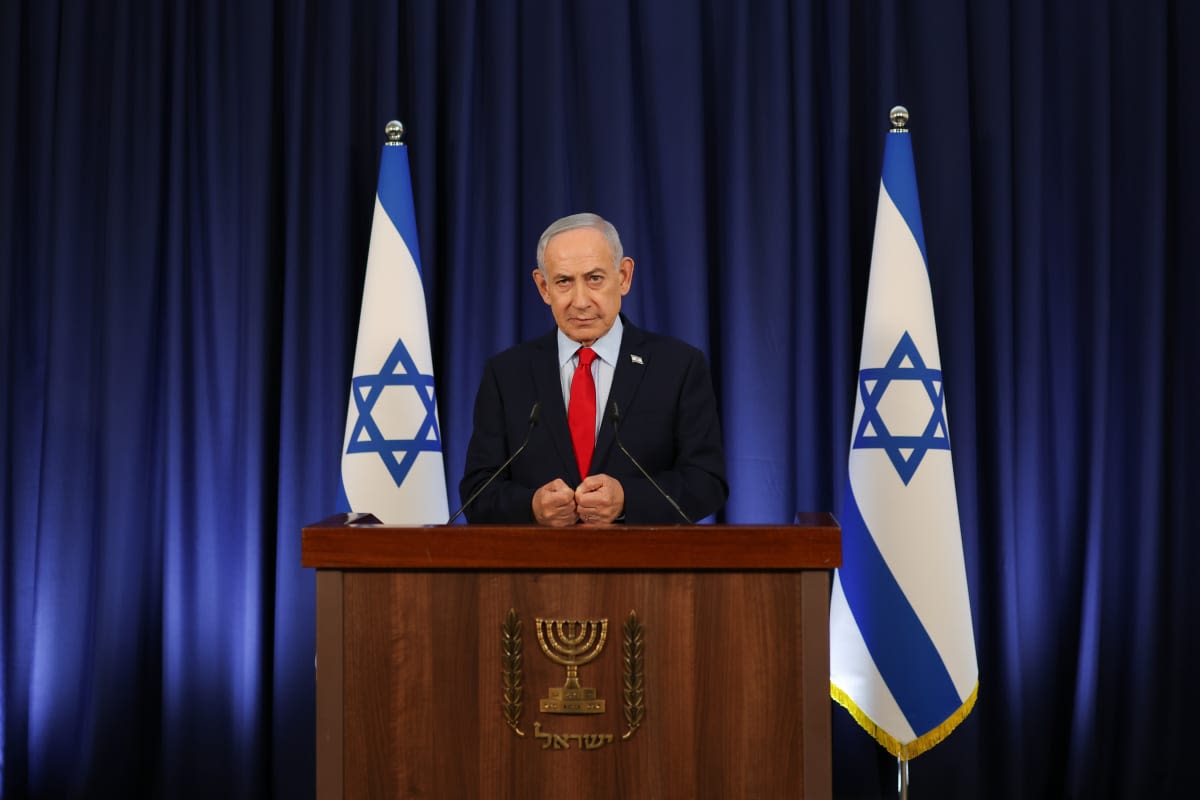
“The president is not going to abide by our terms if the Iranians are not abiding by their terms,” Vance said.
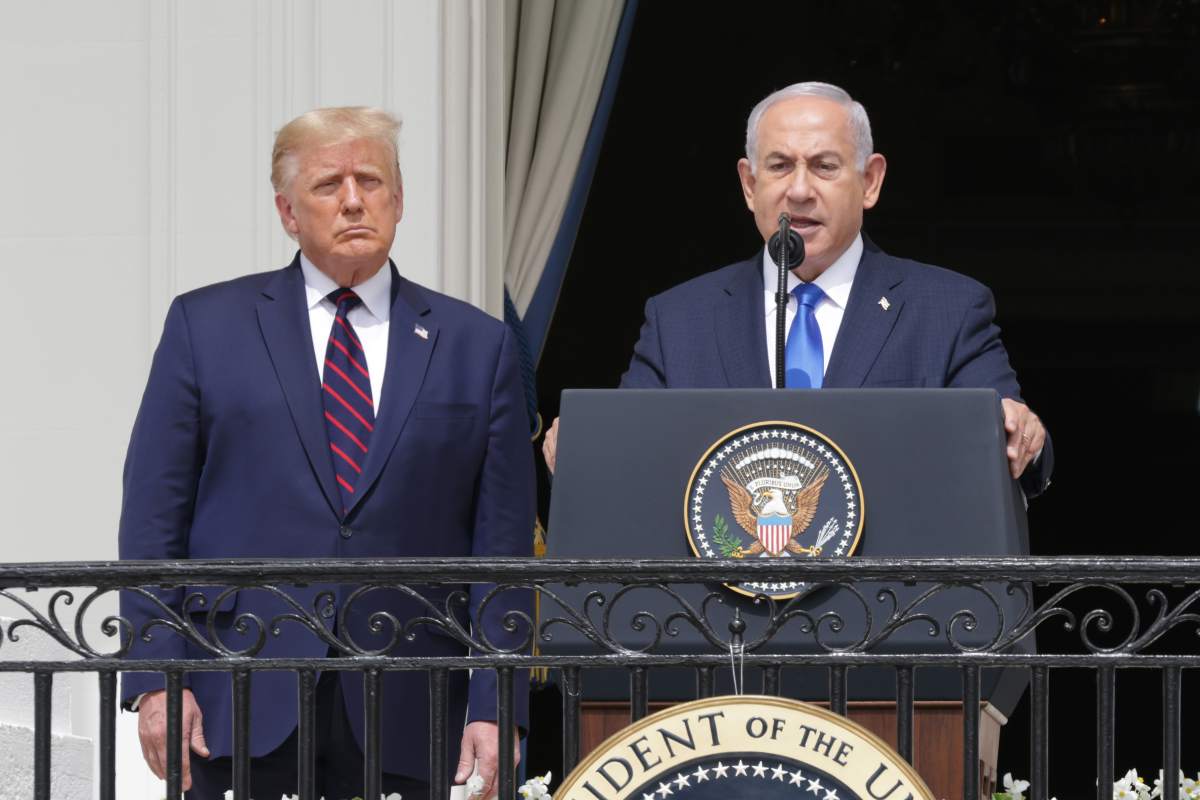
Trump also said he had spoken with Israeli Prime Minister Benjamin Netanyahu, urging restraint in ongoing Israeli military operations.
“I spoke with Bibi, and he’s going to low-key it. I just think we have to be sort of a little more low-key,” Trump said, adding that Israeli actions were being scaled back.
Ceasefire tested by regional tensions and shipping disruptions
Despite the pause in direct conflict, the ceasefire has faced early challenges. Israeli forces have continued strikes in southern Lebanon targeting Hezbollah, which Iran considers part of the agreement, while Israel and the US maintain that Lebanon is not covered under the truce.
Netanyahu said Israel would continue operations, stating, “I insisted that the temporary ceasefire with Iran not include Hezbollah, and we continue to strike them forcefully.” He also indicated that Israel would seek “direct negotiations” with Lebanon.
Netanyahu:
— Clash Report (@clashreport) April 8, 2026
The temporary ceasefire with Iran will not include Lebanon.
Today, we have given Hezbollah the strongest blow they have suffered since the pagers. pic.twitter.com/qApeyqY6gd
Meanwhile, activity in the Strait of Hormuz, a critical global shipping route, has remained limited.
According to maritime data, only a handful of vessels transited the strait following the ceasefire, with no oil or gas tankers among them initially.
This has raised concerns about whether Iran is easing restrictions on the waterway. White House Press Secretary Karoline Leavitt stated, “We have seen an uptick of traffic in the Strait.”

Iranian officials have also warned that continued military activity in Lebanon could jeopardize negotiations. Iranian national security analyst Mahdi Mohammadi said, “Without fully restraining America’s rabid dog in Lebanon, there will be no ceasefire or negotiations, and the missiles are ready to launch.”